rifanmuazin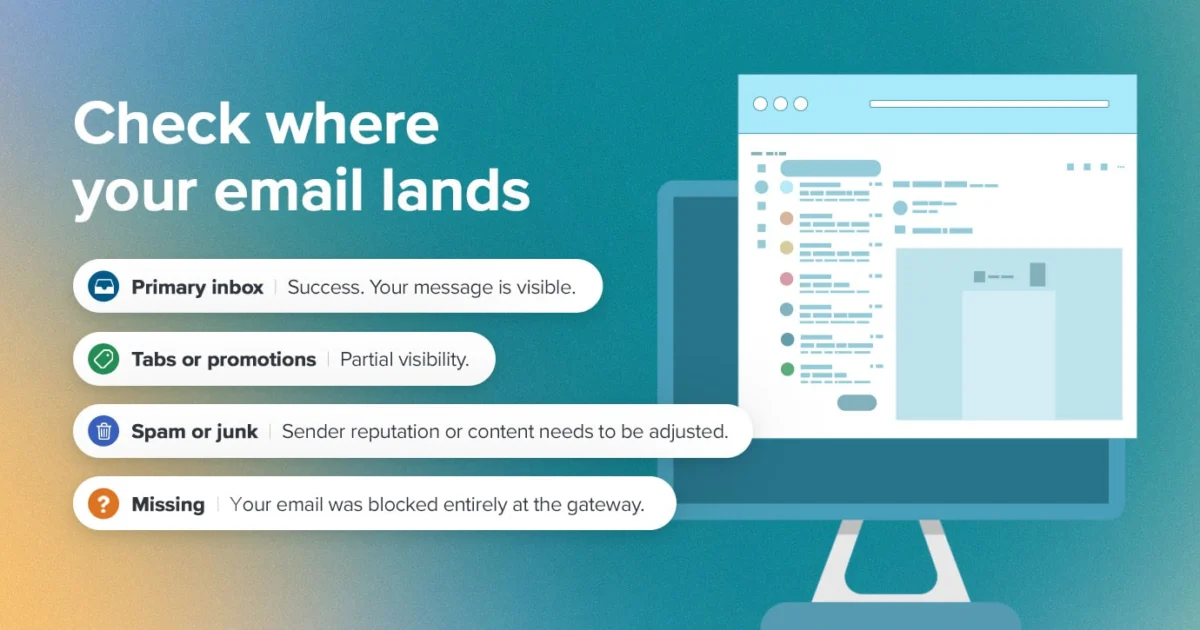
For far too long, marketers have celebrated high email delivery rates as a definitive measure of campaign success, operating under the misconception that a delivered email automatically equates to a message seen by the subscriber. This pervasive belief, however, represents a significant misunderstanding of modern email ecosystems and a critical blind spot for businesses relying on email for communication and conversion. The reality is far more nuanced: an email can be successfully "delivered" to a mailbox provider’s server yet vanish into the digital ether of spam folders, promotional tabs, or other less visible corners of an inbox. The true metric of success, and the linchpin of effective email marketing, is inbox placement rate (IPR) – the crucial measure of whether an email actually lands where its intended recipient will see and engage with it.
The journey of an email from sender to recipient is increasingly complex, governed by sophisticated algorithms and stringent policies designed to protect users from unwanted solicitations, phishing attempts, and malicious content. In this evolving landscape, simply avoiding a bounce is no longer enough. The core distinction lies between delivery and placement. Delivery rate signifies that a mailbox provider (like Gmail, Outlook, or Yahoo) has accepted the email, confirming it didn’t encounter a permanent (hard bounce, e.g., invalid address) or temporary (soft bounce, e.g., full inbox) rejection at the server level. While a high delivery rate is a foundational indicator of a relatively healthy email list, it merely marks the first hurdle cleared. The actual victory, the moment an email gains potential visibility, is achieved when it successfully navigates past spam filters and lands in the primary inbox, rather than being shunted to less prominent folders or quarantined entirely. This distinction is paramount, directly influencing engagement rates, conversion pathways, and ultimately, the return on investment (ROI) of an organization’s entire email marketing strategy.
The Evolution of Email Filters and the Rise of Deliverability Challenges
The challenge of email deliverability is not new, but it has intensified dramatically over the past two decades. In the early days of the internet, email was a relatively open communication channel. However, the rapid proliferation of unsolicited commercial email, or "spam," necessitated the development of increasingly sophisticated filtering mechanisms by Mailbox Providers (MBPs) and Email Service Providers (ESPs). What began as simple keyword filters evolved into complex, AI-driven systems that analyze hundreds of factors to determine an email’s trustworthiness and relevance.
By the mid-2000s, the volume of spam had grown to staggering levels, often comprising over 80% of all email traffic. This deluge forced MBPs to prioritize user experience, leading to the deployment of advanced anti-spam technologies. This chronological development has culminated in today’s environment, where an email’s fate is decided by a delicate balance of sender reputation, content quality, authentication protocols, and, crucially, recipient engagement. For marketers, this means the ‘set it and forget it’ approach to email is long dead; proactive management of deliverability has become a strategic imperative. Industry reports consistently highlight email marketing’s impressive ROI, often cited as high as $42 for every $1 spent, underscoring why ensuring optimal inbox placement is not just a technicality but a direct driver of revenue.
Dissecting the Metrics: Delivery Rate vs. Inbox Placement Rate
To fully grasp the critical difference, consider the mechanics:
-
Delivery Rate: This metric tracks the percentage of emails sent that were successfully accepted by the recipient’s mailbox server. If an email doesn’t get delivered, it’s categorized as a bounce. A hard bounce indicates a permanent failure, typically because the email address is invalid or non-existent, signaling a need to remove the address from the list immediately. A soft bounce signifies a temporary issue, such as a full inbox, an unavailable server, or an email size exceeding limits. While a high delivery rate (ideally 98% or higher) is a positive sign of a clean list, it provides no insight into where those accepted emails ultimately land within the inbox.
-
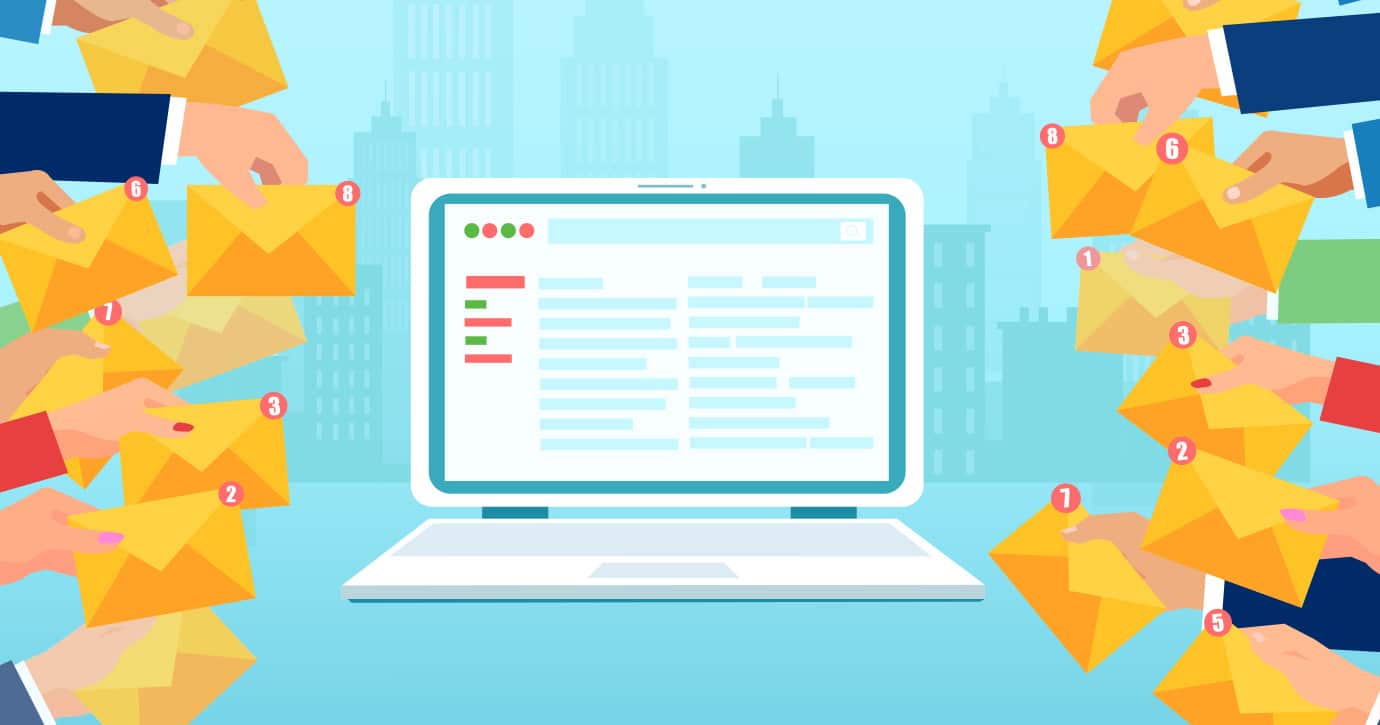
Inbox Placement Rate (IPR): This is the ultimate metric of visibility. IPR measures the percentage of emails that, once accepted by the mailbox provider, successfully bypass spam filters and are routed to the user’s primary inbox. This placement is not arbitrary; it is heavily influenced by a confluence of factors including the sender’s reputation, the quality and relevance of the email content, the historical engagement patterns of the recipient, and the overall health of the sending infrastructure. MBPs act as gatekeepers, using these signals to discern legitimate, valued communications from unwanted or potentially harmful ones. A strong IPR is a direct reflection of a trusted sender and relevant content, directly translating into increased open rates, click-through rates, and conversions.
The financial implications of neglecting IPR are substantial. According to various marketing studies, emails consistently landing in the primary inbox are exponentially more likely to be opened and acted upon. Conversely, emails trapped in spam folders or obscure tabs are effectively invisible, rendering even the most meticulously crafted campaigns and compelling offers utterly ineffective. This invisibility equates to wasted marketing budget, missed opportunities, and a tangible loss of potential revenue. Therefore, actively measuring and optimizing IPR is not merely a best practice; it is a fundamental pillar of modern digital marketing strategy.
The Mailbox Provider’s Perspective: Why Engagement Matters
ESPs like Gmail, Outlook, and Yahoo are acutely focused on maintaining a positive user experience. Their business model relies on users trusting their platform to filter out unwanted content while delivering important messages. Consequently, these providers employ sophisticated algorithms that dynamically rank and filter incoming emails based on a vast array of signals, with user behavior being a predominant factor.
Emails that are consistently opened, read, replied to, marked as "not spam," or added to a contact list signal to ESPs that the content is valuable and desired by the recipient. This positive engagement acts as a powerful endorsement, bolstering the sender’s reputation and significantly increasing the likelihood of future emails landing in the primary inbox. Conversely, emails that are frequently ignored, deleted without being opened, or, most damagingly, marked as spam, send a clear negative signal. Such actions tell the ESP that the sender’s messages are irrelevant or unwanted, leading to a degradation of sender reputation and an increased probability of future emails being filtered to spam or blocked entirely. This creates a continuous feedback loop: positive user interaction ensures a healthy sender score, while negative interaction erodes it. This dynamic underscores why cultivating genuine subscriber engagement is not just a marketing goal but a critical deliverability strategy.
Strategies for Measuring and Improving Inbox Placement
Measuring true inbox placement goes beyond the basic "delivered" metric reported by most ESPs. To gain an accurate, unbiased view of where emails are actually landing, marketers must employ specialized testing strategies.
1. Deploy a Seed List Test: This is the industry standard for assessing deliverability. A seed list comprises a collection of test email addresses distributed across all major mailbox providers (e.g., Gmail, Yahoo, Outlook, AOL, Apple Mail). By sending your actual campaign content to this seed list exactly as you would to your real subscribers, you can observe firsthand how various MBPs handle your email. This method provides an objective snapshot of your campaign’s reach.
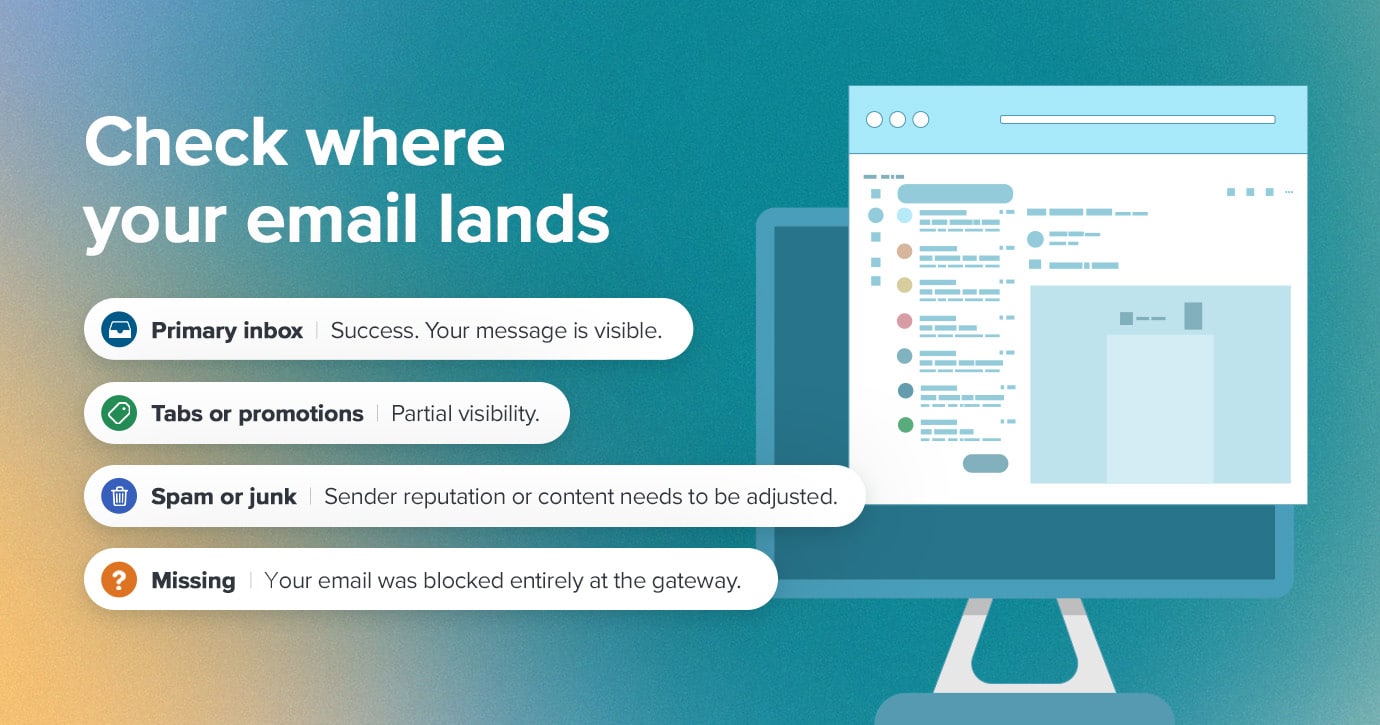
2. Analyze Folder Placement: Specialized diagnostic tools, often integrated into deliverability platforms, allow marketers to analyze the folder placement for each email sent to the seed list. Did the email land in the primary inbox? Was it routed to the "Promotions" tab (in Gmail)? Or, critically, was it filtered directly into the spam folder? This granular insight is invaluable for identifying specific providers or filtering patterns that may be impacting deliverability.
3. Calculate Your Inbox Placement Rate (IPR): Based on the results from the seed list test and folder analysis, you can calculate your true IPR – the percentage of emails that successfully reached the primary inbox across all tested providers. This metric, rather than the raw delivery rate, should serve as the primary indicator of your email program’s visibility and effectiveness.
Once measured, a clear strategy for improvement is essential. Here are key tactics:
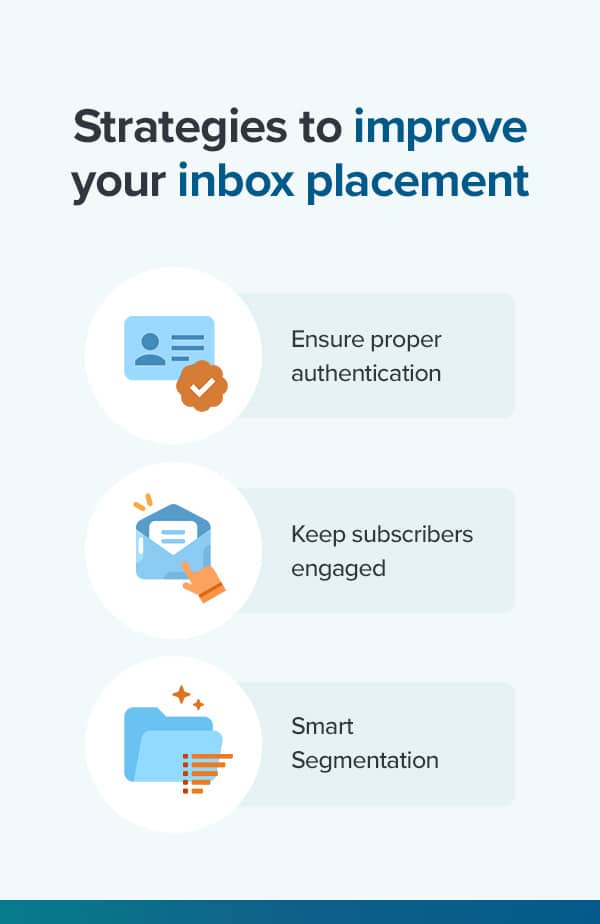
A. Ensure Proper Email Authentication:
Authentication acts as a digital identity verification, proving that an email truly originates from the claimed sender and has not been tampered with. Without robust authentication, emails are immediately flagged as suspicious. The primary protocols include:
- Sender Policy Framework (SPF): An email authentication standard that allows senders to define which mail servers are authorized to send email on their behalf.
- DomainKeys Identified Mail (DKIM): A method for associating a domain name with an email message, allowing a person or organization to take responsibility for the message. It uses cryptographic signatures to verify the sender’s identity and ensure the message hasn’t been altered.
- Domain-based Message Authentication, Reporting, and Conformance (DMARC): Builds upon SPF and DKIM, allowing senders to specify how MBPs should handle emails that fail authentication checks (e.g., quarantine, reject) and provides reporting mechanisms.
The importance of these protocols was underscored by major policy changes in 2024. Both Google and Yahoo mandated strict authentication requirements (SPF, DKIM, and DMARC with a policy of "quarantine" or "reject" for DMARC) for bulk senders (those sending over 5,000 emails per day). Non-compliance with these new rules results in emails being sent directly to spam or rejected outright. This move by two of the largest email providers represents a significant step in combating email fraud and spam, and it irrevocably links authentication directly to inbox placement.
B. Cultivate and Maintain Subscriber Engagement:
An engaged subscriber list is a powerful signal of trustworthiness to MBPs. Conversely, dormant or inactive subscribers can become liabilities. Email addresses that haven’t engaged with your emails in a year or more can be particularly problematic, as some may have been converted into "spam traps" by MBPs. Hitting a spam trap is a severe blow to sender reputation, indicating poor list hygiene and potentially leading to widespread blocking.
- Re-engagement Campaigns: Periodically target dormant subscribers with specific campaigns designed to rekindle interest, such as "Do you still want to hear from us?" If these attempts fail to elicit a response, it is crucial to remove these inactive addresses from your list. Regularly pruning disengaged subscribers keeps your list healthy and signals to MBPs that your content is valued by your active audience.
- Email Verification at Signup: Proactive list hygiene begins at the point of data capture. Implementing email verification tools during signup can prevent invalid, misspelled, or known problematic email addresses from entering your database. This pre-emptive measure reduces bounce rates and protects your sender reputation from the outset.
C. Implement Smart Segmentation and Personalization:
In an era of information overload, generic, mass-sent emails are increasingly ineffective. MBPs reward relevance, and recipients demand personalization. Segmenting your audience based on demographics, past behavior, interests, and purchase history allows for the delivery of highly targeted content.
- Tailored Content: Instead of broadcasting a single product update to your entire list, send it only to the segment of users who have actively engaged with that specific product or feature. This dramatically increases the likelihood of opens, clicks, and positive interactions.
- Behavioral Triggers: Leverage data from website visits, abandoned carts, or previous purchases to trigger personalized email sequences. Such contextual relevance not only delights recipients but also generates strong engagement signals for MBPs, reinforcing your sender reputation and boosting future inbox placement. High engagement is directly correlated with high placement, as providers interpret active interaction as a strong indicator of valuable content.
Advanced Strategies for Enterprise-Level Deliverability
For organizations with high sending volumes, a global reach, or complex email programs, maintaining pristine inbox placement requires more sophisticated, enterprise-grade strategies.
1. Sender Certification:
Sender certification programs, such as Validity Sender Certification, offer a "whitelist" status to vetted senders who adhere to stringent best practices. Certified senders essentially receive preferential treatment from participating mailbox providers. This involves a rigorous auditing process that confirms adherence to high standards of email hygiene, authentication, and responsible sending. Benefits include:
- Enhanced Inbox Placement: Significantly higher rates of landing in the primary inbox, bypassing many standard spam filters.
- Improved Sender Reputation: Formal recognition as a trusted sender, bolstering brand credibility.
- Increased Visibility: Standing out in crowded inboxes, often with expedited delivery.
- Data-Backed Advantage: Industry data shows certified senders often achieve millions more emails delivered to the inbox annually compared to non-certified counterparts, demonstrating a clear competitive edge.
2. Brand Indicators for Message Identification (BIMI):
BIMI is an emerging standard that allows a sender’s verified brand logo to appear next to their email’s subject line in the inbox. This visual confirmation of brand identity provides an immediate layer of authenticity and trust, crucial in an environment plagued by phishing and email fraud.
- Visual Trust Signal: Subscribers can instantly recognize and trust your emails, increasing open rates and reducing the likelihood of being marked as spam.
- Brand Differentiation: In a crowded inbox, a distinctive logo helps your email stand out, capturing recipient attention more effectively than text-only entries.
- Requires Strong Authentication: To implement BIMI, senders must have DMARC enforced at a "quarantine" or "reject" policy, further reinforcing the link between robust authentication and advanced deliverability measures.
3. Real-Time Feedback Loops (FBLs):
FBLs are essential tools offered by major MBPs (e.g., Google Postmaster Tools, Microsoft SNDS) that provide real-time insights into how subscribers perceive your emails. Specifically, FBLs notify senders when a recipient actively marks their message as spam.
- Identify Problematic Subscribers: FBLs pinpoint the specific email addresses generating complaints, allowing marketers to promptly remove these users from their lists.
- Refine Content Strategy: High complaint rates serve as a critical warning, prompting a review of content, frequency, or segmentation strategies to ensure relevance and prevent future issues.
- Maintain Sender Reputation: Proactively addressing spam complaints is vital for preserving a healthy sender reputation, as MBPs heavily penalize senders with high complaint rates.
Conclusion: The Imperative for a Data-Driven Deliverability Strategy
The era of merely achieving email "delivery" is over. Modern email marketing demands a strategic pivot towards maximizing "inbox placement." The difference between these two metrics is the difference between shouting into a void and engaging directly with your audience, between wasted resources and measurable ROI. As mailbox providers continue to refine their filtering mechanisms and user expectations for relevant content grow, understanding and actively managing inbox placement has become non-negotiable for any organization serious about its digital communication strategy.
Leveraging specialized deliverability platforms offers invaluable insights into the intricate factors affecting sender reputation and inbox performance. Tools that provide granular data on folder placement, authentication status, and sender reputation enable marketers to pinpoint exactly what is impacting their campaigns. With this data-driven confidence, teams can refine their email strategy, optimize content, enhance authentication, and ultimately boost campaign impact and revenue. Whether an emerging startup or an established enterprise, investing in advanced deliverability solutions is no longer a luxury but a fundamental requirement to ensure that carefully crafted messages reach their intended destination: the primary inbox, where true engagement and conversion begin.