rifanmuazin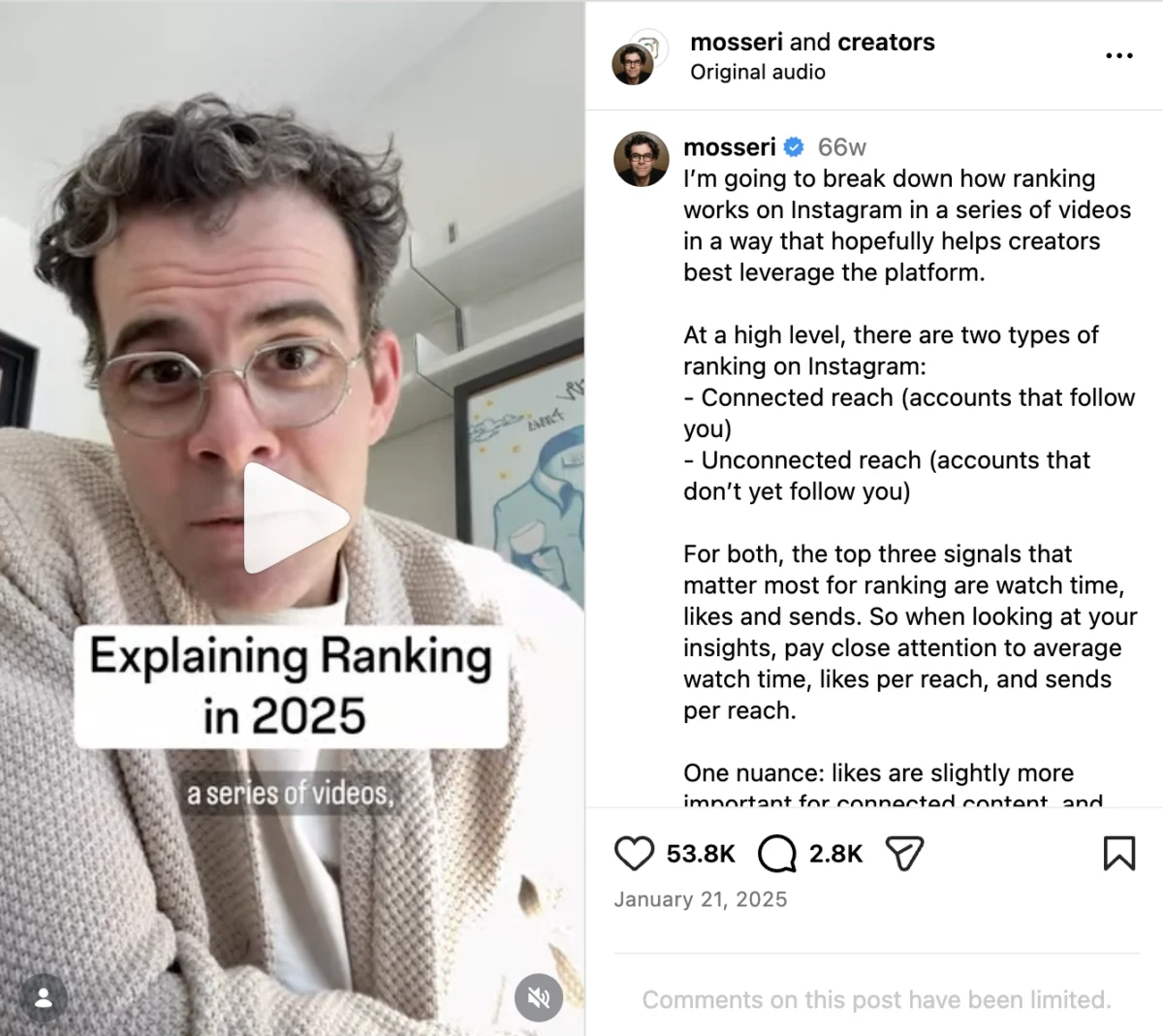
Social media algorithms are the intricate collections of rules, ranking signals, and complex calculations that dictate the priority and display order of content for every user across digital platforms. These sophisticated, AI-powered systems leverage machine learning to continuously evolve, personalize the user experience, and fundamentally shape what billions of people see daily. With the average global user spending approximately 141 minutes per day on social media apps, understanding these algorithms is paramount for content creators, marketers, and enterprises aiming to effectively reach their target audiences.
The Evolution of Content Delivery: From Chronological to Curated
The genesis of social media in the early 2000s, with pioneers like SixDegrees, MySpace, and Facebook, presented a vastly different digital landscape. Content feeds were largely chronological, offering users a straightforward, real-time stream of posts from the individuals and pages they followed. This simple "most recent to oldest" model, however, proved unsustainable as user bases exploded and content volume surged. The need for a more efficient and engaging content delivery system became evident.
A pivotal shift occurred in 2006 with the launch of Facebook’s News Feed, which laid the groundwork for algorithmic curation. By 2010, Facebook publicly detailed its EdgeRank algorithm, a pioneering system designed to filter and rank content based on a user’s affinity with the content creator, the weight of the content type (e.g., photos over links), and the recency of the post. EdgeRank marked a significant departure from pure chronology, introducing the concept of personalized relevance. While EdgeRank itself was superseded by more advanced algorithms in 2011, its legacy is evident in the sophisticated systems that govern nearly every major social platform today.
By 2026, the algorithmic dominance is near-total. While some platforms like X, Facebook, and Instagram still offer a chronological viewing option for those who prefer it, the default experience on most networks is algorithmically driven. Bluesky, a newer entrant, stands out by defaulting to a chronological feed, championing "algorithmic choice" and user-controlled content curation, a philosophical counterpoint to the prevailing industry trend. This historical progression underscores a fundamental shift from user-controlled discovery to algorithm-guided personalization, aiming to maximize engagement and platform stickiness.
The Inner Workings: How Algorithms Prioritize Content
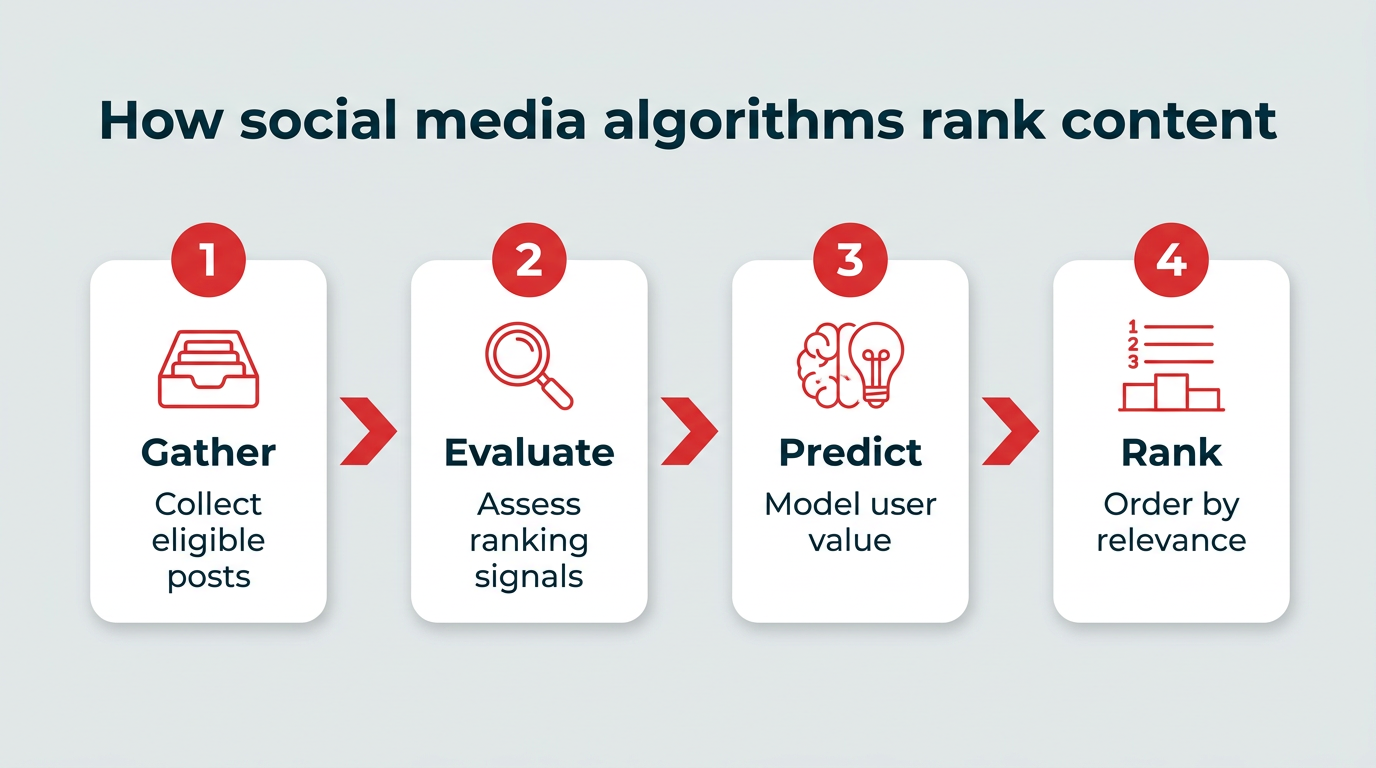
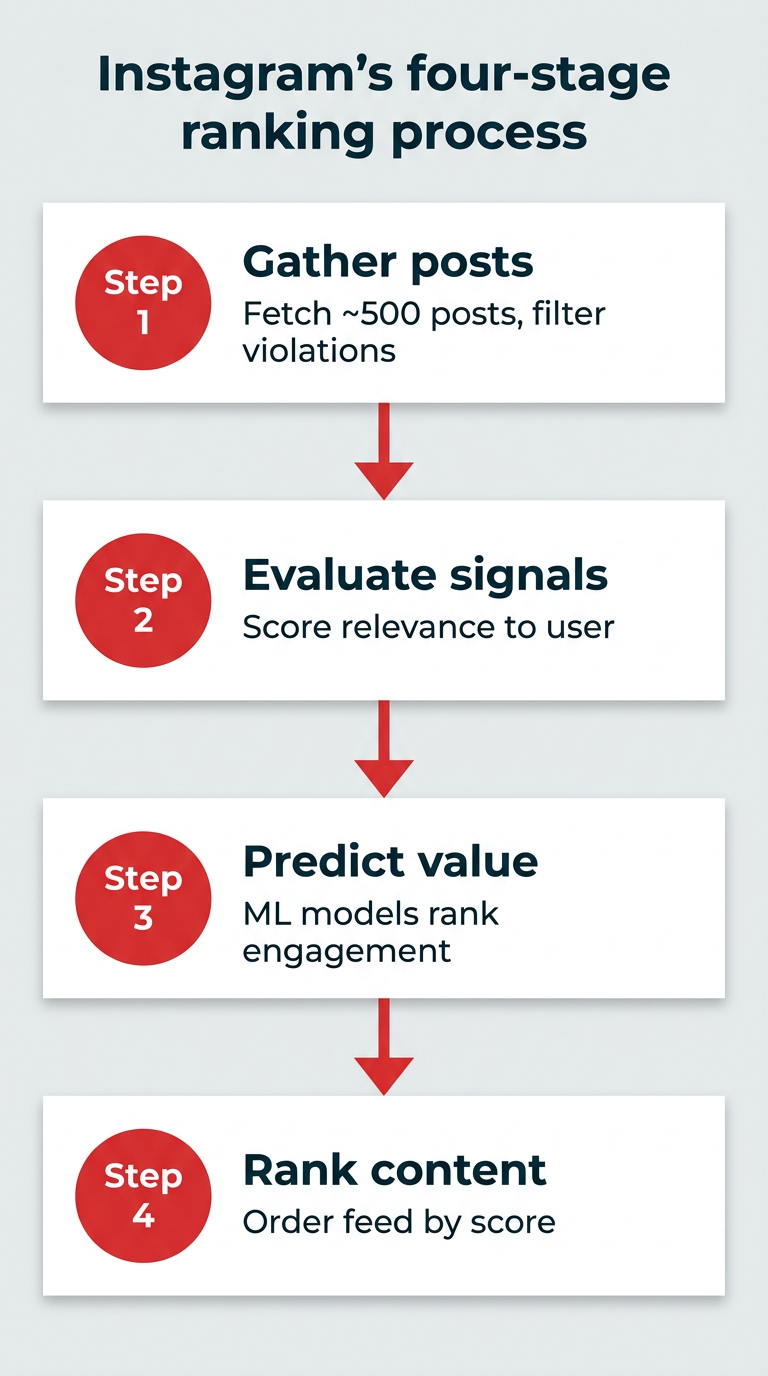
At its core, a social media algorithm operates through a multi-stage process designed to predict user interest and deliver the most relevant content. Taking Instagram as a prime example, when a user opens the app, the algorithm rapidly sifts through an inventory of roughly 500 recent posts from followed accounts and potential recommendations. This initial pool is then filtered to remove any content violating community guidelines.
The remaining posts are then scored based on predicted engagement. This scoring considers a multitude of ranking signals:
- Past Interactions: A user’s history of likes, comments, shares, and saves with a specific author or content type.
- Content Format: The type of media (e.g., Reel, photo, carousel), and its historical performance with the user.
- Other User Responses: How broadly other users have engaged with the post.
For instance, a short-form video Reel that a user is predicted to watch for over 10 seconds will likely be prioritized over a static photo they typically scroll past quickly. This intricate evaluation and ranking process occurs within milliseconds, resulting in a personalized feed ordered from most to least relevant. This general workflow – gather eligible content, evaluate ranking signals, predict value, and rank results – is consistent across most platforms, though the specific signals and their respective weightings vary significantly.
Key Algorithmic Terminology
To fully grasp the mechanics of these systems, understanding key terms is essential:

- Ranking Signal: An attribute or factor utilized by social media algorithms to assess content quality and relevance. These signals directly influence whether content appears in a user’s feed or search results, and its position within that display. Examples include likes, shares, comments, watch time, and recency.
- Machine Learning (ML): A subset of artificial intelligence, machine learning systems are designed to analyze vast datasets, identify patterns, and make predictions or decisions without explicit programming. Social media algorithms rely heavily on ML to learn from user behavior and continuously refine content recommendations.
- Artificial Intelligence (AI): A broader field encompassing machine learning, AI technology enables computers to simulate human intelligence, solve complex problems, mimic reasoning, and automate tasks. In social media, AI drives the personalization engines that curate individual user experiences and optimize content delivery.
Universal Ranking Signals in 2026
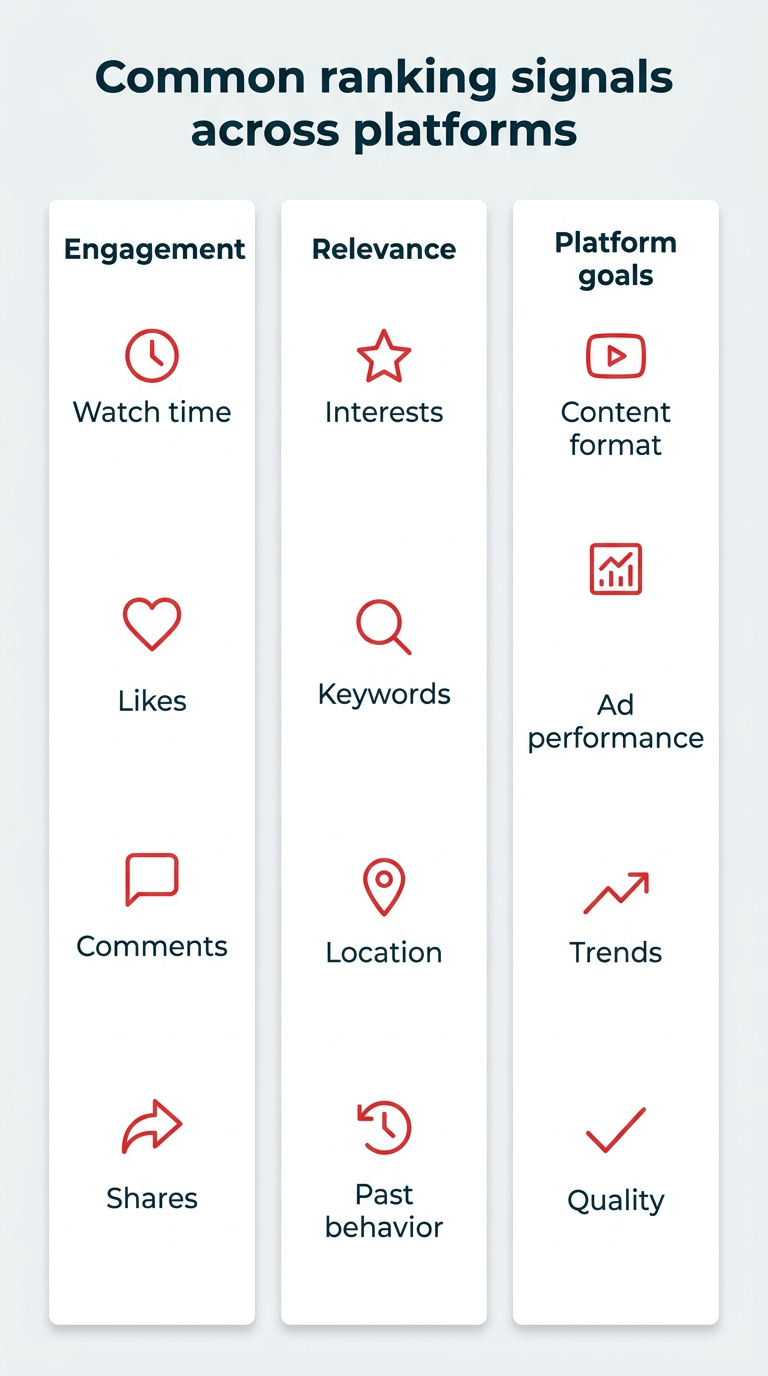
While each platform maintains its unique algorithmic blueprint, several overarching categories of ranking signals are universally prioritized in 2026:
- Engagement-Based Ranking: This category encompasses direct user interactions with content. Signals include likes, comments, shares, saves, replies, click-through rates, and crucially, watch time (for video content). High engagement signals to the algorithm that the content is valuable and should be shown to more users.
- Relevance and Personalization: Algorithms strive to present content that aligns with a user’s demonstrated interests and past behaviors. Signals here include a user’s explicit interests (e.g., topics followed), implicit interests (deduced from past content consumption), interactions with similar content or creators, and the freshness of the content. The goal is to create a highly individualized and sticky experience.
- Platform Goals: Each social media platform has overarching strategic objectives that influence its algorithm. These can include maximizing user retention, increasing advertising revenue, promoting specific content formats (e.g., short-form video), or driving specific types of interactions (e.g., professional networking on LinkedIn). Algorithms are tweaked to favor content that contributes to these goals.
- Algorithm Training and Feedback Loops: Algorithms are not static; they are constantly learning and adapting. Signals related to algorithm training include user feedback (e.g., "see fewer posts like this"), A/B testing of different content delivery models, and continuous analysis of how users respond to new features or content types. This iterative process ensures the algorithm remains optimized for engagement.
Platform-Specific Algorithmic Nuances
Understanding the specific priorities of each major platform is critical for content optimization:
Instagram
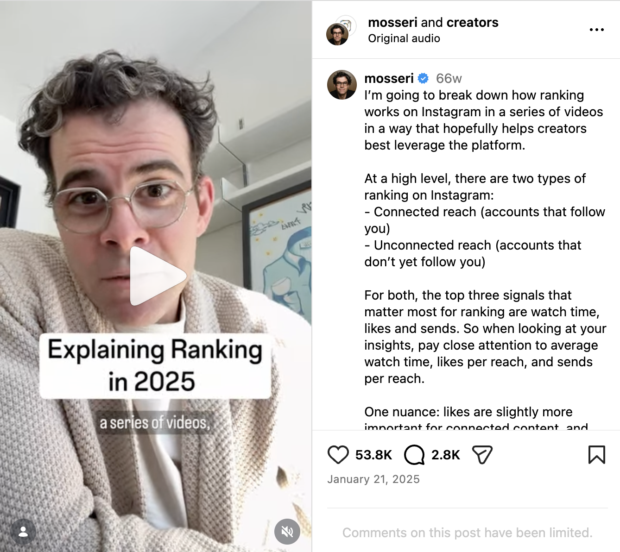
In 2026, Instagram’s algorithm prioritizes watch time, likes, and sends across its various surfaces, as affirmed by Head of Instagram, Adam Mosseri. The platform employs two primary ranking types:
- Connected Reach: Prioritizes content from accounts a user follows, with likes being a stronger signal for this audience.
- Unconnected Reach: Focuses on discovery, showing content from accounts a user doesn’t follow, with sends (direct shares) being a more significant indicator for broader distribution.
Instagram’s four-stage ranking process involves:
- Inventory: Gathering all eligible content.
- Filtering: Removing low-quality or violating content.
- Score Prediction: Estimating the likelihood of a user engaging with each piece.
- Ranking: Ordering content based on predicted scores.
Each Instagram surface has tailored signals:
- Feed Algorithm: Recency, frequency of interactions with a creator, direct messages, saves, profile visits, shares, and comments.
- Stories Algorithm: Taps forward/back, shares, replies, and profile visits.
- Reels Algorithm: Watch time, shares, comments, likes, use of trending audio, and content format (favoring Reels that keep users engaged).
- Explore Algorithm: Driven by content from accounts a user doesn’t follow but is likely to enjoy. Key signals include likes, saves, shares, comments, and profile visits, especially if the content is similar to what a user already engages with.
To excel on Instagram, brands must focus on creating visually compelling content that maximizes watch time and actively encourages meaningful engagement through likes, comments, and shares.
Facebook
The Facebook algorithm permeates all aspects of the platform, from the home feed to Stories, Reels, and Marketplace. Meta emphasizes that Facebook’s algorithm utilizes thousands of signals, adapting its weighting based on individual user behavior. For example, a user who rarely comments will have a comment weigh more heavily as an engagement signal than someone who comments frequently. Key ranking signals include:
- Predicted engagement (likelihood of likes, comments, shares).
- Connections (strength of relationship with the content creator).
- Content type (e.g., video often prioritized).
- Recency of the post.
- Positive and negative feedback (e.g., "hide post," "report").
X (formerly Twitter)
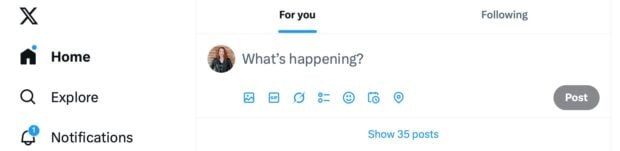
X presents two main feed options: "For You" and "Following." While the "Following" feed remains largely chronological (plus ads) from accounts a user follows, the "For You" tab is a curated mix. The "For You" algorithm blends content from followed accounts with recommendations based on:
- User engagement (likes, retweets, replies).
- Topic relevance (content similar to what a user interacts with).
- Connections (interactions with accounts similar to those a user follows).
- Recency of the post.
- Content creator’s reputation and past engagement.
These signals also influence X’s Explore page, including Trending posts and topic-specific feeds.
LinkedIn
LinkedIn’s algorithm has evolved significantly, particularly in 2025 and 2026, with a greater emphasis on video content and ensuring posts reach relevant professional audiences. Key ranking signals for LinkedIn include:
- Content Quality: Posts that offer genuine professional value, insights, or industry-specific information.
- Early Engagement: The algorithm closely monitors initial interactions (likes, comments, shares) within the first hour of posting.
- Connections: Posts from direct connections and individuals within a user’s professional network are often prioritized.
- Relevance: Content aligning with a user’s industry, job title, and stated interests.
- Recency: Newer posts are generally favored.
On LinkedIn, success hinges on creating high-quality, professional content that sparks meaningful discussions and demonstrates thought leadership.
TikTok
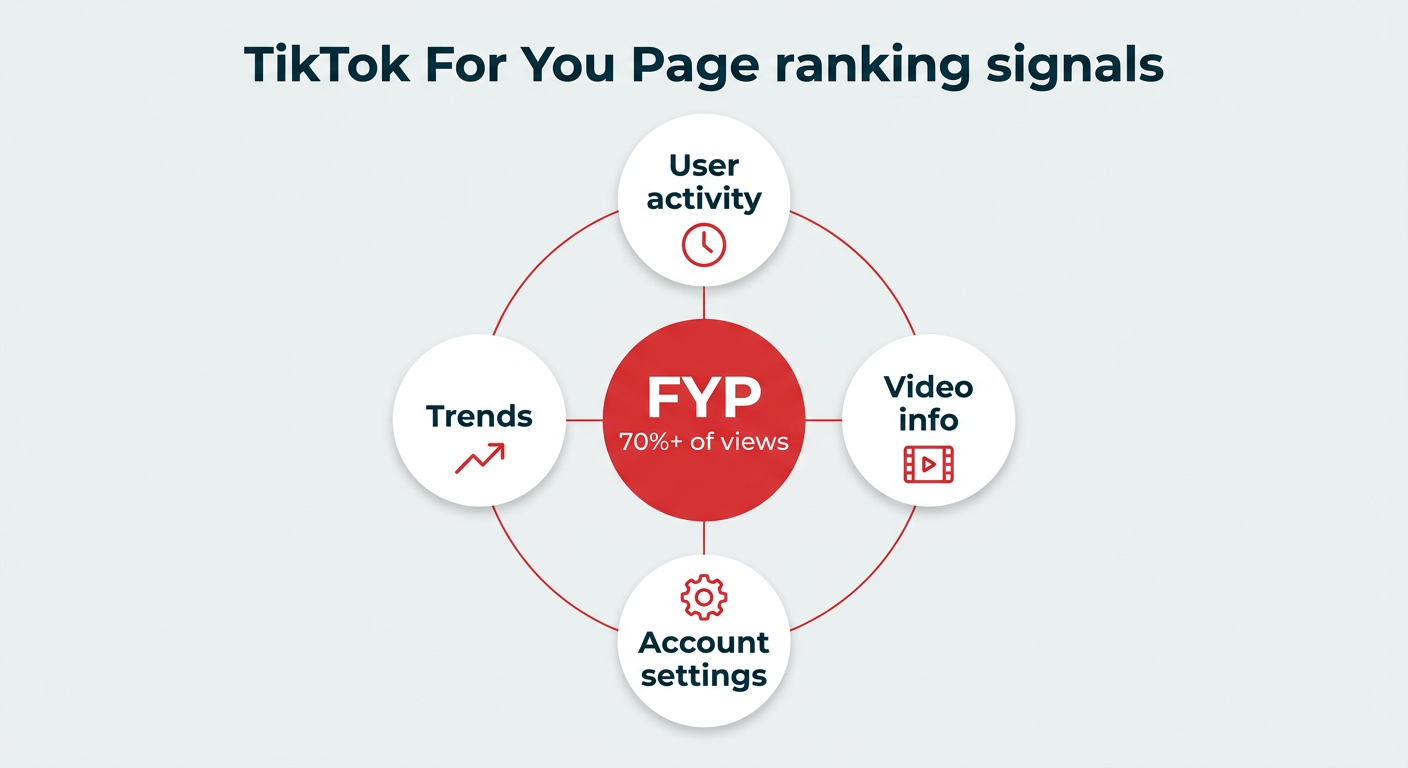
The TikTok algorithm stands apart by prioritizing discovery from strangers. Its "For You Page" (FYP) accounted for over 70% of video views by late 2025, serving a unique, hyper-personalized stream of short-form video. The FYP’s effectiveness lies in its ability to rapidly identify and deliver content based on subtle behavioral cues. Key ranking signals include:
- Watch Time: Crucially, how long a user watches a video, especially if they watch to completion or re-watch.
- User Activity: Past likes, comments, shares, accounts followed, and content searched for.
- Video Information: Hashtags, sounds, captions, and topic categories.
- Device and Account Settings: Language preference, country setting, device type (less impactful than engagement, but a factor).
TikTok rewards captivating content that maximizes watch time and engagement, often leveraging trending audio and relevant hashtags for broader discovery.
YouTube
YouTube’s algorithm is designed to keep users on the platform for as long as possible, serving deeply personalized video recommendations. With over 2.7 billion monthly active users, YouTube is the second most popular social network globally. The algorithm analyzes recent user behavior, including:
- Watch Time & Session Duration: The total amount of time a user spends watching videos and the length of their overall viewing session.
- Relevance: How well a video matches a user’s interests, past viewing history, and search queries.
- Views & Likes: Indicators of a video’s popularity and appeal.
- Subscribed Accounts: Content from channels a user has subscribed to.
- User Feedback: "Not interested" signals, likes/dislikes.
YouTube prioritizes compelling content that maintains viewer engagement and encourages further video consumption within the platform.
Pinterest
Pinterest’s visual search algorithms are a powerful tool for product discovery and inspiration, particularly in visually driven categories. Key ranking factors for Pinterest search include:
- Visual Relevance: The quality and clarity of images, and how well they match user search queries.
- Saves (Repins): A strong signal of user interest and content value.
- Clicks: Whether users click through to the original source.
- Search Terms: How well a Pin’s description, title, and tags align with user searches.
- User Interests: Personalized recommendations based on a user’s past Pins, boards, and searches.
Threads
As a text-first platform, Threads aims to foster discussions and engagement, offering both "Following" and "For You" feeds, alongside custom feeds. Threads suggests accounts based on mutual topic overlap and leverages its connection to Instagram and Facebook activity to personalize the experience. Top ranking signals for Threads include:
- Predicted Engagement: The likelihood of a user liking, commenting, or sharing a post.
- View Time: How long a user spends reading or interacting with a thread.
- Topic Overlap: Content related to subjects a user has shown interest in.
- Instagram/Facebook Activity: Potential cross-platform influence from Meta’s ecosystem.
Bluesky
Bluesky challenges conventional algorithms by defaulting to a chronological feed from followed accounts. Its core philosophy of "algorithmic choice" empowers users to create and subscribe to custom algorithmic feeds, of which there are over 50,000 community-generated options. This decentralization means traditional ranking signals don’t apply uniformly. Instead, relevancy and community connection are paramount. To grow on Bluesky, brands should:
- Build authentic community connections within niche groups.
- Create or engage with specific custom feeds relevant to their audience.
- Focus on high-quality, community-valued text-based content.
Reddit
Reddit’s algorithm uniquely integrates community moderation with traditional engagement signals. Key ranking signals include:
- Upvotes/Downvotes: Direct community feedback on content quality and relevance.
- Recency: Newer posts within a subreddit often receive initial visibility.
- Community Moderation: Subreddit-specific rules and moderator actions significantly impact content visibility.
- Comments: The quantity and quality of discussion generated.
Success on Reddit demands an understanding of each subreddit’s unique culture and guidelines, prioritizing content that genuinely resonates with the specific community.
Broader Impact and Implications of Algorithmic Dominance
The pervasive influence of social media algorithms extends beyond content visibility, shaping societal discourse, consumer behavior, and the very nature of digital interaction. For businesses, the algorithmic landscape presents a dual challenge and opportunity. While it demands continuous adaptation and tailored strategies for each platform, it also offers unprecedented potential for hyper-targeted reach and engagement if content is optimized effectively. The need for authentic engagement and valuable content has never been more critical, as algorithms increasingly penalize low-quality or manipulative tactics.
For users, the hyper-personalization driven by AI can lead to "filter bubbles" and "echo chambers," where individuals are primarily exposed to content that reinforces existing beliefs, potentially limiting exposure to diverse perspectives. This raises ethical considerations around algorithmic transparency and the responsibility of platforms to mitigate potential negative societal impacts.
For content creators, the algorithmic race is a constant marathon. The shift towards video, particularly short-form, driven by platform goals (e.g., competing with TikTok), means creators must be agile in adopting new formats and understanding evolving engagement metrics. The power of virality, while potent, is often fleeting, emphasizing the importance of building consistent value and community.
Frequently Asked Questions
How can enterprise brands optimize content for multiple social media algorithms at scale?
Enterprise brands can optimize content for multiple algorithms by focusing on universal ranking signals like watch time, authentic engagement, and content relevance, while developing platform-specific strategies. Utilizing a centralized social media management platform like Hootsuite allows brands to schedule posts tailored for each network’s preferred format and timing, track performance metrics across all channels, and iteratively adjust strategies based on data-driven insights. Consistent brand messaging, adapted creatively for each platform, is key.
What metrics should enterprise marketing teams track to measure algorithm performance?
Enterprise marketing teams should track a comprehensive suite of metrics to gauge algorithm performance, including:
- Reach: Both connected (followers) and unconnected (discovery) reach.
- Engagement Rate: Likes, comments, shares, saves, clicks, and replies relative to reach.
- Watch Time & Session Duration: For video content, the average time users spend viewing.
- Share Rate: The frequency with which content is shared.
- Follower Growth: Indicative of successful discovery and valuable content.
- Platform-Specific Signals: Such as "sends" on Instagram, "pin saves" on Pinterest, or comment quality on LinkedIn.
Hootsuite Analytics can centralize these metrics, providing a holistic view of performance and identifying which content types and strategies resonate most effectively across different algorithms.
How do social media algorithms impact paid advertising strategies?
Social media algorithms significantly influence paid advertising strategies by using similar ranking signals to determine ad performance and delivery. Content that performs well organically often translates to better ad performance, as platforms prioritize ads that generate engagement and watch time, offering more favorable ad placements and lower costs. Enterprise teams should strategically align their organic and paid content strategies, testing creative formats that succeed organically in paid campaigns to maximize return on investment (ROI) and achieve greater reach.
What role does AI play in how social media algorithms rank enterprise content?
AI plays a central and increasingly sophisticated role in how social media algorithms rank enterprise content. AI-powered machine learning models are responsible for predicting user behavior, personalizing feeds, detecting emerging trends, and even identifying content violations. These systems analyze thousands of signals in real-time to determine which content to show each user, constantly learning and evolving based on engagement patterns. Enterprise marketers must understand that AI-driven algorithms prioritize content that keeps users engaged on the platform longer, making authentic quality, relevance, and a deep understanding of audience needs more critical than ever before.
How often do social media algorithms change, and how should enterprise teams adapt?
Social media algorithms change frequently and continuously. Major platforms typically roll out significant updates to their ranking systems multiple times per year, alongside smaller, continuous adjustments. Enterprise teams must adapt by staying diligently informed through official platform announcements, monitoring performance metrics for any sudden shifts or anomalies, and maintaining flexibility in their content strategies. Rather than attempting to "game" specific, transient algorithm tricks, a sustainable approach involves consistently creating high-quality, engaging, and relevant content that aligns with universal ranking signals. This focus on enduring value ensures resilience against algorithmic shifts.
To effectively manage social media marketing strategies in this dynamic environment, tools that streamline content creation, scheduling, publishing, engagement tracking, and performance measurement are indispensable. Platforms like Hootsuite offer a unified dashboard to navigate these complexities, allowing brands to optimize their presence and achieve consistent growth across diverse social networks.