rifanmuazin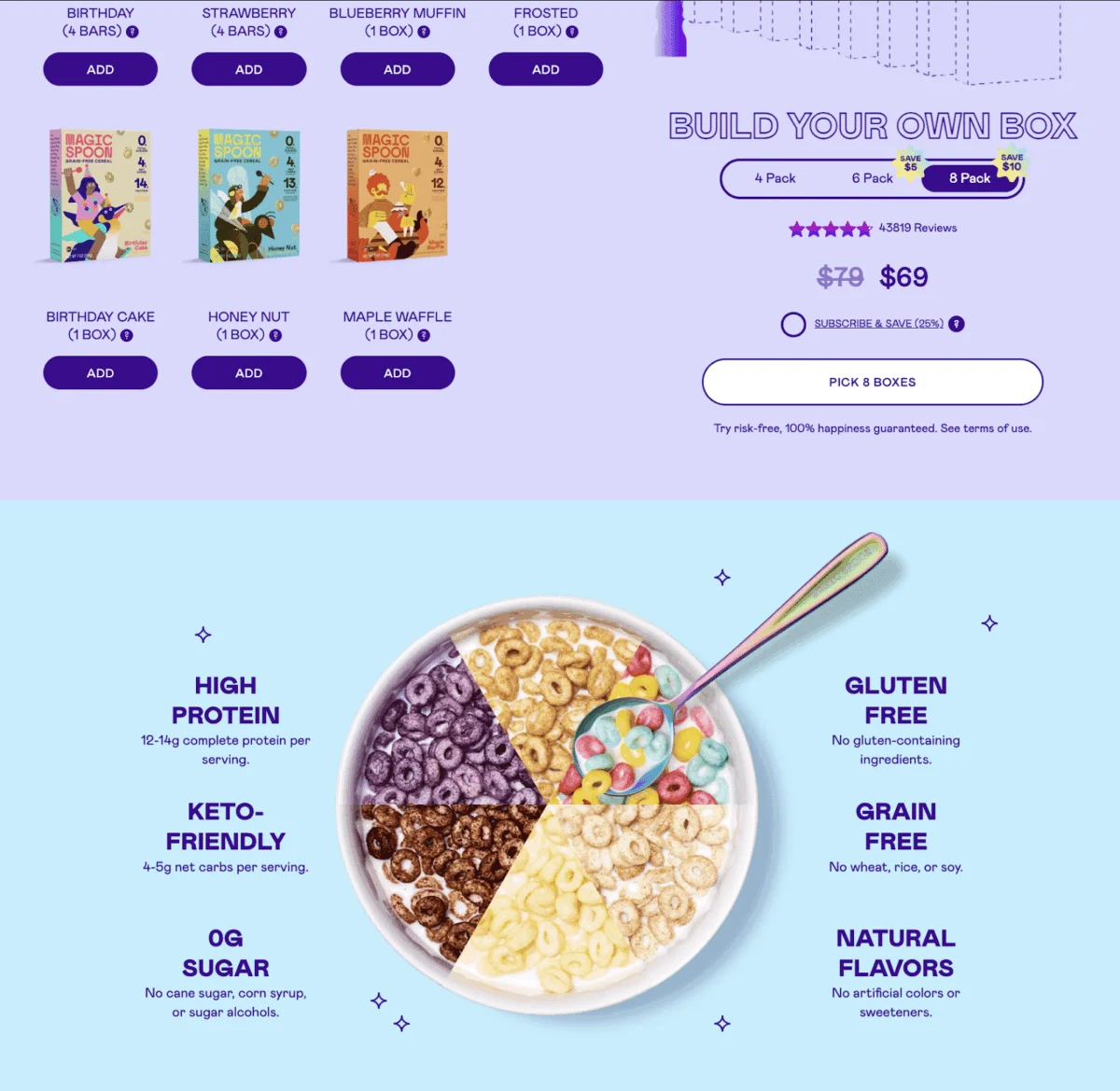
The digital marketplace has undergone a radical transformation over the last decade, shifting from a supplemental sales channel to the primary engine of global retail growth. At the heart of this evolution lies the e-commerce category page, a critical junction in the customer journey that often determines whether a visitor proceeds to a purchase or abandons the site entirely. Industry data suggests that while homepages serve as a brand’s digital front door, category pages function as the organized aisles of a high-end retail environment. When these pages are plagued by slow loading times, ineffective filters, or overwhelming layouts, the friction generated can lead to immediate abandonment. Conversely, a well-optimized category page provides a seamless bridge between initial interest and final conversion, serving as a powerful tool for both user satisfaction and revenue generation.
The Evolution of the Digital Aisle: A Brief Chronology
The role of the category page has shifted significantly since the early days of e-commerce. In the late 1990s and early 2000s, category pages were little more than static lists of hyperlinks. As web technologies advanced in the 2010s, retailers began implementing basic grid layouts and rudimentary sorting features. Today, the landscape is defined by "Discovery Commerce," where category pages are expected to be dynamic, personalized, and highly responsive.

According to market research, nearly 79% of all e-commerce sales are projected to originate from mobile devices by 2025. This shift has forced a fundamental redesign of the category experience, moving away from desktop-centric "mega-menus" toward "thumb-friendly" interfaces and faceted navigation. The modern category page is no longer just a list; it is a sophisticated data-driven environment designed to minimize cognitive load and maximize product relevance.
Defining Strategic Objectives and Performance Metrics
The first phase of developing an effective category page involves the establishment of clear, measurable objectives. Retailers must move beyond the vague goal of "increasing sales" and focus on specific Key Performance Indicators (KPIs) that reflect both user experience and business health.
Professional analysis identifies several critical metrics for category page performance:
- Bounce Rate: A high bounce rate on a category page often indicates a disconnect between the user’s search intent and the page content, or a failure in technical performance.
- Click-Through Rate (CTR) to Product Detail Pages (PDPs): This measures the effectiveness of product imagery and titles in enticing the user to learn more.
- Revenue Per Visitor (RPV): This comprehensive metric allows retailers to assess the financial value of every individual who lands on a category page.
- Time on Page vs. Depth of Scroll: These engagement metrics help determine if the layout is successfully holding the user’s attention.
To meet these objectives, industry leaders emphasize the importance of audience segmentation. By analyzing historical data and customer personas, brands can tailor the category experience to specific needs, such as "price-conscious shoppers" or "brand-loyal enthusiasts."
Layout Optimization and the Psychology of Browsing
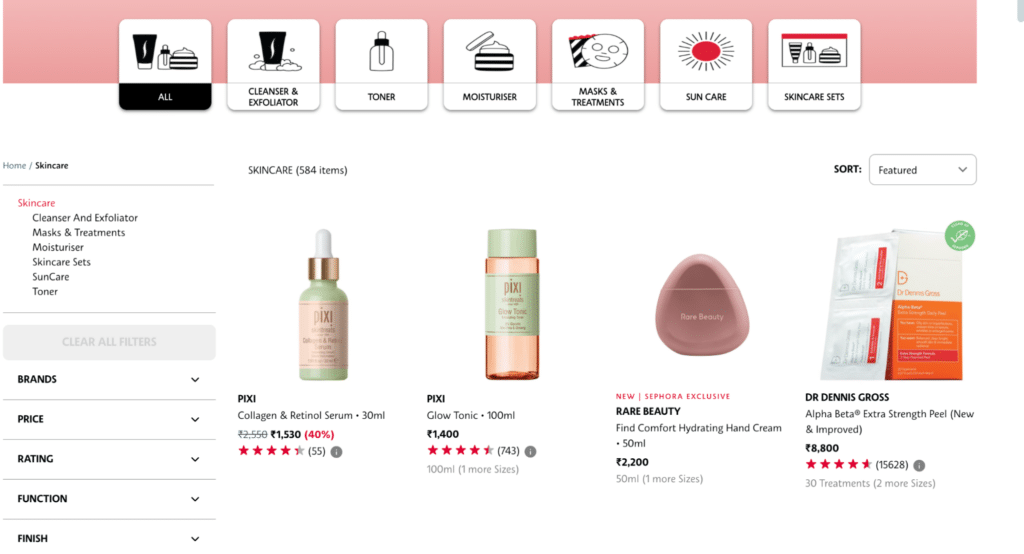
A category page’s layout is the primary driver of the user’s internal narrative. If the layout is cluttered, the user experiences "choice paralysis." Leading brands like Sephora and Glossier have mastered the art of the "clean grid," which balances information density with visual breathing room.
Clear Hierarchies and Headers
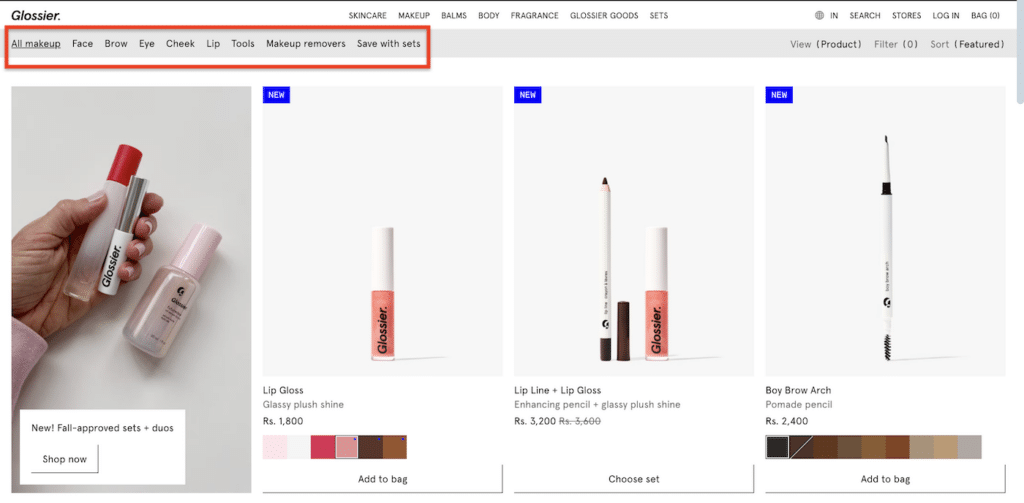
The header of a category page serves a dual purpose: navigation and Search Engine Optimization (SEO). Precise titles—such as "Skincare: Face" or "Women’s Running Shoes"—help users orient themselves instantly. Glossier, for instance, utilizes simple, non-technical terminology to ensure that even novice shoppers can navigate their catalog without confusion. This clarity reduces the "interaction cost" and keeps the user moving forward in the sales funnel.
Faceted Navigation and Intelligent Filtering
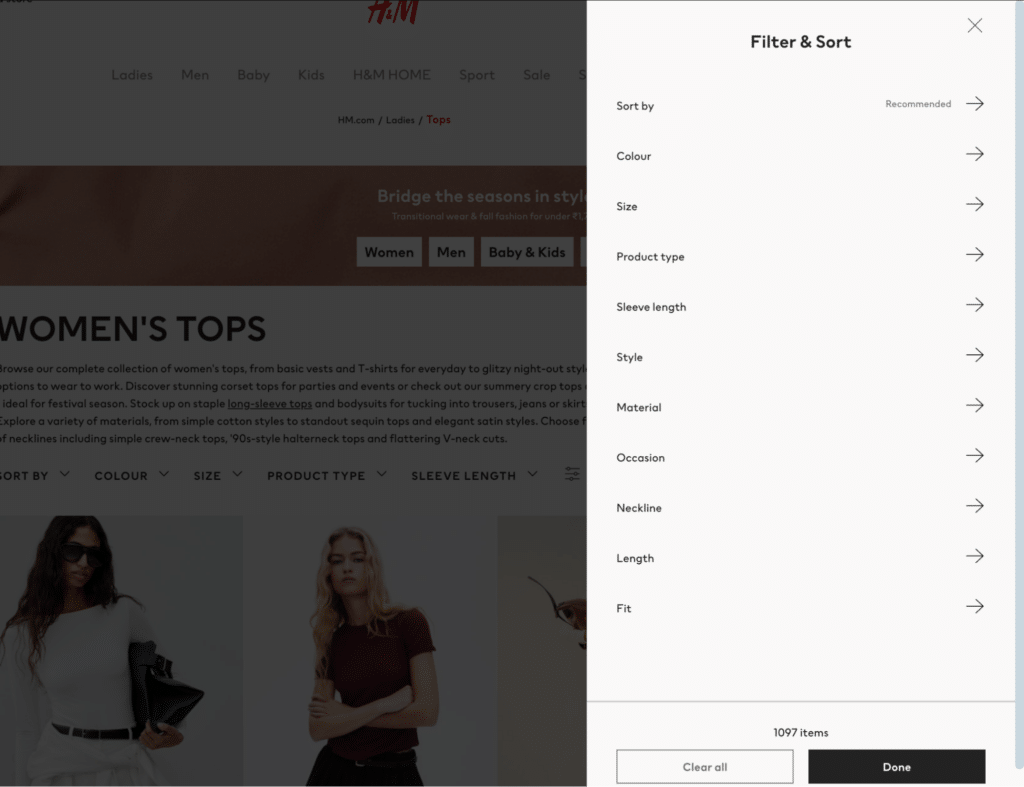
In an era where consumers are accustomed to instant gratification, the ability to narrow down hundreds of products into a handful of relevant options is non-negotiable. H&M provides a benchmark in this area, offering filters that go beyond size and price to include material type, occasion, and even neckline style. Research from the Baymard Institute suggests that sites with "faceted navigation"—filters that update dynamically without a full page reload—see significantly higher retention rates.
High-Fidelity Product Listings
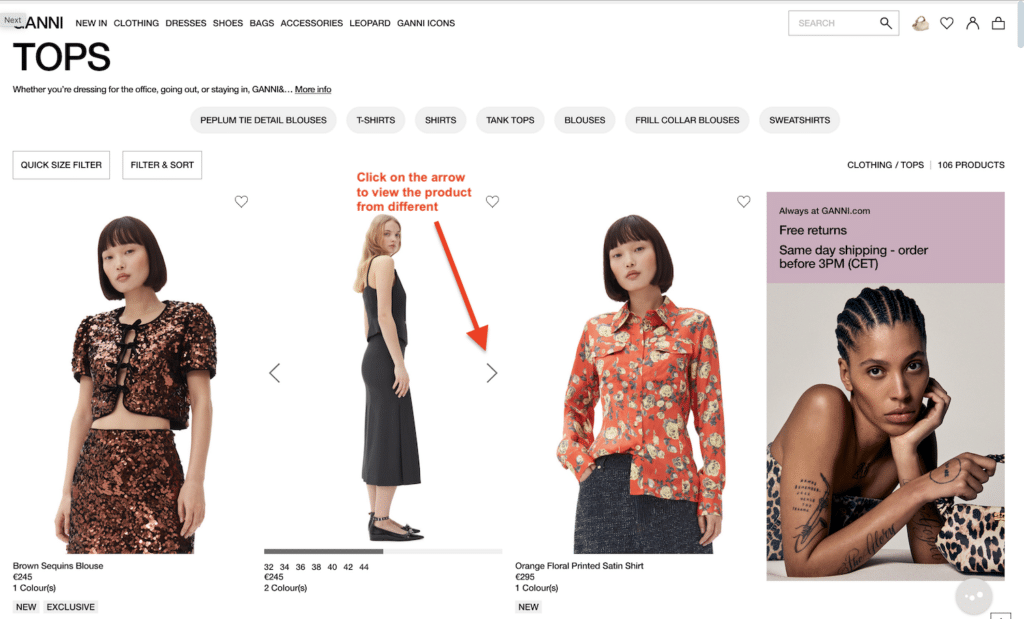
The visual representation of products on a category page must provide enough information to facilitate a decision without requiring a click to the product page. High-quality, zoomable images and "hover-to-view" features allow users to inspect details quickly. Ganni, a contemporary fashion brand, utilizes multi-angle shots directly within the category grid, allowing the shopper to appreciate the garment’s fit and fabric immediately. This approach shortens the path to purchase and reduces the likelihood of "pogo-sticking" (jumping back and forth between the category page and individual product pages).
Enhancing User Experience Through Technical Excellence
Beyond aesthetics, the technical performance of a category page is a primary determinant of its success. Google’s Core Web Vitals have made it clear that page speed is not just a user experience factor, but a ranking factor. A delay of even one second in page load time can lead to a 7% reduction in conversions.
Navigation and Breadcrumbs
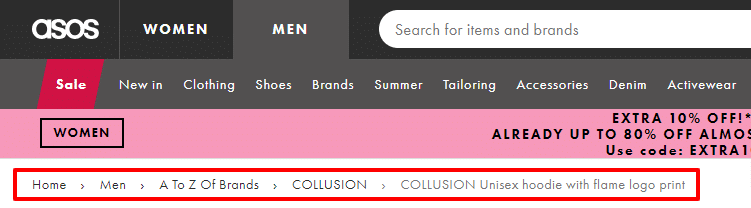
Effective user experience (UX) design requires that a shopper always knows where they are and how to get back. Breadcrumb trails provide a visual map of the site hierarchy, allowing users to jump back to broader categories with a single click. For long-scroll category pages, "Back to Top" buttons and sticky headers are essential tools that prevent user frustration.
Mobile Responsiveness
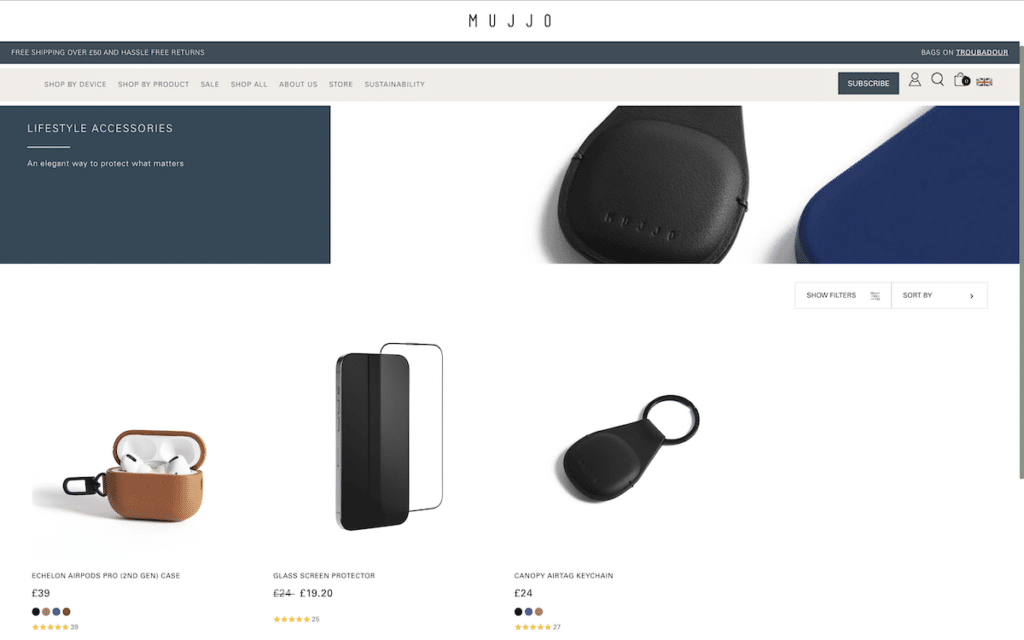
With the majority of traffic moving to mobile, "responsive design" is no longer an optional feature. Mobile category pages must prioritize vertical space, utilizing collapsible filter menus and large, tappable Call-to-Action (CTA) buttons. Mujjo, a premium tech accessory brand, exemplifies this by using a minimalist design that emphasizes white space, ensuring that even on smaller screens, the product remains the focal point.
Content Strategy: Beyond the Product Grid
The most successful e-commerce category pages incorporate "Engaging Content" that serves both the customer and search engine algorithms. This includes strategic category descriptions and promotional callouts.
Strategic Descriptions
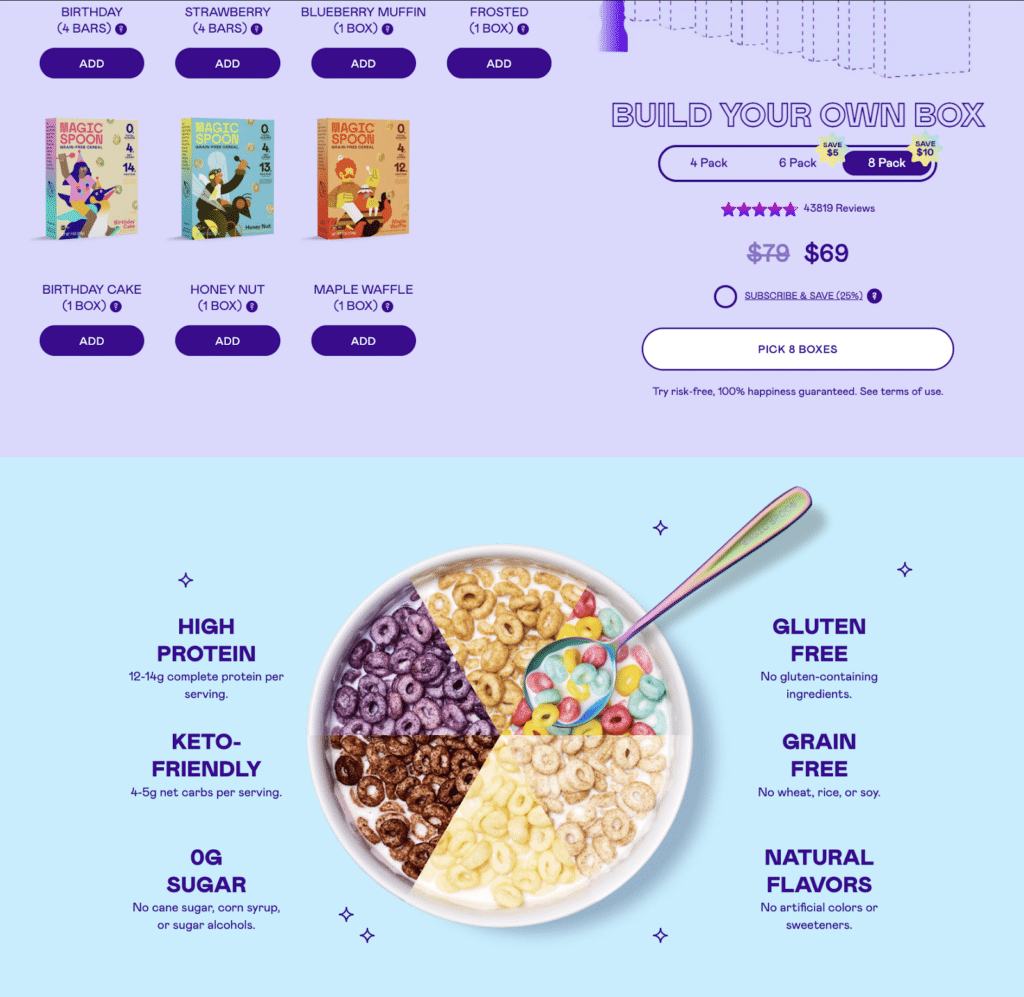
Category descriptions should be more than just a block of text at the bottom of the page. They should be written to provide value, incorporating relevant keywords while maintaining a brand voice. Magic Spoon, a high-protein cereal brand, uses SEO-friendly terms like "keto-friendly" and "healthy cereal" within their descriptions, ensuring they capture high-intent search traffic while reinforcing their unique selling proposition.
Promotional Psychology
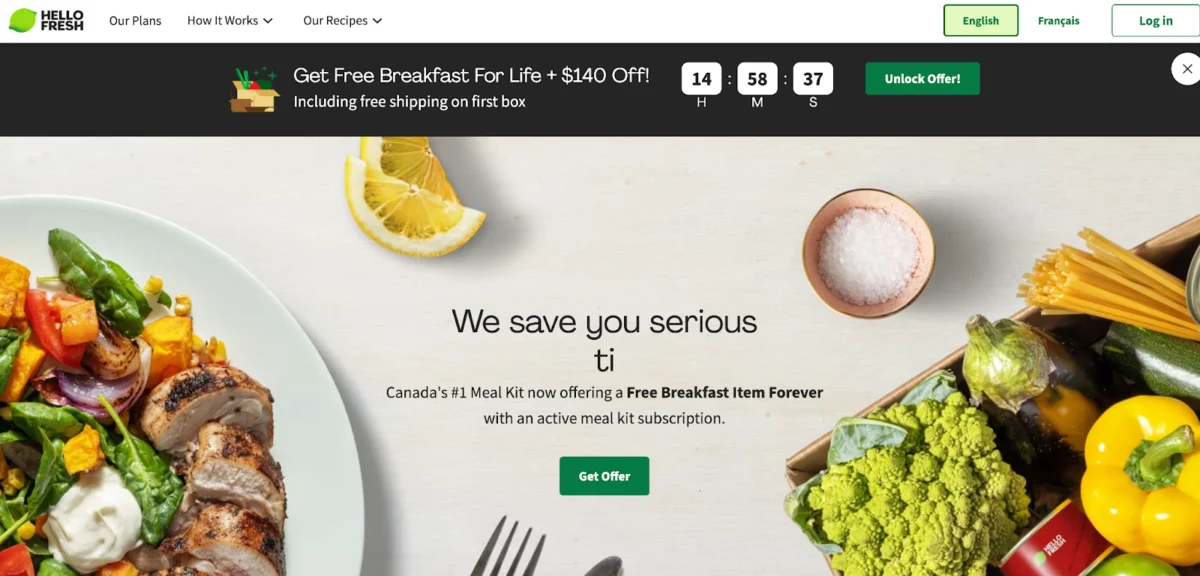
The category page is an ideal location for "nudges"—small psychological triggers that encourage action. ASOS strategically places limited-time discount banners at the top of specific category pages. By using language like "While stocks last" or "Limited time only," they leverage the principle of scarcity to drive immediate conversions. Furthermore, highlighting "Free Delivery" or "Easy Returns" at the category level can remove common barriers to purchase before the user even selects a product.
Search Engine Optimization (SEO) Best Practices
For many e-commerce sites, category pages are the most important pages for organic search traffic. Unlike product pages, which target specific model names, category pages target broader "head terms" that have significantly higher search volumes.
Keyword Integration
The process begins with robust keyword research using tools like SEMrush or Google Keyword Planner. A retailer selling footwear would not just target "shoes," but would optimize specific category pages for "women’s leather flats" or "waterproof hiking boots." These long-tail, category-specific keywords often have a higher conversion intent than broader terms.
On-Page Elements
Every category page must have an optimized title tag and meta description. These elements are the first thing a user sees in the Search Engine Results Pages (SERPs) and act as a "digital billboard." Additionally, "Alt Text" for images and descriptive file names ensure that the site’s visual content is indexable and accessible.
Data-Driven Iteration: The "Analyze and Adjust" Cycle
The launch of a category page is not the end of the process, but the beginning of a cycle of continuous improvement. Professional e-commerce managers utilize conversion rate optimization (CRO) tools to gather qualitative and quantitative data.
Heatmaps and Session Replays
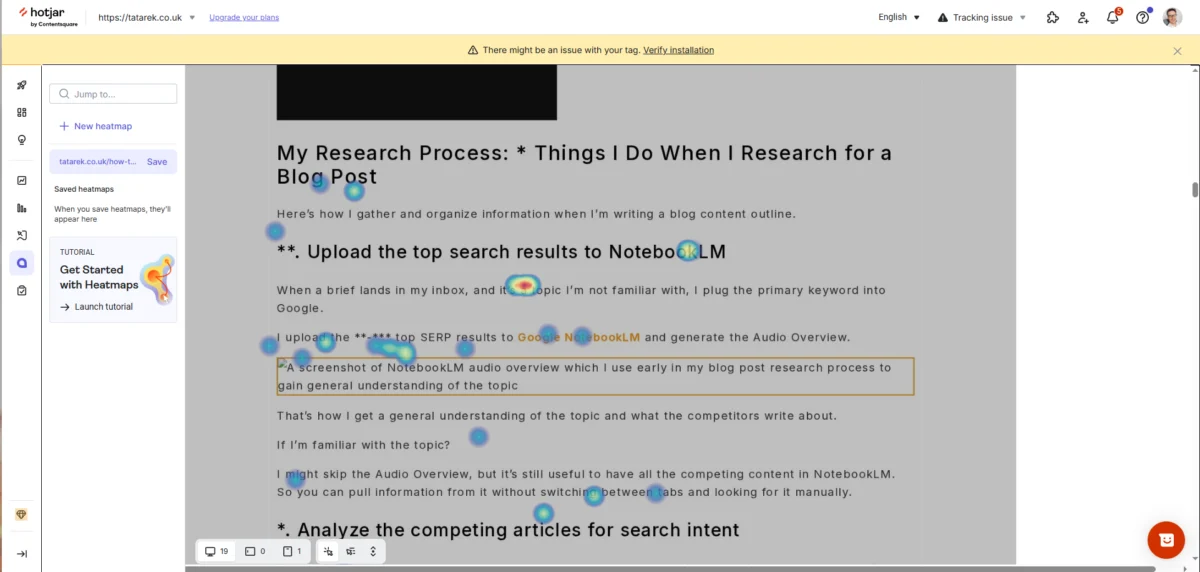
Tools like FigPii allow retailers to see exactly where users are clicking and how far they are scrolling. If a heatmap reveals that users are frequently clicking on a non-clickable image, it indicates a design flaw. If session replays show users struggling with a specific filter, it highlights a functional issue that needs immediate attention.
A/B Testing
Rigorous A/B testing is the gold standard for category page optimization. Retailers might test two different grid layouts (e.g., three products per row vs. four) or different CTA colors. By making decisions based on statistical significance rather than intuition, brands can incrementally increase their conversion rates over time.
Implications for the Future of Retail
As the e-commerce landscape continues to mature, the category page will remain a cornerstone of the digital shopping experience. The integration of Artificial Intelligence (AI) is already beginning to allow for "hyper-personalization," where the order of products on a category page changes in real-time based on the individual user’s browsing history and preferences.
In conclusion, an effective e-commerce category page is a sophisticated blend of psychology, design, and technical engineering. By defining clear objectives, optimizing for mobile, leveraging SEO, and committing to a data-driven approach, retailers can transform their category pages from simple directories into high-performance conversion engines. In the increasingly competitive world of online retail, the difference between a thriving business and a struggling one often comes down to the quality of the "digital aisle."