rifanmuazin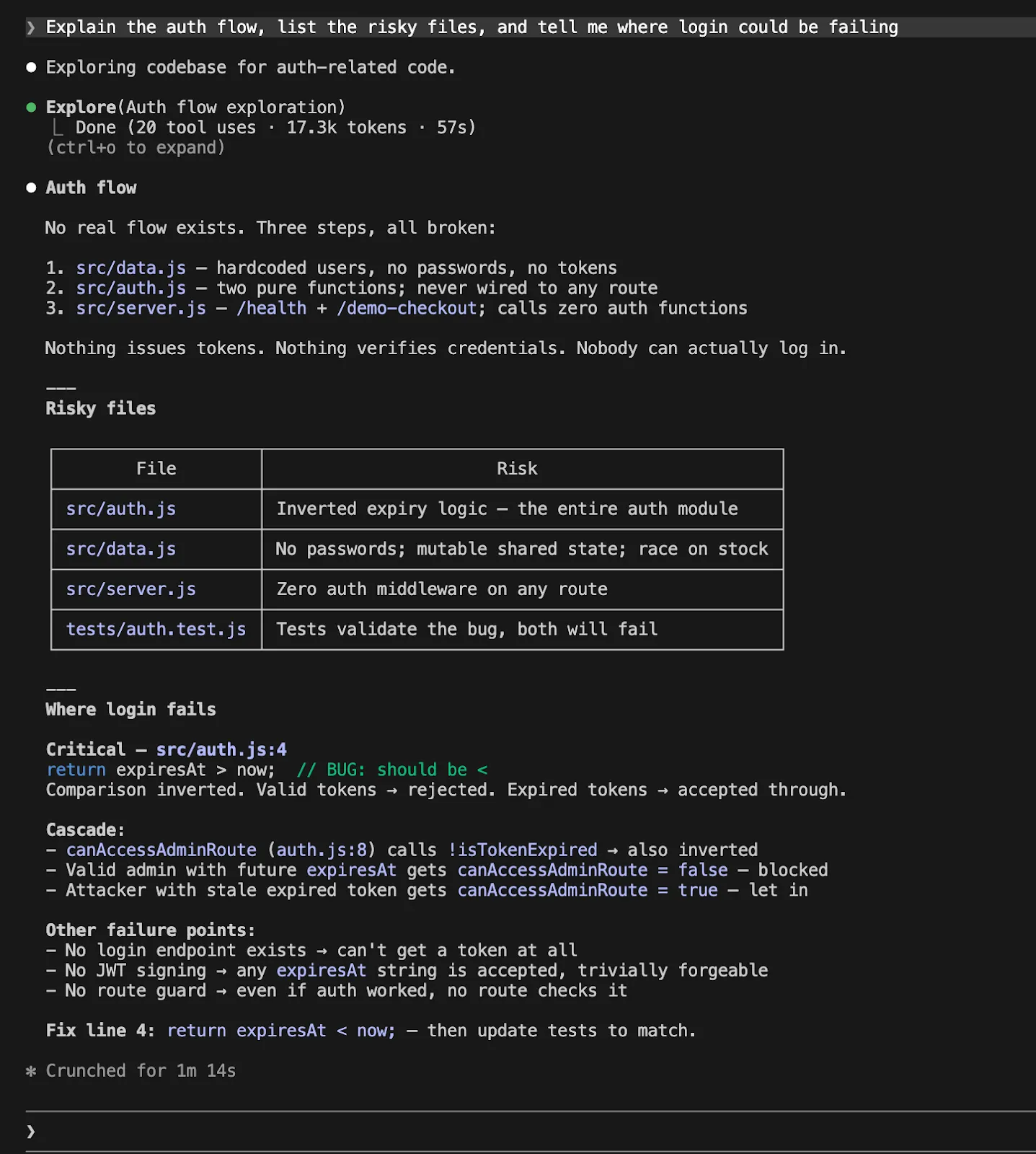
The landscape of software development is undergoing a fundamental shift as artificial intelligence transitions from simple autocomplete suggestions to fully autonomous agents. While early iterations of AI coding assistants focused on predicting the next line of code, the current generation of tools, led by Anthropic’s Claude Code and OpenAI’s Codex ecosystem, represents a move toward comprehensive agency. These tools are no longer confined to a side-panel in an Integrated Development Environment (IDE); they are now capable of reading entire repositories, executing terminal commands, editing multiple files simultaneously, and iterating toward complex project outcomes.
The competition between Claude Code and Codex is not merely a battle of underlying large language models (LLMs). Instead, it is a clash of workflow philosophies. Claude Code emphasizes a unified, agent-led loop that prioritizes intuition and developer flow, while Codex focuses on a distributed, highly configurable system that integrates across command-line interfaces (CLI), cloud workflows, and delegated tasks. As engineering teams look to integrate these agents into their daily operations, understanding the nuances of control, safety, and architectural approach is becoming essential for maintaining focus and productivity within real-world repositories.
The Technological Shift: From Suggestions to Agency
The evolution of AI coding began in earnest with the 2021 launch of OpenAI’s Codex, which initially served as the engine for GitHub Copilot. In those early stages, the tool was primarily a "stochastic parrot" for code snippets. However, the release of more sophisticated models like GPT-4o and Claude 3.5 Sonnet has enabled the development of "agentic" frameworks. These frameworks allow the AI to interact with the file system and the shell, effectively acting as a junior developer or a highly advanced pair programmer.
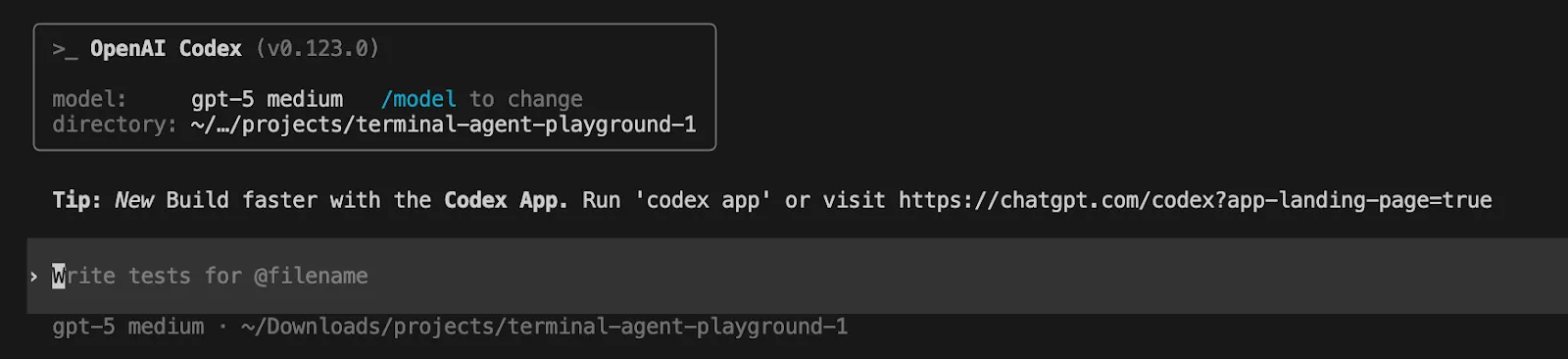
Claude Code and the modern Codex CLI represent the culmination of this trend. Both tools require Node.js for installation and operate directly within the developer’s terminal. For Codex, the installation is handled via npm with the command npm i -g @openai/codex, followed by authentication through an OpenAI API key. Claude Code follows a similar path, installed via npm install -g @anthropic-ai/claude-code and authenticated through an Anthropic account.
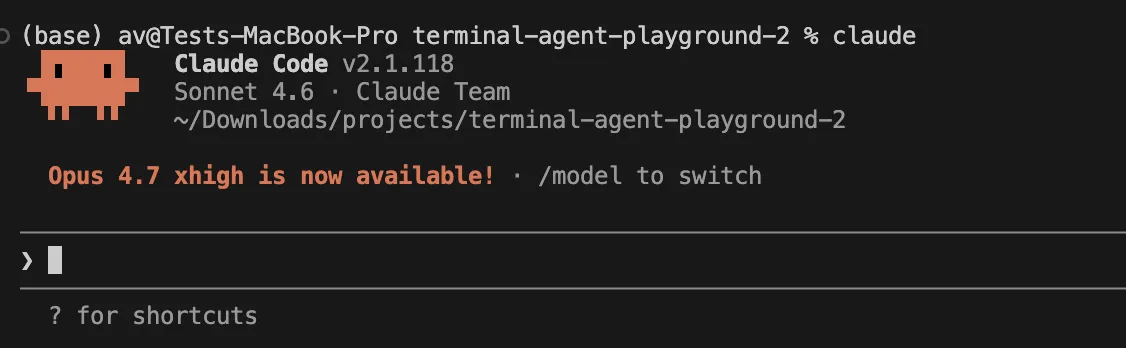
Despite their similar installation paths, the initial user experience diverges immediately. Claude Code is designed to feel like an assisted partner. Upon entering a repository, it seeks to understand the codebase’s structure, suggest a plan of action, and proceed with checkpoints that require human permission. Codex, conversely, presents itself as a configurable runtime. Its focus is on policies, worktrees, and cloud delegation, appealing to developers who prefer to design a system of automation rather than interact with a guided assistant.
Chronology of Development and Market Context
The development of these tools follows a clear timeline of increasing autonomy. Following the initial success of IDE extensions, developers began demanding tools that could operate outside the "sandbox" of the editor to perform tasks like running tests and managing deployments.
- 2021–2022: The rise of LLM-powered autocomplete (GitHub Copilot, Tabnine).
- 2023: The emergence of open-source agentic experiments such as AutoGPT and BabyAGI, which demonstrated the potential for LLMs to use tools.
- 2024: The introduction of "Repo-Aware" assistants. Anthropic and OpenAI began refining how models ingest entire codebases rather than single files.
- 2025 (Current Era): The launch of dedicated CLI agents. Claude Code enters the market with a focus on a "unified session" model, while Codex expands into a "distributed system" model.
Market data suggests that the adoption of these agents is accelerating. According to recent industry surveys, over 70% of professional developers now use some form of AI assistant, but the shift toward CLI-based agents is particularly prevalent among senior engineers and DevOps specialists who require deep integration with system tools and version control.
Repository Instructions: CLAUDE.md vs. AGENTS.md
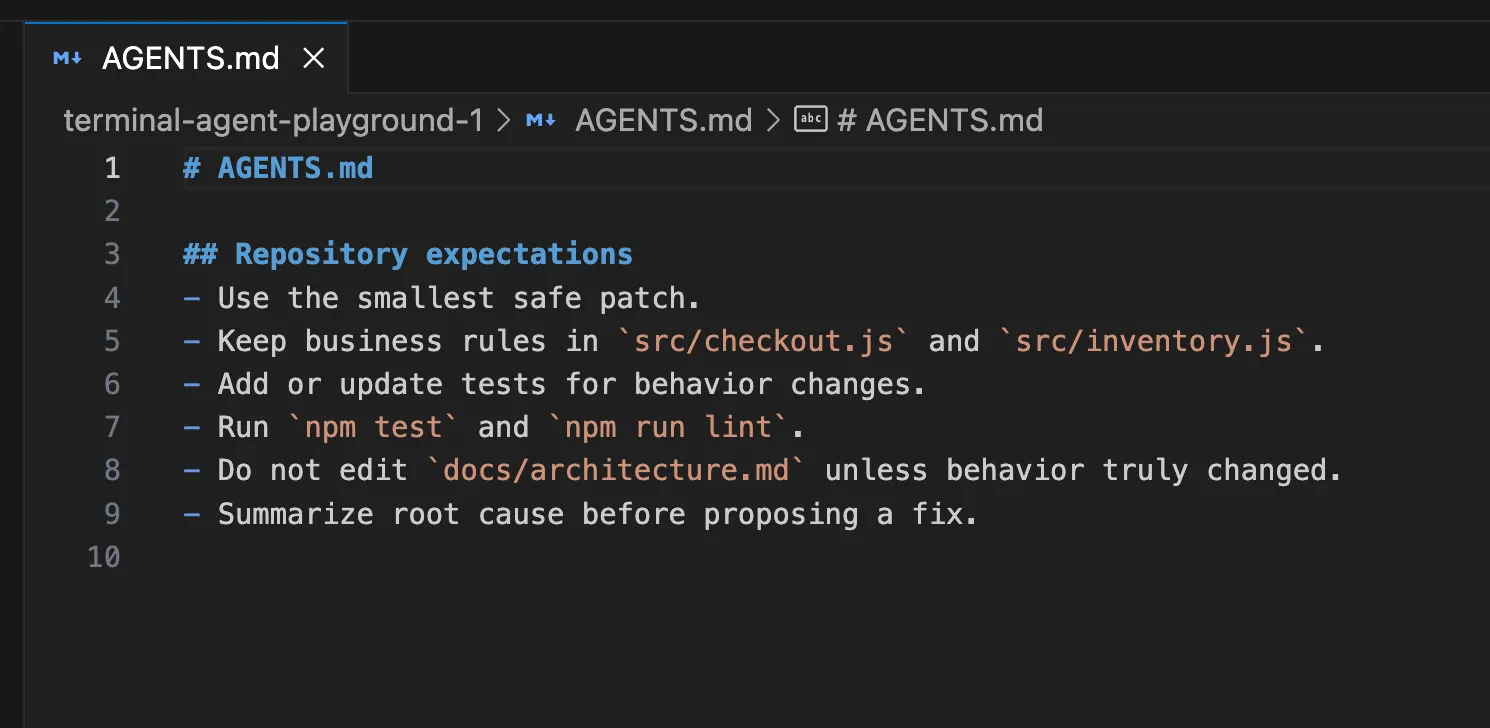
One of the most significant differences between the two platforms lies in how they handle persistent instructions. For any AI agent to be effective over the long term, it must adhere to project-specific standards, such as linting rules, architectural patterns, and testing protocols.
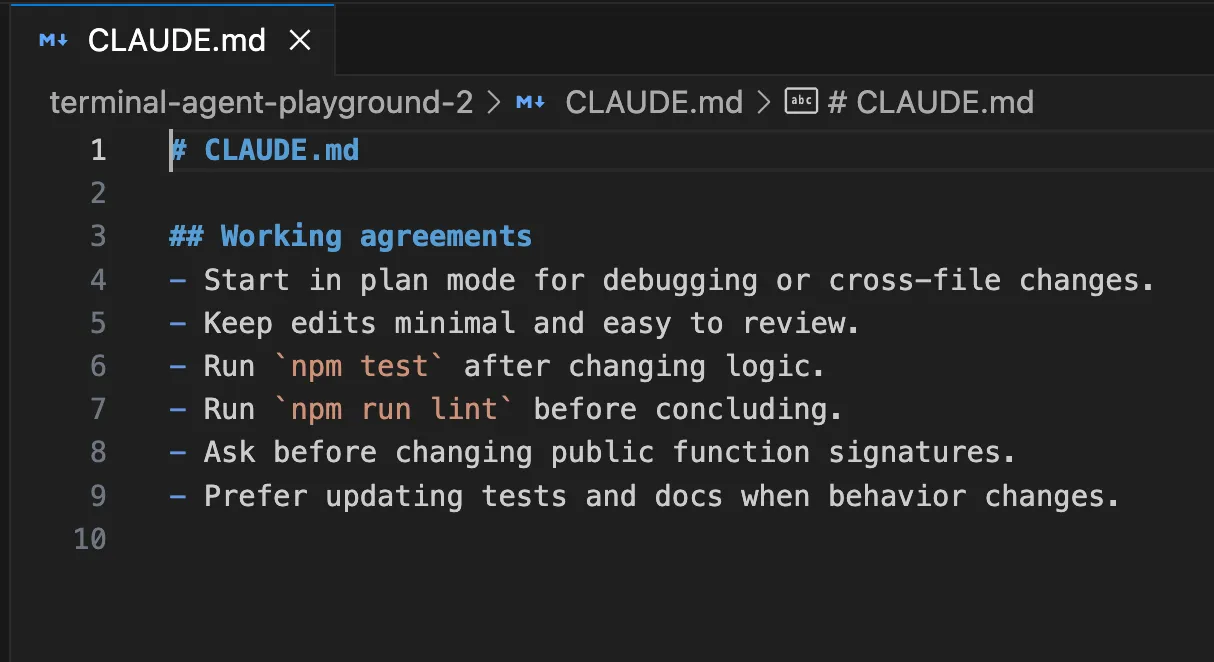
Claude Code utilizes a file named CLAUDE.md. This file is loaded at the start of every session, serving as the "source of truth" for the agent. It is intended to house the rules that a developer does not want to repeat constantly. Complementing this is an "auto-memory" system, where the agent takes notes on user preferences, build commands, and debugging hints discovered during active sessions.
Codex employs a more hierarchical approach using AGENTS.md. While it serves a similar purpose to CLAUDE.md, the Codex system allows for greater granularity. Developers can maintain a global configuration in a root directory (e.g., ~/.codex/AGENTS.md), project-specific instructions, and even sub-overrides for specific modules. This reflects Codex’s philosophy of "system-oriented" workflow, where the agent is a component of a larger, managed environment.
Safety and Permission Architectures
As AI agents gain the ability to run commands and edit files, safety has become the primary concern for engineering leads. The two tools approach this through different permission models.
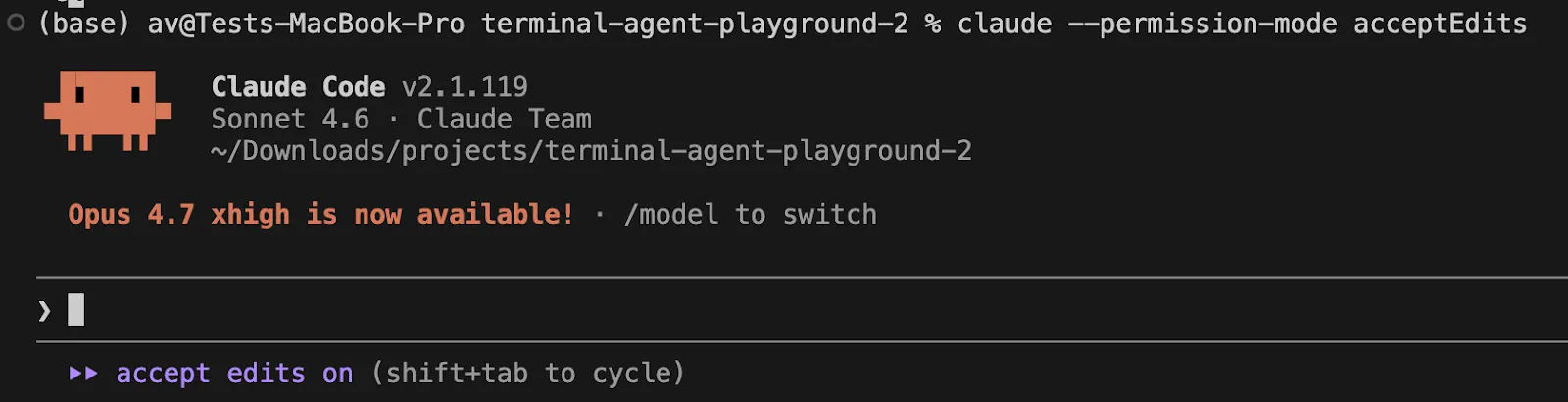
Claude Code uses descriptive interaction modes:
- Plan Mode: Allows the agent to propose changes without touching source code.
- AcceptEdits Mode: Streamlines the process for safe file modifications.
- Auto Mode: A research-level feature that uses an extra classifier to determine which actions require human oversight.
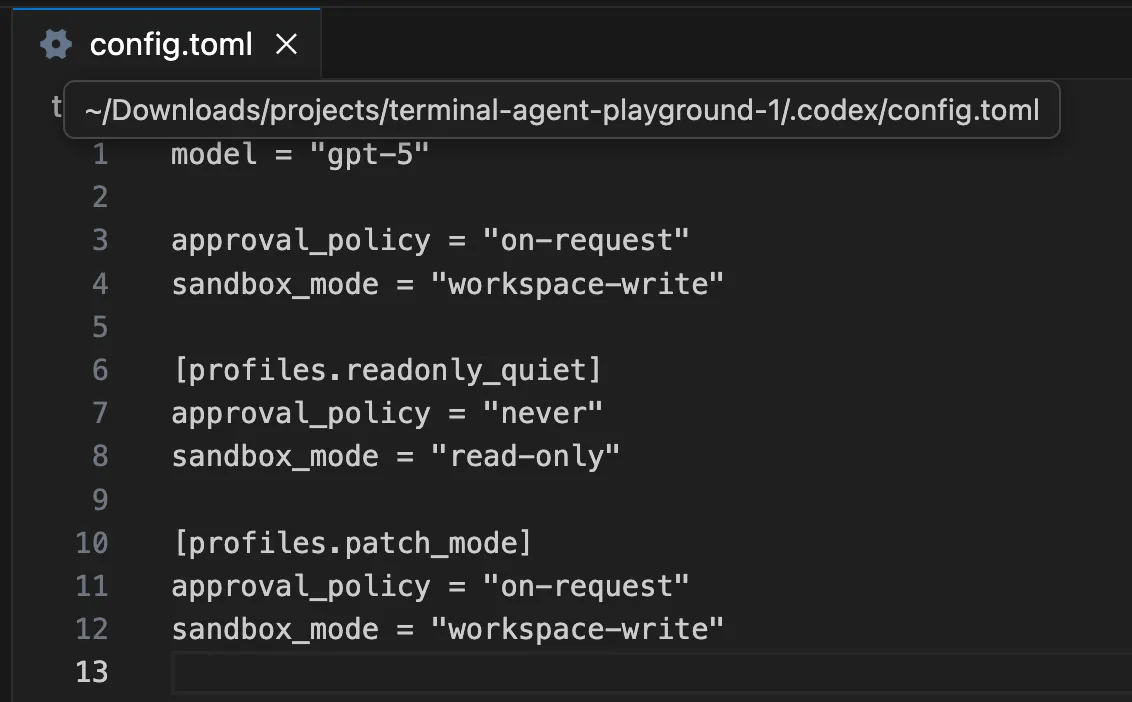
Codex, by contrast, relies on a "Sandbox and Approval Policy" framework. This is typically configured via a config.toml file. This approach allows developers to define "read-only" profiles for initial audits or "restricted networking" profiles for sensitive environments. While Claude Code treats safety as an interaction pattern (asking as it goes), Codex treats it as a system configuration (setting the boundaries before work begins).
A standout feature in Claude Code is the /rewind command. Every user-prompted change creates a persistent checkpoint. If an agent makes a mistake or an experiment fails, the developer can restore the code, the conversation, or both to a previous state. Codex addresses this through "worktrees," allowing the agent to work in isolation on a separate branch of the repository, which the developer then inspects through a dedicated review pane.
Practical Application: The Bug-Fixing Loop
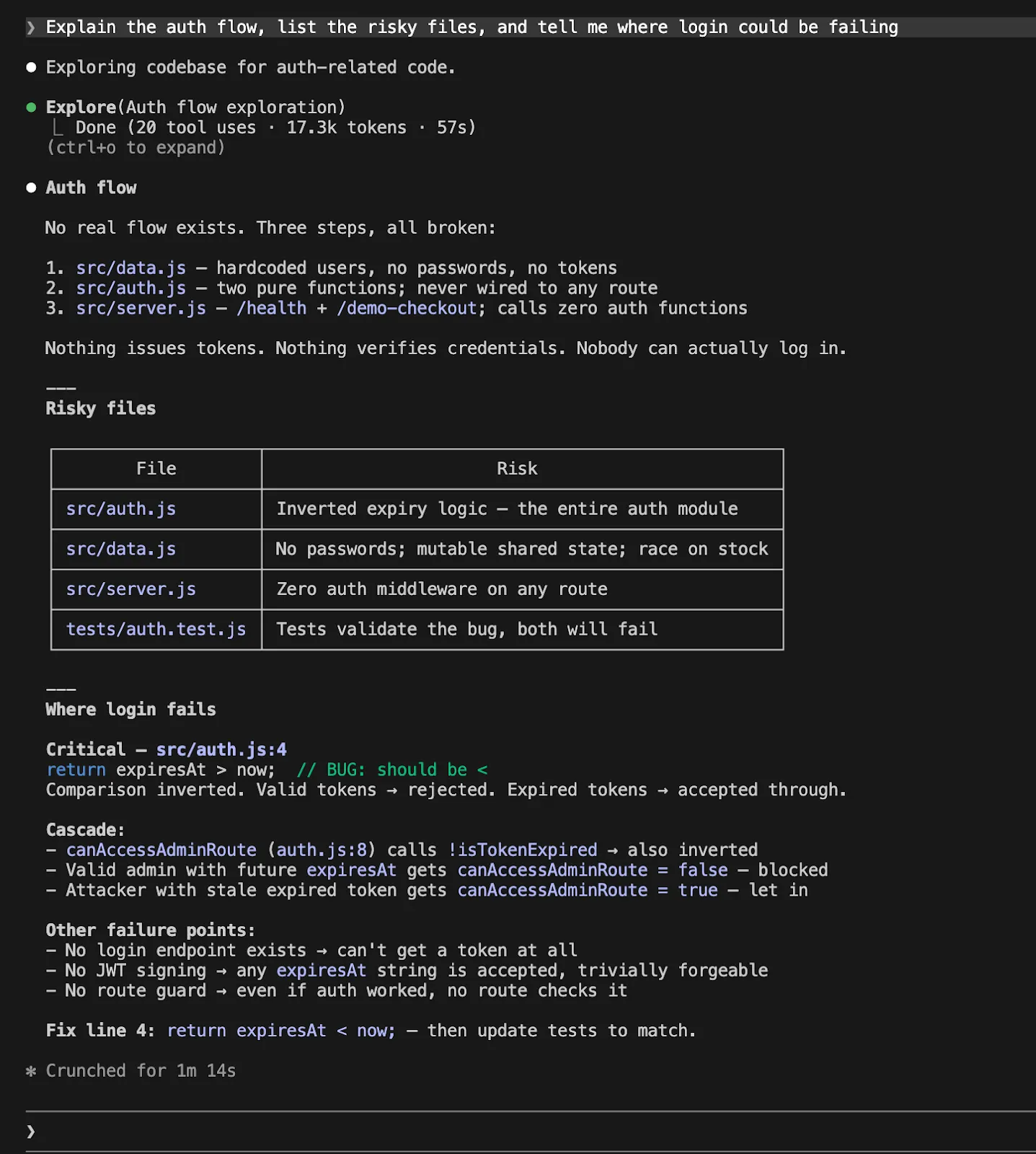
To understand the impact of these different philosophies, one must look at how they handle a standard debugging task. In a scenario where a checkout test is failing, the workflows diverge significantly.
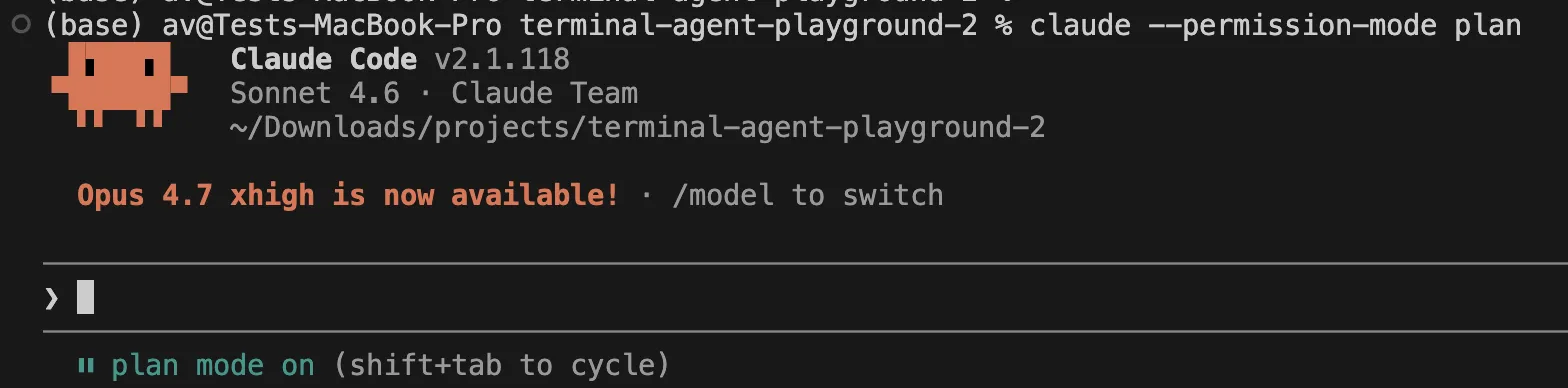
In the Claude Code environment, a developer might issue a broad prompt: "Find why the checkout is failing, identify a fix, and run the tests." The agent typically responds by leaning into the "flow," proposing a step-by-step plan that the user approves in real-time. It feels like a collaborative effort where the agent leads the investigation.
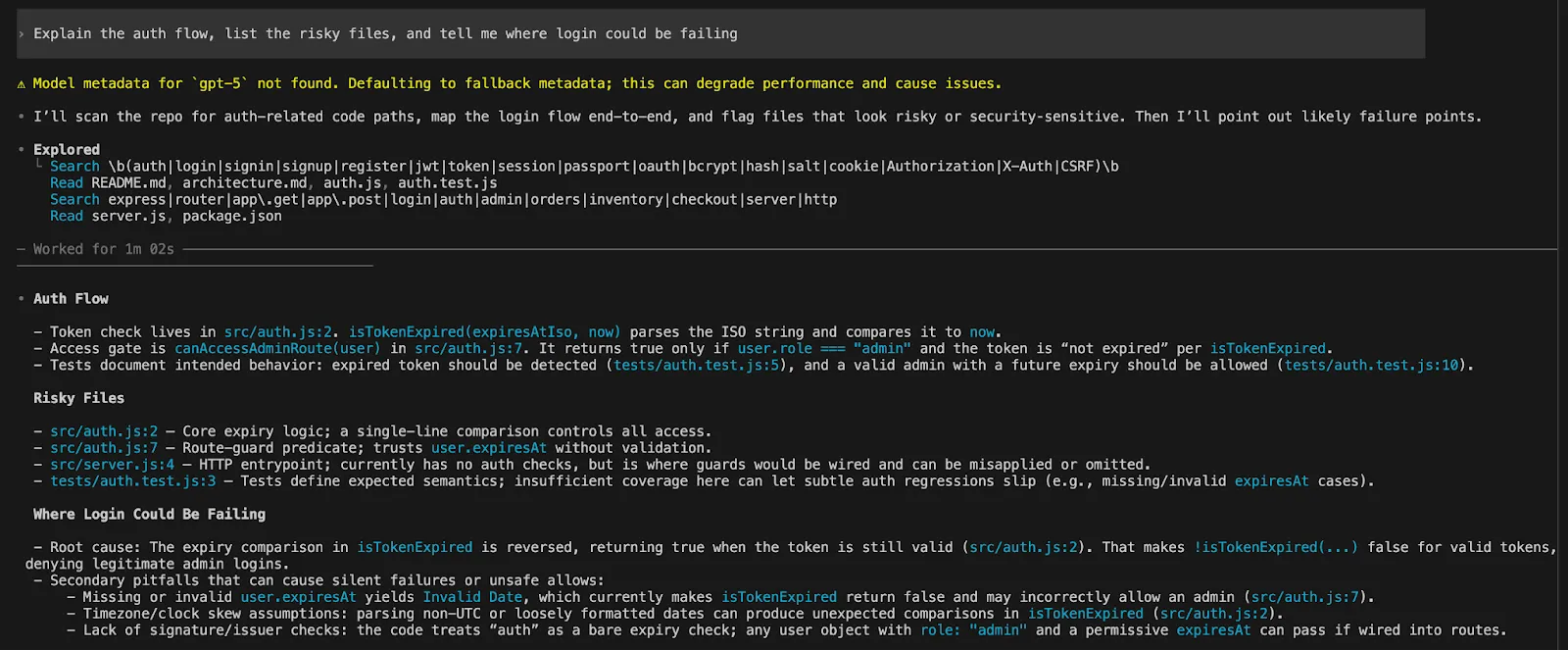
In the Codex environment, the prompt often becomes more explicit: "Investigate the failure, patch only required files, and show me the diff for review." The developer acts more like an orchestrator, managing the agent’s scope and carefully inspecting the output in a structured review environment. This "explicit scope" model is often preferred in enterprise settings where audit trails and minimal diffs are mandatory.
Extensibility through Skills and Hooks
For advanced users, the ability to build reusable workflows is a key differentiator. Both tools support the concept of "skills."
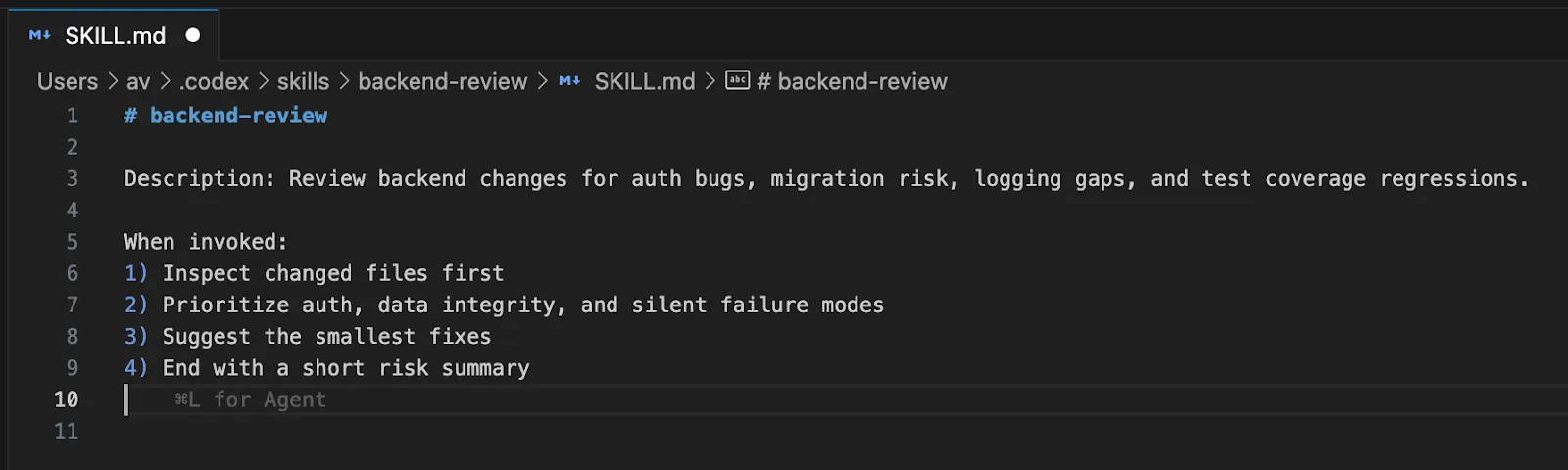
Claude Code uses SKILL.md files. Anthropic’s implementation allows Claude to automatically invoke these skills when it recognizes a relevant task, such as a PR review or a staging deployment. It also supports shell hooks that can trigger formatting or linting automatically before or after an agent action.
Codex’s approach to skills is built on "progressive disclosure." It loads only the metadata for a skill initially, pulling the full instructions only when the skill is activated. This keeps the context window lean. Codex also features a built-in "skill-creator" and experimental hooks, positioning itself as a platform that developers can program to suit their specific infrastructure.
Analysis of Implications and Industry Impact
The divergence between Claude Code and Codex represents two possible futures for the software engineering profession.
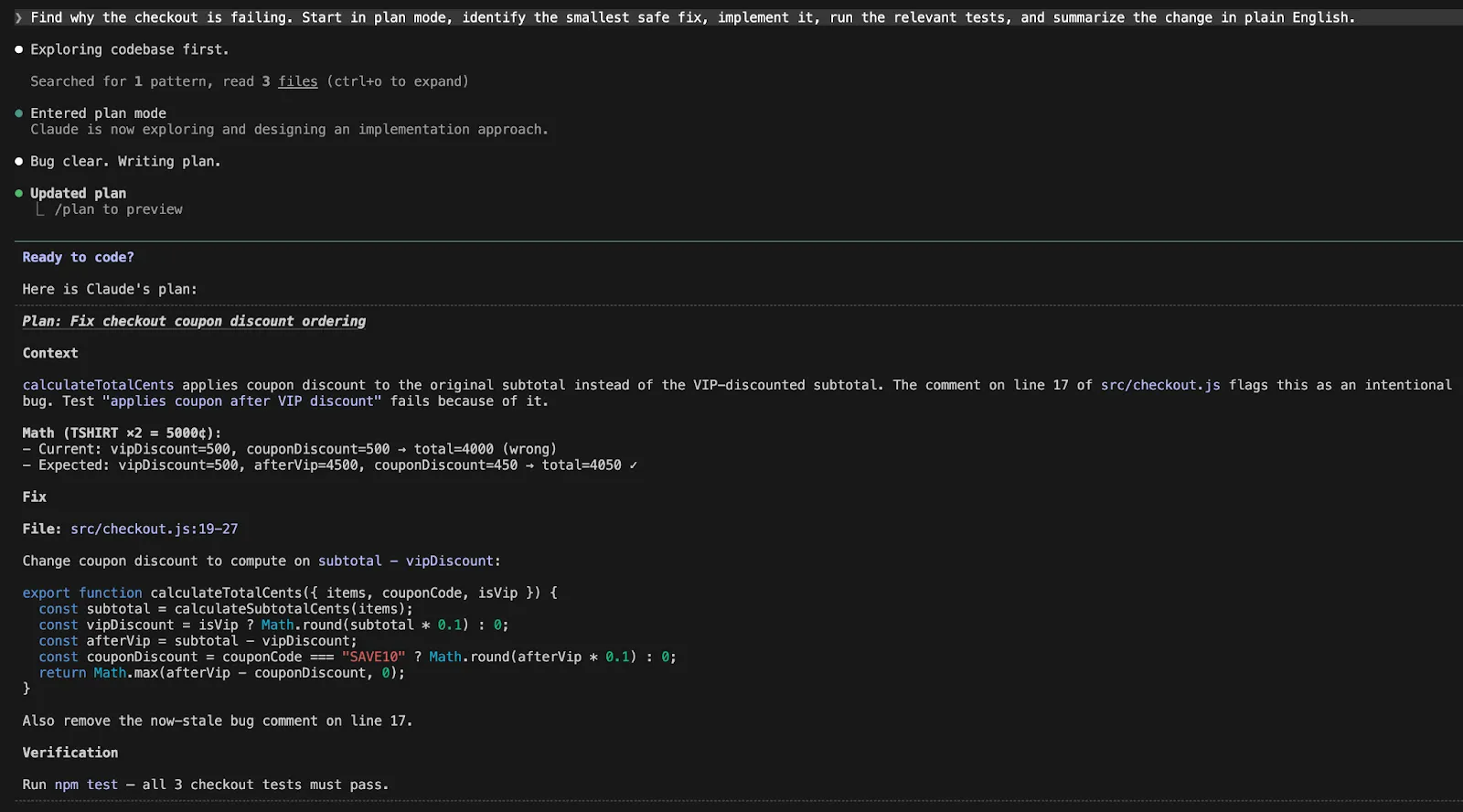
The Claude Code model suggests a future where the AI is a "Strong Pair Programmer." This model lowers the barrier to entry for complex refactors and rapid prototyping. It is particularly effective for individual developers or small teams who need to maintain high momentum. However, the "agent-led" nature may raise concerns in highly regulated industries where every automated action must be mapped to a specific configuration.
The Codex model suggests a future where the AI is a "Programmable Runtime." This appeals to large engineering organizations that prioritize system-level control, security sandboxing, and scalable, automated workflows. By treating the agent as a configurable tool rather than a "teammate," Codex fits more naturally into existing CI/CD pipelines and enterprise security architectures.
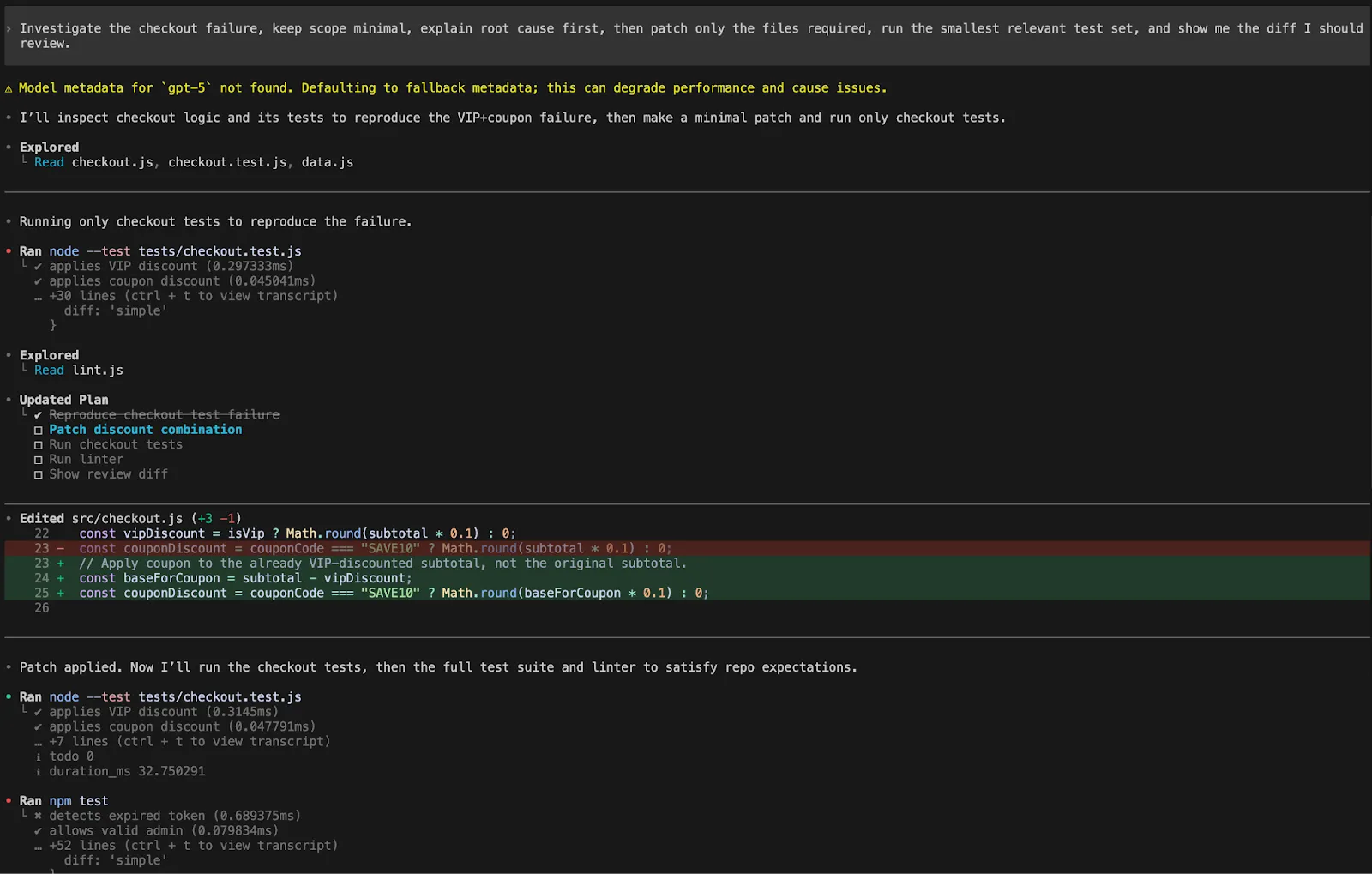
From a productivity standpoint, early data from pilot programs suggests that agentic tools can reduce the time spent on "boilerplate" and "debugging" by as much as 40-50%. However, these gains are often offset by the time required for "agent management"—reviewing diffs, refining instruction files, and correcting hallucinations.
Conclusion: Choosing the Right Agent
The decision between Claude Code and Codex ultimately depends on the desired interaction style and the complexity of the environment.
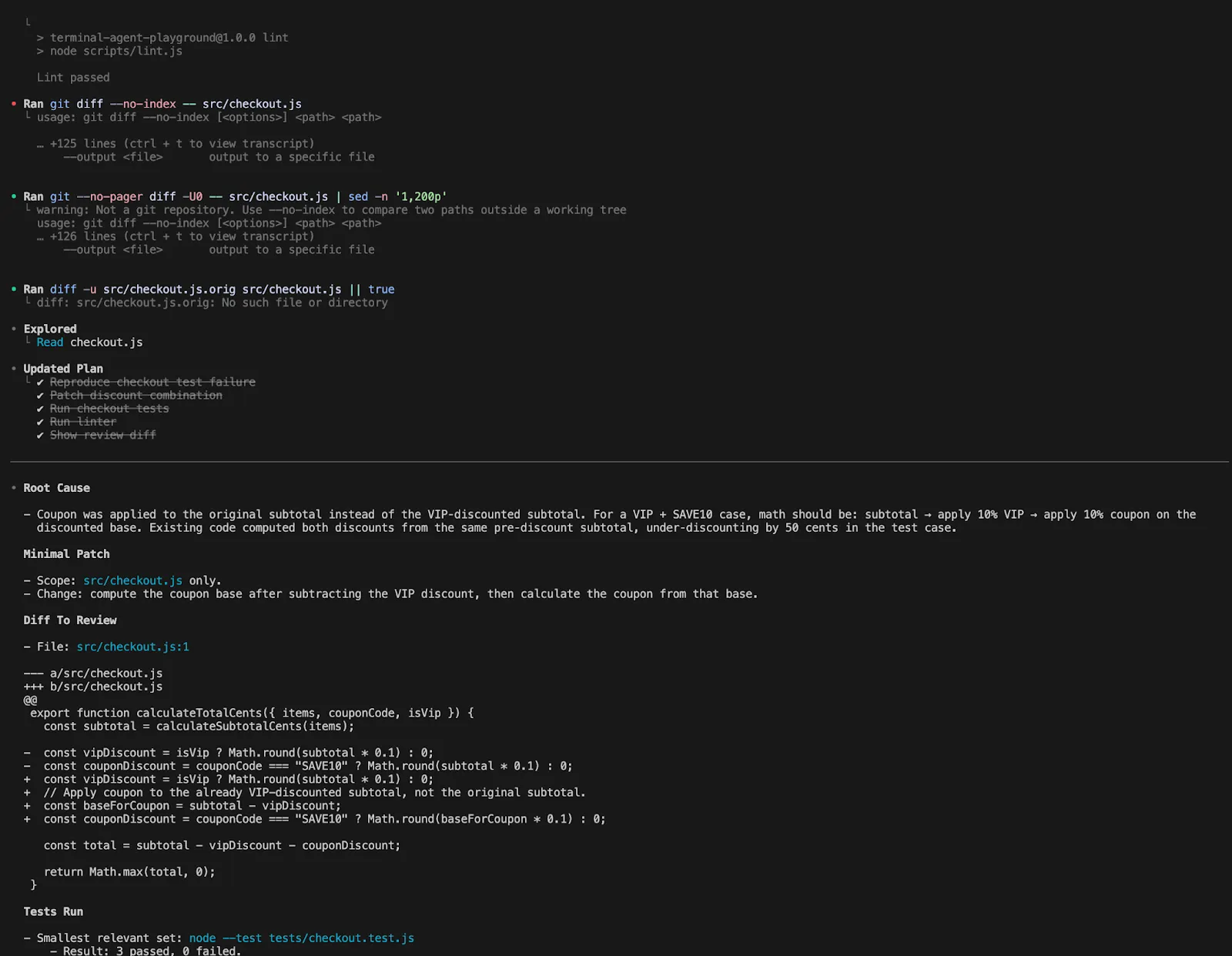
Claude Code is the superior choice for developers seeking simplicity, guided sessions, and a "flow-centric" experience. Its checkpointing and rewind features provide a high degree of confidence during experimental coding. It excels in repository exploration and rapid refactoring where a "smart teammate" is required.
Codex is the preferred option for those who require precision, modularity, and system-level control. Its use of worktrees, detailed configuration files, and policy-based permissions makes it a robust choice for systematized development in complex, multi-user environments.
As these tools continue to mature, the distinction between "writing code" and "managing code-writing agents" will likely blur. Whether through the guided path of Claude or the programmable path of Codex, the terminal is evolving from a place where commands are typed to a place where outcomes are negotiated with artificial intelligence. Both tools are not just competitors; they are the dual engines driving the next era of computational creativity and engineering efficiency.