rifanmuazin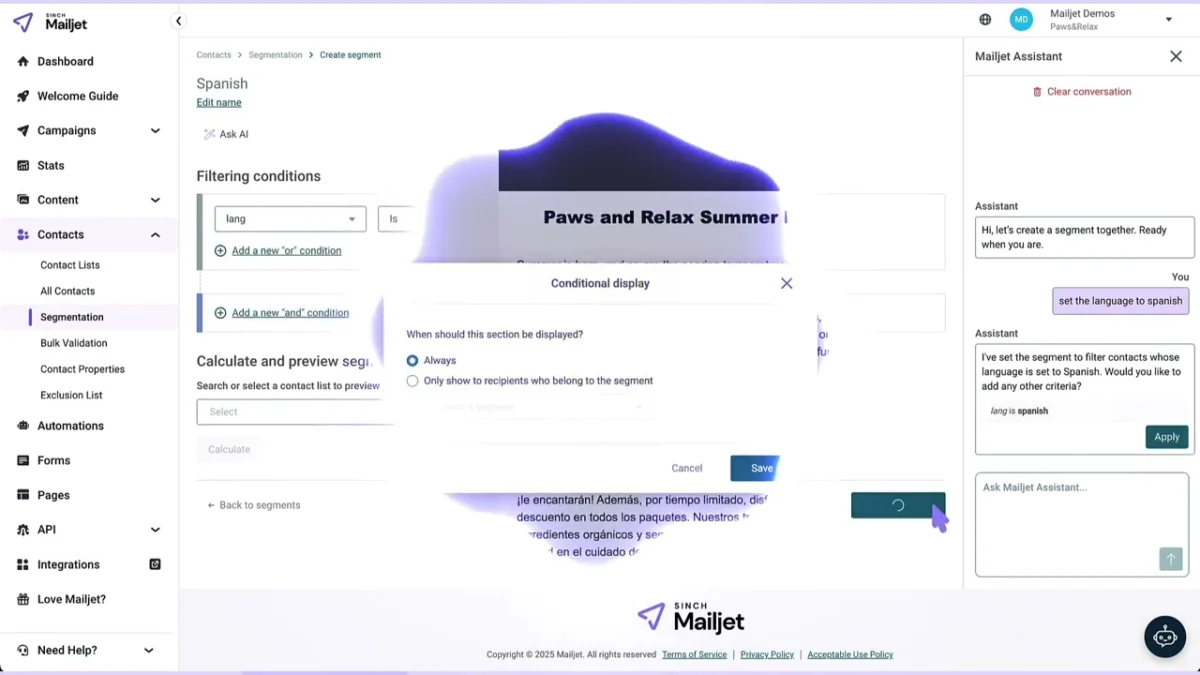
The landscape of digital communication is in constant flux, and for email marketers and senders, the years 2024 and 2025 served as a stark reminder that adaptability is not merely an advantage but a fundamental necessity. These periods witnessed an unprecedented acceleration of change, marked by the introduction of stringent new authentication rules by major inbox providers, the explosive integration of artificial intelligence (AI) into virtually every facet of the email workflow, and a relentless escalation of customer expectations that often outpaced brands’ ability to respond. As the industry now casts its gaze toward 2026, it is clear that email is not merely evolving but entering a new, transformative era — one that will be defined by the rise of intelligent inboxes, the pervasive influence of predictive AI, and a re-centered focus on establishing and maintaining user trust.
The Unfolding Landscape: A Brief History of Disruption
The foundational shifts observed in 2024 and 2025 were not isolated events but rather the culmination of several years of growing complexity in digital communication. Privacy concerns reached a fever pitch, leading to significant policy changes such as Apple’s Mail Privacy Protection (MPP), which fundamentally altered how email open rates could be tracked and interpreted. Simultaneously, the rapid advancement of AI models, initially seen as experimental tools, quickly became integral to content generation, audience segmentation, and campaign optimization. This technological leap coincided with an increasing sophistication in cyber threats, with phishing and spoofing attacks becoming more prevalent and harder for the average user to detect. In response, major email service providers (ESPs) like Google and Yahoo implemented stricter authentication requirements for bulk senders, mandating protocols such as SPF, DKIM, and DMARC to combat identity fraud and enhance inbox security. This confluence of technological innovation, heightened privacy awareness, and a persistent threat landscape has irrevocably reshaped the operating environment for email professionals, laying the groundwork for the paradigm shifts anticipated in 2026.
Email’s Enduring Dominance: Data at a Glance
Despite the emergence of alternative communication channels, including chat applications and AI assistants, email steadfastly maintains its position as one of the most powerful and widely utilized communication channels globally. Its ubiquity and proven effectiveness continue to make it an indispensable tool for brands seeking to connect with their audiences. According to projections from Statista, the global number of email users is expected to reach an impressive 4.7 to 4.8 billion by the close of 2026. This vast user base translates into an astounding volume of daily communication, with approximately 392 billion emails anticipated to be sent each day.
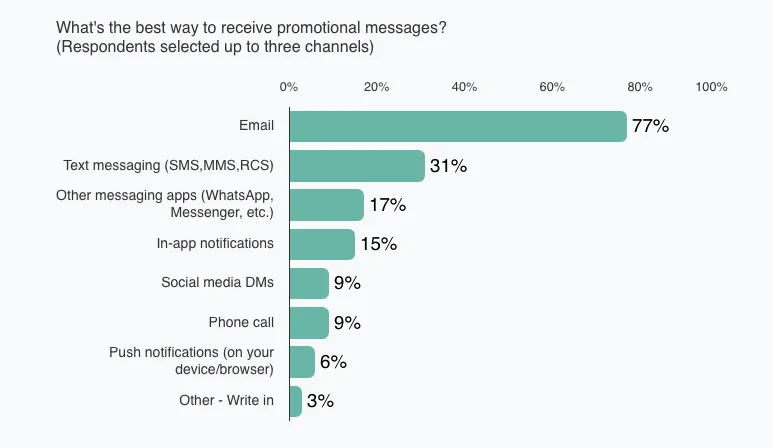
Further underscoring email’s enduring relevance, Sinch’s "The State of Customer Communications Report," published earlier this year, revealed compelling consumer preferences. A global survey of consumers indicated that nearly 77% selected email as one of their top three preferred channels for receiving promotional messages from brands. This figure significantly outpaced other channels, highlighting email’s continued efficacy in direct marketing and customer engagement. These statistics affirm that while the mechanisms of email delivery and discovery may evolve dramatically, the channel itself remains a critical touchpoint in the customer journey. Success in this evolving environment will hinge on marketers’ ability to adapt and innovate alongside these changes.
The Seven Pillars of Email Marketing in 2026
Drawing on extensive analysis of industry data, sender behavior, and broader communication trends, Mailjet, a leading email service provider, has outlined seven data-backed predictions for email marketers and senders to consider as they prepare for 2026. These predictions collectively paint a picture of a more intelligent, secure, and user-centric email ecosystem.
Intelligent Inboxes: The New Gatekeepers
The era of "one-size-fits-all" email campaigns is definitively over. For years, marketers have relied on basic personalization tactics, such as incorporating a subscriber’s first name or segmenting audiences into broad categories. While these were initial steps toward relevance, the increasing density of inboxes and the elevated expectations of consumers now demand a more sophisticated approach. By 2026, inbox providers like Google and Apple are poised to assume an even more prominent role as intelligent gatekeepers. Their advanced algorithms will increasingly determine message priority, offer summarized content, and allocate emails to specific tabs (e.g., Primary, Promotions, Social). The competition for visibility in the primary inbox is intensifying, and the rules of engagement are being continuously refined.

To secure and maintain a prominent position in the inbox, marketers must demonstrate tangible value. This necessitates moving beyond generic promotional content and leveraging robust data analytics to craft truly relevant experiences that proactively anticipate customer needs. Sinch research indicates that 42% of consumers expect personalized promotions, and nearly 30% anticipate brands to utilize their purchase history to deliver more pertinent messages. For marketers, this translates into a critical shift: relevance is becoming the new deliverability. Messages lacking behavioral targeting, timeliness, or genuine utility will increasingly face filtration into secondary tabs or, more critically, silent dismissal by the recipient. The imperative for 2026 is a strategic shift from mass broadcasting to precision targeting, focusing on "sending to the right person at the right moment." Engagement depth, measured by clicks, conversions, and replies, will eclipse raw volume as the primary indicator of success.
AI: From Novelty to Necessity
Artificial intelligence, once a nascent technology in marketing, has rapidly transitioned into a foundational element. Mailjet’s 2025 report already highlighted a growing reliance on AI for accelerating campaign production, enhancing segmentation, and personalizing content. In 2026, AI-driven personalization will move beyond an innovative differentiator to become a standard expectation. The integration of AI will not only streamline operations but also enable a level of hyper-personalization previously unattainable.
As an example of this trend, Mailjet recently introduced its open-source MCP Server, an innovative bridge facilitating direct and secure connections between conversational AI tools and the Mailjet API. This development empowers marketers and senders to bypass manual data exports or complex scripting, allowing them to query campaign performance and audience insights using natural language. For instance, a marketer could simply ask, "Show me the open and click-through rates of our last campaign by country," or "Which segment had the highest unsubscribe rate last month?" and receive immediate, actionable intelligence.
AI’s utility in email marketing extends to several critical use cases:
- Hyper-specific Performance Analysis: Beyond basic metrics, AI can generate detailed reports on nuanced campaign performance, identifying trends across specific demographics or email clients.
- Automated Content and Template Management: AI can assist in content planning, recommending existing templates based on past performance or dynamically generating content variations optimized for individual recipients.
- Workflow Monitoring and Optimization: AI provides granular insights into automated email sequences, pinpointing drop-off points or areas for improvement in onboarding flows, welcome series, or re-engagement campaigns.
The implication is clear: AI is not about sending more emails, but about crafting smarter emails that are meticulously tailored for each recipient, fostering a deeper, more meaningful connection. Marketers must audit their existing technology stacks, ensuring their tools are capable of behavioral segmentation, dynamic content delivery, and AI optimization to remain competitive.
Authentication and Trust: The Foundation of Deliverability
The stringent inbox rules implemented by Google, Yahoo, and other leading providers in 2024-2025 have elevated email authentication from a mere best practice to an absolute minimum requirement, particularly for bulk email senders. Protocols such as Sender Policy Framework (SPF), DomainKeys Identified Mail (DKIM), and Domain-based Message Authentication, Reporting, and Conformance (DMARC) now form the essential identity layer that validates a sender’s legitimacy and confirms that messages have not been tampered with in transit. SPF verifies the sending server’s authorization, DKIM ensures message integrity, and DMARC provides policy instructions for handling unauthenticated emails.
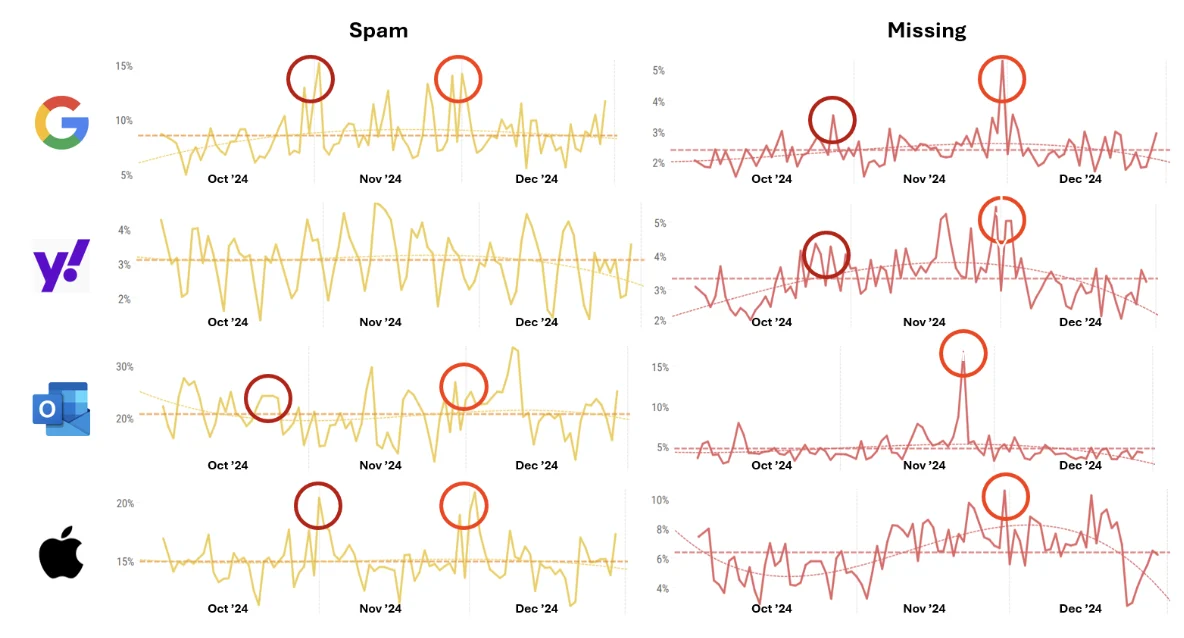
Despite these critical mandates, adoption remains uneven. Mailjet’s "Road to Inbox 2025" report indicated that while 66.2% of senders utilize both SPF and DKIM, a concerning 25% remain unsure about their authentication status. Furthermore, only about 53.8% have implemented a DMARC policy, with many still at the less restrictive "p=none" level, which monitors but does not enforce authentication. As inbox providers continue to tighten requirements, this gap represents a significant deliverability risk.
For 2026, robust authentication will not solely determine inbox placement; it will increasingly influence how messages are ranked, filtered, or flagged. Stronger DMARC enforcement (with policies set to "quarantine" or "reject"), consistent authentication across all sending domains, and a meticulously maintained domain reputation will become baseline expectations. This foundational layer of authentication also serves as the gateway to advanced trust signals, such as Brand Indicators for Message Identification (BIMI). BIMI allows brands to display their verified corporate logo directly in the inbox, but only after a DMARC policy is properly enforced. In an era plagued by sophisticated phishing and spoofing attacks, authenticated identity is no longer a mere technical specification but a core component of brand trust and consumer confidence.
Authentication directly underpins the efficacy of other emerging trends, particularly AI-driven personalization and dynamic content. These advanced, data-informed email experiences can only be effective if the messages reliably reach the intended inbox. With intelligent inboxes comprehensively evaluating sender reputation, identity, domain alignment, and user behavior, authentication becomes an indispensable element of a holistic deliverability profile. Marketers must proactively review their domain authentication, ensure alignment across all sending infrastructure, and rigorously maintain email list hygiene to pre-empt evolving requirements.
Omnichannel Integration: Beyond the Inbox
In 2026, email will shed its siloed existence and become an integral component of a unified omnichannel marketing strategy. Rather than operating in isolation, email will serve as a central node within a broader network of communication channels, including SMS, chat/messaging platforms, in-app notifications, and more. By positioning email as the strategic backbone, brands can establish a core communication channel and then intelligently layer additional touchpoints around it, ensuring a cohesive and responsive customer experience.
The true value of an integrated approach becomes evident in enhanced engagement and customer satisfaction. When channels are seamlessly connected and data flows freely between them – for example, a user clicking an email link, browsing a website, and subsequently receiving a timely SMS reminder or in-app notification – the interaction transcends simple message delivery. Instead, the company orchestrates a connected customer journey that feels fluid, informed, and highly personalized.
This necessitates a fundamental shift in marketer mindset from "email-first" to "customer-journey-first." Marketing flows should be designed such that email triggers – welcome messages, promotional newsletters, transactional confirmations – are just one segment of a broader, integrated journey. Time-sensitive alerts can be delivered via SMS or push notifications, while customer support or re-engagement efforts might leverage chat or in-app messaging. Crucially, customer data, encompassing preferences, behavioral patterns, and status, must be consistently shared across all channels to ensure every interaction is contextually relevant and personal. The strategic imperative for 2026 is to prioritize quality over quantity, building programs that deliver fewer, but far more impactful, messages informed by precise behavioral insights, lifecycle stage, and customer intent. Mapping lifecycle journeys across all channels, not just email, will be paramount to ensuring consistent messaging and fluid transitions.
Design Evolution: Leaner, Greener, More Inclusive
Email design in 2026 is undergoing a significant transformation, moving decisively toward lighter, faster, and more sustainable user experiences. Historically, heavy emails laden with oversized images or bloated HTML code have contributed to slow load times, impaired deliverability, and created friction, particularly for mobile users. The prevailing best practice is now a minimalist, mobile-first approach, characterized by optimized image sizes, streamlined code, balanced text-to-image ratios, and layouts that prioritize clarity and functionality over excessive decoration.
These leaner builds not only enhance rendering consistency across diverse inbox providers but also contribute to a reduced environmental footprint for each send. This "green email" movement is gaining traction as brands increasingly prioritize conscious and sustainable operations, recognizing the energy consumption associated with data transfer and storage.
Sustainability is intrinsically linked with accessibility. Lighter emails are inherently more accessible, but 2026 design trends will push further, mandating adherence to robust accessibility standards. This includes ensuring strong color contrast, providing meaningful alt-text for images, maintaining clear structural hierarchy, and offering reliable dark-mode support. This focus is partly driven by regulatory frameworks such as the European Accessibility Act (EAA), which came into effect in June 2025, requiring businesses to dismantle digital accessibility barriers. Beyond compliance, however, these practices represent good design principles, fostering inclusivity for all subscribers, irrespective of their assistive technology usage, bandwidth limitations, or device capabilities. Cleaner design and optimized assets collectively reduce cognitive load, ensure rapid loading times, guarantee consistent visual presentation, and meet the escalating expectations of both users and mailbox providers. Adopting modular design systems and meticulously optimizing every email element for speed, accessibility, and clarity will be crucial.
Redefining Success: Key Performance Indicators Shift
The traditional reliance on open rates as a primary Key Performance Indicator (KPI) has been steadily eroding, largely due to privacy enhancements like Apple’s Mail Privacy Protection (MPP), which obfuscates accurate open tracking. Intelligent inboxes will further accelerate this shift away from open rates. Instead, marketers are increasingly concentrating on measurable actions that more accurately reflect an email’s value proposition. These include click-through rates (CTR), the duration of time spent reading the email, and critically, downstream conversions. These metrics not only provide a more truthful gauge of campaign effectiveness but also align directly with how mailbox providers evaluate sender reputation, making them essential for both performance reporting and sustained deliverability.
A significant evolution in 2026 will be the heightened importance of quality-of-engagement metrics. These are behaviors that unequivocally demonstrate genuine subscriber satisfaction and interest. Positive signals such as consistent engagement, safe-listing (adding sender to contacts), and manual folder movement (e.g., moving from Promotions to Primary) will carry increased weight. Conversely, negative signals like rapid deletions without opening, consistent ignore patterns, and, most detrimental, spam complaints, will swiftly degrade a sender’s reputation. As Jonathan Campbell, VP Product Messaging at Sinch, aptly puts it, "We must move away from the traditional marketing math of ‘send a million messages and hope that 10% get opened.’ This transactional view must be replaced by relationship building through valuable, prompt-based discussion."
Finally, KPIs related to list health and infrastructure reliability are transitioning from technical afterthoughts to core business indicators. Bounce rates, spam complaint ratios, email authentication pass rates (SPF/DKIM/DMARC), and domain-level reputation data are now recognized as critical metrics. Advanced senders are incorporating diagnostic KPIs such as inbox placement rates, blocklist monitoring, and segmentation-level engagement performance to construct a comprehensive understanding of how their email programs are perceived by mailbox providers. Marketers must rebuild their dashboards to reflect this new reality, focusing on who takes action and returns, rather than solely on who opens.
Ethical Data Use and Transparent Consent: Defining Brand Reputation
In the increasingly crowded and skeptical digital landscape of 2026, earning and retaining subscriber trust is more challenging than ever. Consumers are on high alert, constantly barraged by sophisticated spam and phishing attempts. This pervasive caution means that even legitimate marketing emails are often met with initial suspicion. Research indicates that a significant 53% of consumers have, at some point, mistaken a legitimate email from a brand for a fraudulent one. This widespread skepticism presents a formidable challenge to deliverability and engagement. If subscribers do not trust the message source, they are unlikely to open it, regardless of its content.
By 2026, the most successful email programs will be those that visibly embed trust into every interaction. The emphasis will shift from merely reaching the inbox to unequivocally proving one’s legitimate presence there. This requires a dual approach: making every email visibly authentic and ensuring the entire customer journey is secure and transparent. Brands will need to provide instant, visual proof of legitimacy, moving beyond the simple "From" name to embrace sender authentication technologies that have a tangible impact on the recipient’s perception.
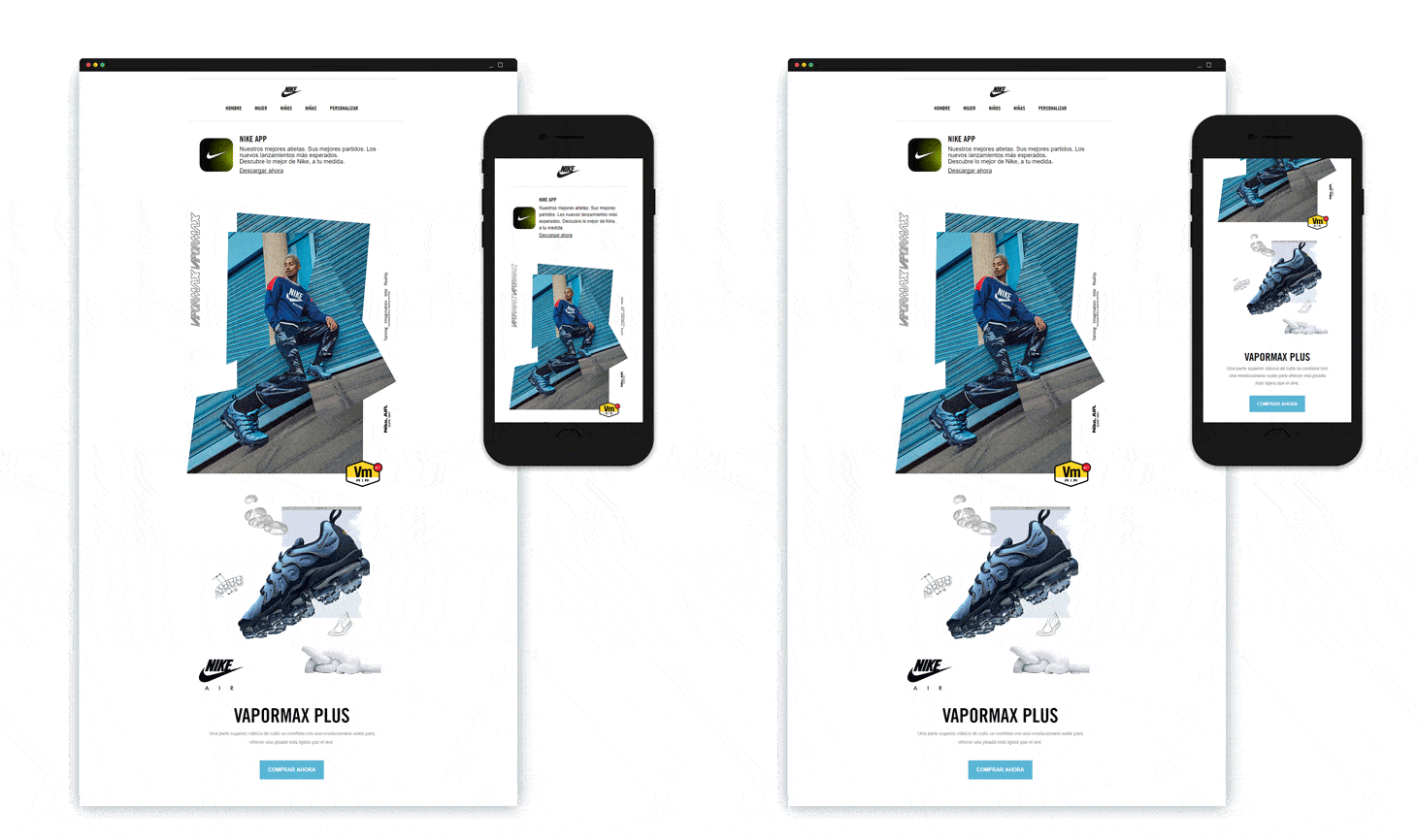
This is where BIMI (Brand Indicators for Message Identification), built upon the robust foundation of DMARC enforcement, becomes indispensable. BIMI enables brands to display their official, verified logo directly alongside their message in the subscriber’s inbox. This logo acts as a visual "verified checkmark," immediately differentiating legitimate communications from potential fakes. It is the most powerful method to visually assure subscribers of a message’s authenticity without requiring them to delve into technical details. While BIMI itself is not an authentication protocol, it serves as a critical visual indicator that emails have been properly verified, fostering immediate trust. Brands must make their email programs models of privacy, transparency, and respect, recognizing that such practices yield dividends in both deliverability and long-term customer loyalty.
Strategic Imperatives for Marketers
The evolving landscape of email marketing presents both challenges and unparalleled opportunities. For brands, the implications of these predictions are profound, necessitating increased investment in sophisticated technology stacks, advanced data analytics capabilities, and robust compliance frameworks. The risk of being left behind by competitors who embrace these changes is significant. However, for those who adapt, the opportunity to cultivate stronger, more meaningful customer relationships through highly personalized, trustworthy, and efficient communication is immense.
For consumers, these changes promise a more relevant, secure, and accessible email experience. The proliferation of intelligent inboxes and AI-driven personalization means fewer irrelevant messages, while enhanced authentication protocols offer greater protection against spam and phishing. The focus on lighter, more accessible design ensures inclusivity for a wider audience.
Within the industry itself, these trends are likely to drive further consolidation of marketing technology tools, with a premium placed on platforms that offer seamless integration and robust AI capabilities. The roles of email marketers will also evolve, requiring a deeper understanding of data science, AI ethics, and omnichannel strategy.
The Road Ahead: Continuous Innovation
The accelerated pace of change in email marketing can feel daunting, prompting a constant scramble to adapt to new technologies, regulatory shifts, and evolving subscriber expectations. However, the path to success in 2026 and beyond lies not in immediate, wholesale overhauls, but in a commitment to continuous testing, thoughtful experimentation, and an unwavering willingness to innovate.
With the right tools and trusted expertise, navigating these complex trends becomes significantly more manageable. Platforms designed for collaboration and creator-friendliness, such as Sinch Mailjet’s, are instrumental in empowering marketers to operate with greater speed and intelligence. From crafting accessible, high-impact templates to managing audience data responsibly and optimizing performance with crystal clarity, these tools facilitate the creation of campaigns that genuinely resonate and reliably reach the inbox.
The Sinch Mailjet team emphasizes its commitment to guiding senders through this dynamic landscape. By exploring comprehensive resources and subscribing to industry newsletters, marketers can stay abreast of the insights that are actively shaping the future of email, ensuring they remain at the forefront of this ever-evolving digital frontier.

 Laily UPN
 Basiran