rifanmuazin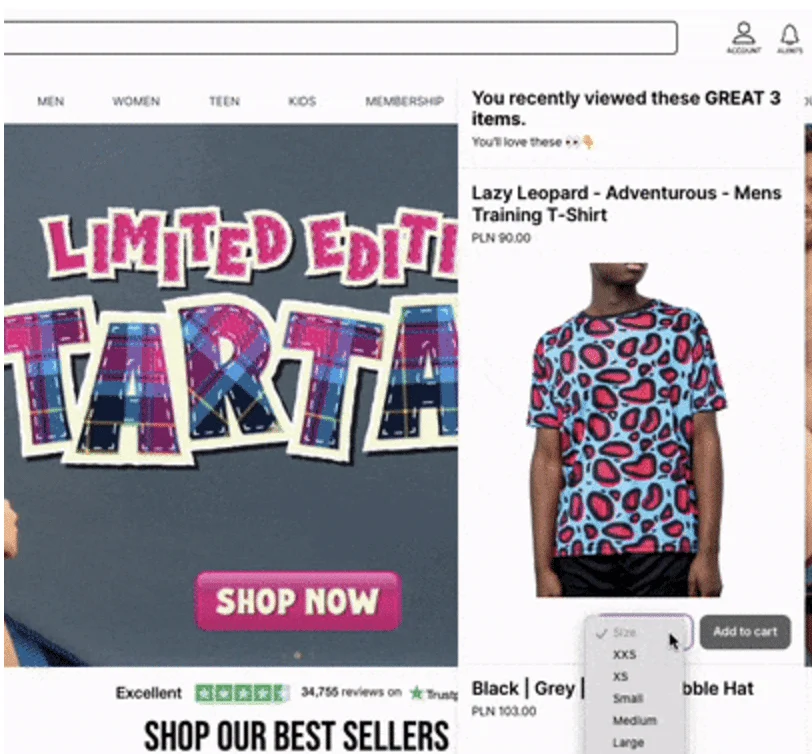
The global digital marketplace is currently undergoing a fundamental transformation as businesses shift from reactive analytics to proactive, predictive models of engagement. Traditionally, the process of Conversion Rate Optimization (CRO) was a labor-intensive endeavor, relying on human intuition, manual data aggregation, and sequential A/B testing. However, the integration of Artificial Intelligence (AI) has introduced a new era of efficiency, allowing websites to anticipate user preferences and fine-tune interactions in real-time. By automating data collection and providing deep-learning insights, AI is not merely assisting marketers; it is fundamentally altering the customer journey to drive higher revenue and deeper brand loyalty.
The Shift from Manual to Algorithmic Optimization
For over two decades, digital marketers relied on a standard framework for CRO. This involved identifying friction points in a sales funnel, forming a hypothesis, and testing variations one at a time. While effective, this methodology was limited by human bandwidth and the speed of data processing. Traditional A/B testing often requires weeks to reach statistical significance, during which time consumer trends may have already shifted.

AI conversion rate optimization (AI CRO) removes these bottlenecks. By leveraging machine learning algorithms, businesses can now identify conversion friction points faster than ever before. AI does not replace the overarching CRO strategy; rather, it serves as an accelerant. It analyzes vast datasets to spot patterns in user behavior that would be impossible for a human analyst to detect. This allows for the prioritization of tests that are most likely to yield significant results, such as improvements in revenue per visitor (RPV) or trial-to-paid conversion rates.
Historical Context and the Rise of Data-Driven Decision Making
The transition toward AI-driven optimization did not happen in a vacuum. It is the culmination of the "Big Data" movement that began in the early 2010s. As businesses began collecting petabytes of consumer data, they quickly realized that human teams could not process the information fast enough to make it actionable.
By 2020, the rise of Natural Language Processing (NLP) and generative models provided the tools necessary to bridge this gap. According to industry reports, the global AI in retail market was valued at approximately $5 billion in 2021 and is projected to reach over $30 billion by 2030. This growth is driven by the necessity of "hyper-personalization"—the ability to treat every visitor as a unique segment of one.
Core Technological Pillars of AI CRO
The modern AI CRO toolkit is composed of several sophisticated technologies that work in tandem to create a seamless user experience.
1. Advanced Personalization Engines
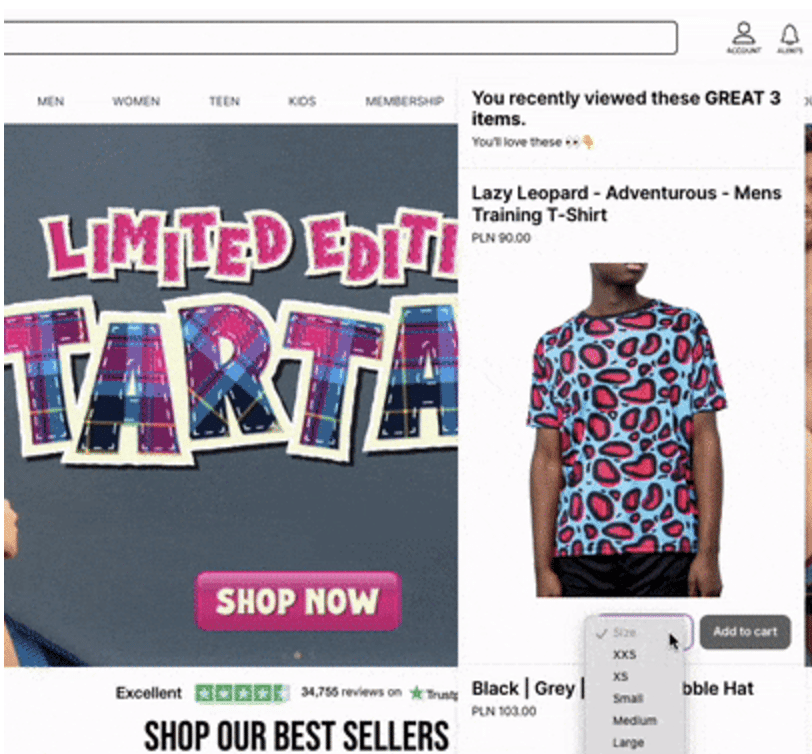
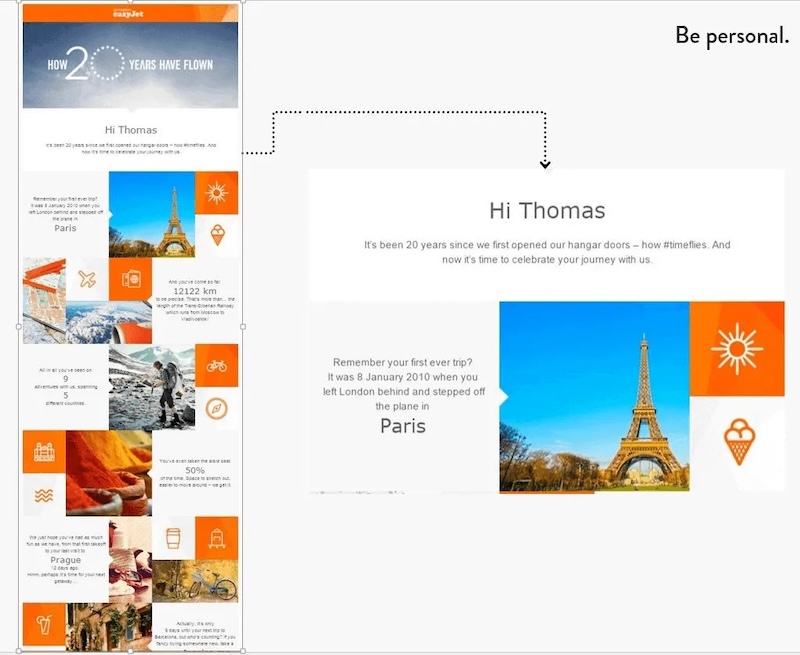
Personalization is the cornerstone of modern conversion strategy. AI-powered engines analyze real-time behavior—including page views, dwell time, and past purchase history—to tailor the website environment. For instance, the UK-based underwear brand OddBalls utilizes an AI Wishlist feature. If a visitor views three or more products, the system triggers a targeted on-site notification with tailored recommendations. This "personalized nudge" significantly increases the likelihood of a conversion by keeping relevant products top-of-mind.
2. Predictive Analytics and Churn Prevention
Predictive analytics acts as a digital "crystal ball." By using machine learning models provided by platforms like Pendo or HubSpot, businesses can predict future actions based on historical data. If a user’s behavior mimics that of someone about to abandon their shopping cart—such as erratic scrolling or hovering over the exit button—the AI can instantly trigger a remarketing campaign or a limited-time discount code to secure the sale.
3. Conversational AI and NLP Chatbots
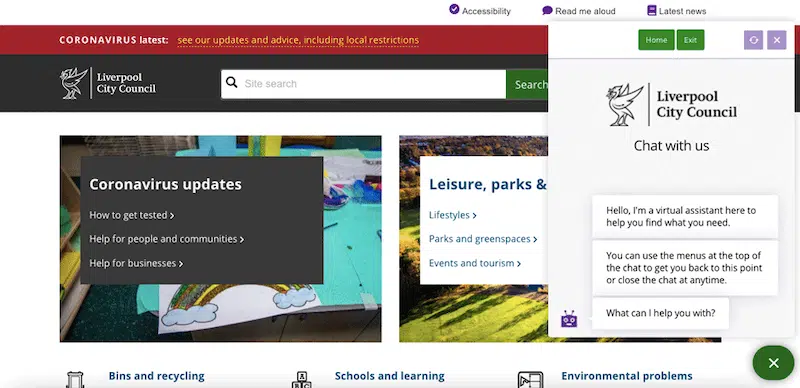
The evolution of chatbots has moved beyond simple, rule-based scripts to sophisticated AI assistants. Tools like Intercom and Drift use NLP to understand intent and provide human-like support 24/7. This technology has even seen adoption in the public sector. The Liverpool City Council implemented a virtual assistant to handle queries regarding council tax and benefits. By resolving citizen issues in real-time, the organization reduced the strain on its human call centers while improving the "conversion" of information delivery.
Case Studies: Industry Leaders Setting the Standard
Several global brands have already demonstrated the massive ROI associated with AI-driven optimization.
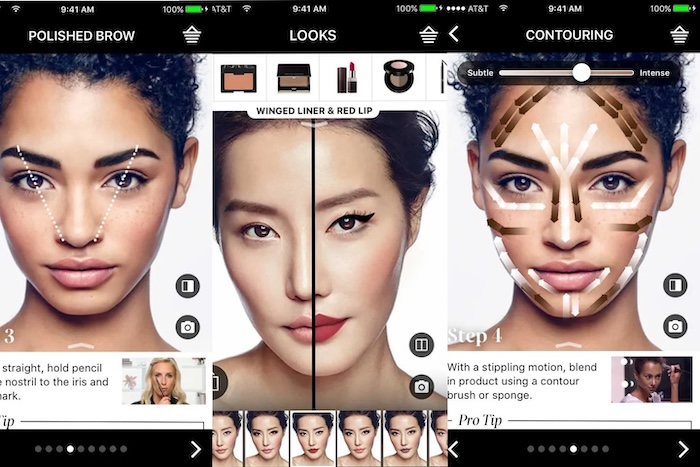
- Sephora: The beauty giant uses AI to recommend products based on skin type, past purchases, and even virtual "try-on" data. Their Virtual Artist tool uses augmented reality and AI to allow customers to see how makeup looks on their faces through a smartphone camera. This reduces the uncertainty of online shopping, leading to higher conversion rates and lower return rates.
- Stitch Fix: This styling service uses an "Outcome-Conditioned Model" (OCM) that leverages generative AI to revolutionize personal styling. By analyzing customer feedback and style preferences, the AI helps stylists select items that have the highest probability of being kept by the customer.
- Spotify: While not a traditional e-commerce site, Spotify’s use of AI to create dynamic, personalized playlists serves as a masterclass in user retention. By keeping users engaged through content that feels hand-picked, they maximize the "conversion" of free users to premium subscribers.
The Economic Impact: Supporting Data and Projections
The shift to AI CRO is backed by compelling economic data. Recent studies by McKinsey & Company suggest that personalization can reduce acquisition costs by as much as 50% and lift revenues by 5% to 15%. Furthermore, a 2023 survey of digital marketing executives found that 76% of respondents attributed a direct increase in sales to AI-driven personalization efforts.
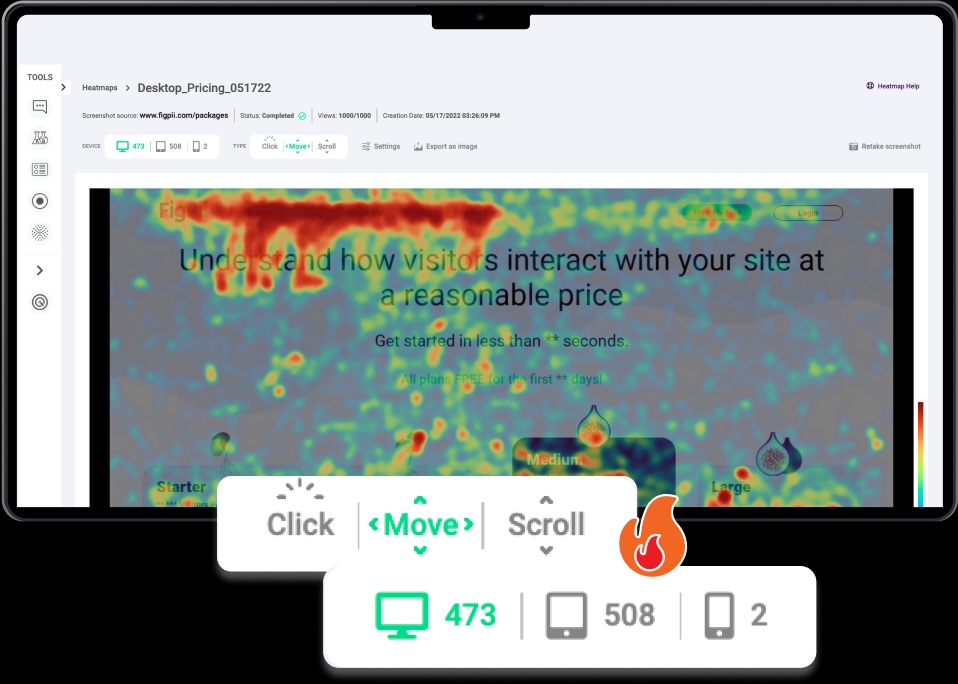
In the realm of A/B testing, AI tools like FigPii have changed the math of experimentation. Traditional testing might allow a company to run 10 to 12 tests per year. AI-driven multi-variant testing allows for hundreds of variations to be tested simultaneously, with the algorithm automatically funnelling traffic toward the winning version in real-time. This "Multi-Armed Bandit" approach ensures that revenue is not lost during the testing phase.
Building a Culture of Continuous Optimization
For AI to be effective, it must be integrated into a broader data-driven culture. This requires a shift in organizational mindset. Instead of relying on the "Highest Paid Person’s Opinion" (HiPPO), companies must empower their teams to follow what the data dictates.
Identifying Opportunities for Improvement
AI serves as a detective, identifying patterns that are invisible to the naked eye. By analyzing user behavior data, AI can pinpoint exactly where users are dropping off in the conversion funnel. For example, if an AI analysis reveals that users on mobile devices are abandoning their carts at the shipping information stage, it might suggest that the form fields are too cumbersome or that a specific mobile browser is rendering the page incorrectly.
Testing and Validation Roadmap
The implementation of AI CRO typically follows a structured chronology:
- Data Auditing: Ensuring that tracking pixels and data collection methods are accurate.
- Pattern Recognition: Using AI to analyze the existing traffic and identify high-friction areas.
- Automated Experimentation: Deploying AI-powered A/B and multi-variant tests.
- Real-Time Personalization: Moving from testing to a permanent state of dynamic content delivery.
Official Reactions and Industry Sentiment
Industry experts generally agree that the window for "optional" AI adoption is closing. Analysts from Gartner have noted that by 2025, organizations that have integrated AI into their marketing stacks will likely outperform their peers by 25% in terms of lead generation and conversion efficiency.
However, the sentiment is not without caution. Many privacy advocates and regulatory bodies are closely watching how AI handles consumer data. The consensus among tech leaders is that transparency is key. "The goal is to make the user feel valued, not watched," says one senior CRO consultant. "When AI is used to genuinely solve a customer’s problem or save them time, it builds trust. When it’s used opaquely, it creates friction."
Broader Impact and Future Implications
The implications of AI-driven CRO extend far beyond the balance sheets of retail companies. As these technologies become more accessible, we are seeing a "democratization of optimization." Small and medium-sized enterprises (SMEs) can now access AI tools that were once the exclusive domain of Fortune 500 companies.
Furthermore, the role of the CRO specialist is evolving. The job is shifting away from manual data entry and basic chart creation toward high-level strategy and ethical oversight. Professionals in the field must now focus on teaching the AI what to look for and ensuring that the automated decisions align with the brand’s long-term values.
In conclusion, the future of digital commerce is undeniably AI-driven. As technology continues to evolve, the ability to adapt in real-time and provide tailored experiences will become the baseline for survival in the digital economy. Brands that embrace these tools today are not just optimizing their conversion rates; they are building the foundations for the next generation of customer engagement. The transition from a static web to a dynamic, predictive, and deeply personal digital experience is no longer a luxury—it is the new standard of excellence.


 Asro
Asro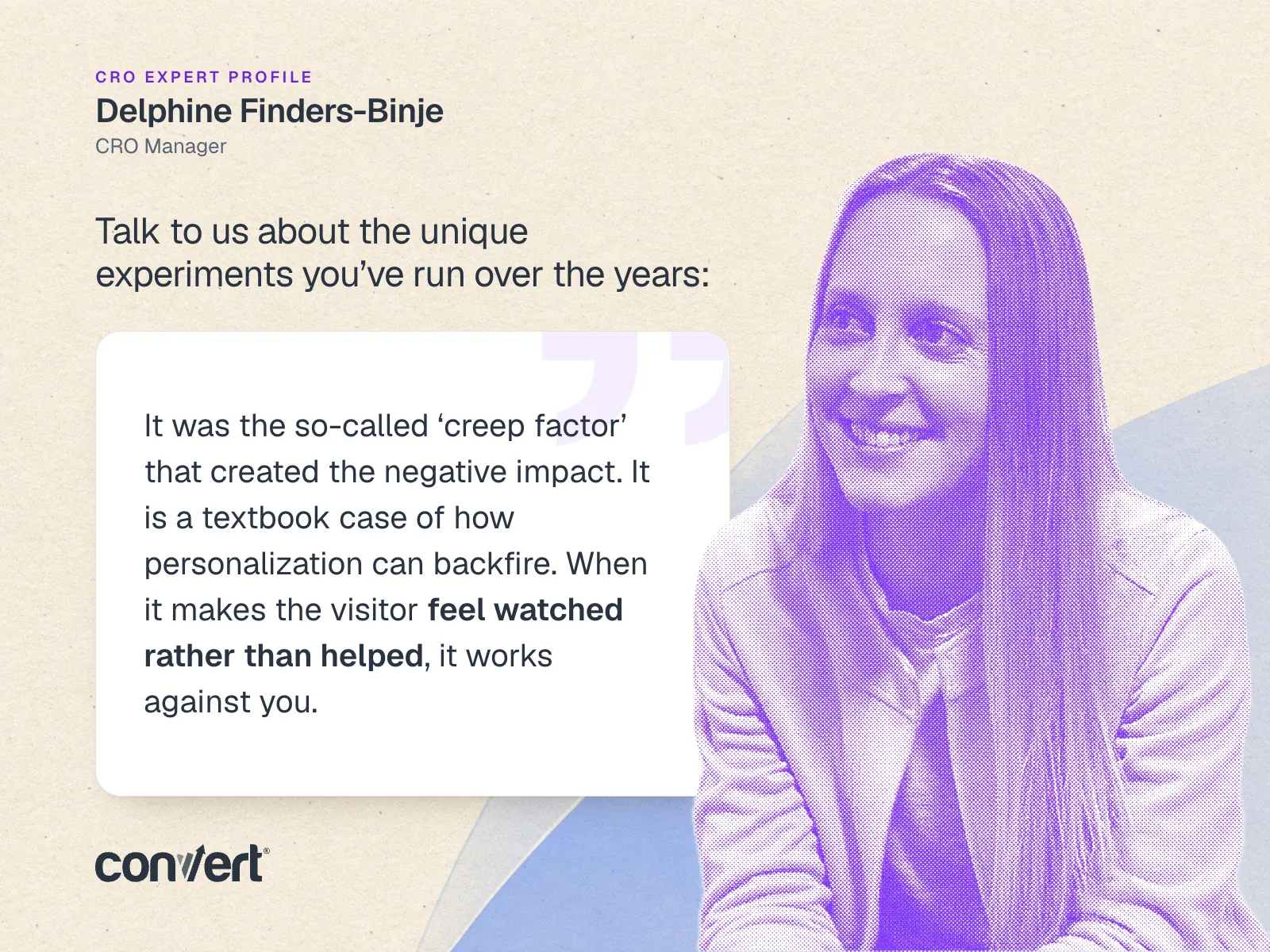
 Dwi Wanna