rifanmuazin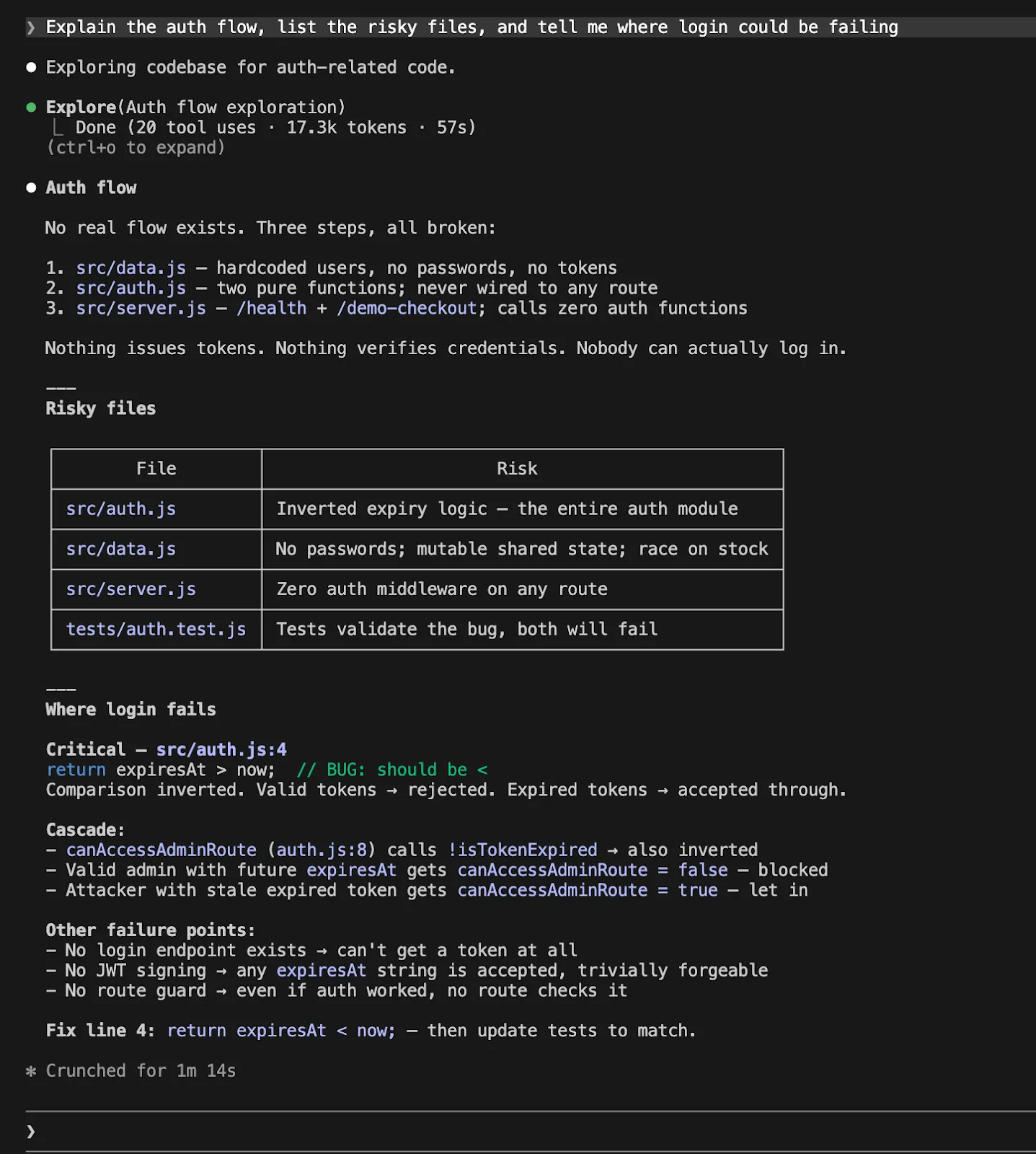
The landscape of software development is undergoing a fundamental shift as artificial intelligence transitions from simple autocomplete suggestions to fully autonomous agents capable of managing complex repositories. Leading this evolution are Claude Code, developed by Anthropic, and Codex, the ecosystem driven by OpenAI’s models. While both tools aim to reduce the cognitive load on developers, they represent two distinct architectural philosophies. Claude Code focuses on a unified, session-centric agent loop designed for seamless "flow," while Codex offers a distributed, highly configurable system that integrates across command-line interfaces (CLI), integrated development environments (IDE), and cloud workflows. This comparison explores the technical nuances, workflow integrations, and strategic implications of these two platforms for the modern engineering team.
The Evolution of AI-Assisted Engineering: From Autocomplete to Autonomous Agents
The journey toward autonomous coding agents began in earnest with the release of the OpenAI Codex model in late 2021, which powered the initial versions of GitHub Copilot. At that time, the primary utility was "Ghost Text"—predictive code snippets that saved keystrokes. However, as large language models (LLMs) increased in context window size and reasoning capabilities, the industry moved toward "Agentic Workflows."
By 2024 and early 2025, the release of Claude 3.5 Sonnet and subsequent iterations of GPT-4o enabled a new class of tools. These tools do not just suggest code; they read entire project structures, execute terminal commands, run test suites, and iterate on bug fixes until a specified outcome is achieved. Anthropic’s Claude Code and OpenAI’s Codex CLI represent the pinnacle of this shift, offering developers a "terminal-first" experience where the AI acts less like a dictionary and more like a junior engineer.
Technical Onboarding and Initial Configuration
To understand the practical differences, one must first look at the barrier to entry and the installation process. Both tools leverage the Node.js ecosystem, requiring a modern environment to function.
Codex CLI Setup
The Codex CLI is typically installed globally via npm. It serves as a bridge between the local file system and OpenAI’s powerful reasoning models.
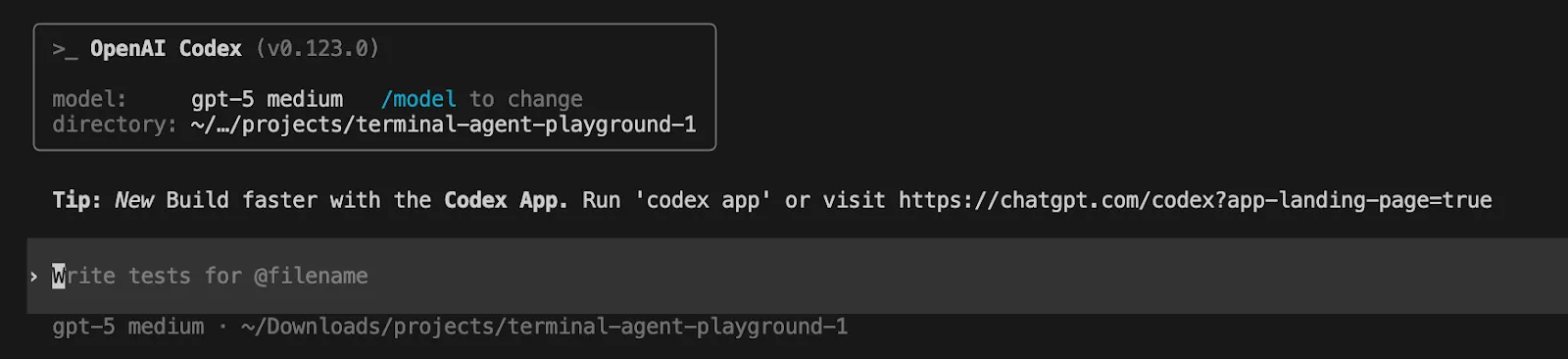
npm i -g @openai/codexAfter installation, users must authenticate using an OpenAI API key or account. The tool is designed to be highly modular, allowing it to inspect repositories, suggest edits, and even delegate tasks to cloud-based runners.
Claude Code Setup
Anthropic’s offering, Claude Code, follows a similar installation path but emphasizes a tighter integration with the developer’s local session.
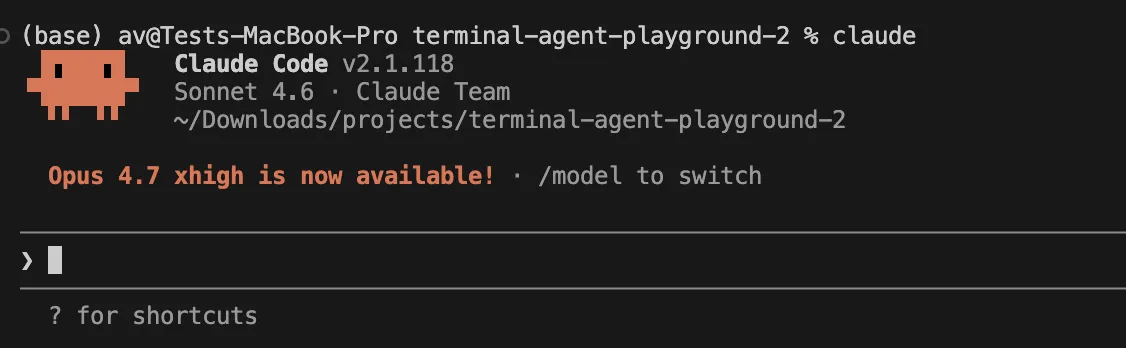
npm install -g @anthropic-ai/claude-codeOnce installed, the command claude initiates a session within a specific project directory. Unlike Codex, which often feels like a utility you call, Claude Code feels like a persistent shell environment that you enter.
Architectural Philosophies: Flow vs. Control
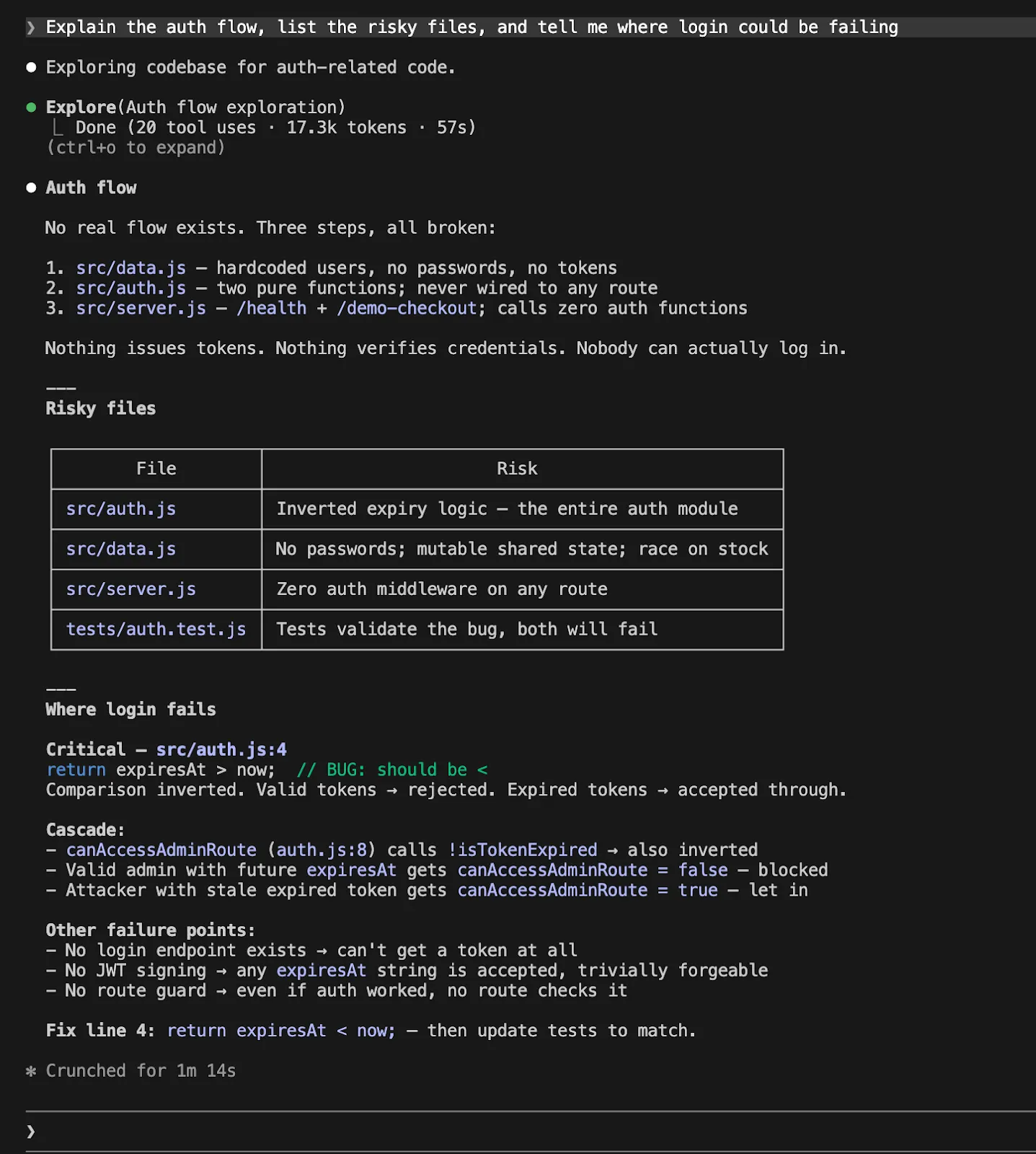
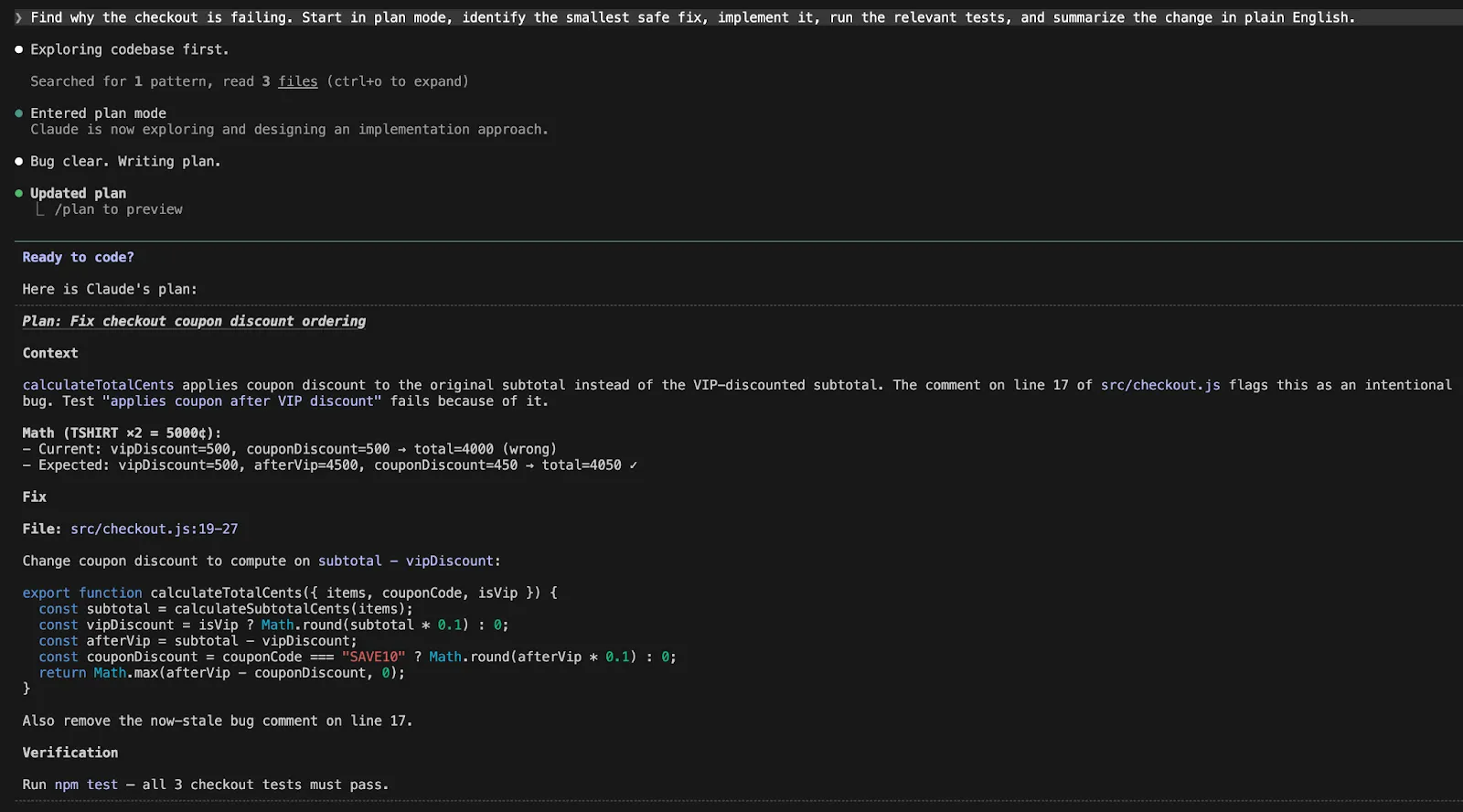
The first ten minutes of using these tools reveal a stark contrast in "personality." Claude Code is built around the concept of an assisted partnership. Upon entering a repository, Claude’s primary goal is to establish a mental map of the project. It suggests plans and requests permission at logical checkpoints, aiming to keep the developer in a state of productive "flow."
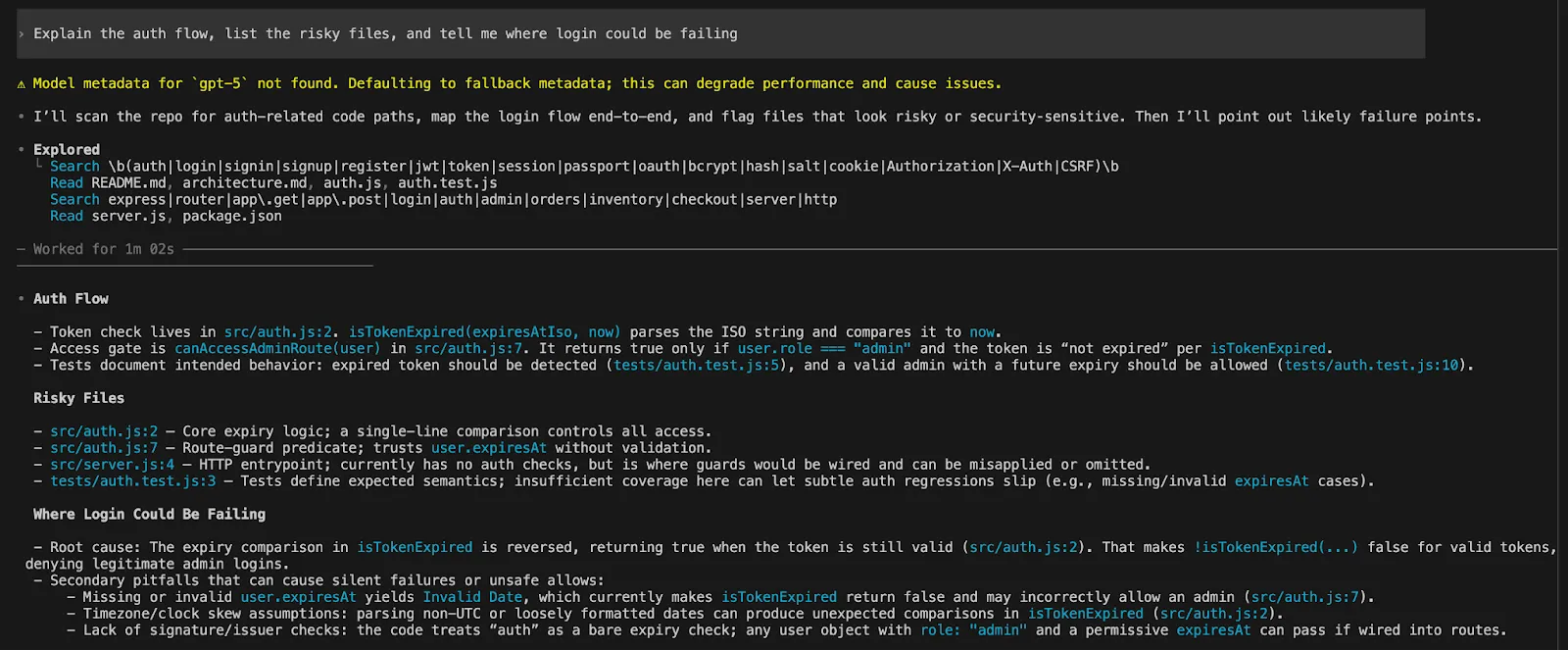
In contrast, Codex operates as a configurable runtime. While it remains conversational, the emphasis is on the system’s parameters—policies, sandboxing, worktrees, and cloud delegation. If Claude Code is a pair programmer sitting next to you, Codex is a sophisticated automation platform that you program to handle your code.
For example, when asked to explain an authentication flow, Claude Code will likely offer a narrative explanation followed by a list of "risky" files and a proposal to run a test to verify a suspected bug. Codex will provide a structured breakdown and ask for the "sandbox" parameters before it attempts to execute any diagnostic scripts.
Instructional Frameworks: CLAUDE.md vs. AGENTS.md
A critical component of these agents is how they handle long-term repository instructions. Both tools have adopted a "Markdown-as-Configuration" approach, but their implementations differ.
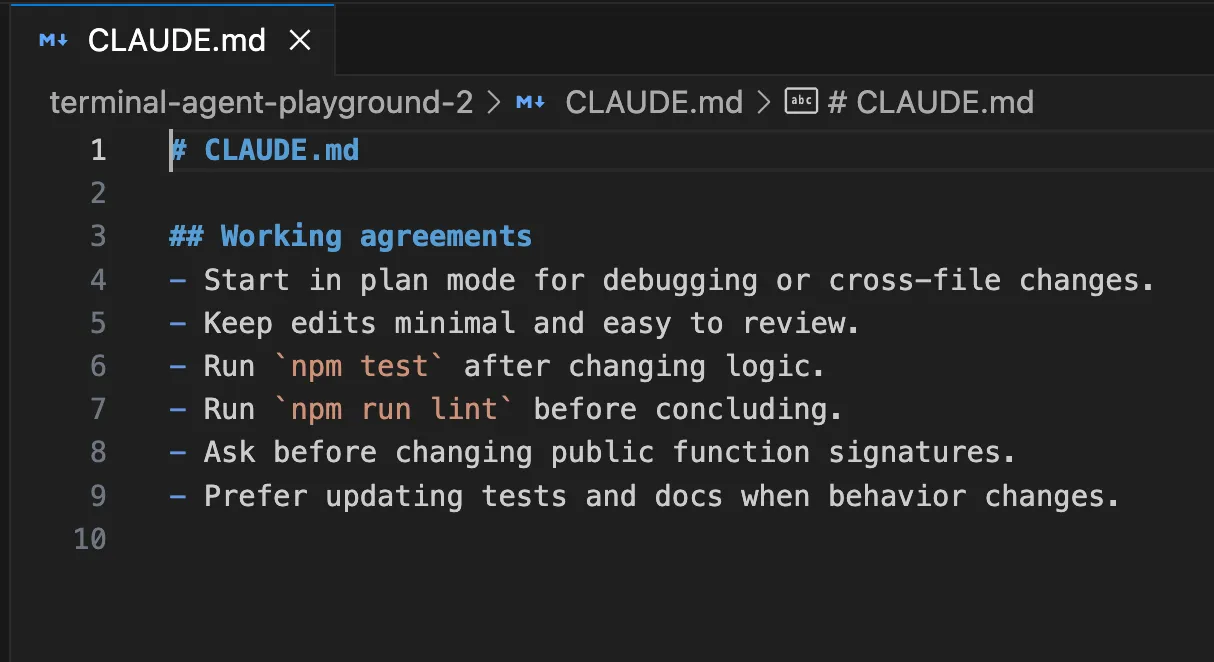
Claude Code and CLAUDE.md
Claude Code utilizes a file named CLAUDE.md located at the root of the repository. This file acts as a persistent memory bank for project-specific rules, coding standards, and build commands. Anthropic recommends using this file to store "static" knowledge—things the agent should never forget, such as "always use functional components" or "never use the ‘any’ type in TypeScript."
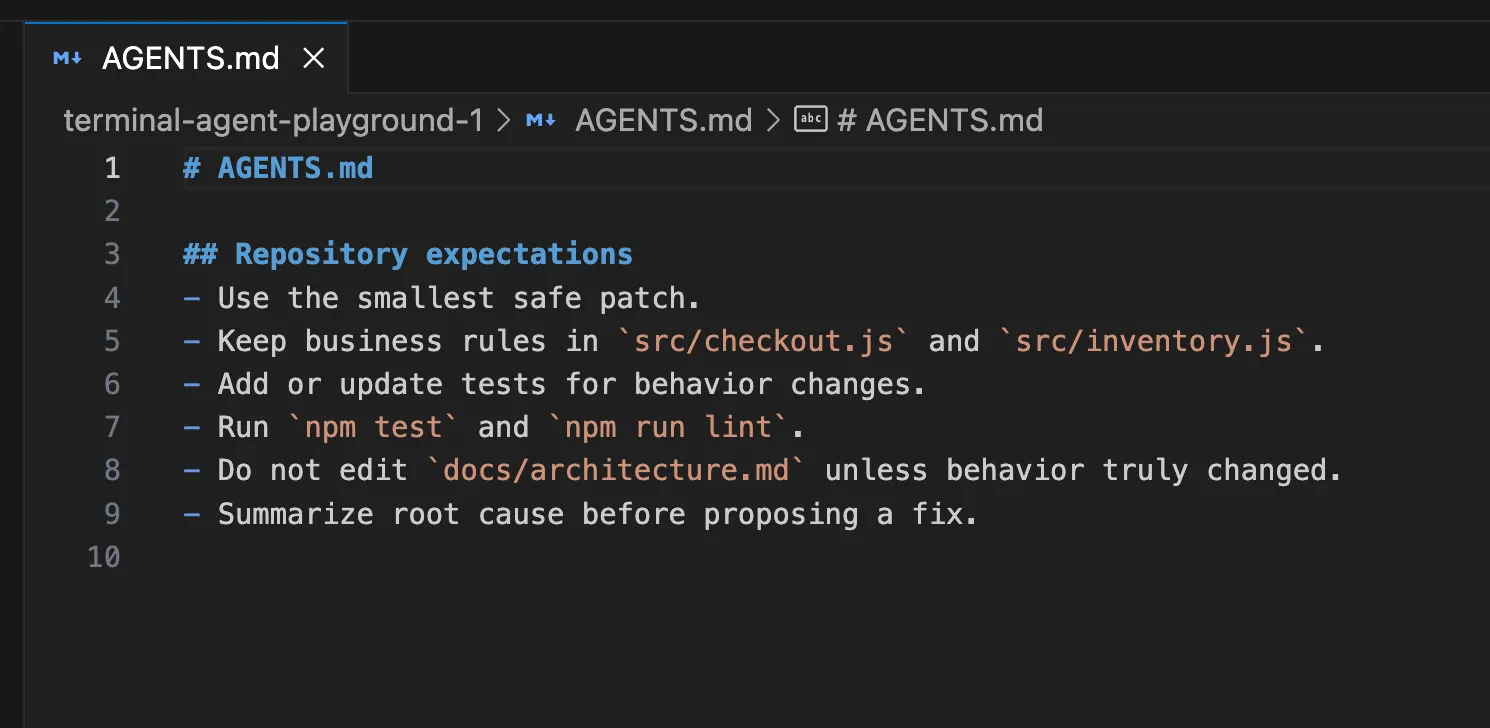
Codex and AGENTS.md
Codex uses a more hierarchical system centered around AGENTS.md. While it serves a similar purpose to Claude’s configuration file, Codex allows for a more granular approach. Developers can have a global configuration at ~/.codex/AGENTS.md, a repository-specific file, and even sub-directory overrides. This makes Codex better suited for large monorepos where different modules might have conflicting coding standards.
Memory Management and Context Persistence
One of the greatest challenges in AI engineering is "context drift"—the tendency for an AI to lose track of the objective during long debugging sessions.
Claude Code addresses this through an "auto-memory" system. It takes notes on the developer’s preferences, build command history, and previous corrections. These notes are stored locally and loaded at the start of each session. This makes the agent feel as though it is "learning" the idiosyncrasies of the codebase over time.
Codex handles memory more explicitly. Memories are disabled by default to ensure privacy and security, but when enabled, they are stored in a structured local database. OpenAI’s documentation emphasizes using memories for "fixed routines" rather than rules, suggesting that any mandatory protocol should remain in the AGENTS.md file to ensure it is always followed.
Safety, Permissions, and Sandboxing
As AI agents gain the ability to run shell commands (e.g., rm -rf), safety becomes the primary concern for enterprise adoption.
Claude’s Permission Modes
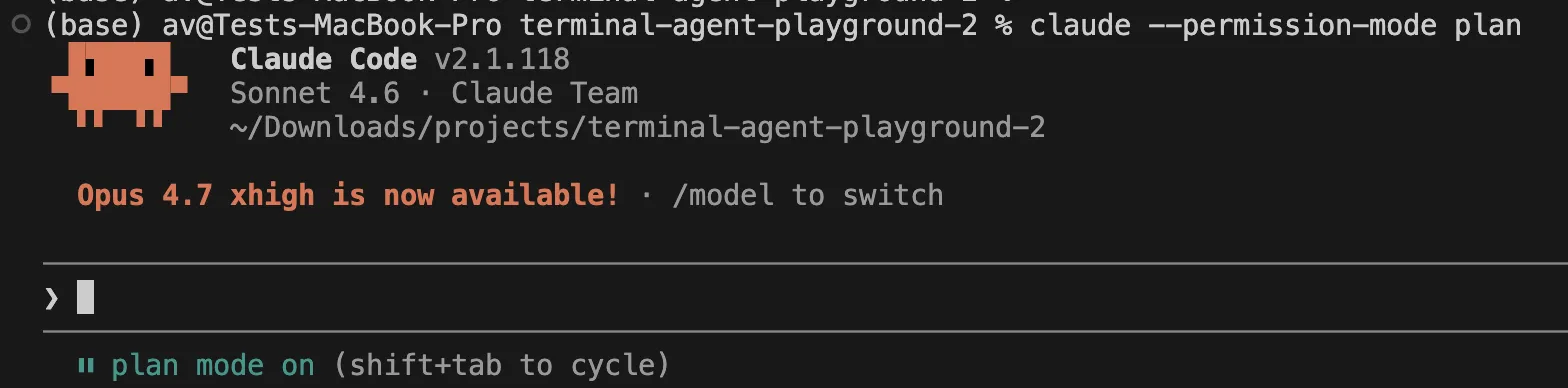
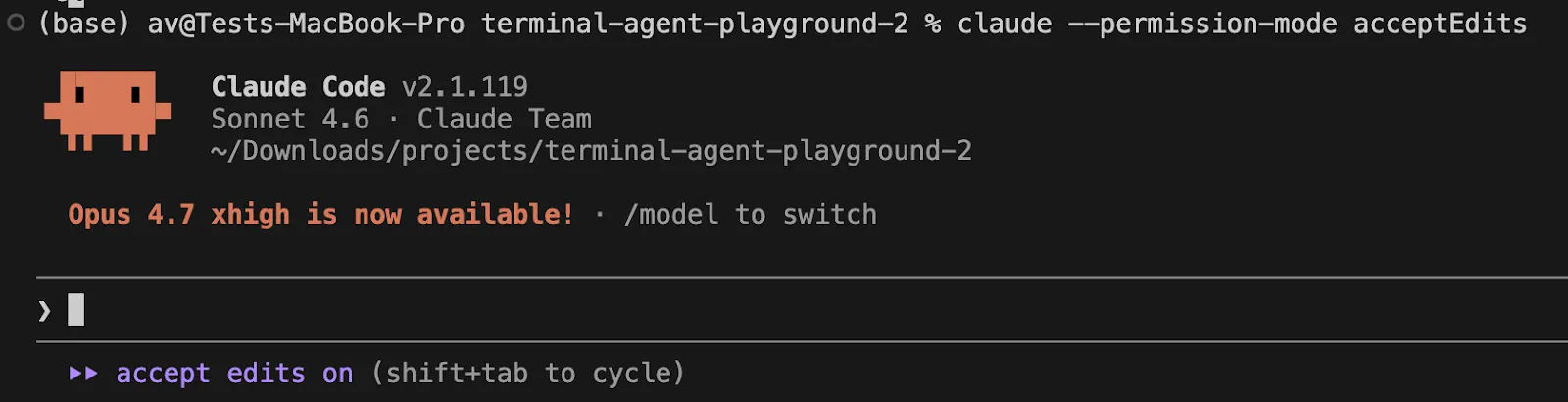
Claude Code introduces descriptive permission tiers:
- Plan: The agent proposes changes but does not touch the source code.
- AcceptEdits: The agent can modify files but requires permission for shell commands.
- Auto: A research-preview mode where the agent uses an internal classifier to decide which actions are safe.
Codex’s Policy-Based Security
Codex approaches safety through "Sandbox Modes" and "Approval Policies," typically configured in a config.toml file. This allows teams to define strict read-only environments for the AI during the initial audit phase, only relaxing restrictions once a human has reviewed the AI’s proposed plan. This system-level control is a significant advantage for organizations with stringent security compliance requirements.
Workflow Integration: Iteration and Error Recovery
The true test of an AI agent is how it handles failure. Claude Code features a powerful /rewind command, which acts as a persistent undo buffer. If an agent’s attempt to refactor a library leads to a cascade of test failures, the developer can instantly revert the code, the conversation, or both to a specific checkpoint. This encourages a "fail-fast" experimental style of development.
Codex approaches recovery through the use of Git "worktrees." By performing its work in an isolated worktree, Codex ensures that the developer’s main working branch remains untouched until the AI’s output is explicitly reviewed and merged. This aligns with traditional engineering workflows where code review is a mandatory gatekeeper.
Extensibility: Skills and Hooks
To move beyond general-purpose assistance, both tools allow developers to define "Skills"—reusable units of logic for specific tasks like PR reviews or deployment.
Claude Code uses a SKILLS.md file where developers can define slash commands. For instance, a /security-audit command could trigger a specific sequence of grep commands and vulnerability scans. Claude can also trigger "hooks"—shell commands that run automatically before or after the agent performs an action, such as running a linter after every file edit.
Codex utilizes a similar "Skill" metadata system but focuses on "progressive disclosure." It only loads the full definition of a skill when it is explicitly needed, saving context window space. It also features an experimental extensibility framework that allows developers to plug Codex into external APIs and proprietary internal tools.
Broader Impact and Industry Implications
The competition between Claude Code and Codex is not merely a battle of model performance; it is a battle for the developer’s environment. According to recent industry data, developers using agentic tools report a 25% to 40% reduction in time spent on "boilerplate" tasks and minor bug fixes. However, this shift also introduces new risks, including "hallucinated" security vulnerabilities and a potential over-reliance on AI for architectural decisions.
From a strategic standpoint, Anthropic is positioning Claude Code as the "human-centric" choice—a tool that augments the individual developer’s intuition. OpenAI, through the Codex ecosystem, is building a "system-centric" platform designed for scalability and integration into automated CI/CD pipelines.
Conclusion: Choosing the Right Agent for the Task
The choice between Claude Code and Codex depends largely on the user’s preferred working style and the complexity of the environment.
Claude Code is the superior choice for developers who prioritize "flow" and rapid prototyping. Its seamless session management, intuitive /rewind feature, and guided onboarding make it feel like a highly capable pair programmer. It is ideal for exploring new repositories or performing complex refactors where the human and AI need to think in tandem.
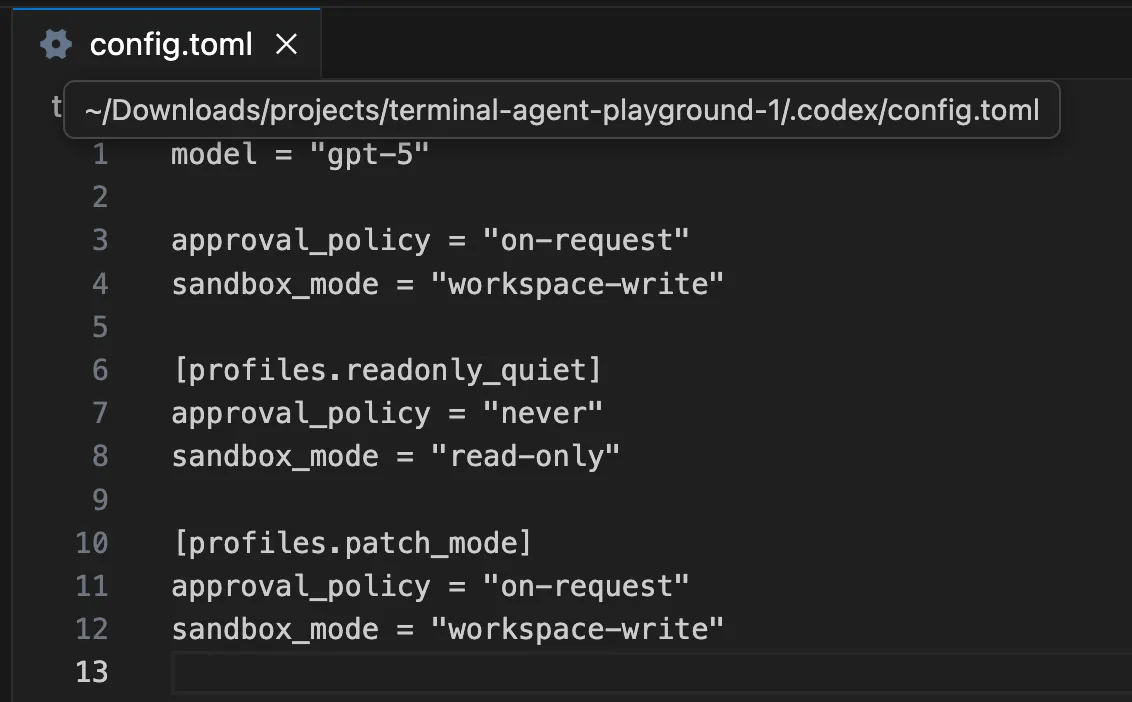
Codex is the preferred tool for teams that require precision, modularity, and system-level control. Its robust configuration options, sandbox policies, and worktree-based isolation make it a powerful platform for building custom, scalable engineering workflows. It is the tool of choice for the "developer tools" engineer who wants to build a programmable coding environment.
As these tools continue to evolve, the line between "writing code" and "managing agents" will continue to blur. Whether through the guided assistance of Claude or the programmable runtime of Codex, the future of software engineering is undeniably agentic.
Frequently Asked Questions
Q1. Are these tools compatible with existing Git workflows?
Yes. Both Claude Code and Codex are designed to work within Git repositories. Claude uses checkpoints for internal tracking, while Codex can be configured to use Git worktrees and branches for its operations.
Q2. Do these agents support languages other than JavaScript/TypeScript?
While both tools are installed via npm, they are "language agnostic." They can read, write, and execute commands for Python, Go, Rust, C++, and any other language supported by the underlying LLM (Claude 3.5 or GPT-4o).
Q3. How do these tools handle private or sensitive data?
Both tools require an internet connection to communicate with their respective LLM providers. However, they provide configuration options to ignore sensitive files (like .env) via .gitignore or specific agent-ignore files. Codex’s local sandboxing provides an additional layer of security by restricting the AI’s access to the network or specific system calls.