rifanmuazin
Tuesday, February 10th, 2026 – 9:00 am
The landscape of digital out-of-home (OOH) advertising is undergoing a significant transformation as the Out of Home Advertising Association of America (OAAA) introduces an updated version of its OpenOOH venue taxonomy. This pivotal development, officially unveiled on Tuesday, February 10th, 2026, aims to bridge the gap between traditional OOH inventory classification and the increasingly sophisticated demands of programmatic buyers. The enhanced taxonomy, a successor to the initial OpenOOH standard launched in 2020, promises to inject greater precision, transparency, and programmatic-friendliness into the OOH ecosystem, fostering a more seamless integration with omnichannel advertising strategies.
Historically, digital OOH inventory has been categorized through broad venue types, such as "retail" or "transit." While this approach sufficed for traditional direct sales, it has proven inadequate for the nuanced requirements of programmatic buying. Programmatic buyers, accustomed to granular targeting and precise audience segmentation, require a deeper understanding of the specific environments in which their advertisements will appear. The limitations of generic categories have created friction, making it challenging for buyers to confidently assess and bid on OOH inventory as a direct extension of their digital campaigns, particularly in rapidly growing areas like retail media networks and connected TV (CTV) advertising.
The OAAA’s initiative directly addresses this industry pain point. The updated OpenOOH taxonomy introduces a hierarchical "parent/children/grandchildren" schema designed to provide media owners with the granular control needed to classify their inventory with unprecedented detail. This structured approach replaces the ambiguity of broad categories with specific, actionable data points, empowering programmatic buyers with the clarity they need to make informed purchasing decisions.
A Shift Towards Programmatic Sophistication
The driving force behind this taxonomic overhaul is the imperative for OOH to keep pace with the accelerating adoption of programmatic buying across the broader digital advertising landscape. Premesh Purayil, CTO at OOH publisher OUTFRONT Media, emphasized the critical need for OOH inventory to be easily understood and integrated into omnichannel campaigns. "Programmatic advertisers need an easier way to use OOH inventory as an extension of their omnichannel campaigns, particularly for retail media and CTV buys," Purayil stated. This sentiment underscores the growing expectation that OOH should function not as a standalone channel, but as a fully integrated component of a holistic media strategy.
Anna Bager, President and CEO of the OAAA, highlighted the strategic advantage this enhanced taxonomy offers OOH publishers. "By bringing OOH media classification more in line with programmatic buying, out-of-home publishers can capitalize on the recent explosion of programmatic CTV and retail media spend in recent years," Bager remarked. This move is particularly timely, as the OOH industry has demonstrated remarkable resilience and growth. Following a challenging period during the COVID-19 pandemic, OOH advertising has experienced 18 consecutive quarters of ad revenue growth. In the third quarter of 2025, OOH ad spend reached a record $2.13 billion, marking a 4.5% year-over-year improvement, according to OAAA data. Despite this robust performance, OOH has largely remained a direct-sold channel, with open-auction programmatic accounting for a relatively small fraction of overall ad spend, a situation the new taxonomy aims to rectify.
Granular Classification for Enhanced Targeting
The core innovation of the updated OpenOOH taxonomy lies in its structured, hierarchical classification system. This schema allows media owners to tag their inventory with a precision that was previously unattainable. For example, a digital screen located at an airport baggage claim can now be specifically identified as "transit/airports/baggage claim," a stark contrast to being simply lumped into the generic "transit" category. This level of detail empowers advertisers to move beyond broad assumptions and target specific audience contexts with greater accuracy.
Historically, the OpenRTB (Open Real-Time Bidding) protocol, a crucial standard for programmatic advertising, allowed for the use of a venueTypeString field. This field served as a free-text area where media owners could manually input more descriptive details about the exact location of an OOH screen. While this offered some flexibility, Purayil pointed out its inherent limitations: "free text fields can be hard for programmatic systems to read accurately because they tend to be inconsistently applied across platforms." The lack of standardization in free-text entries often led to interpretation errors and rendered programmatic systems less effective.
Recognizing this deficiency, the new OOH taxonomy deprecates the venueTypeString field. By establishing a standardized, structured schema, the OAAA eliminates the guesswork and inconsistencies associated with free-text fields, ensuring that programmatic platforms can interpret and utilize OOH inventory data with greater reliability. While AdExchanger sought comment from the IAB Tech Lab regarding their plans for integrating the new OOH taxonomy into the OpenRTB specification and deprecating legacy fields, no response was received by the time of publication.
Democratizing OOH for Broader Advertiser Adoption
The implications of this enhanced taxonomy extend far beyond mere classification; it represents a significant step towards democratizing OOH advertising and making it more accessible and effective for a wider range of advertisers. The ability to "zero in on the OOH inventory they want to use for omnichannel audience extension," as Purayil described, opens up new strategic possibilities.
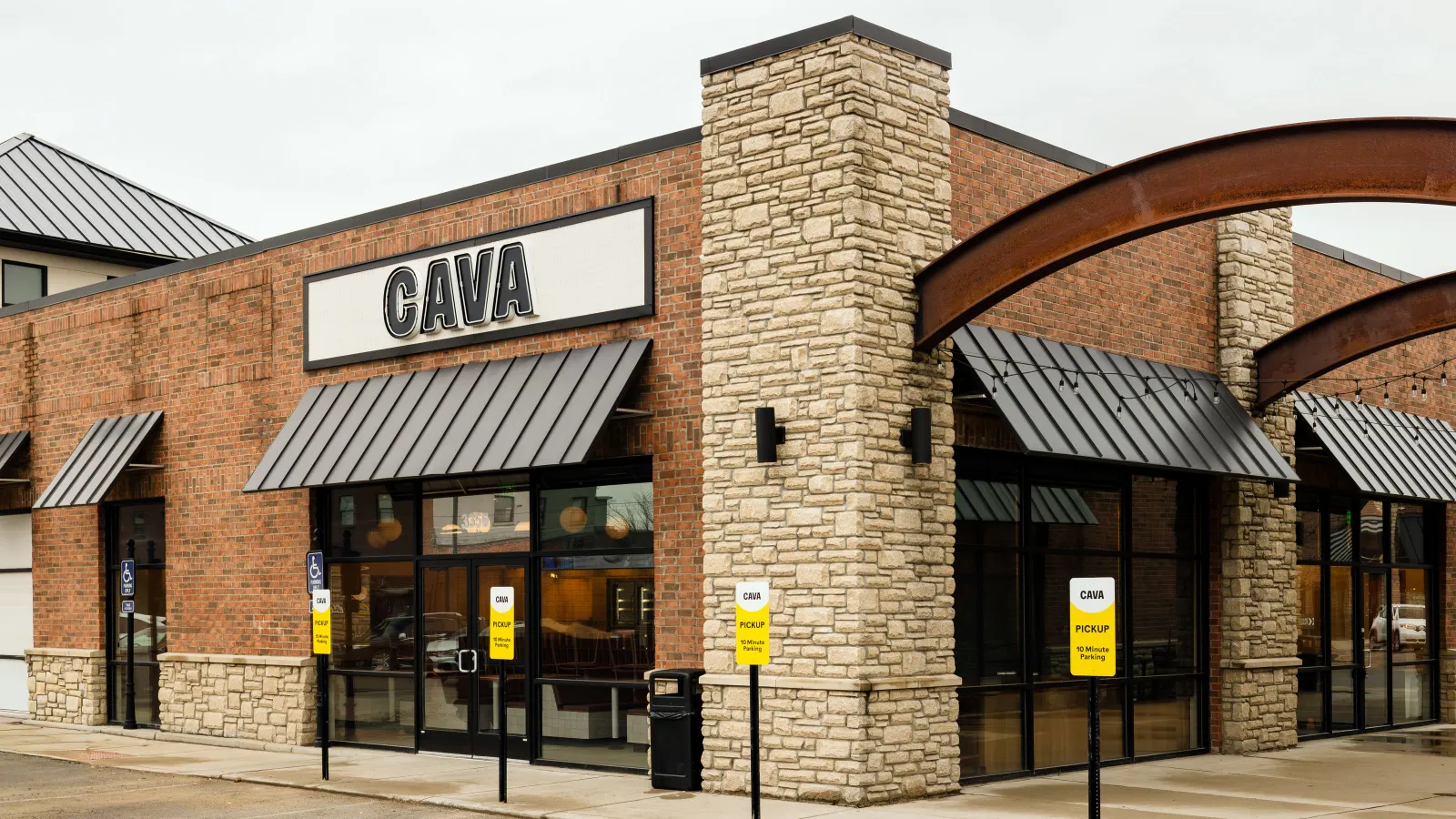
Consider the CPG sector. Instead of targeting the all-encompassing "retail" category, brands can now precisely select stores where their products are actually sold, ensuring their OOH placements are contextually relevant and aligned with their distribution strategies. This granular targeting also extends to the specific locations within venues. A potato chip brand, for instance, might opt for street-facing displays in bodegas to reach convenience shoppers, while a pharmaceutical brand could prioritize screens positioned near pharmacy counters in drug stores, reaching consumers actively seeking health-related products.
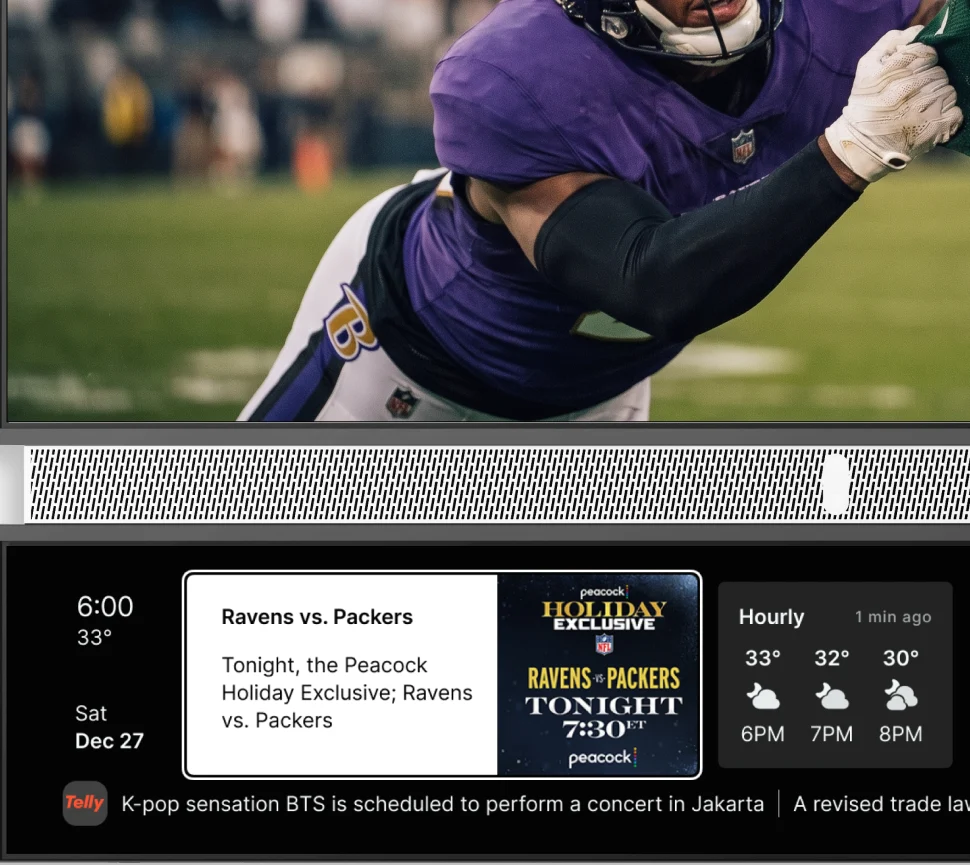
Furthermore, the taxonomy addresses the nuanced distinction between traditional OOH and what Purayil terms "sorta CTV" placements – such as TVs mounted in bars. This distinction is crucial for advertisers whose creative strategies depend on audio. Brands whose CTV creative relies on sound might choose to avoid these environments, while brands targeting sports fans with visually driven creative where audio is less critical could deliberately target "sorta CTV" inventory to expand their reach. By enabling such precise distinctions, the new taxonomy caters to both buy-side and sell-side needs, ensuring that diverse types of OOH inventory are not indiscriminately grouped together. This benefits advertisers by providing more relevant media options and allows publishers to effectively showcase the unique value of their inventory without concerns about mismatched placements negatively impacting campaign performance.
Empowering Niche Publishers and Shifting Revenue Streams
The introduction of a more granular and standardized taxonomy is also poised to benefit smaller, more niche OOH publishers. These entities often lack the brand recognition and established sales teams of larger players like OUTFRONT Media. While larger platforms benefit from existing relationships with specialist agencies and a deep understanding of how their inventory is organized, smaller publishers can struggle to gain visibility within programmatic buying flows.
However, by adopting the new OpenOOH taxonomy, smaller publishers can significantly enhance the programmatic activation of their inventory. This makes it easier for advertisers to discover and incorporate their offerings into broader omnichannel programmatic buys, moving beyond reliance on direct deals or private marketplace (PMP) arrangements. "The revenue is already flowing in heavily through the private marketplace side," Purayil noted. "But this could potentially move some of that revenue into the open marketplace, if it makes sense."
This potential shift from private marketplaces to the open auction is a significant implication of the enhanced taxonomy. While PMPs offer controlled environments, the open auction, when armed with granular data, can provide greater scale and efficiency. The improved transparency and precision offered by the new taxonomy could make open-auction programmatic a more attractive and viable option for a wider array of OOH inventory, including that from smaller publishers. This, in turn, fosters a more competitive and dynamic OOH marketplace, benefiting advertisers with a broader selection of targeted opportunities and publishers with increased access to programmatic demand.
The Working Group and Future Development
The development of this updated taxonomy was spearheaded by the OpenOOH Taxonomy Working Group, which comprised industry experts who dedicated their efforts to crafting the new specification throughout the past year. In a strategic move to ensure the ongoing evolution and maintenance of this critical standard, the OAAA is integrating the Working Group into its broader OAAA Taxonomy Committee. This consolidation will create a dedicated body responsible for the continuous development, refinement, and promotion of the OpenOOH taxonomy, ensuring its relevance and effectiveness in the ever-changing programmatic landscape.
The OAAA’s commitment to evolving the OpenOOH taxonomy reflects a broader industry trend towards greater standardization and programmatic integration. As OOH advertising continues its impressive growth trajectory, driven by innovation and a deeper understanding of its unique value proposition, initiatives like this are crucial for unlocking its full potential in the digital age. By providing the clarity and precision that programmatic buyers demand, the enhanced OpenOOH taxonomy is set to play a pivotal role in solidifying OOH’s position as an indispensable component of modern, data-driven advertising campaigns.