rifanmuazin
The landscape of e-commerce delivery is undergoing a dramatic transformation, driven by the relentless pursuit of speed and cost-efficiency. Local carriers, once relegated to niche markets, are now at the forefront of a revolution, promising lightning-fast and remarkably affordable delivery of online purchases. However, this paradigm shift, powered largely by the gig economy, is not without its significant drawbacks. As customer expectations soar, concerns are mounting regarding the consistency of service and the increasing vulnerability of packages to theft once they reach the customer’s doorstep.
This evolving dynamic is a direct response to the persistent challenge of the "last mile"—the final leg of a product’s journey from a distribution hub to the consumer. Merchants and shipping companies have long grappled with optimizing this crucial, and often most expensive, part of the delivery chain. A prominent recent example of this ongoing effort is Target’s announcement this past month to significantly expand its Shipt-powered same-day delivery model. By 2026, the retail giant plans to roll out this service to over 100 of its U.S. stores, signaling a deep commitment to leveraging its existing physical footprint for faster, more localized fulfillment.
The operational backbone of these rapid delivery services—including Shipt, Amazon Flex, and Uber—is the gig economy. These platforms rely on a vast network of independent contractors, often referred to as gig workers, who utilize their personal vehicles to pick up packages directly from retail locations or fulfillment centers and deliver them to customers. This model allows for unparalleled flexibility and responsiveness, enabling businesses to offer delivery windows that were previously unimaginable. The implications are profound, as the delivery experience is increasingly becoming a critical touchpoint that shapes a customer’s overall perception of a brand. A seamless and swift delivery can foster loyalty, while a failed or delayed one can lead to immediate dissatisfaction and potentially lost business.
The Localized Fulfillment Revolution
Target’s strategic embrace of Shipt exemplifies a broader trend toward localized fulfillment. By transforming its network of brick-and-mortar stores into de facto micro-fulfillment centers, Shipt effectively brings inventory and delivery capabilities closer to the end consumer. Drivers for Shipt, operating under the Target umbrella, collect orders directly from local Target stores, drastically shortening delivery routes and reducing reliance on traditional, long-haul shipping networks. This approach circumvents the need for extensive new distribution center construction, as each store becomes a potential node in the delivery infrastructure.
Target’s acquisition of Shipt in 2017 marked a pivotal moment in this strategy. What began primarily as a same-day grocery delivery service has since evolved into a comprehensive last-mile network, intrinsically linked to the real-time inventory available within Target’s store base. This integration has yielded significant cost savings. Reports suggest that Target can reduce its per-package delivery costs by approximately $2.50 when utilizing Shipt compared to traditional national carriers. These savings are primarily attributed to a reduction in the number of handoffs a package undergoes and the significantly shorter transit distances involved. Packages no longer need to navigate multiple sortation facilities or travel long distances via national carrier networks, streamlining the entire process.
This localized model not only slashes costs but also dramatically enhances delivery speed. With orders originating from stores in close proximity to the customer, delivery windows can be significantly tightened without the need for costly expedited air freight or premium shipping services. This dual benefit of reduced fulfillment costs and the ability to meet escalating consumer demand for faster delivery positions companies like Target with a competitive edge in the increasingly crowded e-commerce market. It is important to note that Target is far from an isolated case; major retailers such as Walmart and Amazon, alongside a host of other omnichannel businesses, are actively pursuing similar initiatives to optimize their last-mile operations.
A Different Operational Paradigm
Shipt and its ilk represent a departure from the highly structured operations of traditional small-package delivery services. This evolving ecosystem now includes a diverse array of players: regional carriers, burgeoning gig platforms, and specialized white-label delivery services, all growing in parallel with established national providers like UPS, FedEx, and the USPS. For merchants, this proliferation of options offers greater flexibility but also introduces a significant degree of operational complexity and a potential reduction in standardization.
Traditional carriers have long operated meticulously controlled networks, characterized by standardized processes for service levels, routing, and package handling. While these systems ensure a high degree of predictability, they can also be less agile and more expensive. In contrast, gig delivery networks offer a more fluid and adaptable model. This flexibility, however, comes at the cost of consistency. The decentralized nature of gig work, where independent contractors manage their own schedules and routes, can lead to variations in service quality, delivery times, and even the final placement of packages.
The Growing Pains of Delivery Fails
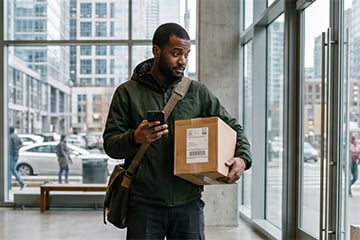
The reality of e-commerce delivery is that botched deliveries are an increasingly common, and frustrating, experience for consumers. Consider the scenario of a resident living on the sixth floor of a downtown apartment building. In such buildings, packages are often designated to be left in a secure room equipped with controlled entry and surveillance cameras. While delivery services typically employ one-time passcodes for entry into the building and then the designated room, this process can be unfamiliar to many gig drivers. This unfamiliarity can lead to packages being left in less secure areas, such as lobbies or hallways near the recipient’s door, significantly increasing the risk of damage or, more alarmingly, theft. Suburban recipients often face similar challenges, where unattended packages left on porches or driveways become easy targets.
The Challenge of Inconsistency
While it is crucial to acknowledge that mistakes can occur within any delivery system, including those operated by established carriers like Amazon, UPS, FedEx, and the USPS, the risk profile appears to be elevated with part-time, less experienced gig workers. The inherent variability in the gig economy translates directly into potential inconsistencies in the delivery process. Delivery timings can fluctuate considerably, front-door drop-off placements can vary significantly from one driver to another, and the level of communication provided to the customer can be limited or inconsistent.
Large retailers, with their robust customer service departments and strong brand equity, are often better equipped to absorb the impact of such delivery failures. They can typically manage customer complaints, issue refunds, and mitigate negative reviews without significant damage to their overall reputation. However, for small to medium-sized merchants, operating with narrower profit margins, such delivery mishaps can be far more damaging. A missed delivery, a poorly handled package, or a lost item can translate into substantial support costs, lost revenue from refunds, and damaging negative reviews that can quickly erode a nascent brand’s credibility. The delivery experience, even if outsourced, becomes an integral part of the product itself, directly impacting customer satisfaction and brand perception. The critical challenge for businesses in this evolving landscape is to strike a delicate balance between cost-effectiveness, delivery speed, and the quality of the customer experience.
Navigating the New Delivery Landscape
To mitigate the risks associated with gig-based delivery, businesses must adopt proactive strategies. This includes setting clear expectations for customers regarding delivery protocols and potential variations. Furthermore, establishing robust systems for monitoring customer complaints and feedback is paramount. Analyzing these complaints can help identify patterns of failure, specific drivers or routes that are problematic, and areas where operational adjustments are needed.
In this dynamic e-commerce environment, delivery is no longer merely a logistical function; it is a fundamental component of the brand experience. As consumer expectations continue to push the boundaries of what is considered acceptable delivery speed and convenience, the methods employed to achieve these goals will remain a critical area of focus for retailers. The success of businesses will increasingly hinge on their ability to leverage the speed and cost advantages of gig delivery while simultaneously implementing measures to ensure reliability, security, and a consistently positive customer journey. The ongoing evolution of the last-mile delivery sector promises to be a defining factor in the future of e-commerce, requiring constant innovation and adaptation from all stakeholders involved.
The data surrounding the growth of the gig economy in delivery is substantial. In the United States, the number of independent contractors has steadily increased over the past decade, with many of these individuals participating in delivery services. Reports from organizations like the Bureau of Labor Statistics have indicated a growing segment of the workforce engaged in "on-demand" or "gig" work. For example, in 2023, estimates suggest that millions of Americans participate in the gig economy, with a significant portion of this activity concentrated in delivery services, driven by platforms like DoorDash, Uber Eats, and Instacart, alongside Amazon Flex and Shipt. This trend is further fueled by the increasing adoption of smartphones and the proliferation of sophisticated logistics apps that connect drivers with delivery opportunities in real-time. The convenience offered by these services has resonated with consumers, leading to a surge in demand for same-day and rapid delivery options.
The financial incentives for retailers to adopt these models are also compelling. Beyond the per-package savings mentioned in relation to Target and Shipt, the ability to leverage existing store infrastructure as fulfillment hubs reduces the capital expenditure typically associated with building out new distribution networks. This is particularly attractive for retailers seeking to compete with e-commerce giants that have already established extensive logistical footprints. Furthermore, the flexibility of the gig model allows businesses to scale their delivery operations up or down in response to fluctuating demand, without the overhead costs associated with maintaining a large, permanent fleet of drivers and vehicles.
However, the challenges are not insignificant. The inconsistency in service quality can lead to a higher rate of customer churn. A study by the research firm Statista indicated that a significant percentage of online shoppers have experienced issues with package delivery, ranging from late arrivals to damaged goods. These negative experiences can have a direct impact on customer loyalty and repeat purchase rates. Moreover, the security aspect of doorstep delivery is a growing concern. With the rise in package theft, often referred to as "porch piracy," consumers are becoming more apprehensive about leaving valuable items unattended. This has led to the development of various solutions, including secure delivery lockers, in-person signature requirements, and even in-home delivery options, but these often add complexity and cost to the delivery process.
The regulatory landscape surrounding gig work is also a point of consideration. Various jurisdictions have debated and implemented regulations concerning the classification of gig workers, their rights, and benefits. These evolving legal frameworks can introduce uncertainty for platforms and the businesses that rely on them. For instance, the debate over whether gig workers should be classified as independent contractors or employees has significant implications for labor costs, benefits, and the overall operational model of delivery services.
In response to these challenges, some retailers are exploring hybrid models. These often involve a combination of their own employed delivery staff for core routes and customer service, supplemented by gig workers for overflow or specific geographical areas. This approach aims to balance the cost-effectiveness and flexibility of the gig model with the greater control and consistency offered by a direct workforce. Additionally, technology is playing an increasingly vital role in enhancing the reliability and security of deliveries. Advanced tracking systems, AI-powered route optimization, and real-time communication platforms are being developed to provide greater transparency and accountability throughout the delivery process.
Ultimately, the success of the current trend in rapid, localized e-commerce delivery will depend on the industry’s ability to effectively address the inherent trade-offs between speed, cost, and quality. As consumers continue to demand ever-faster and more convenient delivery options, businesses will need to innovate relentlessly to meet these expectations while simultaneously building trust and ensuring a secure and reliable delivery experience. The next few years will likely see further experimentation and refinement of these delivery models, with a continued emphasis on leveraging technology and strategic partnerships to overcome the persistent challenges of the last mile.

 Raul Delapena Setiawan
 Ammar Sabilarrohman