rifanmuazin
In the rapidly evolving landscape of the global experience economy, the ability to quantify customer sentiment has transitioned from a competitive advantage to a fundamental business necessity. As organizations pivot toward customer-centric models, two primary metrics have emerged as the industry standards for measuring success: the Customer Satisfaction Score (CSAT) and the Net Promoter Score (NPS). While these acronyms are frequently used interchangeably in corporate boardrooms, they represent distinct dimensions of the customer journey. Understanding the nuanced differences between the transactional nature of CSAT and the relational depth of NPS is critical for product leaders, marketing executives, and customer success teams aiming to reduce churn and foster long-term brand advocacy.
The Evolution of Customer Sentiment Analysis
The history of measuring customer satisfaction dates back to the quality management movements of the 1970s and 1980s, where businesses began to realize that product specifications alone did not guarantee market success. However, it wasn’t until the early 2000s that the industry saw a standardized shift. In 2003, Fred Reichheld, a partner at Bain & Company, introduced the Net Promoter Score in a Harvard Business Review article titled "The One Number You Need to Grow." Reichheld argued that traditional satisfaction surveys were too long and complex, and that a single question regarding a customer’s likelihood to recommend a brand was the most accurate predictor of growth.
Since then, the digital transformation of the 21st century has introduced real-time data collection. Today, the Customer Experience (CX) management software market is valued at over $10 billion and is projected to grow significantly as companies integrate artificial intelligence to analyze feedback. In this high-stakes environment, the choice between CSAT and NPS—or the strategic implementation of both—determines how effectively a company can respond to market shifts and consumer demands.
Defining the Metrics: CSAT and NPS
Customer Satisfaction Score (CSAT)
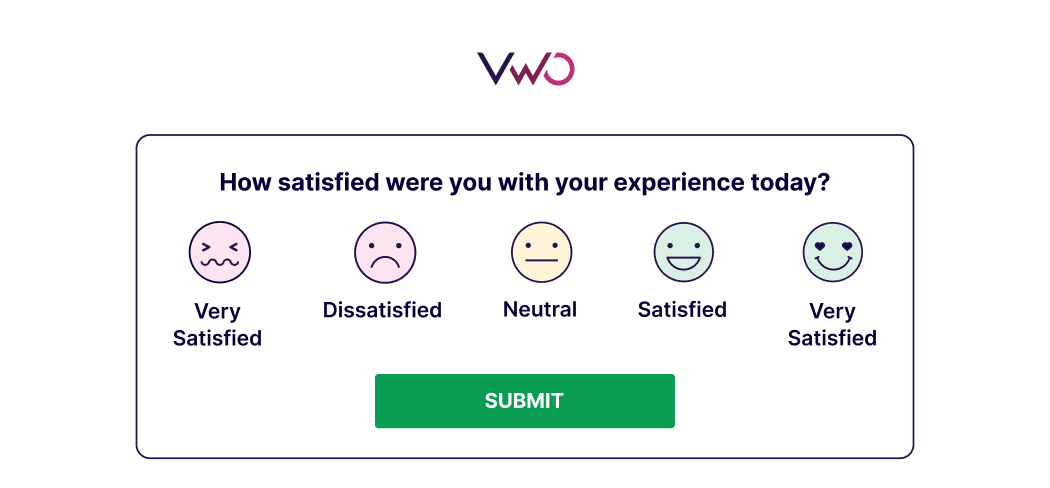
CSAT is widely regarded as the "pulse" of a specific interaction. It is a transactional metric designed to capture a customer’s immediate reaction to a particular touchpoint, such as a support ticket resolution, a product purchase, or a website navigation experience. Typically measured on a scale of 1 to 5 (ranging from "Very Dissatisfied" to "Very Satisfied"), the score is calculated by taking the average of all responses or the percentage of "top-box" (4 and 5) responses.
The primary strength of CSAT lies in its specificity. It allows department heads to pinpoint exactly where friction occurs in a user’s journey. For instance, if a software company releases a new feature and sees a localized drop in CSAT, they can immediately identify that the specific feature—rather than the brand as a whole—is causing frustration.
Net Promoter Score (NPS)
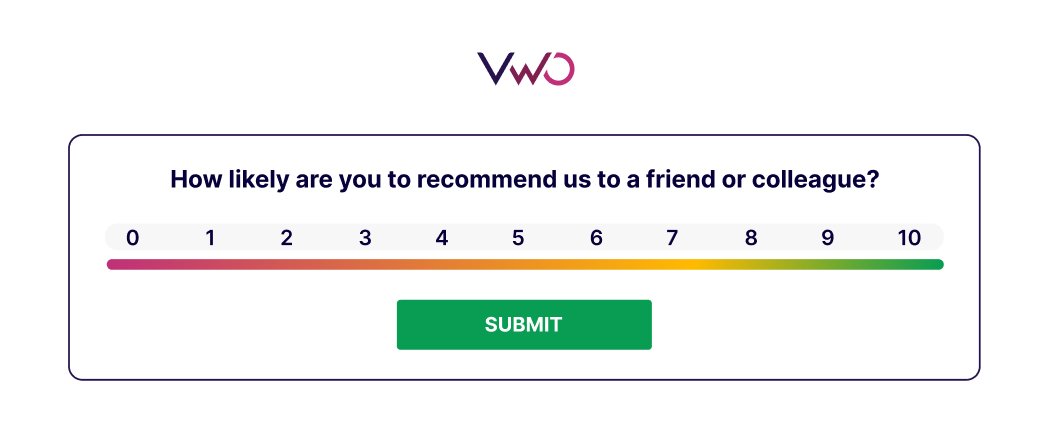
NPS represents the "big picture" of the brand-customer relationship. It is a relational metric that gauges long-term loyalty and the likelihood of organic growth through word-of-mouth. Customers are asked a single question: "On a scale of 0 to 10, how likely are you to recommend [Brand/Product] to a friend or colleague?"
Respondents are categorized into three groups:

- Promoters (9-10): Loyal enthusiasts who will keep buying and refer others.
- Passives (7-8): Satisfied but unenthusiastic customers who are vulnerable to competitive offerings.
- Detractors (0-6): Unhappy customers who can damage your brand and impede growth through negative word-of-mouth.
The final NPS is calculated by subtracting the percentage of Detractors from the percentage of Promoters, resulting in a score ranging from -100 to +100.
Comparative Analysis: Transactional vs. Relational Focus
The fundamental divergence between CSAT and NPS is found in their temporal scope and strategic application. CSAT is a short-term "reaction" metric, whereas NPS is a long-term "reputation" metric.
| Feature | CSAT (Customer Satisfaction Score) | NPS (Net Promoter Score) |
|---|---|---|
| Primary Purpose | Measure satisfaction with a task | Measure brand loyalty |
| Focus | Short-term "Reaction" | Long-term "Reputation" |
| Scope | Specific interaction/touchpoint | Overall brand relationship |
| Timing | Real-time / Post-interaction | Periodic (Quarterly/Biannually) |
| Outcome | Tactical improvements | Strategic growth and retention |
Industry data suggests that these metrics often move in tandem but serve different masters. According to recent benchmarks in the SaaS sector, an average NPS hovers around 40, while a healthy CSAT score for support interactions is typically above 80%. A high CSAT with a low NPS indicates that while your individual departments are performing well, your overall value proposition or brand experience is failing to resonate on a deeper level.
The Strategic Implementation of the Loyalty-Satisfaction Matrix
Sophisticated organizations move beyond tracking scores in isolation and instead plot CSAT and NPS together to create a "Loyalty-Satisfaction Matrix." This allows leaders to segment their customer base into four distinct categories, each requiring a different strategic response:
- Brand Champions (High CSAT, High NPS): These are the gold standard of customers. They are satisfied with individual interactions and loyal to the brand. Strategic move: Leverage them for case studies, testimonials, and referral programs.
- At-Risk Satisfied Users (High CSAT, Low NPS): These customers find the product functional but lack emotional attachment. They are highly susceptible to competitors offering a lower price. Strategic move: Focus on brand-building, community engagement, and exclusive loyalty rewards.
- Frustrated Loyalists (Low CSAT, High NPS): These users believe in the brand’s vision but are currently struggling with the product or service. Strategic move: Prioritize their technical friction points immediately to prevent "loyalty fatigue."
- Churn Risks (Low CSAT, Low NPS): These individuals have checked out both technically and emotionally. Strategic move: Immediate intervention by account managers or, in some cases, facilitating a "graceful exit" to prevent further negative reviews.
The Role of Artificial Intelligence and Modern Platforms
As the volume of customer feedback grows, the manual analysis of open-ended survey responses has become untenable. The integration of Generative AI has revolutionized how companies process CSAT and NPS data. Modern experience platforms, such as VWO Pulse, now utilize natural language processing (NLP) to categorize sentiment and identify emerging themes in real-time.
Ali Good, Global Head of Strategy and Product Marketing at Quizizz, emphasizes the importance of using this data to refine brand messaging. "Voice of customer is a form of social proof that you can add and weave through all of your messaging," Good noted in a recent industry webinar. "See the actual language that your customers are using to describe your product. Use those words in your messaging to avoid jargon that can sometimes creep in."
However, experts caution against over-reliance on automation. While AI can surface patterns quickly, human judgment remains essential for validating insights and ensuring that tactical changes align with the broader company mission.
Industry Benchmarks and Global Implications
The impact of these metrics extends to corporate valuation and investor confidence. Research by Bain & Company shows that companies with leading NPS scores in their industries grow at more than twice the rate of their competitors. In the retail sector, for instance, brands like Costco and Amazon consistently post NPS scores in the 60-70 range, significantly higher than the industry average of 30. This correlates directly with their market dominance and lower customer acquisition costs.
Conversely, a declining CSAT score is often a leading indicator of operational inefficiency. In the airline industry, a sharp drop in CSAT following a policy change or a series of delays often precedes a dip in stock price, as it signals future customer attrition.
Closing the Loop: Moving from Data to Action
The ultimate value of CSAT and NPS is not found in the score itself, but in the "closing of the loop"—the process of following up with customers and implementing changes based on their feedback.
To maximize the ROI of feedback programs, organizations should follow a structured chronology:
- Capture: Deploy contextual surveys at critical journey points (e.g., post-checkout CSAT or quarterly NPS).
- Analyze: Use behavioral analytics, such as heatmaps and session recordings, to see if the "what" (the score) matches the "how" (the user’s actual behavior).
- Hypothesize: Develop theories on why scores are fluctuating.
- Test: Use A/B testing or personalization tools to validate potential fixes.
- Measure: Re-deploy surveys to ensure the changes have positively impacted sentiment.
Conclusion
In an era where the cost of customer acquisition continues to rise, retention is the most viable path to sustainable growth. CSAT and NPS are not competing metrics but rather two halves of a whole. CSAT provides the tactical agility to fix immediate problems, while NPS provides the strategic foresight to build a lasting brand. By integrating these metrics into a unified feedback-to-action system, businesses can move beyond merely "measuring happiness" and begin actively engineering loyalty, advocacy, and long-term profitability. As the digital landscape becomes increasingly crowded, the companies that listen most effectively to their customers—and act on what they hear—will be the ones that define the future of their industries.


 Asro
Asro
 Dwi Wanna