rifanmuazin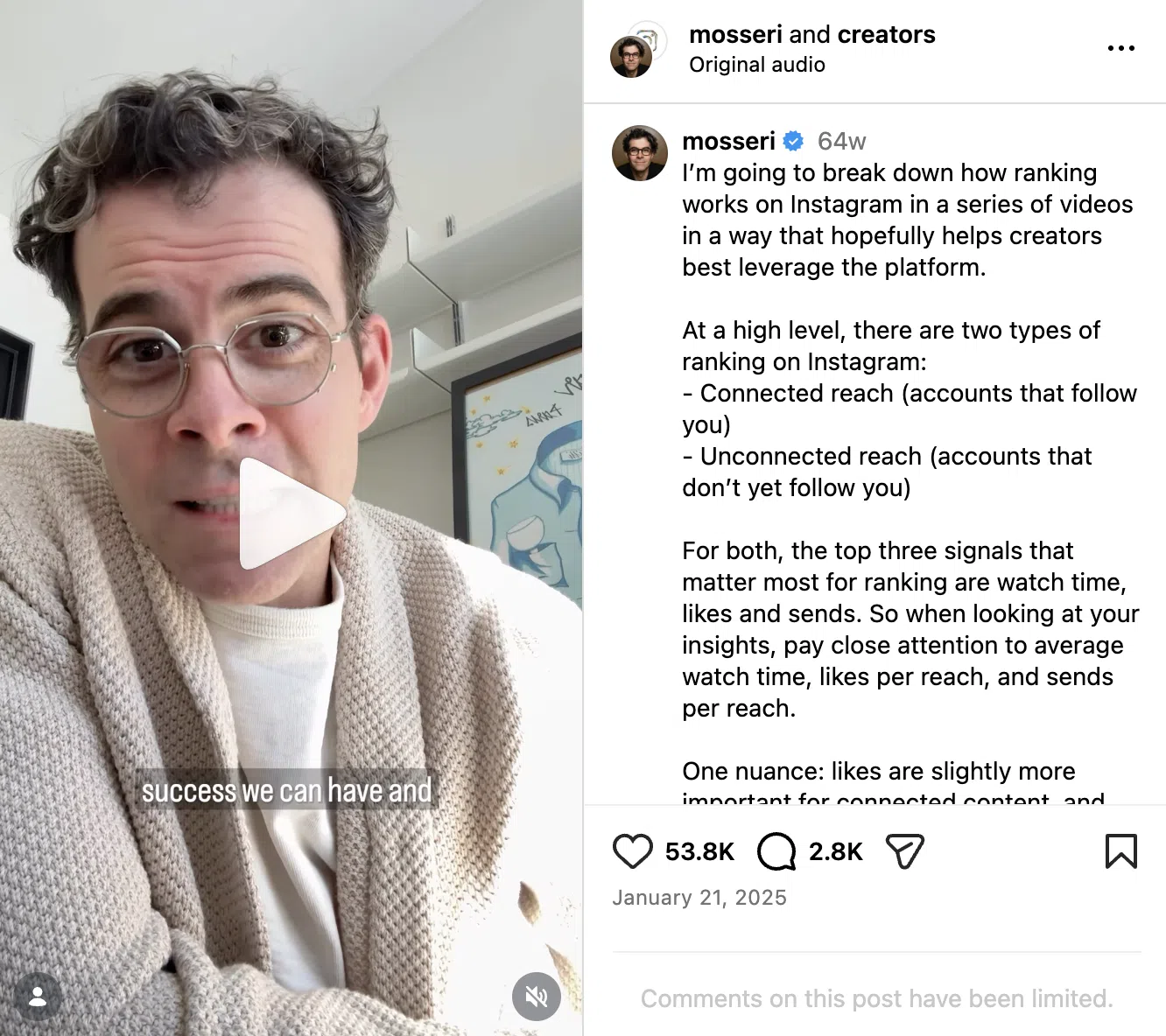
Social media algorithms are intricate collections of rules, ranking signals, and sophisticated calculations designed to determine the priority and display order of content for each user. These AI-powered systems dictate what billions of individuals encounter daily across the myriad platforms, constantly evolving through machine learning to personalize the digital experience. In 2026, understanding and adapting to these algorithms is not merely an advantage but a fundamental necessity for anyone seeking visibility and engagement online.
The Evolution of the Digital Feed: From Chronology to Hyper-Personalization

The early days of social media, marked by pioneers like MySpace and the nascent Facebook in the early 2000s, offered a largely chronological feed. Users saw content in the order it was posted, a straightforward system that prioritized recency above all else. This era, while simple, quickly became unsustainable as the volume of content exploded. With millions of users posting daily, a purely chronological feed meant much relevant content was buried, and users often missed updates from their closest connections or preferred creators.
The shift began in the mid-2010s, driven by the imperative to manage content overload and enhance user retention. Platforms realized that by curating feeds based on individual preferences, they could increase engagement, watch time, and ultimately, advertising revenue. This marked the birth of complex, interest-based algorithms. Today, in 2026, this evolution has culminated in highly advanced, AI-driven systems that learn from every interaction, delivering a unique content stream to each of the average 141 minutes per day a user spends on social media globally (Statista, 2024 projection). While most modern platforms heavily rely on these sophisticated ranking mechanisms, a few, like Bluesky, offer chronological feeds as a default, and platforms such as X, Facebook, and Instagram still provide chronological viewing options for those who prefer it.
The Mechanics of Modern Algorithms: Signals, Learning, and Intelligence

At its core, a social media algorithm functions like a digital curator, sifting through vast amounts of content to present what it believes will be most relevant and engaging to a specific user. This curation process relies on three interconnected pillars: ranking signals, machine learning, and artificial intelligence.
- Ranking Signal: These are the attributes or factors algorithms use to assess content quality, relevance, and potential user interest. Signals can range from explicit actions like likes and shares to more subtle indicators like watch time, comment sentiment, and even the speed at which a user scrolls past a post. The weight given to each signal varies significantly across platforms and even within different sections of the same platform (e.g., Instagram Reels vs. Stories).
- Machine Learning (ML): A subset of AI, machine learning is the engine that allows algorithms to continuously improve without explicit programming. By analyzing massive datasets of user behavior—what content they engage with, for how long, what they share, and what they ignore—ML models identify patterns. For instance, if a user consistently watches cooking videos to completion, the ML model learns this preference and prioritizes similar content. This iterative learning process ensures the algorithm remains dynamic and responsive to changing user habits and interests.
- Artificial Intelligence (AI): AI encompasses the broader technological capability that enables computers to solve complex problems, mimic human reasoning, and automate tasks. In social media, AI orchestrates the entire algorithmic process, from identifying trends in content creation to predicting user behavior and fine-tuning the delivery mechanism. It allows platforms to not only understand individual preferences but also to detect emerging topics, filter spam, and even moderate content at scale.
A practical example illustrates this personalization: if a user consistently engages with three cooking Reels on Instagram, the algorithm logs watch time and engagement. This data, combined with past interactions, signals a strong interest in culinary content. Consequently, the user’s feed and Explore page will increasingly feature cooking-related Reels. Simultaneously, a friend who prefers travel photography will receive a completely different set of recommendations, demonstrating the algorithm’s power to deliver a bespoke experience to every individual.
Key Ranking Signal Categories in 2026
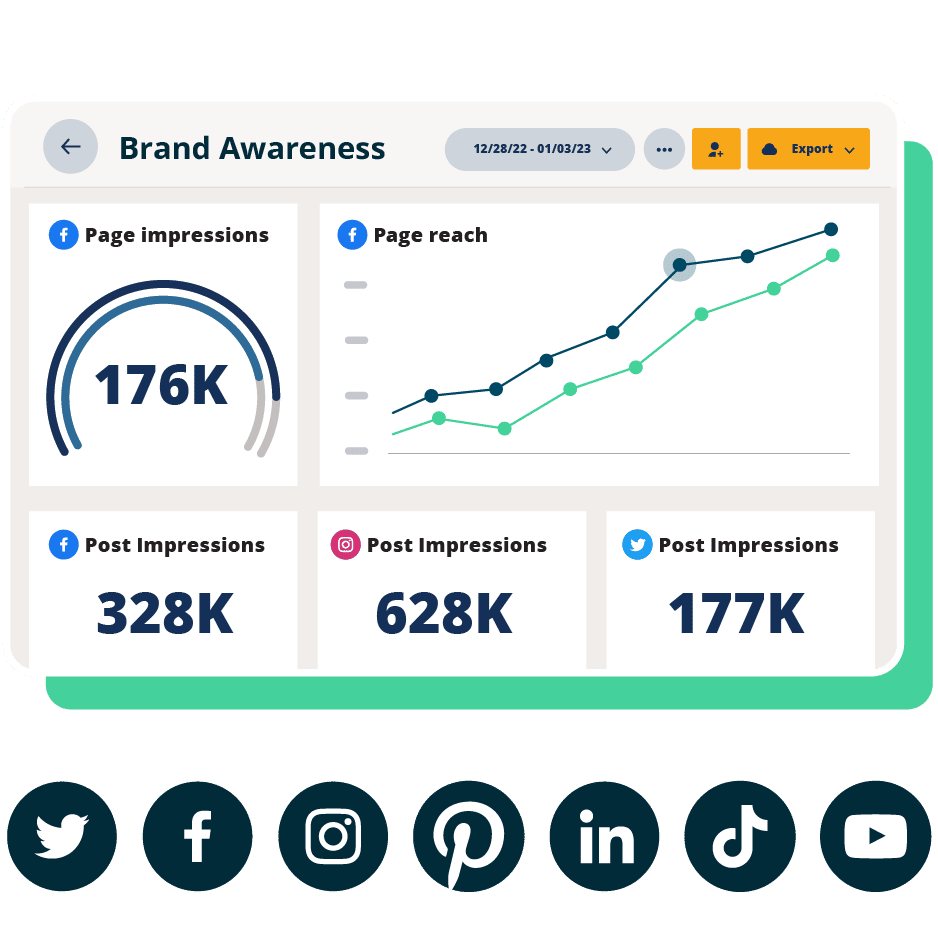
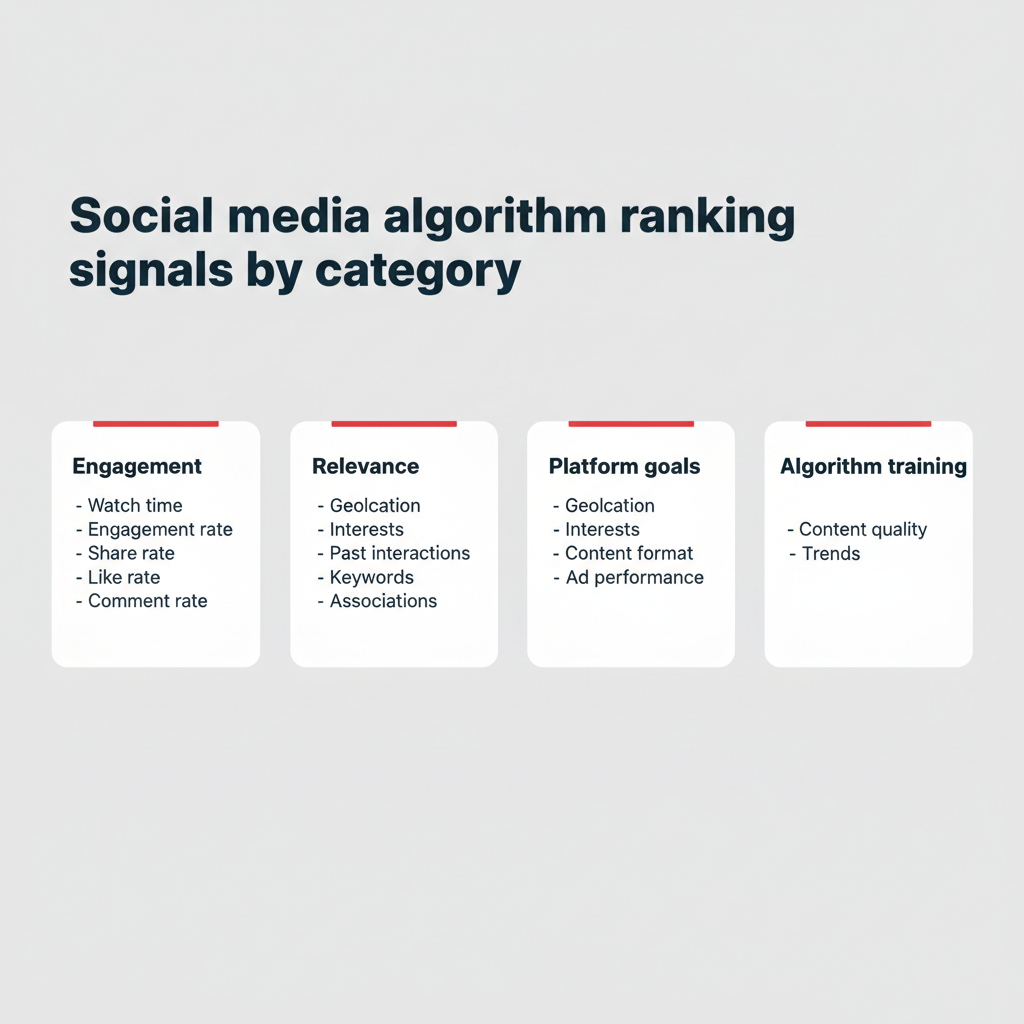
While the specifics vary, most algorithms draw from a common set of signal categories to rank content:
-
Engagement-Based Ranking: This category prioritizes content that generates user interaction. Signals include:
- Likes and Reactions: Basic affirmations of approval.
- Comments: Indicating deeper thought and interaction.
- Shares: Signifying content deemed valuable enough to disseminate.
- Saves: Suggesting content for future reference or enjoyment.
- Watch Time/Completion Rate: Crucial for video content, indicating sustained interest.
- Click-Through Rate (CTR): For links or multi-media posts.
-
Relevance and Personalization: These signals ensure content aligns with individual user interests and past behaviors. Factors include:
- User’s Past Interactions: History of liked, commented on, or saved content.
- Connections: Content from friends, family, or accounts the user frequently interacts with.
- Content Type Preference: Does the user prefer video, images, or text?
- Topical Interest: Based on keywords, hashtags, and inferred topics from past engagement.
- Recency: While no longer purely chronological, recent content often receives an initial boost.
-
Platform Goals: Each platform has strategic objectives that influence its algorithm:
- New Feature Adoption: Content utilizing new platform features often receives preferential treatment to encourage wider use.
- User Retention: Algorithms aim to keep users on the platform longer by serving highly engaging content.
- Ad Revenue: Content that aligns with advertiser goals or provides optimal ad placement opportunities.
- Community Building: Prioritizing content that fosters positive interaction and discussion within niche groups.
-
Algorithm Training & Feedback: This involves the continuous refinement of the algorithm itself:
- Negative Feedback: Signals like "hide post," "don’t show me this type of content," or "report" actively deprioritize similar content.
- A/B Testing: Platforms constantly test different algorithmic variations to optimize for engagement and user satisfaction.
- User Surveys: Direct feedback mechanisms, though less common, can inform algorithm adjustments.
Platform-Specific Algorithmic Dynamics in 2026
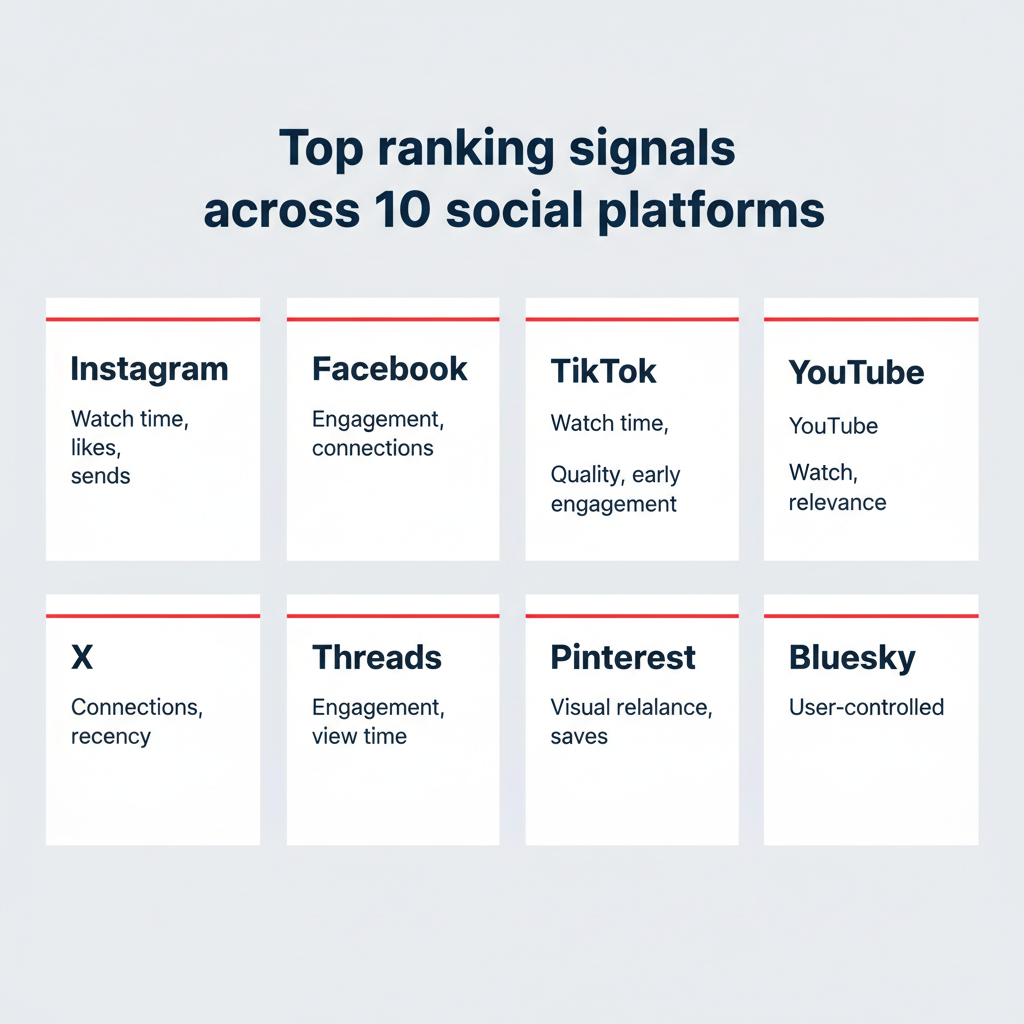
Despite shared principles, each major social network employs distinct algorithms with unique ranking priorities, reflecting their core mission and user base.
-
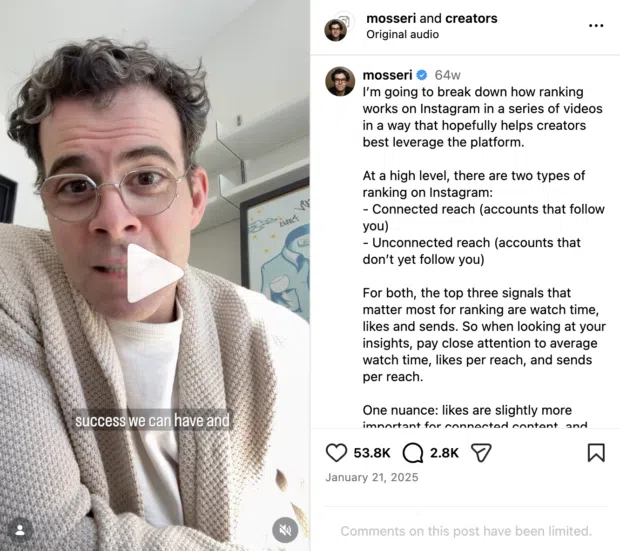
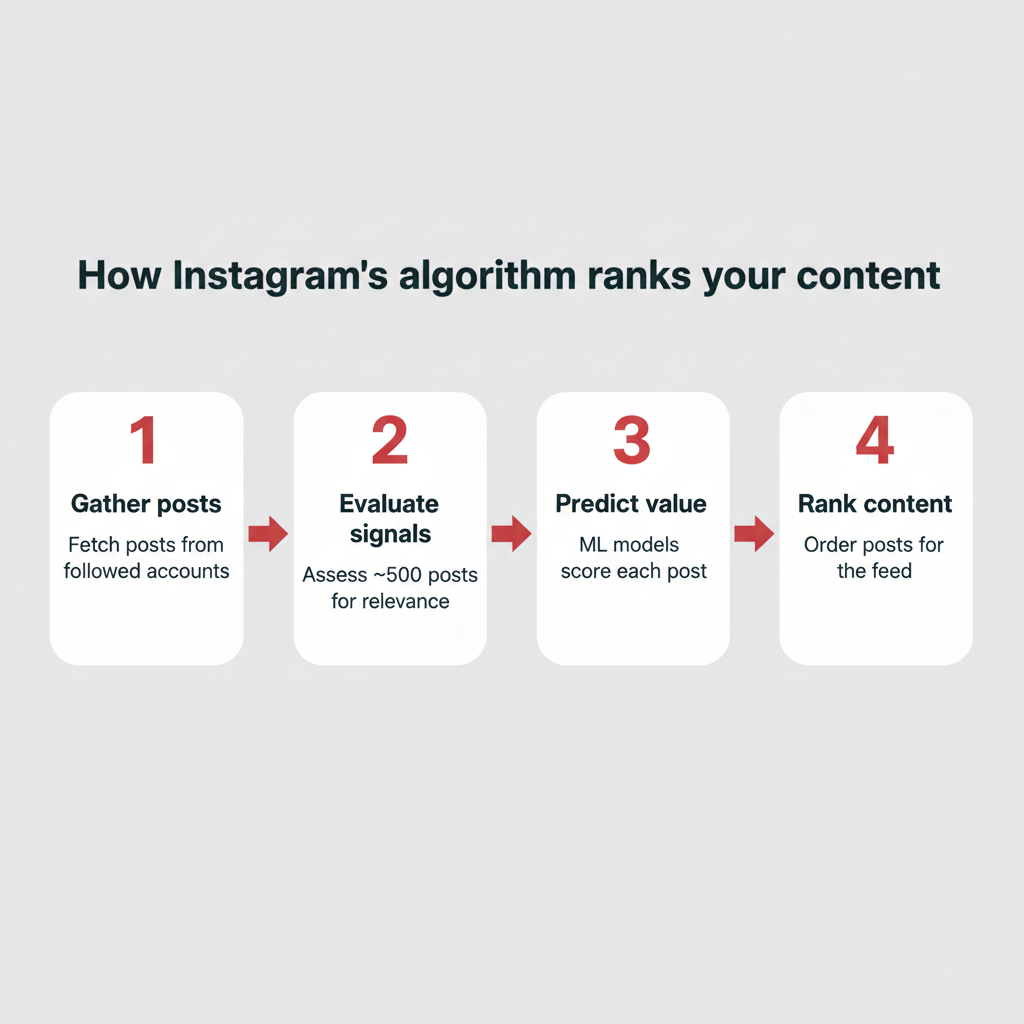
Instagram: In 2026, Instagram’s algorithm, as highlighted by Adam Mosseri, Head of Instagram, places significant weight on watch time, likes, and sends. This emphasis indicates a push towards highly engaging, shareable content. The algorithm operates in four stages: initial distribution to a small audience, assessment of engagement, broader distribution if successful, and continuous re-evaluation. Reels and carousels are currently preferred formats, leveraging the platform’s video-first strategy and interactive multi-image posts. Instagram offers a chronological option for feeds and Stories.
- Feed Algorithm: Prioritizes predicted engagement (likelihood of a user liking, commenting, saving, or spending time on a post), connections, and content type relevance.
- Stories Algorithm: Focuses on interactions (replies, reactions, taps forward/back), closeness of connection, and recency.
- Reels Algorithm: Heavily weighted towards watch time, re-watches, and shares, pushing short-form video virality.
- Explore Algorithm: Seeks novelty and broad appeal, prioritizing content similar to what users have engaged with, but from accounts they don’t follow, aiming for discovery.
-
Facebook: Facebook’s content ranking, according to Meta, uses thousands of signals, but predicted engagement and connections remain paramount. Video and photos are generally preferred formats. Like Instagram, Facebook offers a chronological option. The algorithm aims to foster meaningful interactions and prioritize content from friends, family, and groups over public pages, reflecting its original community-centric mission.
-
X (formerly Twitter): The "For You" tab on X blends content from followed accounts with recommended posts. Key ranking signals include connections, recency, and user activity (likes, replies, retweets). Text and images are the dominant formats. X maintains a "Following" tab for chronological viewing, acknowledging user preference for real-time updates.
-
LinkedIn: As a professional networking platform, LinkedIn’s algorithm prioritizes content quality, early engagement, and professional relevance. Text and documents (like carousels or PDFs) are highly valued, facilitating professional discourse and knowledge sharing. There is no chronological option, emphasizing relevant professional content over pure recency.
-
TikTok: The "For You Page" (FYP) is TikTok’s core. Its algorithm is renowned for its ability to quickly identify and propagate viral content, prioritizing watch time and user activity (likes, shares, comments, re-watches). Short-form video is the exclusive and preferred format, driving rapid content consumption. TikTok does not offer a chronological option, fully embracing its algorithmic discovery model.
-
YouTube: YouTube’s algorithm focuses on keeping users on the platform, emphasizing watch time, relevance, and user satisfaction. It considers not just clicks, but how long users stay to watch a video and their post-viewing behavior (e.g., subscribing, watching another video). Both long-form and short-form video (Shorts) are preferred, catering to diverse consumption habits. There is no chronological feed, as discovery and relevance are paramount.
-
Pinterest: Pinterest functions more as a visual search engine and discovery tool. Key ranking factors include visual relevance, saves, and topical interest. Images and "Pins" are the platform’s native content. The algorithm aims to present users with inspiring and actionable ideas tailored to their interests, often in a non-chronological, discovery-oriented feed.
-
Threads: Threads, a text-first platform, emphasizes predicted engagement and view time. Text-based posts are its primary format. It offers a "Following" tab for chronological viewing, similar to X, catering to users who prefer a direct feed from accounts they follow.
-
Bluesky: Unique in its approach, Bluesky champions "algorithmic choice," allowing users to create and curate multiple algorithms or feeds to match their interests. The default feed is chronological, prioritizing user autonomy over a single platform-controlled algorithm. For brands, growing on Bluesky means focusing on community engagement, leveraging user-generated feeds, and high-quality, authentic text-based content.
-
Reddit: Reddit’s algorithm heavily relies on upvotes/downvotes, comment quality, and community relevance. Text and images are dominant. The platform allows users to sort by "Hot," "New," and "Top" posts, effectively offering both algorithmic and chronological options within subreddits.
Optimizing Content for Algorithmic Success in 2026
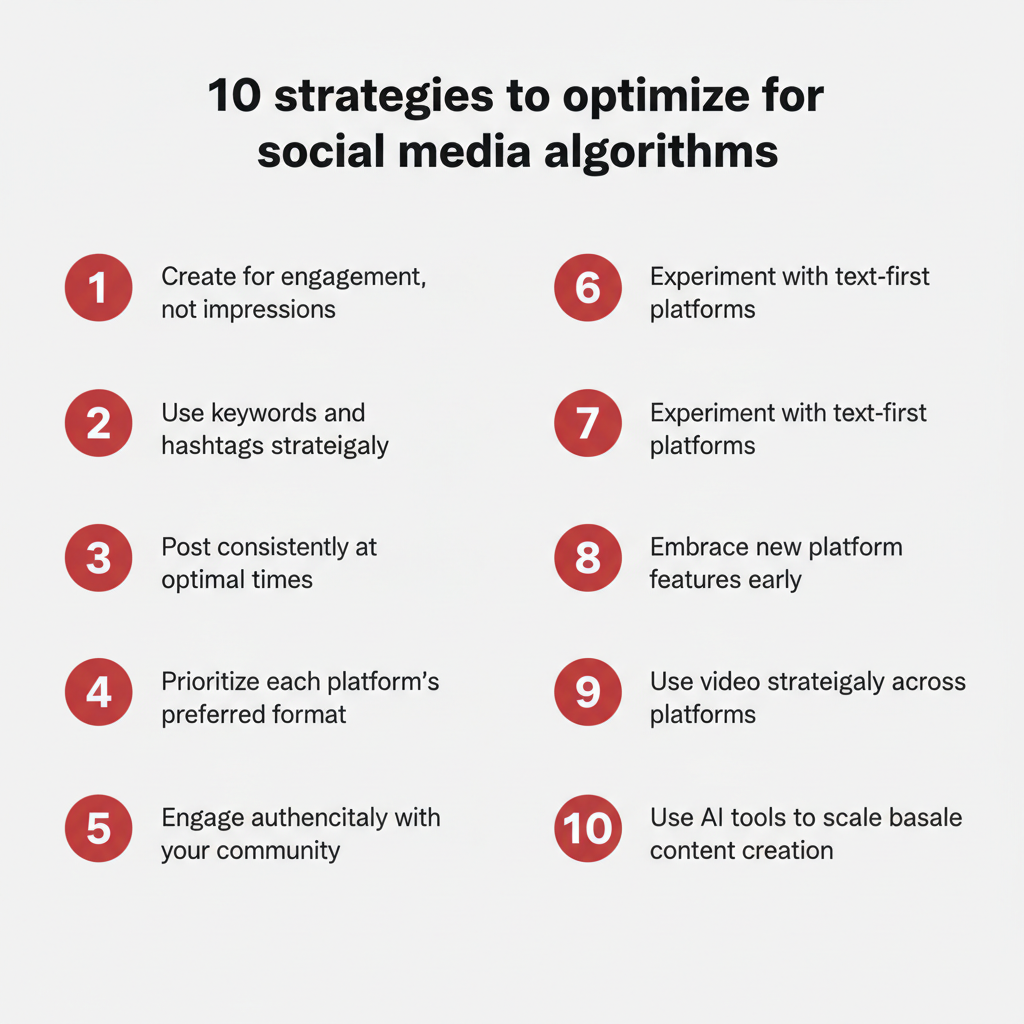
Understanding the algorithms is merely the first step; strategic execution is crucial. Here are ten proven strategies for brands and content creators to maximize reach and engagement in 2026:
- Create for Engagement, Not Just Impressions: Algorithms reward content that sparks interaction. Focus on crafting posts that inherently invite comments, shares, saves, and meaningful discussions. Use open-ended questions, polls, and calls-to-action to encourage dialogue.
- Use Keywords and Hashtags Strategically: Social SEO is increasingly vital, especially as 46% of Gen Z primarily use social media for search. Conduct thorough keyword research and integrate relevant terms into captions, alt text for images, and profile bios to enhance discoverability.
- Post Consistently at Optimal Times: Algorithms favor active accounts. A predictable content cadence signals reliability. Utilize platform analytics or third-party tools to identify when your specific audience is most active and schedule posts accordingly to maximize initial reach.
- Prioritize Each Platform’s Preferred Format: Adapt content to suit the native format each platform promotes. In 2026, this means focusing on Reels and carousels for Instagram, short-form video for TikTok, and text-heavy posts for LinkedIn and Threads.
- Engage Authentically with Your Community: Active participation is a powerful signal. Reply to comments, engage with DMs, and proactively comment on relevant posts from other accounts and users. This two-way interaction builds rapport and algorithmic trust.
- Experiment with Text-First Platforms: Threads, X, and Bluesky offer unique opportunities for brands to refine their social media writing skills, engage in real-time discussions, and build thought leadership through nuanced text-based content.
- Embrace New Platform Features Early: Algorithms often give a temporary boost to content utilizing newly launched features to encourage adoption. Stay updated on platform announcements and be willing to experiment with new tools and formats as they become available.
- Use Video Strategically Across Platforms: Video content continues its dominance. Differentiate your strategy: short-form video for quick discovery and viral potential (TikTok, Instagram Reels) and long-form video for deeper engagement and storytelling (YouTube).
- Measure and Iterate Based on Analytics: Regularly track key social media metrics such as reach, engagement rate, watch time, and conversion rates. Analyze what content types, posting times, and formats perform best, then adjust your strategy iteratively.
- Use AI Tools to Scale Content Creation: AI content creation tools can significantly assist in maintaining a consistent publishing cadence. From generating content ideas and drafting captions to optimizing hashtags and analyzing performance data, AI frees up human creativity for strategic planning and authentic engagement, which algorithms truly reward.
The Broader Implications: Navigating the Algorithmic Landscape
The pervasive influence of social media algorithms extends far beyond content visibility, impacting organic reach, content quality, and the very fabric of online user experience.

- Impact on Organic Reach and Engagement: For brands and creators, organic reach is a direct outcome of algorithmic alignment. As algorithms become more sophisticated, the challenge of achieving visibility without paid promotion intensifies. Content must be hyper-relevant and highly engaging to cut through the noise, making every post a strategic endeavor. Declining organic reach on established platforms has spurred innovation in content strategy and a renewed focus on community building.
- The Premium on Consistency and Content Quality: Algorithms reward accounts that demonstrate reliability and professionalism. Consistent posting, adhering to brand guidelines, and delivering high-quality, valuable content signals credibility to both users and algorithms. This means a blend of strategic planning and creative flexibility to experiment while maintaining core brand messaging.
- Why Engagement is Everything: Engagement is the strongest signal to algorithms that content is worth promoting. It signifies value and relevance. While "good" engagement varies by platform and industry, the shift from passive consumption to active interaction (likes, comments, shares, saves, watch time) is universal. Brands must foster genuine connections rather than merely broadcasting messages.
For users, algorithms shape their entire online journey. They can foster positive experiences by connecting individuals with like-minded communities, facilitating global discussions, and providing quick access to relevant information. However, they also face scrutiny for potential downsides, such as the creation of "filter bubbles" or "echo chambers," which can limit exposure to diverse viewpoints. Concerns about the rapid spread of misinformation and the potential negative impacts on mental health, particularly among younger demographics, are ongoing subjects of debate and regulatory attention. Platform executives, while acknowledging these concerns, often emphasize their ongoing efforts to balance personalization with content safety and diversity. For instance, Meta has invested significantly in AI-driven content moderation to combat harmful content, while still refining its personalization engines.
In conclusion, artificial intelligence has become the indispensable backbone of modern social media algorithms, continuously transforming content ranking in 2026. These intelligent systems analyze user behavior, predict engagement, and personalize feeds in real-time, making the digital world a highly individualized experience. For brands and content creators, mastering the nuances of these algorithms through strategic content creation, consistent engagement, and data-driven iteration is paramount for sustained growth and meaningful connection in the evolving digital landscape. The dynamic interplay between human creativity and algorithmic intelligence will continue to define the future of social media.

 Lina Irawan
 Asep Darmawan