
 rifanmuazin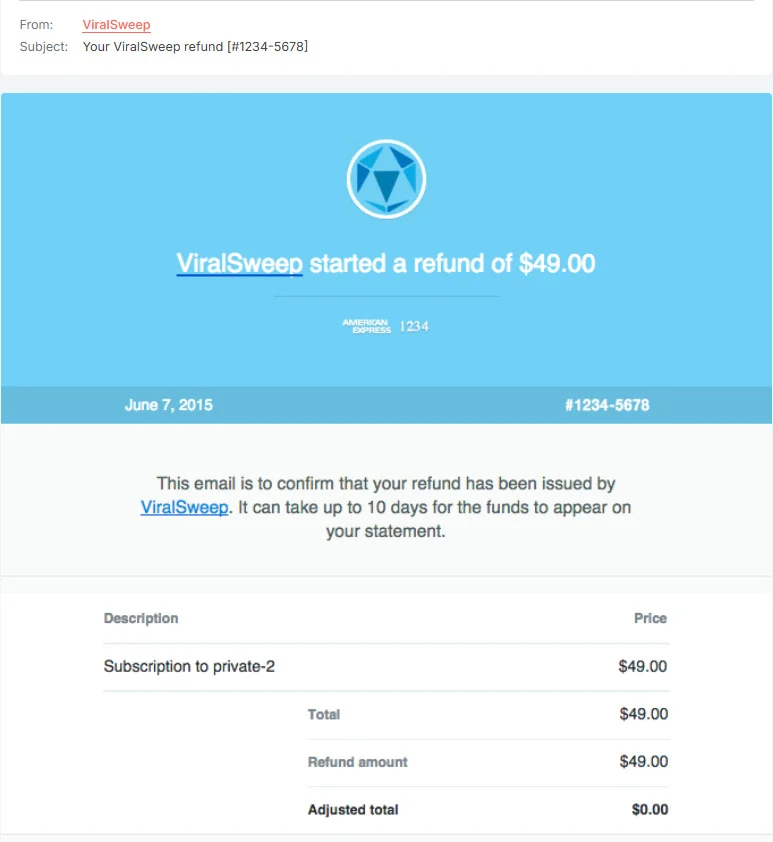
In the intricate landscape of modern e-commerce, where digital transactions facilitate seamless purchases and returns, the refund email has evolved from a mere transactional formality into a critical touchpoint shaping customer perception and brand loyalty. Far from being a simple notification of funds returned, a meticulously crafted refund email serves as a powerful instrument for rebuilding trust, mitigating frustration, and even fostering future engagement. As consumer expectations for transparency, speed, and empathy continue to rise, particularly in the aftermath of a less-than-ideal purchasing experience, the ability to manage refunds effectively through clear and considerate communication is paramount for businesses seeking sustained success.
The Unavoidable Reality of Returns in the Digital Age
The exponential growth of e-commerce has fundamentally altered consumer shopping habits, offering unparalleled convenience and access to a global marketplace. However, this digital convenience also comes with an inherent challenge: the inability for customers to physically inspect products before purchase. This often leads to a higher incidence of returns compared to traditional brick-and-mortar retail, driven by factors such as incorrect sizing, damaged goods, or simply products not meeting expectations. Industry reports consistently indicate that return rates in e-commerce can range significantly, often between 15% and 30%, depending on the product category. For instance, apparel and electronics tend to have higher return rates due to fit issues or complex functionality.
Against this backdrop, the refund process becomes a pivotal moment in the customer journey. A customer initiating a refund is, by definition, already experiencing some level of dissatisfaction or inconvenience. Their initial positive sentiment towards the brand may have been diminished, and their subsequent interaction with the refund process can either exacerbate their negative feelings or provide an opportunity for redemption. According to research by Qualtrics, companies worldwide risk losing an estimated $2.8 trillion in sales after their customers have a bad experience, underscoring the profound financial implications of every customer interaction, including refunds. This data highlights that customer service, even in challenging situations like refunds, is not merely a cost center but a strategic investment in customer retention and future revenue.
Beyond the Transaction: Why Refund Emails Matter for Brand Loyalty
A well-executed refund email is more than just an administrative update; it’s a testament to a brand’s commitment to customer satisfaction and service excellence. It acts as a bridge, reassuring customers that their concerns are acknowledged and addressed, thereby preventing further frustration and minimizing the need for subsequent inquiries. Clear and concise communication in these emails directly correlates with reduced customer support load, freeing up resources and improving operational efficiency.
Moreover, a refund email presents a unique, often overlooked, opportunity to transform a potentially negative interaction into a positive brand reinforcement. By demonstrating empathy, efficiency, and a proactive approach, businesses can not only retain the customer but potentially turn them into loyal advocates. This strategic perspective challenges the traditional view of refunds as purely a loss, reframing them as an investment in long-term customer relationships.

The Refund Journey: A Step-by-Step Overview
Understanding the typical chronology of a refund process is crucial for crafting effective communication at each stage. This journey often involves several distinct phases, each requiring tailored messaging:
- Customer Initiates Request: The customer identifies an issue (e.g., damaged product, wrong item, service cancellation) and contacts the business to request a return or refund.
- Acknowledgment Email: Upon receiving the request, the business sends an immediate acknowledgment. This email confirms receipt, sets expectations for the next steps (e.g., review period, return instructions), and provides a reference number. This initial contact is vital for reassuring the customer that their request has been registered and is being processed.
- Review and Approval: The internal team reviews the request against the company’s return policy. This may involve inspecting returned items or verifying service cancellation terms.
- Approval/Denial Notification: If approved, a refund approval email is sent, confirming the decision and outlining the next steps for processing the refund. If denied, a clear explanation and alternative solutions (e.g., exchange, store credit) are provided.
- Refund Processing: The financial department initiates the refund transaction through the original payment method.
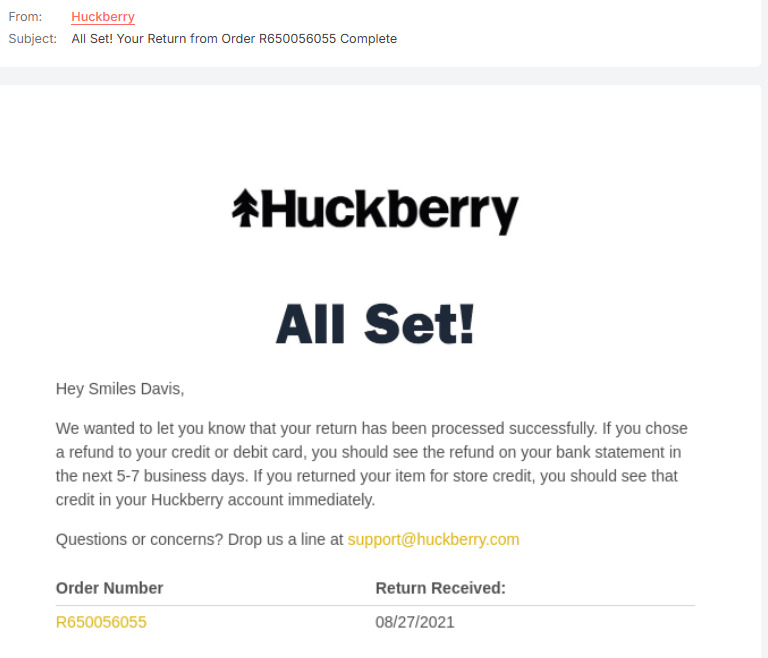
- Refund Confirmation Email: Once the refund has been successfully processed and funds are on their way back to the customer, a final confirmation email is dispatched. This message provides crucial details such as the refunded amount, the payment method, and an estimated timeline for the funds to appear in the customer’s account.
Throughout this process, prompt and accurate communication is paramount. Any delay or lack of clarity at any stage can lead to increased customer anxiety, multiple follow-up inquiries, and a damaged brand reputation. Consumer advocacy groups consistently emphasize the importance of transparent communication throughout the entire post-purchase process, highlighting that businesses have a responsibility to keep customers informed.
Anatomy of an Effective Refund Email: Key Principles
Crafting a refund email that resonates with customers and achieves business objectives requires adherence to several core principles:
- Clarity and Conciseness: Reducing Friction: The primary goal of any refund email is to convey essential information quickly and unambiguously. Customers, already potentially frustrated, do not want to wade through verbose text. A clear subject line is the first step, immediately signaling the email’s purpose. Subject lines like "Your Refund Has Been Processed for Order #[Order Number]" or "Refund Request Received – Order #[Order Number]" leave no room for guesswork. Within the email body, details such as the exact refund amount, the payment method used, a clear list of refunded items, and an estimated timeline for funds to appear should be presented prominently and succinctly. This approach minimizes ambiguity and preempts common customer questions.
- Empathy and Professionalism: Rebuilding Trust: While factual accuracy is critical, the tone of the email plays an equally significant role. An empathetic and professional tone acknowledges the customer’s inconvenience without being overly apologetic or patronizing. Phrases such as "We understand this wasn’t an ideal experience" or "We appreciate your patience as we processed your request" convey genuine concern. Avoid overly formal or robotic language, as this can further alienate a customer who is already feeling let down. Maintaining a consistent brand voice, even in challenging communications, reinforces brand identity and professionalism.
- Transparency and Detail: Building Credibility: For complex refunds involving multiple items, partial returns, taxes, or shipping fees, a detailed breakdown of the refunded amount is indispensable. Simply stating a final sum can lead to confusion and distrust. Presenting an itemized list, showing how each component contributes to the total refund, builds credibility and provides a clear audit trail. This level of transparency proactively addresses potential disputes and demonstrates a commitment to fair dealing.
- Strategic Incentives: Turning Losses into Wins: Smart businesses view refunds not as an end but as an opportunity for re-engagement. Incorporating strategic incentives into refund emails can significantly impact customer retention. Offering a discount on a future purchase, a store credit, or free shipping on their next order can soften the blow of a return and encourage the customer to give the brand another chance. For instance, a 10-15% discount on a different product category might tempt a customer whose initial purchase didn’t meet expectations. This approach transforms a potential defection into a pathway for renewed loyalty, reinforcing the brand’s commitment to customer satisfaction even when things go awry.
- Providing Next Steps and Support: Assuring the Customer: Beyond confirming the refund, an effective email guides the customer on what to expect next and how to seek further assistance. This includes reiterating the estimated timeline for funds, advising them to contact their bank if funds don’t appear within that period, and providing clear contact information for the customer support team. Offering a tracking link for the refund status, where applicable, adds another layer of reassurance and self-service capability, empowering customers with real-time updates.
Case Studies in Communication: Analyzing Exemplary Refund Emails
Observing real-world examples illuminates how these principles are applied effectively:
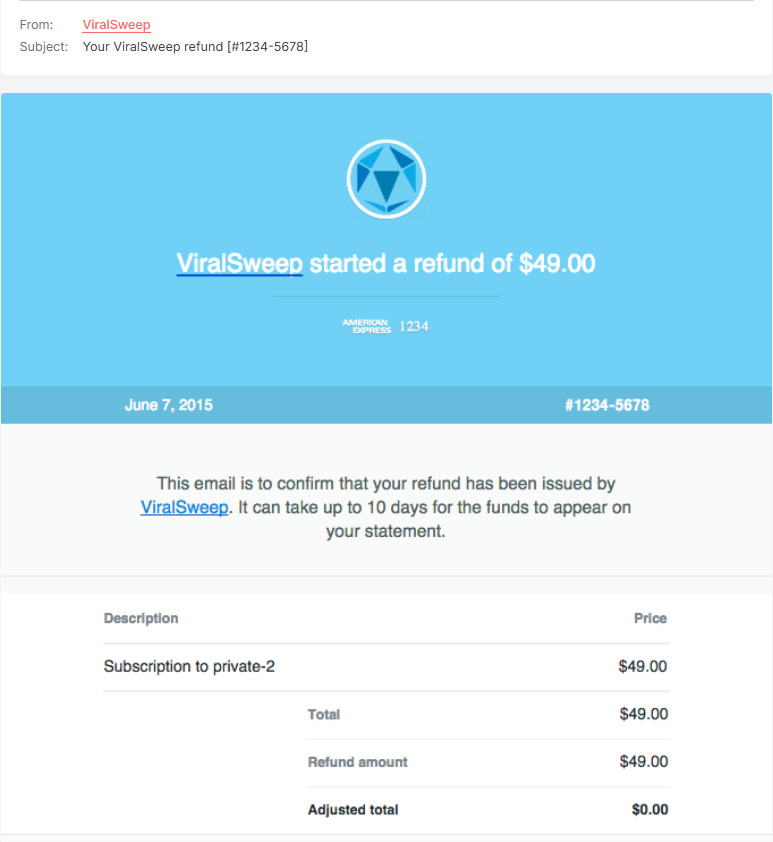
- Direct Confirmation: The Foundation of Trust (e.g., ViralSweep): Emails that immediately confirm the refund, stating the exact amount, original payment method, and a clear timeline (e.g., "funds may take up to 10 days to appear"), exemplify directness. This transactional focus leaves no room for doubt and directly addresses the customer’s primary concern. The absence of unnecessary frills keeps the message efficient, respecting the customer’s time.
- Streamlined Simplicity: Valuing Customer Time (e.g., Basic Transactional Email): For straightforward refunds without complications, brevity is key. An email that states "Your refund for order #78421 has been successfully processed. Amount: $49.99. Payment method: Visa ending in 1234. Items refunded: Classic Denim Jacket. Timeline: Funds will reflect in your account within three to five business days" demonstrates an understanding of the customer’s desire for quick, pertinent information. It’s a clean, efficient communication that respects the customer’s time.
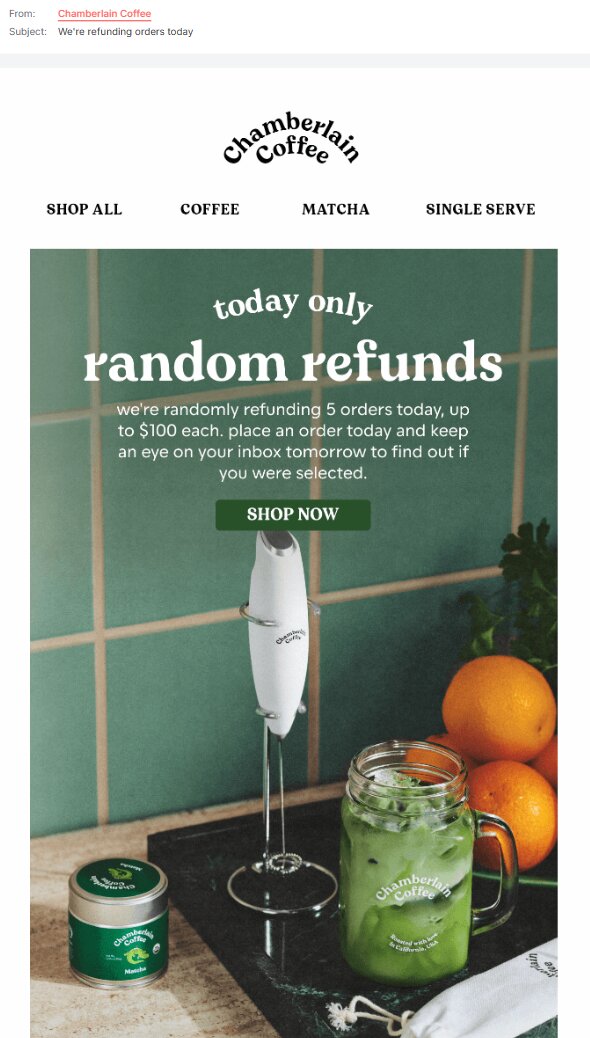
- Promotional Ingenuity: Cultivating Future Engagement (e.g., Chamberlain Coffee’s "Random Refund"): Some brands go beyond the transactional by turning refunds into promotional events. An email offering "cashback for purchases exceeding $100" or a "random refund" lottery creatively re-engages customers. While not a typical refund confirmation, it showcases how the concept of returning money can be strategically leveraged to build excitement and encourage future purchases. This proactive approach helps to offset the negative association of a return with a positive, unexpected brand interaction.
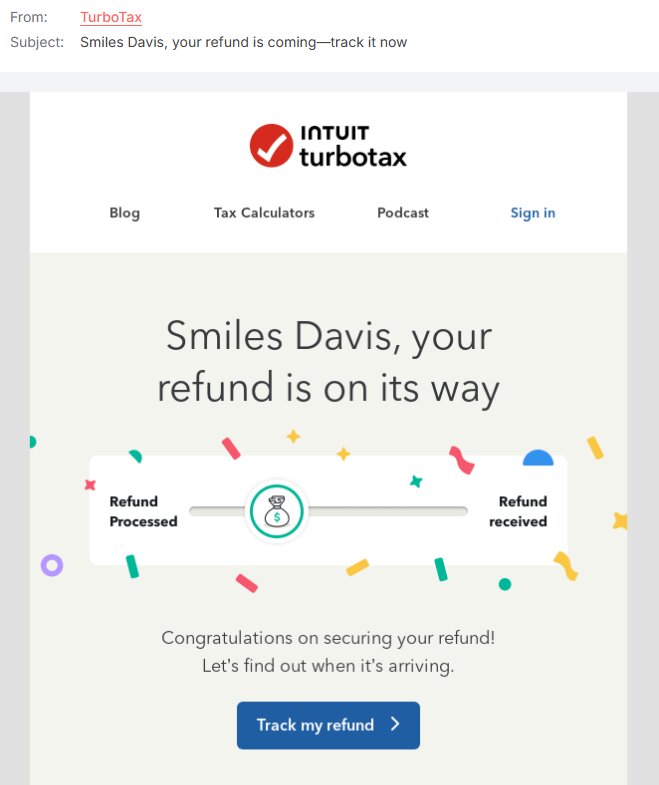
- Tracking and Reassurance: Dispelling Uncertainty (e.g., TurboTax): When dealing with processes that might have varying timelines, such as tax refunds, providing a clear status bar (e.g., "Refund Processed" and "Refund Received") and a "Track my refund" button is invaluable. This transparency significantly reduces customer anxiety, eliminating the need for them to repeatedly contact customer support for updates. It empowers the customer with self-service tools and builds confidence in the process.
- Detailed Breakdowns: The Pinnacle of Transparency (e.g., Apparel Return Confirmation): For returns involving multiple items or complex calculations, an email displaying a "Return Summary" with "Item Details" and the "Refund of $37.50 USD" clearly itemized (e.g., for black jogger pants) fosters trust. This level of detail confirms that the refund amount is accurate and justified, preventing potential disputes and solidifying the brand’s reputation for fairness and clarity.
Leveraging Automation for Superior Refund Experiences
While crafting individual, perfect refund emails is ideal, scaling this level of communication excellence across thousands of transactions necessitates automation. Email marketing platforms, specifically those designed for e-commerce like Omnisend, are instrumental in achieving consistency, speed, and accuracy.
Automation tools allow businesses to:
- Trigger Emails Instantly: Refund confirmation emails can be automatically dispatched the moment an order status changes to "refunded" in the e-commerce system. This immediacy significantly improves the customer experience, as delays are a primary source of frustration.
- Personalize at Scale: By integrating with customer and order data, automation platforms can dynamically populate emails with specific details such as customer names, order numbers, refunded items, and exact amounts. This personalization makes each email feel tailored, even when sent automatically to a large volume of customers.
- Ensure Consistency: Automation guarantees that every refund email adheres to brand guidelines, tone, and informational structure, eliminating inconsistencies that can arise from manual processing by different team members.
- Reduce Human Error: Automated systems minimize the risk of typos, incorrect amounts, or missing information, which are common pitfalls in manual email drafting.
- Streamline Workflow: By automating routine refund communications, customer service teams are freed from repetitive tasks, allowing them to focus on more complex inquiries and proactive customer engagement.
- Facilitate Follow-ups: Automation can also schedule follow-up emails, such as satisfaction surveys after a refund or targeted promotional offers based on the refunded item, further extending the customer lifecycle.
Industry analysts consistently highlight that integrating transactional email automation is a key differentiator for e-commerce businesses. It not only enhances the customer experience but also contributes to operational efficiency and ultimately, profitability.
The Broader Economic Impact of Refund Management
The effective management of refund communications extends beyond individual customer interactions; it has a tangible economic impact. A streamlined, transparent, and empathetic refund process can:
- Boost Customer Retention: Customers who experience a positive refund process are more likely to return for future purchases. This directly impacts Customer Lifetime Value (CLTV).
- Enhance Brand Reputation: Positive refund experiences lead to positive word-of-mouth and online reviews, acting as free and highly credible marketing. Conversely, poor refund experiences can quickly go viral on social media, causing significant brand damage.
- Reduce Operational Costs: By minimizing follow-up inquiries and disputes, efficient refund emails reduce the workload on customer support teams, leading to lower operational expenditures.
- Increase Sales through Trust: A reputation for fair and easy returns can encourage initial purchases, as customers feel more confident knowing they are protected if the product doesn’t meet their expectations.
In conclusion, the refund email is far more than a simple notification; it is a powerful tool in the arsenal of customer experience management. By prioritizing clarity, empathy, transparency, and strategic re-engagement, businesses can transform a challenging situation into an opportunity to build enduring customer loyalty and strengthen their brand in a competitive digital marketplace. Leveraging automation ensures these best practices are applied consistently and efficiently, solidifying the refund email’s role as a strategic imperative for modern e-commerce success.









