rifanmuazin
The landscape of digital discovery is undergoing a profound transformation, driven by the rapid integration of generative artificial intelligence into everyday information seeking. As AI models like Google AI Overviews, ChatGPT, Gemini, and Perplexity become primary conduits for brand, product, and information discovery, traditional marketing metrics, particularly those focused on Search Engine Optimization (SEO), are proving increasingly insufficient. This seismic shift necessitates a new framework for performance evaluation: Generative Engine Optimization (GEO) Key Performance Indicators (KPIs), designed to accurately reflect visibility and influence within these intelligent AI engines.
With Google AI Overviews now appearing in over 20% of searches, according to Ahrefs, marketing leaders face unprecedented questions from executive teams. The focus has moved beyond traditional search rankings to inquiries about AI presence: "Are we showing up in AI answers?" "Are our competitors being recommended?" "Is our brand being cited as an authority?" This fundamental disruption to the buyer journey demands a re-evaluation of how success is measured and how marketing strategies are formulated to secure influence in an AI-first world.
The Evolution of Search: From Links to Knowledge Graphs and AI-Driven Answers
For decades, digital marketing revolved around the principles of SEO, where visibility was largely determined by keyword rankings, backlinks, and website traffic. The buyer journey typically involved a user querying a search engine, clicking through to a website, and then navigating that site to find information or make a purchase decision. While effective, this model is rapidly being augmented, and in some cases, supplanted, by generative AI.
Generative AI models, powered by Large Language Models (LLMs), don’t just point users to websites; they synthesize information, provide direct answers, offer recommendations, and even engage in conversational dialogues. This means that a significant portion of the information consumption and decision-making process can now occur within the AI interface itself, often before a user ever clicks through to a brand’s website.
Data from OpenAI underscores this profound shift, revealing that nearly half of all ChatGPT usage falls into the "Asking" category. Users are increasingly relying on AI for advice, evaluation, and guidance rather than simple task execution or direct navigation. Further solidifying this trend, McKinsey reports that 61% of users are turning to AI for product recommendations. This means that brand preference is being influenced, shaped, and sometimes decided by AI-generated answers, long before a prospective customer even considers visiting a company’s owned digital properties.
This emerging "decision layer" fundamentally challenges the efficacy of traditional marketing KPIs, which were designed for a click-centric internet. Without a clear understanding of where and how often a brand appears in AI answers, marketing teams struggle to craft effective strategies to regain or maintain influence. The experience of experts like Cassie Clark, who noted her content surfacing in AI-generated answers ahead of long-established industry publishers within 96 hours—without any corresponding jump in traditional search rankings—highlights the distinct nature and often fragile visibility within generative engines. Such shifts would be entirely missed if relying solely on conventional SEO metrics. GEO KPIs, therefore, are designed to pinpoint these critical changes, offering an early warning system against potential losses in authority or, more critically, downstream revenue impact.

Deciphering Performance: Essential Generative Engine Optimization (GEO) KPIs
To effectively navigate this new environment, marketing teams must adopt a specific set of GEO KPIs that reflect the unique behavior of AI search. These metrics move beyond mere traffic to evaluate how AI systems perceive, cite, and recommend brands. Kristina Frunze, founder of WebView SEO, a leading voice in generative engine optimization, emphasizes the critical need for these new performance indicators.
1. AI Citation Frequency:
This metric quantifies how often a brand is directly named or referenced within AI-generated answers across various LLMs. Direct brand mentions are the most robust indicator that an AI engine recognizes and recalls a brand as a legitimate and authoritative source for a given query. Frunze states, "For the purpose of AI citations, at the moment, direct brand mentions are the best way to track it. The tools are evolving, and they’re not 100% accurate, but this is what we can rely on right now." For marketers, tracking citation frequency serves as a baseline trust signal. If a brand isn’t being named, efforts in other areas may be premature. Observing changes in citations following content updates provides invaluable insight into whether AI engines are increasingly associating the brand with specific topics or recognizing its enhanced authority. Aligning cited pages with strong topical clusters and robust internal linking strategies, often facilitated by tools like HubSpot SEO Marketing Software, can significantly increase the likelihood of consistent brand association by AI systems.
2. AI Answer Inclusion Rate:
Beyond direct citations, the AI answer inclusion rate measures how often a brand appears anywhere within an AI-generated response, even if a direct citation or link is not provided. This metric is crucial for capturing overall presence and relevance, distinguishing it from attribution alone. "If you just look at your AI citations, you’re missing the bigger picture," Frunze explains, noting that inclusion rates help brands understand "what their competitors are doing and how they stand against them in LLM search." Inclusion without explicit citation often signals early-stage authority, indicating that AI models consider the brand part of the relevant conversation, a precursor to potential direct citations as content clarity and authority grow. Multi-platform monitoring tools and specialized dashboards, such as HubSpot AEO’s Brand Visibility Dashboard, are essential for tracking these nuanced inclusion trends and connecting them to assisted conversions within analytics platforms.

3. Entity Authority Signals:
Entity authority signals assess the consistency with which AI engines associate a brand with specific topics, attributes, and use cases. These associations are deeply embedded in underlying knowledge graphs and are reinforced through structured data (schema.org markup), consistent brand mentions across reputable third-party websites (directories, review sites, industry communities), and the overall sentiment surrounding the brand online. Frunze underscores the importance of this, stating, "With AI SEO, links don’t matter as long as your brand is actually mentioned on communities, third-party websites, and directories. Getting your brand spoken about and getting it right is very important." This effectively functions as an off-site credibility layer. Auditing structured data, monitoring social listening tools like HubSpot’s Social Inbox for mentions on platforms like Reddit and Quora, and analyzing how those external signals influence AI-generated brand descriptions are vital for reinforcing consistent entity signals across the web. HubSpot AEO’s Sentiment Analysis can further connect these external discussions to how AI engines describe a brand.
4. AI Referral Traffic:
AI referral traffic tracks website sessions that originate directly from AI platforms and pass referral data into analytics and CRM systems. While often under-reported or obscured, this metric offers directional insight into how AI visibility translates into tangible website engagement. Frunze acknowledges its familiarity but cautions, "AI traffic is the easiest to track because it feels familiar, but there’s a lot of uncertainty because not all elements pass the proper parameters. You’re not always getting the full picture." Given the limitations in clean referral data from many AI-driven sessions, AI referral traffic is best treated as a supporting signal rather than a standalone success metric. It should be analyzed alongside assisted conversions and branded search lift to gain a more holistic understanding of its true influence. Custom source groupings in platforms like HubSpot, combined with HubSpot AEO’s Prompt Tracking, can help identify known AI referrers and provide leading indicators of potential referral traffic.
5. AI Share of Voice (AI SoV):
AI Share of Voice measures a brand’s presence relative to its competitors across a defined set of AI prompts. This metric is typically tracked in two ways: entity-based visibility (overall presence within AI responses) and citation-based visibility (direct brand mentions). Together, these views illuminate which brands AI engines trust and rely upon to generate comprehensive answers. "AI share of voice shows how many times you come up versus your competitors for the prompts," Frunze explains, emphasizing that "it helps put things in perspective." This KPI is often the first a marketer examines when diagnosing AI visibility, as competitive dominance in AI responses to high-intent prompts can quickly reveal underlying positioning or authority gaps. Tools like XFunnel and Superlines are purpose-built for measuring AI SoV across LLMs, allowing for strategic content updates to address competitive disparities.
6. AI-Driven Leads:
AI-driven leads quantify conversions influenced by AI discovery, particularly those originating from bottom-of-funnel queries such as competitor comparisons, alternatives, or integration inquiries. This metric is invaluable for directly connecting AI visibility to revenue generation, as interactions at this stage typically involve buyers who are close to making a purchase decision. Frunze notes, "The content that drives AI leads the most is bottom-of-funnel content. These prompts usually come from people already evaluating options and are past the awareness stage." Tracking form fills and deal creation within CRM systems, coupled with identifying explicit references to AI platforms (e.g., ChatGPT, Perplexity, Gemini) in customer feedback or "how did you hear about us?" fields, helps to quantify AI’s contribution to the pipeline. HubSpot AEO’s Recommendations feature, which prioritizes visibility gaps tied to high-intent, bottom-of-funnel prompts, can directly facilitate the generation of AI-referred leads.
Strategic Tools for Navigating the AI Landscape
Monitoring and optimizing GEO KPIs requires specialized tools that can interact with and analyze AI outputs. A suite of integrated platforms is emerging to address these needs:
-
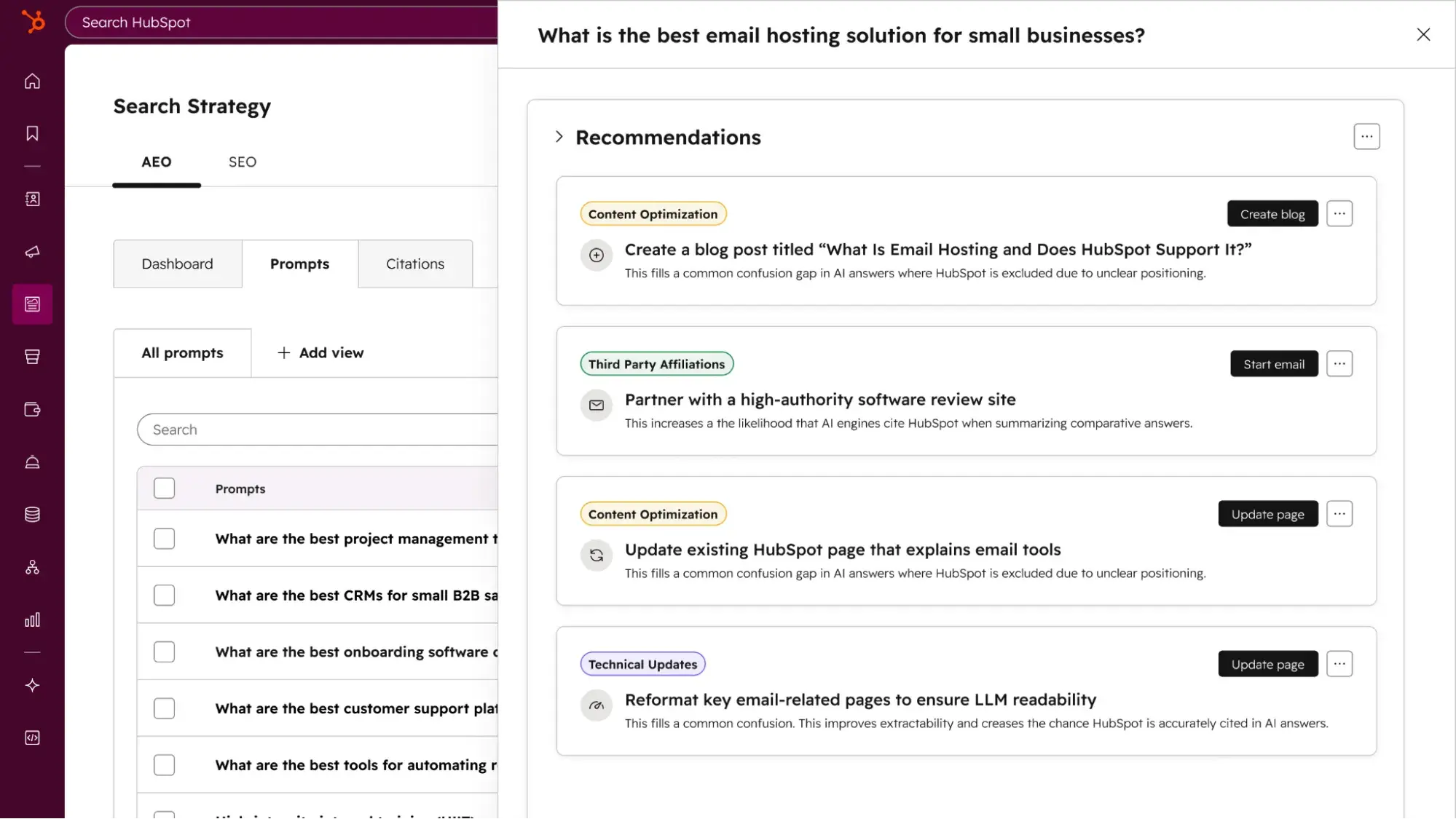
HubSpot AEO: A comprehensive solution that tracks and improves brand appearance across major answer engines like ChatGPT, Perplexity, and Gemini. It centralizes core GEO KPIs, from citation frequency and AI share of voice to prompt-level prominence and sentiment, in a single dashboard. This allows teams to consistently track performance over time and connect AI visibility shifts directly to content and strategy changes. It’s ideal for HubSpot users seeking an all-in-one GEO solution within their existing ecosystem.
-
XFunnel: This tool measures how brands appear in AI-generated responses by analyzing AI share of voice, citations, and entity mentions. XFunnel moves beyond traffic proxies to directly observe how AI engines surface and describe brands in response to user prompts. It’s particularly useful for competitive analysis and understanding the context of brand mentions, providing repeatable, measurable insights into competitive positioning inside AI search.

-
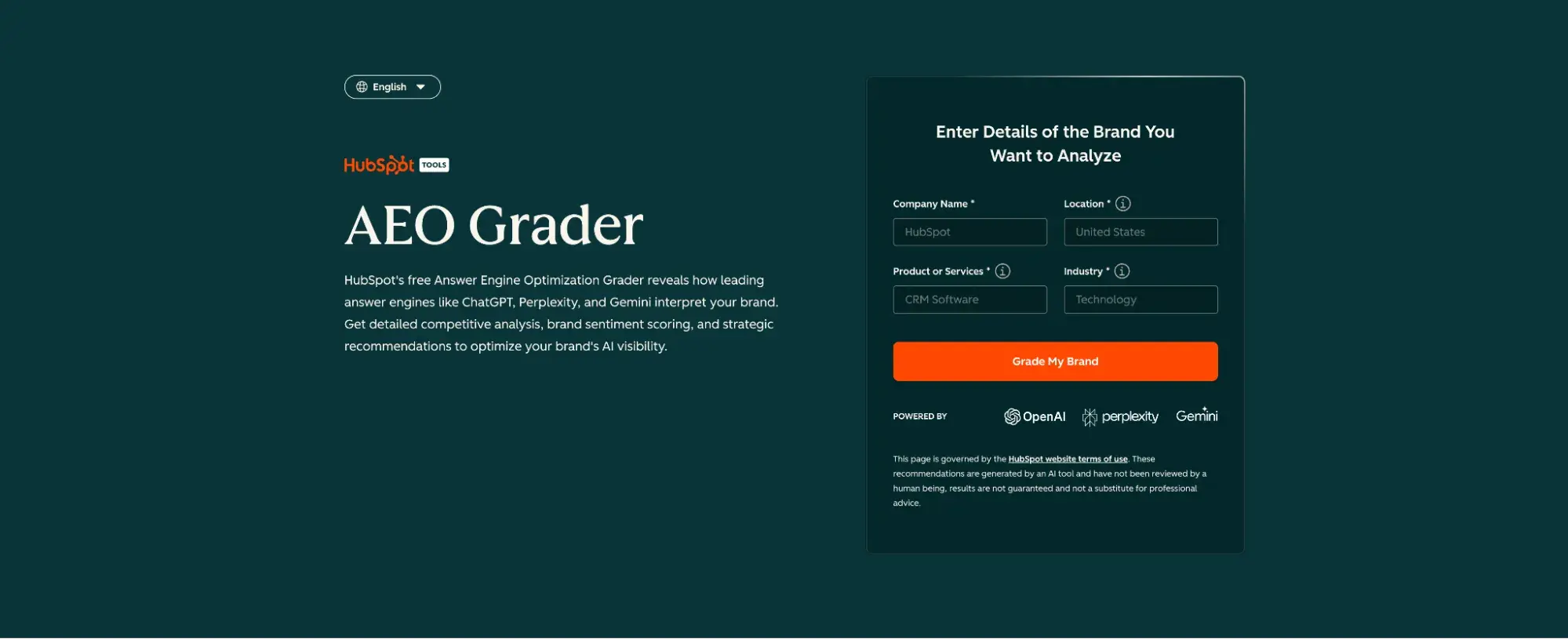
HubSpot’s AEO Grader: A free diagnostic tool that evaluates a site’s structure for AI and answer engines. It focuses on foundational elements such as schema implementation, page structure, and content clarity, which are critical for how AI systems interpret and surface information. It’s an excellent starting point for identifying technical and structural blockers before investing in deeper optimization efforts.
-
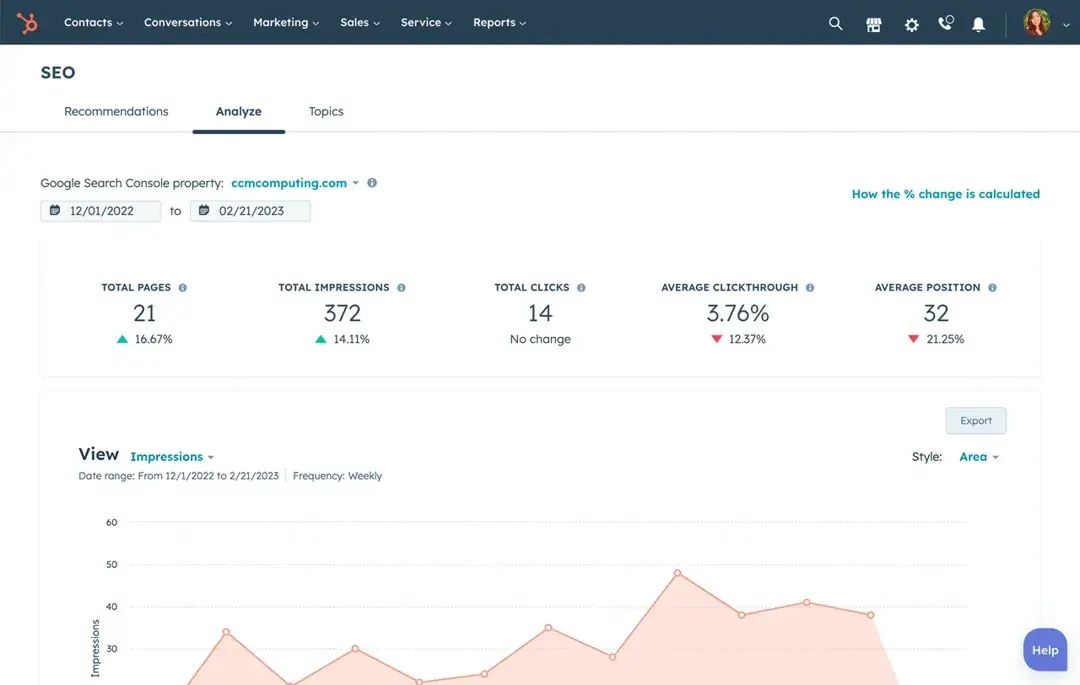
HubSpot’s SEO Marketing Software: While designed for traditional search, its features like topic clustering, on-page recommendations, and integrated performance reporting are highly relevant for GEO. Topic clusters reinforce entity authority by clarifying core themes, and on-page recommendations ensure clear structure and semantic alignment—signals that AI engines reward when determining source trustworthiness.
-
HubSpot’s Content Hub: This CMS is built to help teams create, manage, and optimize content with built-in SEO guidance and support for structured, schema-ready publishing. For GEO, clear content structure is as vital as substance, as AI engines rely on well-organized information to understand a page’s context and reuse it in answers. Content Hub facilitates the implementation of schema and structured data, enabling AI engines to interpret key information more accurately.
-
Addlly AI: This platform combines GEO auditing with AI-driven optimization, providing insights into brand appearance across multiple LLMs. It tracks citations, mentions, and AI share of voice, then identifies visibility gaps and generates AI-optimized content to increase the likelihood of AI citation. It’s suited for teams seeking both diagnostics and actionable content improvement.
-
Superlines: An AI search intelligence platform that measures brand appearance in generative AI responses across various platforms (ChatGPT, Perplexity, Gemini, Claude). It offers answer-level visibility, tracking brand mentions, citations, sentiment, and competitive share of voice in real user-facing AI outputs, providing direct observation of AI responses at scale for competitive benchmarking and strategic content prioritization.
Overcoming Measurement Hurdles: Solutions for GEO Adoption
As marketing teams transition to generative engine optimization, they frequently encounter unique measurement challenges that demand adaptive solutions.
1. Limited AI Referral Data:
The challenge lies in many AI platforms suppressing or delaying referral data, making it difficult to attribute website sessions or conversions to specific AI sources within analytics and CRM systems. This can result in "ghost" referrals—genuine engagement without clear source attribution.
Solution: Instead of solely relying on direct referral data, marketers must focus on understanding influence. This involves monitoring branded search lift (increases in direct brand searches), analyzing assisted conversions in analytics, gathering direct customer feedback (e.g., "How did you hear about us?" fields on forms), and correlating GEO KPI improvements with broader pipeline and revenue growth.
2. KPI Overload:
The introduction of numerous potential GEO metrics can lead to reporting noise and obscure meaningful insights if teams attempt to track everything simultaneously.
Solution: Prioritization is key. Marketing teams should initially focus on one or two GEO KPIs that they can actively influence in the near term and that directly align with strategic business objectives. A deep understanding and consistent tracking of a small, impactful set of signals will yield more progress than superficial tracking across dozens of indicators.
3. Tool Fragmentation:
GEO data is often scattered across disparate SEO platforms, AI visibility tools, analytics software, and CRM systems, making it challenging to form a cohesive view of performance.
Solution: The most effective strategy involves combining specialized answer-level visibility tools (like XFunnel or Superlines) with centralized reporting platforms (like HubSpot). This integration reduces data fragmentation, streamlines reporting, and builds confidence in the insights derived.
4. Executive Skepticism:
Leadership teams may be hesitant to adopt new GEO metrics due to a lack of familiar benchmarks and long-established reporting standards. A common sentiment can be, "good SEO is good GEO."
Solution: Competitive framing is a powerful approach. By tracking AI Share of Voice for a defined period and comparing it against key competitors, marketing leaders can quickly visualize where influence is being gained or lost within AI-generated answers. Demonstrating a tangible competitive gap often provides the necessary justification for investing in GEO strategies and metrics.
5. Measuring Influence Without Clicks:
A significant challenge is that AI-generated answers do not always result in immediate website visits, rendering traditional traffic-based performance indicators incomplete or misleading.
Solution: Marketers must look beyond last-click attribution and adopt a broader view of influence. Monitoring branded search lift, tracking assisted conversions, and observing downstream deal creation over time will provide a more accurate picture. GEO influence often manifests later in the buyer’s journey, even if the initial discovery point within an AI engine doesn’t generate an immediate click.
Strategic Imperative: GEO KPIs as a Competitive Edge
Generative engine optimization KPIs provide marketing teams with unprecedented visibility into a critical part of the buyer journey that traditional analytics can no longer fully explain. By systematically tracking citations, entity authority, prompt inclusion, and AI-driven influence, businesses gain a clearer, more honest understanding of how their brand performs within modern search experiences.
The teams that will thrive in this new environment are those that seamlessly integrate AI visibility into their existing marketing and CRM systems, rather than treating GEO as an isolated experiment. Tools like HubSpot AEO exemplify this integration, offering comprehensive measurement without adding unnecessary operational complexity.
As AI-powered discovery continues its inexorable rise to become the default mode of information consumption, GEO KPIs will cease to be optional. They will become the indispensable framework through which confident marketing leaders explain performance, defend strategic decisions, and unequivocally prove impact, even when the traditional "click" never occurs. Embracing GEO KPIs today is not just about adapting; it’s about establishing a crucial competitive advantage for the future of digital marketing.