
 rifanmuazin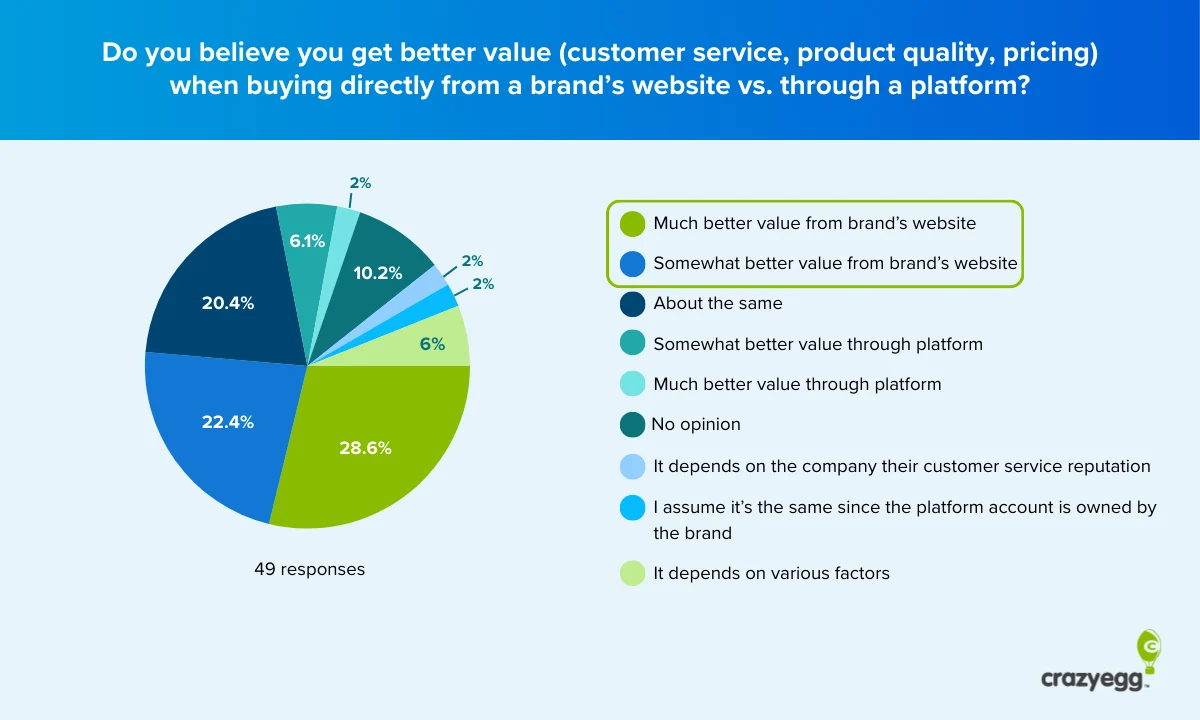
The global digital marketplace is undergoing a fundamental structural shift as major technology ecosystems transition from discovery engines into full-stack retail environments. Google has integrated Shopping directly into its search results; Instagram, TikTok, and Facebook have launched native checkout features; and ChatGPT has begun offering direct product procurement, bypassing traditional brand interfaces entirely. This aggressive expansion by "Big Tech" into the transactional layer of the internet has sparked a period of strategic anxiety for direct-to-consumer (DTC) brands. The central question facing the industry is whether the brand website—long the cornerstone of digital identity and first-party data collection—is becoming an obsolete intermediary in a world of frictionless, in-platform commerce.
A comprehensive new survey of digitally fluent shoppers reveals a landscape that is significantly more nuanced and resistant to change than platform developers might hope. While the technological capability for in-platform shopping is ubiquitous, consumer behavior remains tethered to traditional brand domains. The findings suggest that while platforms have solved the problem of convenience, they have yet to conquer the far more complex challenges of trust, security, and emotional connection.
The State of Digital Commerce: A Chronology of Integration
The move toward in-platform shopping, often referred to as "social commerce" or "distributed commerce," has been accelerating for over half a decade. To understand the current friction, it is necessary to view the timeline of how these platforms evolved from content hubs to marketplaces.
In 2019, Instagram introduced "Checkout," allowing users to buy products without leaving the app. This was followed in 2020 by the launch of Facebook Shops, a response to the pandemic-driven surge in online retail. By 2021, TikTok began testing its "TikTok Shop" in the UK and Southeast Asia before a massive US rollout in 2023, characterized by aggressive subsidization and creator-led live shopping. Simultaneously, Google transitioned its "Google Shopping" from a pure comparison engine to a "Buy on Google" native experience. The latest entry in 2024 involves Large Language Models (LLMs) like ChatGPT, which are now being integrated with retail APIs to act as personal shopping assistants.
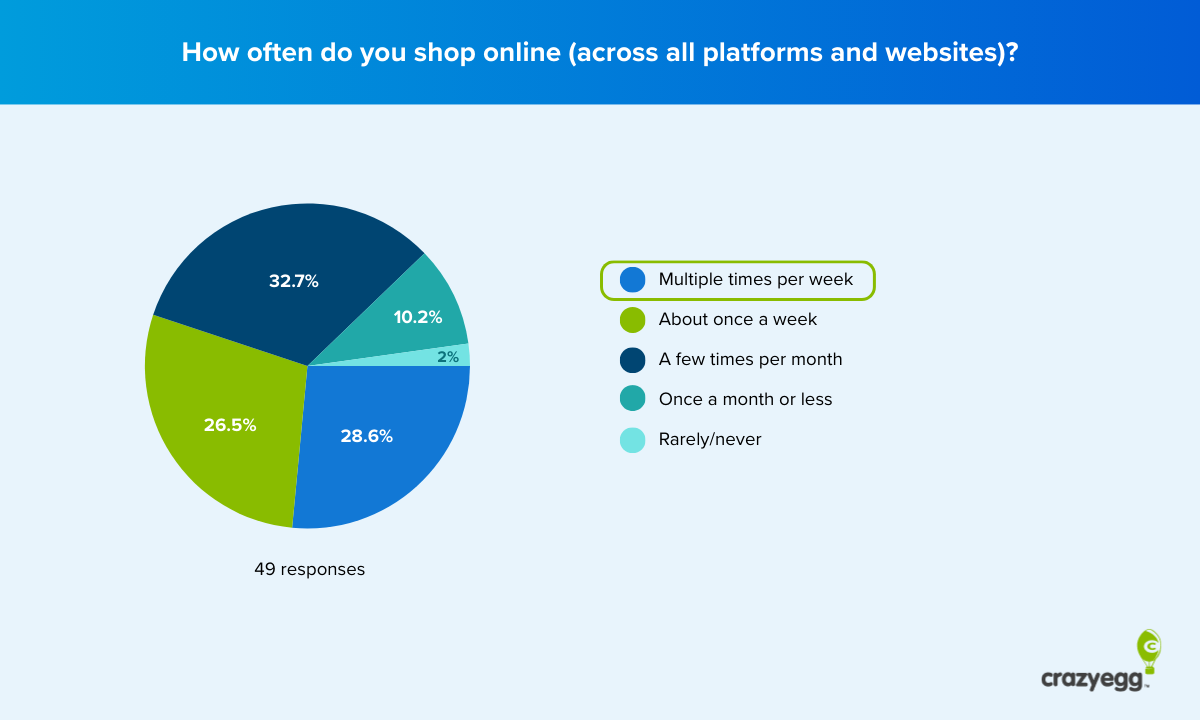
Despite this multi-year push, the transition has not been seamless. The recent survey of 49 high-frequency, tech-savvy shoppers indicates that the "frictionless" promise of platform shopping is being met with a significant "trust tax" that consumers are currently unwilling to pay.
Core Findings: The Enduring Dominance of the Brand Website
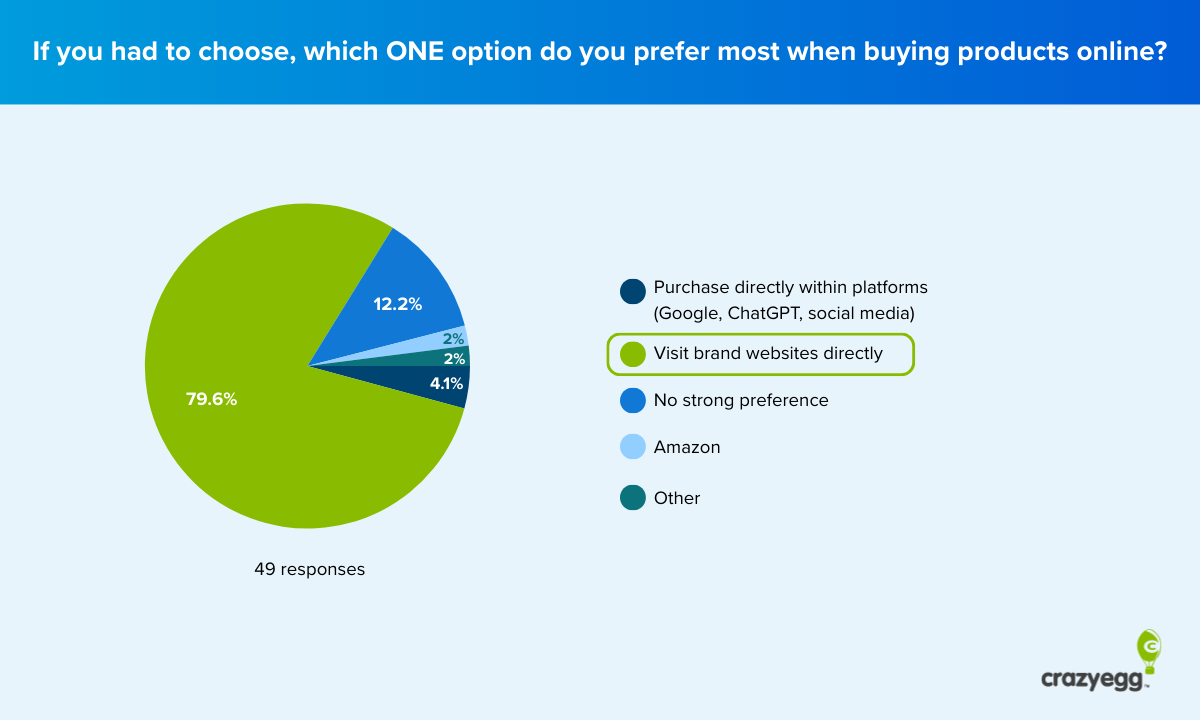
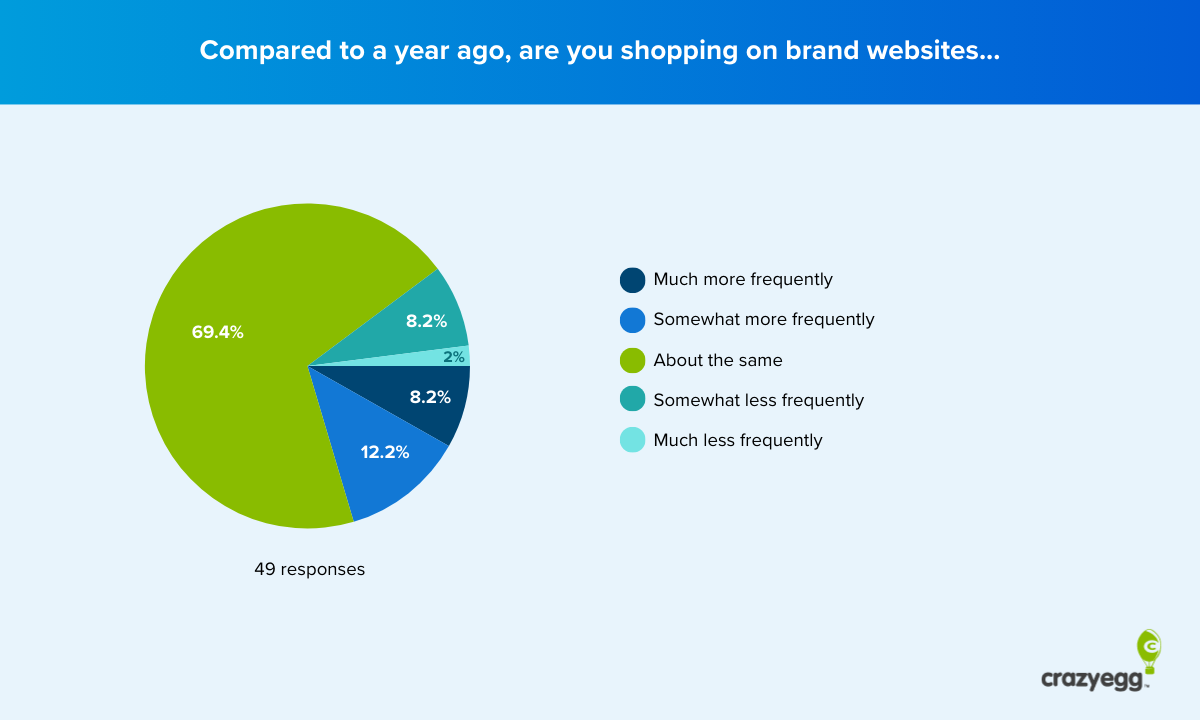
The data indicates that the brand website is not a channel in decline; rather, it is a channel with a formidable hold on consumer preference. Approximately 80% of respondents identified the brand’s official website as their preferred destination for completing a purchase. This preference is not merely a matter of habit. When asked about their behavior over the past year, 69% of shoppers reported that their usage of brand websites had remained steady, while 20% actually increased their frequency of visiting brand-direct sites.
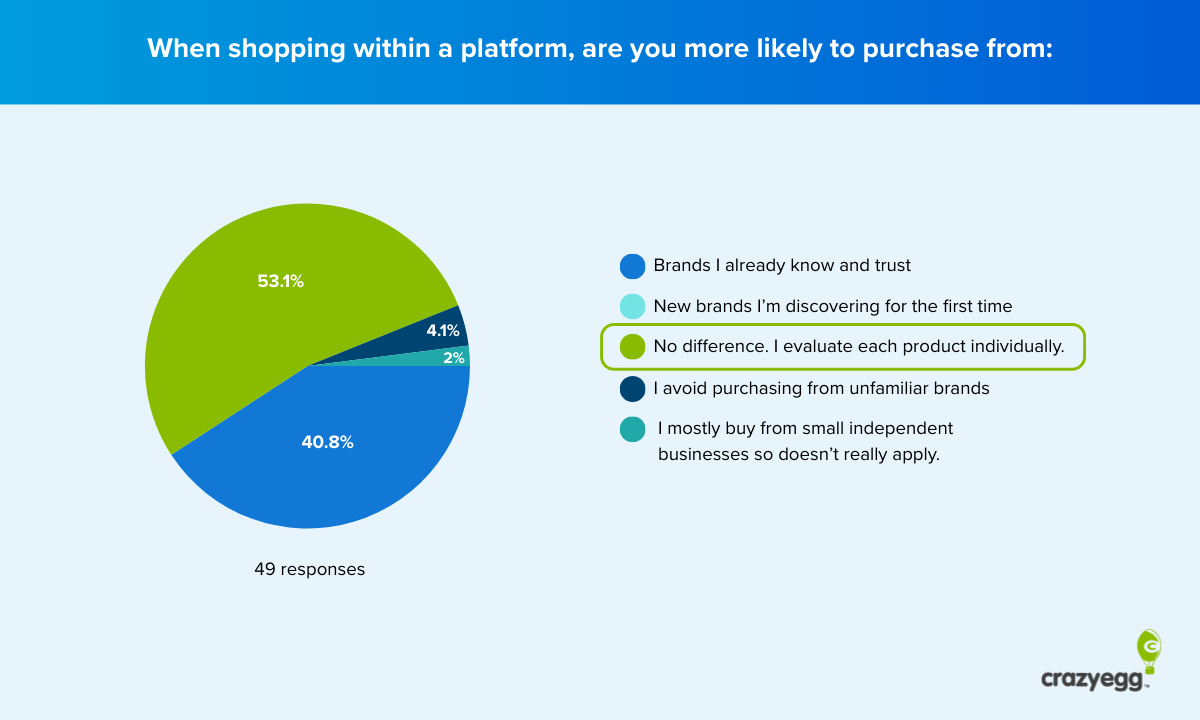
This preference appears to be driven by a "defensive" loyalty. Consumers are not necessarily choosing brand websites because they offer a superior user interface, but because they do not yet trust the alternatives. The survey highlighted several recurring themes that drive shoppers away from platform-native checkout:
- Security and Privacy: Concerns over how social media giants and AI companies handle financial data.
- Product Authenticity: A pervasive fear of counterfeit goods or "scam" ads, particularly on social media platforms.
- Customer Support: The belief that resolving issues with returns or shipping is significantly easier when dealing directly with a brand rather than a third-party platform.
- Algorithmic Skepticism: A growing awareness that platform recommendations are often driven by commission structures rather than product quality.
One respondent summarized this sentiment by stating, "I will actively close Instagram, even if I see something I want to buy. I will Google search the product to look for it at its official .com." This suggests that for a large segment of the population, the platform is a discovery tool, but the brand website is the only trusted "closing room."
The Emotional and Value Gap
Beyond the logistical concerns of security and shipping, there is a clear emotional dimension to the channel choice. 59% of respondents reported feeling a stronger connection to a brand when purchasing directly from its website. This suggests that the brand website serves as a vital touchpoint for storytelling and brand equity that cannot be replicated in the sterile, standardized checkout environments of a social media app or an AI chat interface.
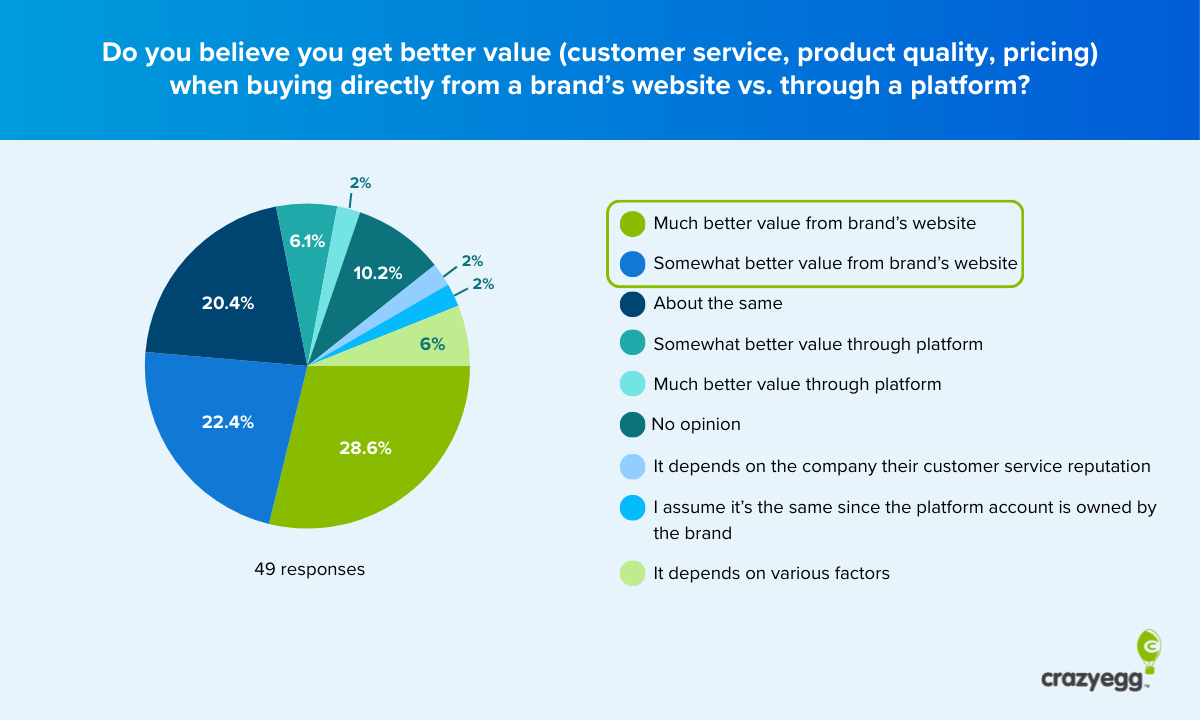
Interestingly, the perception of "value" is less definitive. Only 51% of shoppers believe they get better prices on a brand’s website. Many consumers noted that while they trust the brand site more, they suspect the Manufacturer’s Suggested Retail Price (MSRP) is often higher there than on third-party marketplaces. This creates a tension where shoppers are willing to pay a "trust premium" to buy direct, even if they suspect a cheaper deal might exist elsewhere.
Platform Performance: Google, AI, and Social Media
The survey provided a granular look at how different platform types are perceived by the modern shopper.
Google Search and Shopping
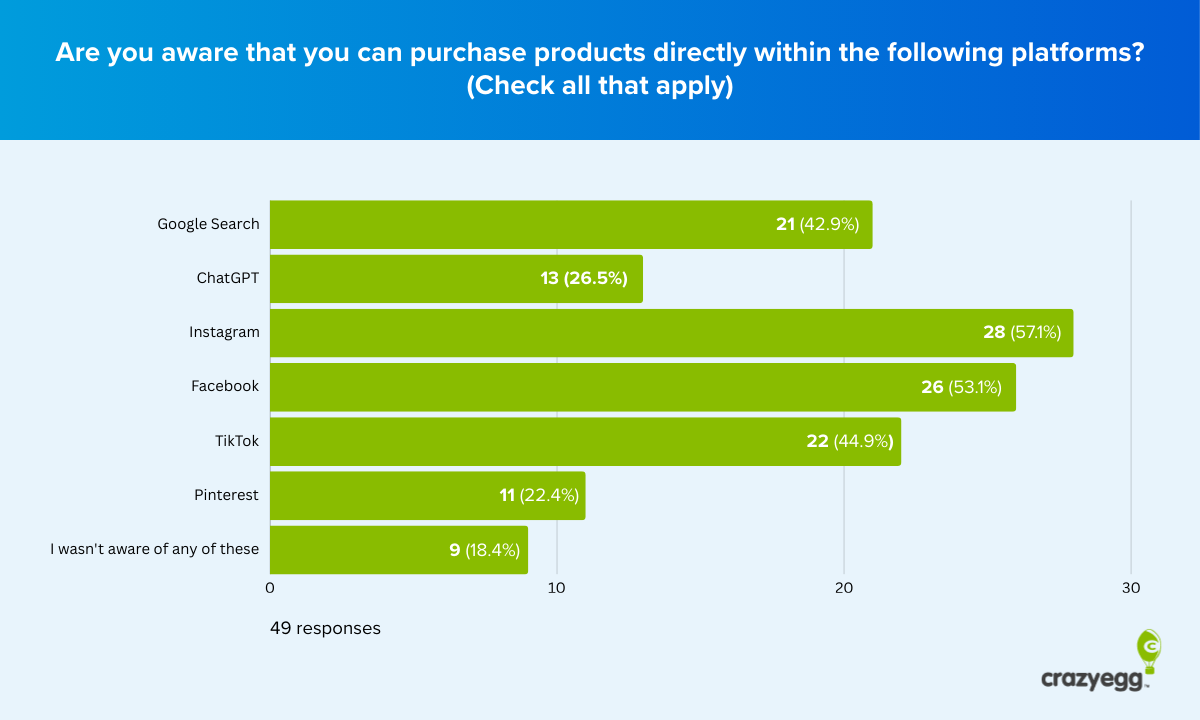
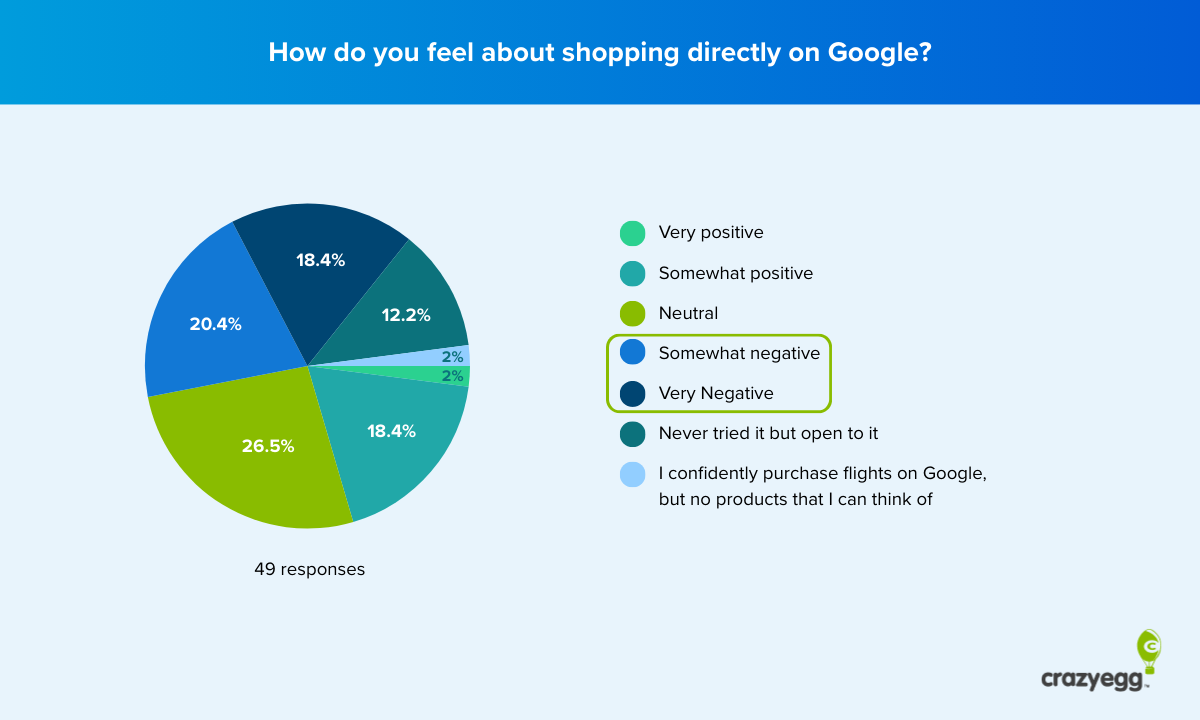
Google remains the most "trusted" among the non-brand platforms, largely due to its longevity and brand familiarity. However, this has not translated into high adoption for its native checkout features. While 38% of respondents view Google Shopping negatively, 20% view it positively—the highest positive rating among the platforms tested. Interestingly, Google has earned category-specific trust; many users are comfortable booking flights via Google but remain hesitant to purchase physical consumer goods through the same interface.
ChatGPT and AI Commerce
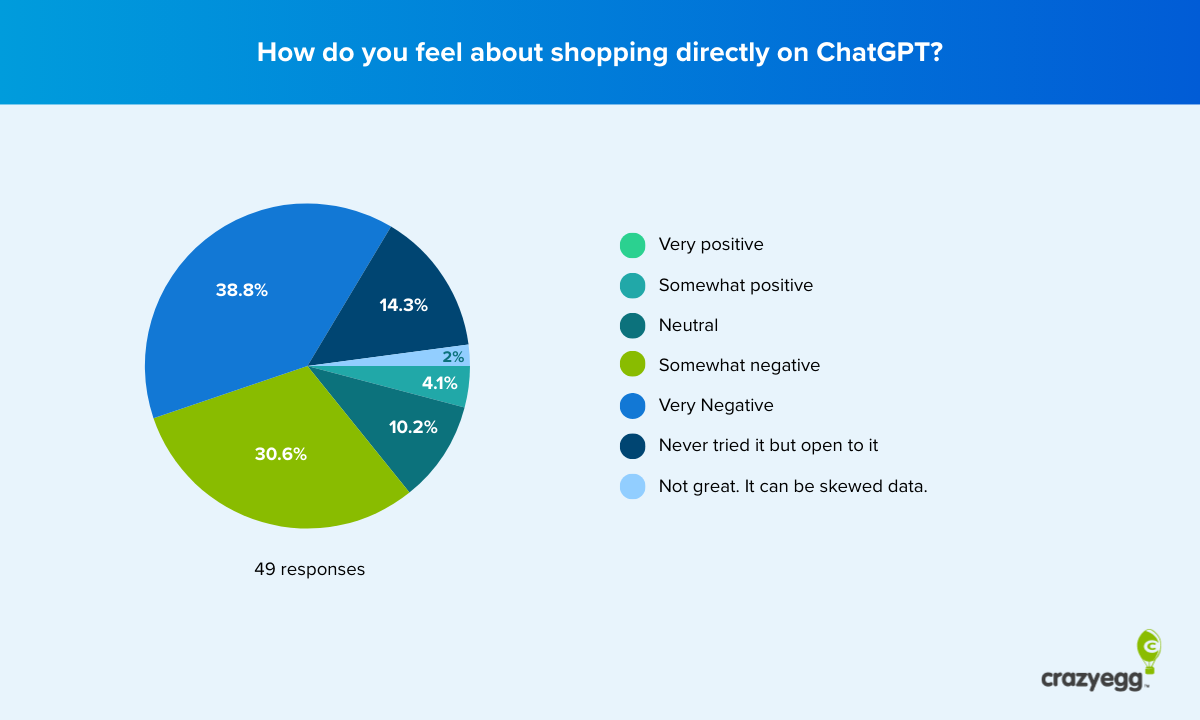
Artificial Intelligence represents the frontier of ecommerce, but it currently faces the steepest uphill battle. 70% of respondents expressed a negative sentiment toward shopping through ChatGPT. The resistance here is not driven by a lack of understanding of the technology, but rather a deep familiarity with it. Tech-savvy users expressed concerns about "algorithmic influence" and the opacity of how AI chooses to recommend one product over another. There is a widespread suspicion that AI suggestions are "swayed by who is paying a higher commission."
Social Media (Instagram, TikTok, Facebook)
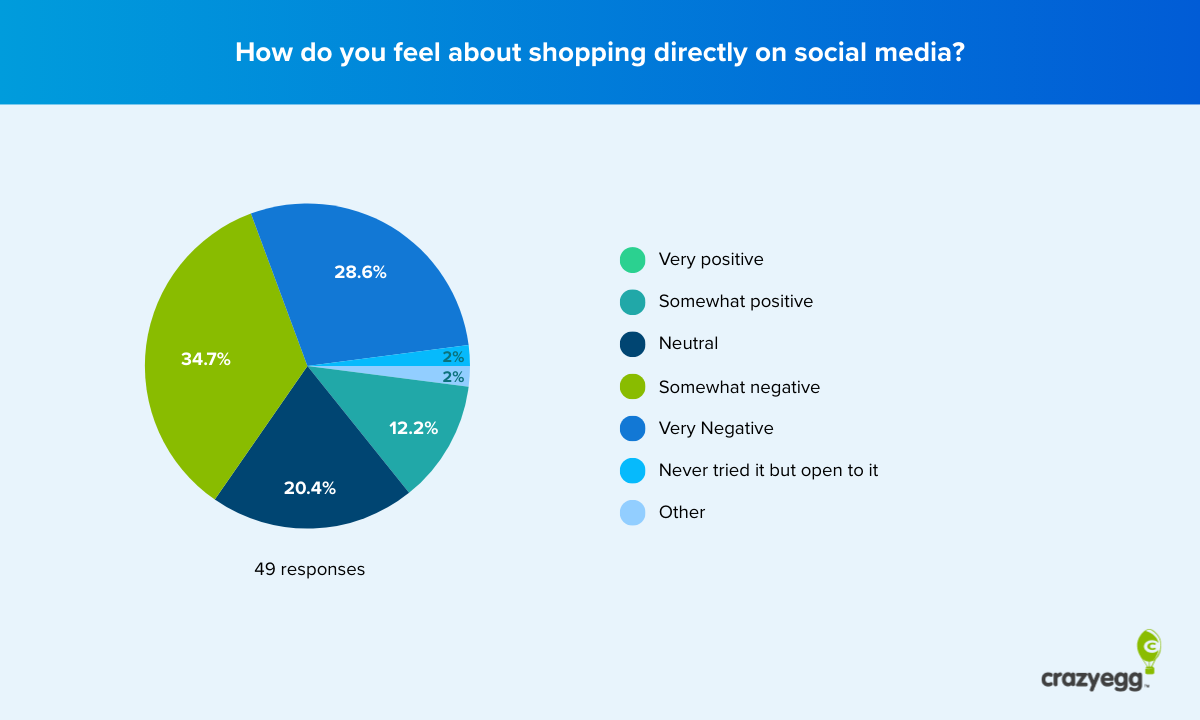
Social media platforms occupy a volatile middle ground. 64% of participants feel negatively about buying on social media, yet this is the area where sentiment is most likely to shift based on experience. Women in the survey were significantly more likely to have experimented with social commerce, particularly on Instagram. The data suggests that once a user has a single positive experience with a social media purchase, their distrust of the channel drops precipitously.
Demographic Divergence: A Tale of Two Shoppers
One of the most striking revelations of the data is the fundamental difference in how various demographics approach online shopping.
The Gender Gap
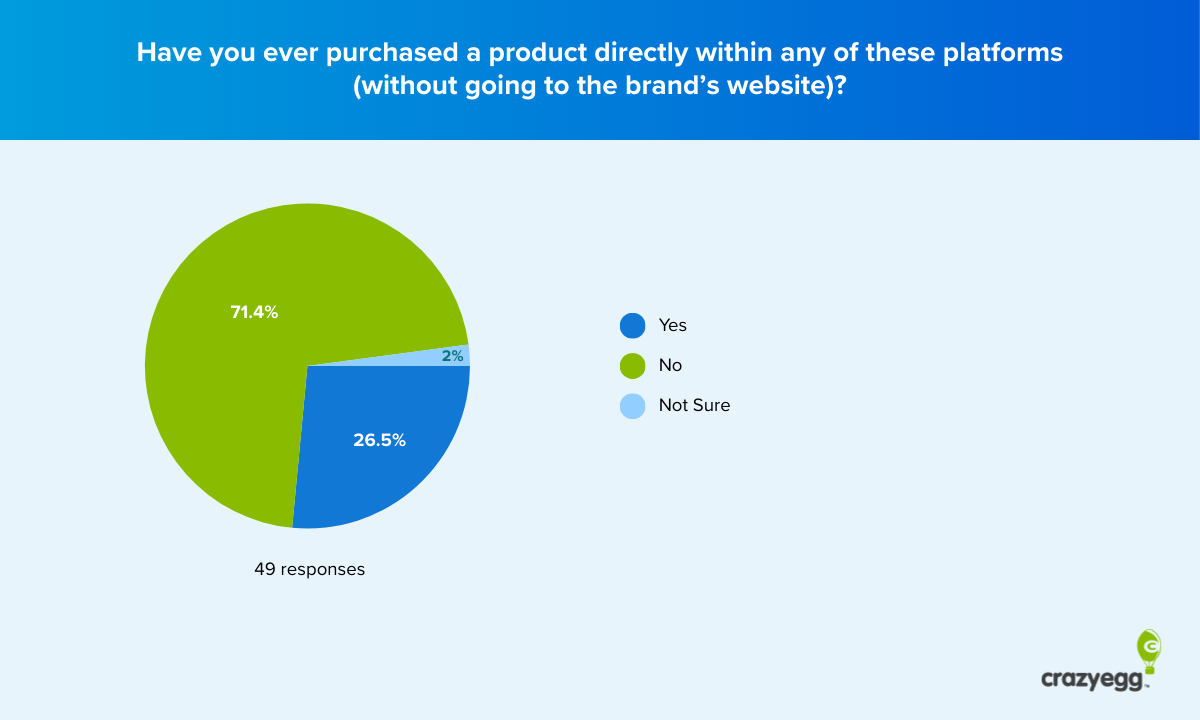
Men and women appear to be shopping in "parallel universes." Women are three times more likely to have completed an in-platform purchase than men (42% vs. 14%). For women, social media accounts—especially those of established brands—are seen as an extension of the brand itself. Buying on a brand’s Instagram page feels like buying "direct." Conversely, men tend to default to Amazon for anything not purchased on a brand website. For men, the competition is not between the brand and the platform, but between the brand and Amazon’s logistics engine.
Age and Tech Fluency
The assumption that younger, tech-savvy shoppers are the most open to in-platform shopping was debunked by the findings. The 35–44 age group proved to be the most resistant, citing ethical concerns about "tech oligarchs" and data harvesting. Meanwhile, the 45–54 age group showed a surprising openness to in-platform shopping, provided the returns process was guaranteed.
Furthermore, "tech fluency" does not predict adoption. The most tech-savvy respondents were actually more suspicious of in-platform shopping because they understand the underlying mechanics of data tracking and commission-based recommendation engines. Their resistance is ideological rather than technical.
The "Amazon Factor" and Inferred Market Reactions
While the study focused on discovery platforms, the shadow of Amazon loomed large over the responses. Many participants indicated that if they are not buying from the brand website, they default to Amazon not because they "like" the platform, but because of the "certainty" it provides. The ease of returns and the established customer service infrastructure make Amazon the "evil I know," as one respondent described it.
From a strategic standpoint, these findings suggest that platforms like TikTok and Google are not just competing with brand websites; they are competing with the decades of trust Amazon has built. Inferred reactions from brand managers suggest a pivot toward "loyalty-locked" experiences—offering exclusive products or discounts only available on the brand’s official site to counteract the convenience of platforms. Meanwhile, platform executives are likely to continue subsidizing "first-time" purchases, as the survey clearly showed that the "one-purchase threshold" is the most effective way to break consumer resistance.
Broader Implications for the Future of Retail
The results of this survey provide a roadmap for the next phase of digital commerce. For brands, the "moat" is trust, authenticity, and emotional connection. As long as platforms are perceived as "shady" or "manipulative," the brand website will remain the preferred destination for high-intent purchases.
However, the "one-purchase effect" is a warning to brands. The data shows that once a consumer crosses the line and makes a single successful in-platform purchase, the trust gap between the brand website and the platform narrows significantly. If platforms can successfully "onboard" users through low-risk, subsidized transactions, the defensive loyalty currently enjoyed by brand websites could evaporate.
The future of ecommerce will likely not be a total victory for one side, but a fragmented landscape where discovery happens on platforms, but the "relationship" is managed on the brand’s own terms. For now, the brand website remains the king of the digital shelf, protected by a fortress of consumer skepticism toward the very platforms that help them find what to buy.








