rifanmuazin
In the dynamic and increasingly automated landscape of paid search advertising, meticulous quality assurance (QA) before launching new campaigns is not merely a best practice; it’s a fundamental prerequisite for success. While platforms like Google Ads leverage sophisticated AI-driven ad creation, Smart Bidding strategies, and all-encompassing campaign types such as Performance Max, this automation amplifies the risk of widespread errors if initial setups are flawed. A robust QA process acts as the essential safeguard, ensuring that automation is powered by accurate inputs, from precise tracking to a well-defined campaign structure and relevant targeting. This guide outlines the critical checks advertisers must perform to lay a solid foundation for their PPC initiatives.
Navigating Campaign Settings: The Bedrock of Campaign Performance
The initial configuration of campaign settings is paramount, dictating fundamental operational parameters and directly influencing campaign reach and efficiency.

Network Settings: Precision Over Broad Strokes
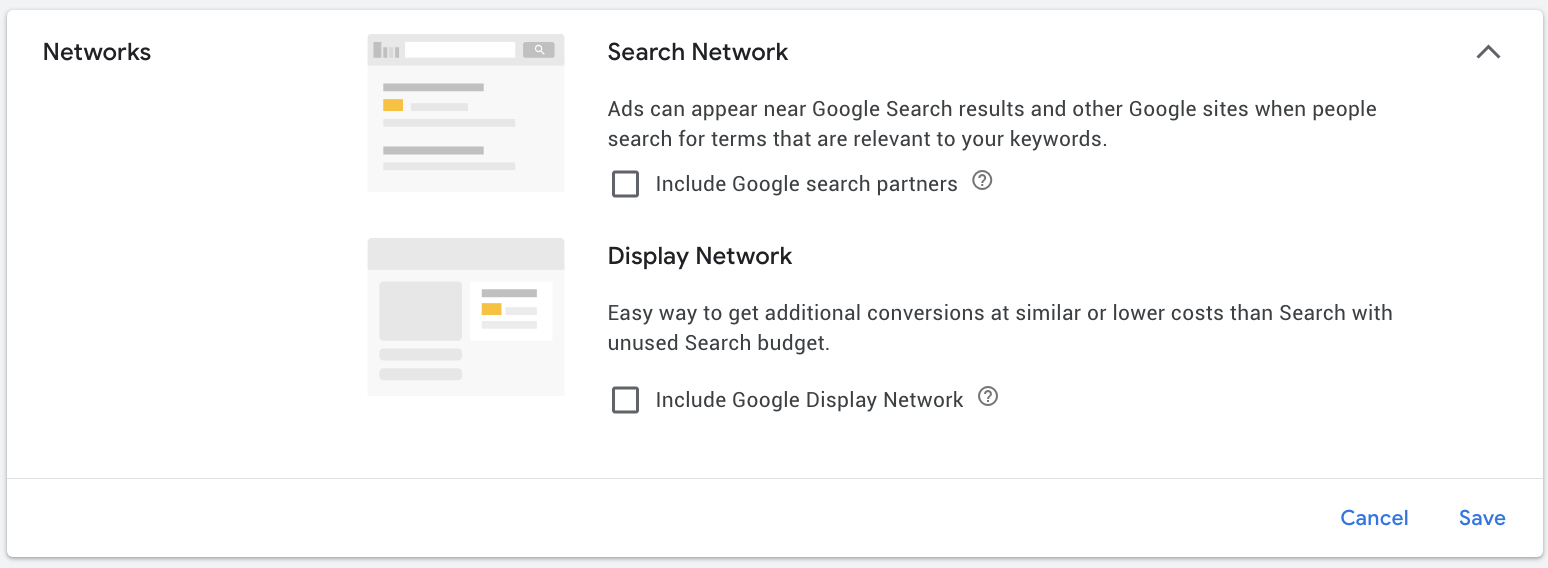
For Search campaigns, a crucial decision lies in the inclusion of search partners. While enabling them can extend reach, particularly for niche keywords where search volume might be limited, it often introduces a higher volume of lower-quality clicks. A careful evaluation of your target audience and search intent is necessary to determine if this broader reach justifies the potential decrease in click quality.
Equally important is the deliberate exclusion of the Display Network from Search campaigns. Search ads are architected for the intent-driven environment of search results pages, not the visually oriented placements of the Display Network. Attempting to run Search ads on Display placements is highly unlikely to yield effective results. Advertisers keen on leveraging the Display Network should always establish separate, dedicated Display campaigns, tailored with appropriate creatives and targeting strategies for that environment. This ensures that each network’s unique strengths are utilized optimally.
Bidding Strategies: Aligning Ambition with Automation
Bids are the lifeblood of any PPC campaign, determining ad visibility and cost. A thorough QA process involves scrutinizing the chosen bidding methodology. Are bids set too low, potentially pushing keywords below the first-page bid threshold and hindering visibility? Conversely, are there instances of inadvertently high bids that could rapidly deplete budgets?
Google Ads offers a diverse array of Smart Bidding strategies, including "Maximize Conversions," "Maximize Conversion Value," "Target CPA" (Cost Per Acquisition), and "Target ROAS" (Return on Ad Spend). The selection of the most appropriate strategy hinges on overarching account objectives and the availability of historical conversion data. For nascent campaigns with limited data, "Maximize Clicks" can serve as a robust starting point. However, for accounts with a consistent volume of conversion data, "Target CPA" or "Target ROAS" typically offer more sophisticated optimization capabilities.
It is imperative to remember that Google Ads’ Smart Bidding strategies, powered by machine learning, dynamically adjust bids. Therefore, consistent monitoring of average CPC (Cost Per Click) and average cost per conversion is essential. This vigilance helps prevent over- or under-bidding, even when direct bid control is delegated to the automated system. For instance, a sudden surge in average CPC without a corresponding increase in conversion volume could signal a need to re-evaluate campaign performance or adjust target metrics. Data from industry reports, such as those published by eMarketer, consistently show that advertisers employing data-driven bidding strategies often outperform those relying on manual methods, but only when these strategies are supported by sufficient data and diligent oversight.
Budget Settings: Fueling Performance, Not Fumbling
The adequacy of set budgets is a critical factor. Are budgets too restrictive to allow for meaningful learning and optimization, or excessively high, leading to wasteful expenditure? A common oversight is the accidental addition of an extra zero, dramatically inflating the budget. Google’s safeguard of prompting users to click "Save" twice for substantial budget increases helps mitigate the most egregious of these errors, but manual verification remains crucial.

Google frequently offers budget recommendations. If these are adopted, it’s vital to ensure they align with the overarching campaign strategy and financial objectives. Furthermore, the chosen budget must be sufficient to support the selected bidding strategy. Smart Bidding requires consistent data to learn and optimize effectively. Restrictive budgets can prolong the learning phase or prevent campaigns from generating enough conversion data to operate efficiently. In such scenarios, opting for a strategy like "Maximize Clicks" with a CPC limit or "Manual CPC" might be more prudent. The relationship between budget and bidding strategy is symbiotic; insufficient budget can cripple the effectiveness of even the most advanced automated bidding.
Campaign Structure and Naming Conventions: Clarity and Consistency
The structural integrity of a new campaign must align with the established hierarchy of the broader account. If deviations exist, a clear rationale should be documented. Maintaining a consistent and logical naming convention across all campaigns, ad groups, and ad assets is indispensable. This practice ensures that account stakeholders, even those less familiar with the specific campaign, can readily understand its purpose and position within the overall advertising strategy. This organizational clarity is not just an aesthetic choice; it facilitates more efficient analysis and troubleshooting.
The Nuances of Performance Max and AI-Driven Features
Google’s introduction of Performance Max (PMax) campaigns and evolving AI-driven features like AI Max necessitate an even more rigorous QA approach due to their inherently automated nature and reduced advertiser control.

Performance Max: Strategic Asset Grouping and Feed Integrity
Performance Max campaigns introduce additional complexity from a QA standpoint. Their heavy reliance on automation means advertisers relinquish a degree of direct control compared to traditional campaign types. A primary focus should be on reviewing the asset group structure. Each asset group should be thematically cohesive, aligning with specific products, services, or audience segments. Grouping unrelated messaging can dilute performance and confuse the AI.
If a product feed is utilized, its quality is paramount. The feed must be clean, up-to-date, and accurately structured, as its integrity directly impacts campaign performance. Audience signals should be thoughtfully implemented to guide Google’s initial targeting efforts. While PMax will expand beyond these signals, providing strong foundational inputs can accelerate its machine learning process. Furthermore, brand exclusions require careful review, especially if the objective is to delineate brand and non-brand advertising efforts. Despite the perceived limitations in visibility and control of PMax, ongoing reviews remain essential to identify and rectify potential misalignments.
AI Max and Automatically Created Assets: Balancing Automation and Brand Integrity
Google’s AI Max feature, which encompasses automatically created assets, represents a significant evolution in Search campaigns. By opting into text customization features, advertisers permit Google to generate additional headlines and descriptions by drawing content from landing pages, existing ads, and keywords. This capability can be instrumental in adapting messaging in real-time to better match user intent and enhance performance.
However, this automation inherently reduces control over ad presentation. AI-generated assets may introduce messaging that deviates from brand guidelines or desired tone of voice. AI Max also incorporates features like final URL expansion, which can direct users to different landing pages based on their search intent. This underscores the importance of ensuring website content and structure are closely aligned with campaign objectives. When utilizing AI Max, regular review of asset performance reports is crucial to understand which combinations are being served and their contribution to overall results. These settings can be managed within campaign configurations, allowing for review and adjustment of asset generation and optimization controls.
Auto-Applied Recommendations: A Double-Edged Sword
Google can automatically apply recommendations, such as adding keywords or creating new assets, which can significantly impact campaign performance. However, not all recommendations are beneficial; some can negatively affect performance. While minor tweaks might pose less risk and assist in account management for time-constrained advertisers, significant changes like altering bidding strategies, adding new keywords, or changing keyword match types from exact to broad can be detrimental to a campaign’s performance. Regularly checking the "Auto-Applied Recommendations" section in account settings is vital. For advertisers seeking absolute control over account modifications, disabling auto-applied recommendations is an option. This can be managed within the Recommendations tab by reviewing and disabling specific categories of automated application.
Keywords, Targeting, and Tracking: The Pillars of Relevance and ROI
Beyond campaign settings, the granular details of keywords, targeting, and conversion tracking form the bedrock of campaign effectiveness.

Keywords: Precision in Search Intent
A preliminary review of keywords within a campaign is essential to ensure their relevance and logical coherence. The chosen keyword match types—broad, phrase, or exact—must align with campaign goals. While Smart Bidding strategies often encourage the use of broad match keywords to maximize machine learning, advertisers can still employ phrase or exact match for greater strategic control over ad placement, ensuring relevance and efficiency.
Negative Keywords: The Unsung Heroes of Efficiency
In an era of diminishing search term visibility and evolving keyword targeting, negative keyword management has become more critical than ever. Regularly reviewing search term reports to identify and add irrelevant queries to negative keyword lists is paramount. Negative keywords are particularly valuable when running broad match keywords within Smart Bidding campaigns. Careful consideration of match types for negative keywords is also crucial, as a broad, phrase, or exact match negative could inadvertently block valuable traffic. Google typically provides notifications in the Recommendations tab for necessary changes.
Targeting: Reaching the Right Audience, Effectively
For Display campaigns, effective targeting is the lynchpin of success. A critical QA check involves verifying whether the "Targeting" or "Observation" option has been selected in audience settings. The choice between these significantly impacts reach: "Targeting" narrows exposure exclusively to selected audiences, while "Observation" maintains broader targeting with the ability to adjust bids on specific segments.

Furthermore, Google’s "Optimized targeting" feature can broaden reach beyond initial selections. If campaign results are not as relevant as anticipated, checking if this feature is enabled is crucial. Audience expansion settings across campaign types also warrant review, as audience targeting can be applied to Search campaigns, potentially limiting reach. While this can be intentional for retargeting efforts, it may be unnecessary for broader campaign activities.
Conversion Tracking: The Compass for Optimization
Accurate conversion tracking is arguably the most critical element for a successful Google Ads account. Inaccurate tracking means all optimization decisions are based on flawed data. It’s essential to confirm that primary conversions align with campaign goals (e.g., lead form submissions, purchases). Secondary actions, while useful for monitoring, should not be used for bidding.
Verification that all conversion tags are firing correctly and that values are recorded accurately is non-negotiable. Manual testing of conversions is recommended to ensure data capture is as expected. Enhanced conversions should be enabled where appropriate, leveraging first-party data to improve tracking accuracy, especially in privacy-centric environments. As previously noted, automated bidding strategies require sufficient conversion volume for effective performance. Google recommends at least 30 conversions per month, or 50 for "Target ROAS" strategies. Finally, review attribution settings to ensure alignment with reporting and optimization goals.

Ad Quality Assurance: Crafting Compelling and Accurate Messaging
The quality of ads themselves directly influences user engagement and perception.
Responsive Search Ads (RSAs): Balancing Automation and Control
With Responsive Search Ads, Google automatically tests combinations of headlines and descriptions, shifting the focus from rotating entire ads to optimizing individual assets. Pinning can be employed for critical messaging, such as compliance or brand requirements. However, excessive pinning can restrict Google’s testing capabilities and should be used judiciously. A strategic approach to pinning headlines, ensuring key messaging is in the top two positions, is recommended to maximize visibility and provide sufficient variation for testing while maintaining core message coherence.
Dynamic Keyword Insertion (DKI): A Tool Requiring Caution
Dynamic Keyword Insertion, which automatically updates ad text to match user search queries, can potentially boost click-through rates by enhancing ad relevance. However, DKI must be used with caution. Long-tail keywords may not fit within character limits, or the resulting ad copy might sound awkward. In extreme cases, it could lead to trademark infringement or misleading claims if not managed carefully.

Image Assets: Enhancing Visual Appeal
Image assets, when added to Search ads (for accounts compliant with Google Ads policies and running for over 90 days), can improve click-through rates. Images must be relevant to the ad, clear, and free of text overlays. It is also advisable to check whether Google Ads has been permitted to use merchant photos from linked Google Business Profiles, as these may not always be relevant to the specific ad. Opting out of automated image usage can be managed within the "Assets" section of Google Ads.
Typos and Grammatical Errors: The Unforgivable Slip-ups
Typos and grammatical errors in ad copy are common and easily made. A thorough proofread is essential, as automated spell-checkers may miss context-specific errors (e.g., "their" vs. "there"). For those using Google Ads Editor, built-in spell-check functionality is available. AI-generated assets also require careful review to catch any errors or nonsensical phrasing.
URLs and Tracking: Ensuring Seamless Navigation and Data Capture
A critical, yet often overlooked, QA check involves verifying landing page URLs. A broken landing page can render campaign efforts futile, even if ads are performing well. Regularly visiting landing page URLs ensures they are functional.

The presence and accuracy of tracking codes on URLs are also vital. A subtle difference between a forward slash ("/") and a question mark ("?") can determine whether a URL functions correctly or results in a 404 error. Careful verification of URL structures, especially concerning tracking parameters, is necessary. While Google’s auto-tagging feature can be beneficial for integrating with tools like Google Analytics, it can sometimes override custom tracking codes or cause URLs to malfunction. If issues arise, consultation with a web developer is recommended to ensure auto-tagging is configured correctly or disabled if custom tracking is prioritized.
Post-Launch Vigilance: Continuous Quality Assurance
Quality assurance does not conclude once a campaign is live. The initial days of activity are critical for identifying unforeseen issues and preventing wasted ad spend. Monitoring key metrics such as click-through rate, cost per click, and early conversion performance in the first 24-72 hours post-launch is essential for spotting anomalies and making timely adjustments. This ongoing vigilance ensures that the carefully constructed foundation remains sound and continues to support campaign objectives. The evolution of PPC platforms demands a proactive and thorough approach to quality assurance, transforming it from a perfunctory step into a strategic imperative for sustained digital advertising success.