rifanmuazin
The established order of the search business, long synonymous with Google’s uncontested dominance, is currently undergoing a profound and rapid transformation, signaling a new era for digital discovery and advertising. Recent weeks have witnessed a flurry of strategic maneuvers from the industry’s giants, collectively indicating a significant reorientation of the competitive landscape. Google, in a monumental shift, has rolled out its AI Mode to billions of users worldwide, fundamentally altering how information is presented and consumed. Concurrently, Meta has been quietly advancing its ambitions for an AI-driven search product across its vast social ecosystem, while TikTok has aggressively bolstered its search ad business, solidifying its position as a burgeoning intent engine. These parallel developments are not merely incremental updates; they represent a pivotal turning point for brands, marketing agencies, content publishers, and indeed, anyone who relies on search mechanisms to connect with consumers. The battle for discovery and monetizable intent is intensifying, with artificial intelligence serving as the primary weapon in this evolving technological arms race.
Google’s Defensive Innovation: The Dawn of AI Mode
For over two decades, Google has reigned supreme as the undisputed king of search, its brand name becoming a verb synonymous with finding information online. However, the advent of sophisticated generative AI models, particularly in late 2022 with the public launch of ChatGPT, presented an existential challenge to Google’s traditional keyword-and-link-based search paradigm. In response, Google has aggressively leaned into AI, transforming its core product to defend its vast digital territory. The global rollout of what Google initially termed the Search Generative Experience (SGE), now widely known as AI Mode, powered by its advanced Gemini model, places conversational AI summaries directly at the apex of search results. This integration marks a radical departure, allowing users to engage with Google not merely as a retrieval system but as an interactive, chat-like assistant. Users can now pose complex queries, ask follow-up questions, and refine their information needs dynamically, all without navigating away from the initial search results page.
This evolution is undeniably beneficial for users seeking quick, comprehensive, and context-rich answers, streamlining the information-gathering process. However, for the myriad publishers, content creators, and digital marketers whose business models are predicated on driving traffic through organic search, the implications are far more complex and, in many cases, concerning. Early data emerging from various analytics firms and industry reports indicates a sharp decline in click-through rates (CTRs) for websites traditionally ranking below these AI overviews. Some analyses have reported drops exceeding 50% for positions beneath the AI-generated summaries, particularly for informational queries where the AI can provide a direct answer. This phenomenon, often referred to as the "zero-click" search, is not entirely new; featured snippets and knowledge panels have contributed to it for years. However, the expansive nature and interactive capabilities of AI Mode are accelerating this trend dramatically, raising urgent questions about the future viability of content monetization through traditional search engine optimization (SEO) strategies.
Despite these challenges for organic traffic, Google is insistent that advertisers have little to fear and, in fact, much to gain. The company is actively integrating advertising directly into these AI answers. Shopping placements and traditional search ads are now appearing seamlessly within the AI summaries themselves, rather than being confined to the periphery of the results page. Furthermore, Google has introduced AI Max, a new campaign type designed to leverage AI to match creative assets with user intent, significantly reducing reliance on explicit keyword targeting. This innovation signals a profound rewriting of the established rules of Search Engine Marketing (SEM). Advertisers currently piloting AI Max campaigns are reportedly observing double-digit performance lifts, demonstrating the potential for increased efficiency and reach. However, this enhanced performance comes at a cost: a surrender of greater control to Google’s proprietary "black box" algorithms, demanding a new level of trust and adaptability from marketing professionals. The message from Mountain View is unequivocal: in Google’s AI-first search environment, visibility and success will increasingly hinge not on traditional ranking positions, but on the algorithm’s decision to surface content or ads directly within its synthesized AI answers.
Challengers Emerge: Meta’s Subtle Ascent and TikTok’s Direct Charge
While Google fortifies its core search product with AI, two other tech behemoths, Meta and TikTok, are simultaneously making aggressive moves to disrupt its long-held hegemony. Their strategies, though distinct, share a common goal: to capture a greater share of the discovery journey and the associated advertising revenue.
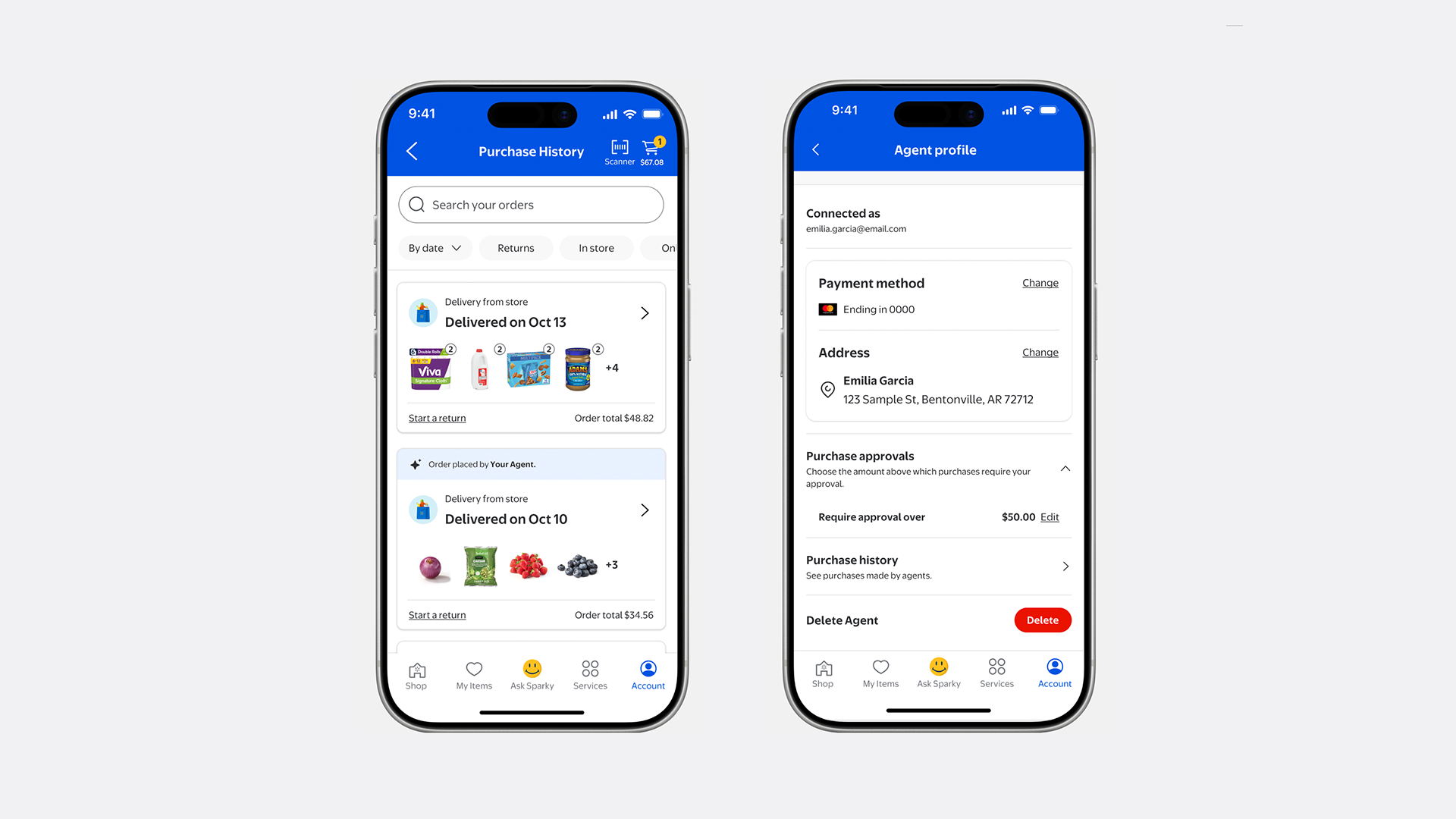
Meta, the parent company of Facebook, Instagram, and WhatsApp, has for years hinted at its ambition to automate and optimize advertising across its vast network of platforms. It is now quietly testing AI-powered search functionalities across Instagram and Facebook. Industry sources and agency executives confirm that Meta is strategically laying the groundwork for a sophisticated search product that will not only enhance user discovery within its apps but also unlock entirely new avenues for ad inventory. Users have already observed noticeable improvements in Instagram’s search capabilities, which provide a likely preview of the more comprehensive AI-driven search experiences to come. Meta’s endgame is clear: to keep its colossal user base—and the significant ad dollars they represent—firmly within its walled gardens, making its platforms more indispensable for both social connection and commercial intent. By leveraging its immense data on user interests, social graphs, and past behaviors, Meta’s AI-powered search aims to deliver highly personalized and relevant results, blurring the lines between social discovery and traditional search.
TikTok, on the other hand, is pursuing a more direct and rapidly expanding approach. Its search ads business has quickly evolved into a significant growth engine for the platform. Brands can now deploy keyword-based campaigns specifically targeting high-intent queries, with these ads appearing directly within TikTok’s search results. Reports from advertising agencies indicate that adoption of TikTok’s search ad solutions has doubled in recent months, reflecting a burgeoning advertiser confidence in the platform’s ability to drive conversions. Some brands are reporting lower Cost Per Acquisition (CPA) metrics and higher engagement rates when strategically combining TikTok search campaigns with their existing upper-funnel social media spending. Crucially, these campaigns are not solely driving conversions within TikTok itself; they also appear to generate a downstream lift in Google search performance, suggesting a symbiotic relationship between the two channels rather than outright cannibalization. This indicates that TikTok is not just capturing existing search demand but is actively stimulating new intent, which then cascades into other search platforms.
This shift is particularly pronounced among younger demographics. For Generation Z, in particular, the traditional search journey increasingly originates not on Google, but directly within platforms like TikTok or Instagram. They use these apps not just for entertainment or social connection, but as primary sources for product reviews, trend discovery, local information, and even how-to guides. For brands, this fundamental change in user behavior means that "search" is no longer synonymous with "Google." It is a multi-platform, multi-modal experience, demanding a diversified and adaptive strategy.
Broader Strategic Imperatives: Owning Discovery and Intent
Underpinning these transformative moves by Google, Meta, and TikTok is a shared, overarching strategic imperative among the major tech giants: to own the "discovery moment" and to monetize it effectively with advanced artificial intelligence. In an increasingly fragmented digital landscape, where user attention is a fiercely contested commodity, controlling where and how users find information, products, and services is paramount.
For Google, maintaining its status as the world’s primary gateway to information is critical. Its historical dominance in search has been the bedrock of its multi-billion-dollar advertising empire. By integrating AI directly into its search results, Google aims to enhance user experience, thereby reinforcing its central role in the discovery process and ensuring that it remains the default starting point for most online queries. This also allows Google to maintain control over the monetization of intent, adapting its ad formats to the new AI-driven paradigm.
Meta’s play is about leveraging its massive installed user base—billions of individuals who spend significant portions of their digital lives within its apps. By improving search and discovery through AI, Meta aims to deepen user engagement, reduce the need for users to leave its platforms to find information, and create new, highly targeted advertising opportunities based on explicit user intent expressed through search. This strategy allows Meta to capture a slice of the intent-driven advertising market that Google has historically dominated.
TikTok’s strategy capitalizes on its unparalleled algorithmic recommendation engine and its profound influence on cultural trends and consumer behavior. By adding a robust search ad business, TikTok is transforming its platform from a purely passive content consumption environment into an active intent-generation and fulfillment engine. It allows brands to tap into users who are not just browsing but actively seeking specific products, trends, or information, thereby capturing value at a crucial point in the customer journey.
The economic stakes in this battle are colossal. The global digital advertising market is projected to reach well over $700 billion in 2024, with search advertising historically constituting a substantial portion of this. The ability to influence consumer discovery and capture their intent directly translates into significant revenue opportunities. The deployment of AI is not merely about technological advancement; it is about securing future revenue streams and market share in an intensely competitive environment.
Implications for Marketers and Brands
For brands, advertising agencies, and content marketers, these seismic shifts in the search landscape necessitate a comprehensive rethink of both strategic approaches and measurement methodologies. The era of a monolithic search experience is rapidly giving way to a fragmented, multi-platform reality where user behavior is dynamic and diverse.
-
Diversification of Search Strategy: Brands can no longer exclusively focus on Google SEO and SEM. A truly effective search strategy must now encompass optimization for Google’s AI Mode (focusing on structured data, clear answers, and potential inclusion in AI summaries), Meta’s evolving AI-driven discovery, and TikTok’s burgeoning search ad capabilities. This means understanding the unique algorithms and user behaviors of each platform.
-
Rethinking Content Creation: For publishers and content creators, the "zero-click" phenomenon demands a re-evaluation of content strategy. The emphasis may shift from driving direct clicks to being the authoritative source that Google’s AI synthesizes. This could mean focusing on highly structured, comprehensive, and factual content that is easily digestible by AI models, alongside strategies for direct engagement on owned properties. The value of brand authority and direct relationships with consumers becomes even more critical.
-
Adapting Advertising Budgets and Creative: Advertising budgets must be reallocated to reflect the new realities of user intent and discovery across platforms. This involves experimenting with Google’s AI Max, exploring Meta’s new AI-powered ad inventory, and investing in TikTok search ads. Creative strategies must also adapt to the native formats and user expectations of each platform, moving beyond generic campaigns to highly tailored messages.
-
New Measurement Paradigms: The traditional metrics of organic search—impressions, clicks, and rankings—will need to evolve. Marketers will need to track how their content is being referenced in AI summaries, measure engagement within social search environments, and develop attribution models that account for the cross-platform, multi-touchpoint nature of modern discovery. Understanding the synergistic effects between platforms, as observed with TikTok and Google search, will be crucial.
-
Focus on First-Party Data and Direct Engagement: As platforms become more "walled-garden" like, and algorithmic control increases, the importance of first-party data and direct consumer relationships becomes paramount. Brands must strive to capture customer data and foster direct engagement channels (e.g., email lists, direct social followers, owned communities) to mitigate reliance on third-party platforms for traffic and conversions.
-
Embracing Experimentation and Agility: The rapid pace of change in AI and search means that marketers must adopt a mindset of continuous experimentation. What works today may be obsolete tomorrow. Agencies and brands that can quickly adapt, test new strategies, and iterate based on real-time data will be best positioned for success.
The Future of Search: Adaptation as the Ultimate Reward
The future of search is unmistakably distributed, AI-driven, and intensely competitive. For Google, the paramount challenge lies in innovating its core product with AI without alienating its vast ecosystem of advertisers and publishers, upon which much of its revenue depends. It must strike a delicate balance between enhancing user experience with AI summaries and ensuring a vibrant, clickable web. For Meta and TikTok, the immense prize is to successfully transform their colossal user bases into powerful intent engines that can divert significant portions of the search advertising budgets that have historically flowed almost exclusively to Google. Their success will depend on their ability to deliver compelling search experiences and measurable ROI for advertisers.
This evolving landscape represents both formidable challenges and unprecedented opportunities. Brands and marketers who recognize that search is no longer a singular destination but a multifaceted journey across diverse platforms, powered by sophisticated AI, will be the ones that thrive. Those who cling to outdated strategies risk being left behind in a digital world where discovery is increasingly dynamic, personalized, and platform-agnostic. Adaptation, informed by data and driven by a deep understanding of evolving consumer behavior, will be the ultimate reward in this new era of search.


 Jia Lissa
 Siti Muinah