rifanmuazin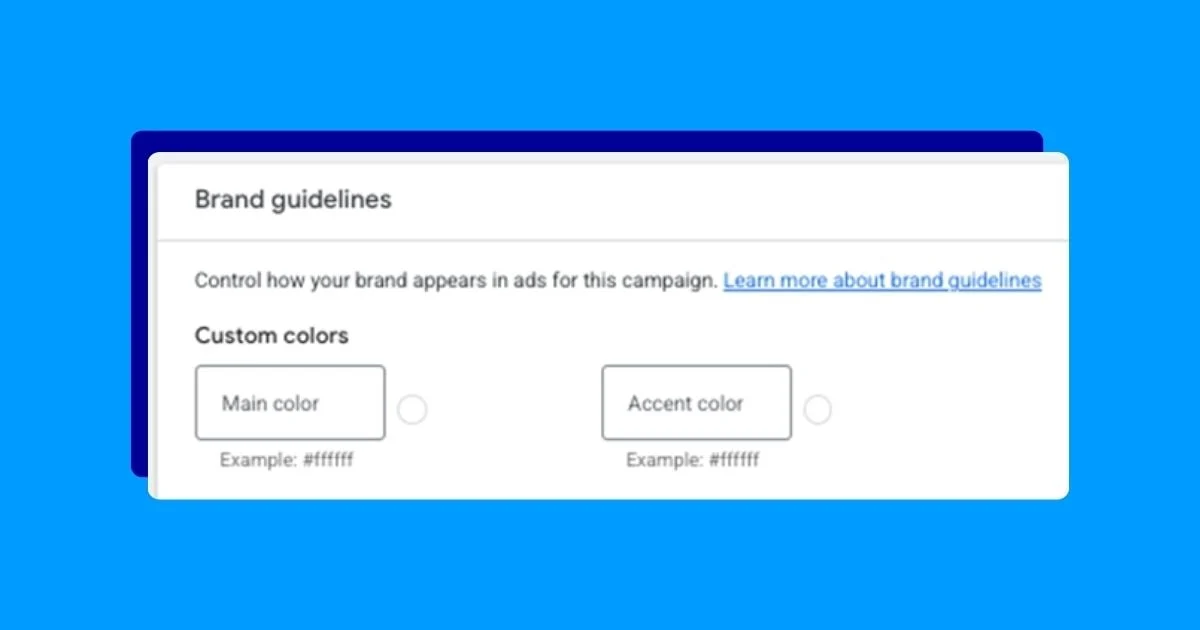
As artificial intelligence and automation continue to reshape the digital advertising landscape, ensuring consistent and accurate brand representation within these powerful systems has become paramount for businesses. While automated solutions often surpass traditional manual methods in efficiency and performance, the risk of brand dilution or misrepresentation looms large. Google Ads, recognizing this critical need, has introduced a suite of brand guideline controls designed to empower advertisers to maintain their brand’s integrity and visual identity, even as campaigns are increasingly managed by algorithms. This comprehensive guide explores the various brand guideline features available within the Google Ads platform, detailing how advertisers can leverage them to safeguard their brand’s look, feel, and messaging.
The Evolution of Ad Creation and the Need for Brand Control
The digital advertising industry has undergone a seismic shift in recent years, driven by advancements in AI and machine learning. Platforms like Google Ads have become sophisticated ecosystems capable of optimizing campaigns at an unprecedented scale and speed. These automated systems can analyze vast amounts of data, predict user behavior, and dynamically adjust ad placements, bidding strategies, and even ad creative elements to maximize performance. This efficiency, however, can sometimes come at the cost of granular control over brand presentation.
Historically, advertisers relied on meticulous manual oversight to ensure every advertisement adhered to strict brand guidelines. This involved carefully crafting ad copy, selecting appropriate imagery, and ensuring consistent use of logos and color palettes across all campaigns. While effective, this manual process was time-consuming and often struggled to keep pace with the rapid optimization cycles of automated ad platforms.
The introduction of Google Ads brand guidelines represents a significant step towards bridging this gap. These features allow advertisers to pre-define key brand elements, providing automated systems with a clear framework to operate within. This not only helps maintain brand consistency but also allows businesses to confidently embrace the performance benefits of automation without sacrificing their hard-earned brand equity.
Understanding Google Ads Brand Guidelines: A Four-Pillar Approach
Google Ads brand guidelines are not a single, monolithic control panel but rather a collection of settings that collectively guide how automated campaign elements are curated. These settings allow advertisers to influence various aspects of their ad’s appearance and messaging, ensuring a more cohesive brand experience across different campaign types and placements. Currently, there are four primary categories of brand controls available to advertisers:
- Business Name and Logos: The Foundational Elements of Identity
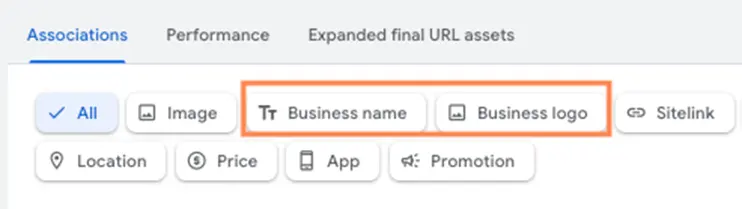
At its core, brand identity is often distilled into a company’s name and its visual emblem. Google Ads provides foundational controls for these essential elements, allowing advertisers to specify their official business name and upload approved logo assets.
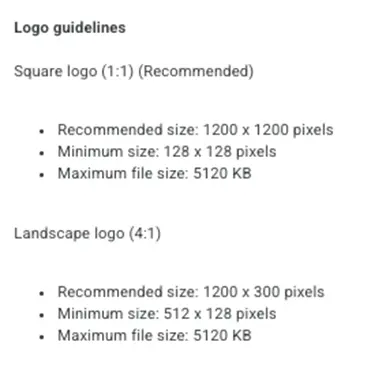
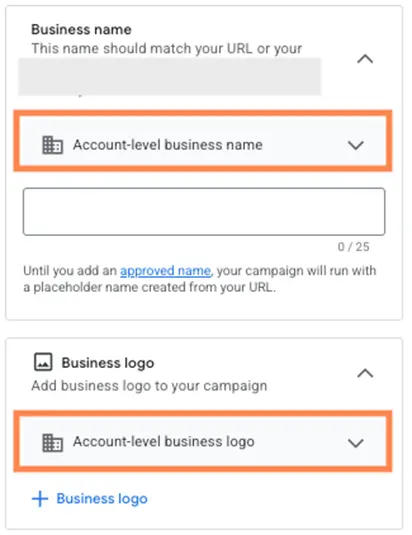
The Business Name field is subject to a strict 25-character limit. This constraint can present challenges for businesses with longer official names, necessitating creative abbreviations or strategic choices. Advertisers are advised to ensure their chosen name is both recognizable and compliant with Google’s policies, as overly creative or ambiguous names may be flagged for errors.
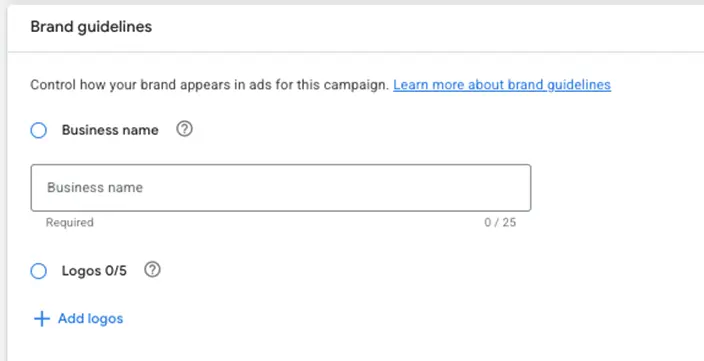
Logos are critical for brand recognition and differentiation. Google Ads allows for the upload of up to five logo variants, including both square and landscape formats. It is recommended to utilize this capacity by providing a range of options, such as light and dark versions, to ensure optimal display across diverse ad environments. When selecting logos, advertisers should prioritize designs that remain legible and impactful even at very small sizes, as they often appear in confined ad spaces. The image specifications for these logos are crucial to ensure they render correctly across all devices and placements.
The application of business name and logo guidelines is broad, impacting various campaign types and ad placements. They are fundamental components in:
- Search Campaigns: Displayed alongside ad text to reinforce brand identity.
- Performance Max Campaigns: Crucial for visual assets and brand association across Google’s network.
- Display Campaigns: Used in banner ads and other visual placements.
- Discovery Campaigns: Essential for building brand recognition in feed-based environments.
- Demand Gen Campaigns: Particularly important for visually rich ad formats.
These settings can typically be configured at the account level, ensuring a consistent application across all campaigns within that account, or sometimes at the campaign level for more specific control. This centralized approach simplifies management and reduces the likelihood of inconsistencies.
- Brand Colors: Painting a Consistent Visual Narrative
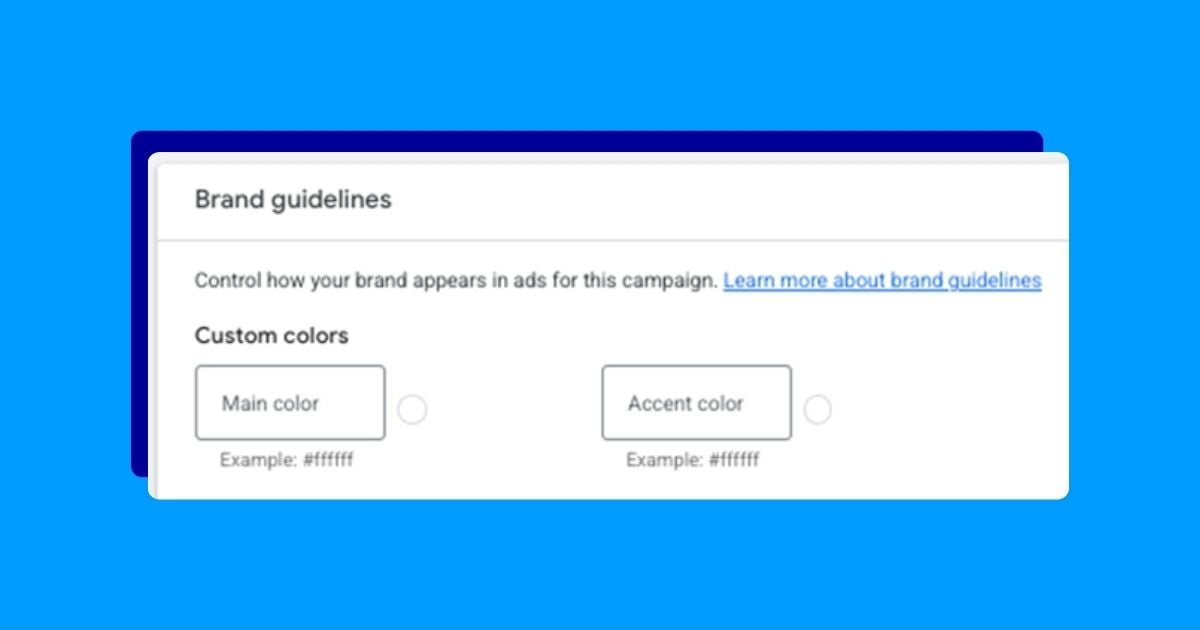
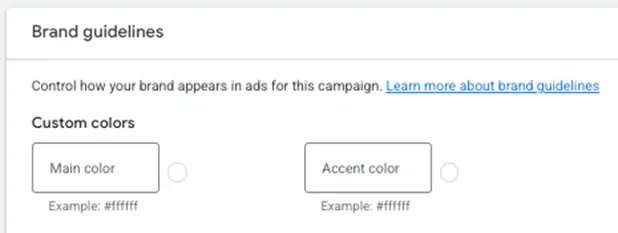
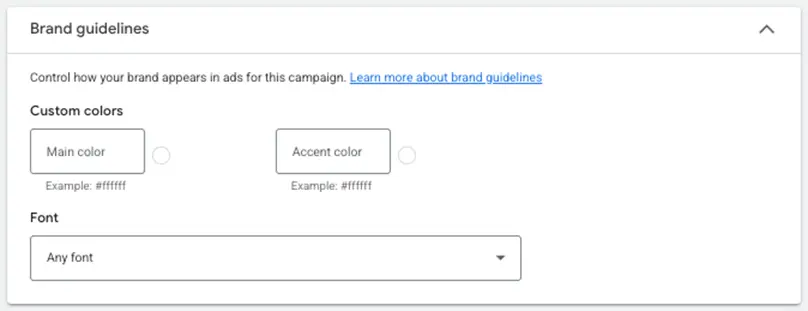
For campaigns that rely heavily on visual appeal, controlling the color palette used in ad creation is essential. Google Ads allows advertisers to define a primary brand color and a secondary accent color. This feature supports the input of specific hexadecimal color codes, providing a high degree of precision and ensuring exact adherence to brand color standards. This capability moves beyond generic color selectors, minimizing the potential for deviation and ensuring brand colors are accurately represented.
These defined brand colors can be integrated into various ad elements, including background fills, calls-to-action (CTAs), and accent graphics. However, it is important to note that these are guidelines, not rigid mandates. Google’s algorithms may, under certain performance-driven scenarios, opt to use alternative colors if they predict a significant improvement in ad performance. This nuanced approach aims to balance brand consistency with the platform’s optimization capabilities.
Brand color guidelines are particularly relevant for:
- Performance Max Campaigns: Influencing the visual themes and aesthetic of ads across Google’s inventory.
- Discovery Campaigns: Enhancing the visual appeal of ads in personalized feeds.
- Demand Gen Campaigns: Ensuring visual consistency in visually-driven ad formats.
While these controls are powerful, their application can vary by campaign type and may be more prominently featured in newer, more visually oriented campaign formats.
- Fonts: Enhancing Readability and Brand Recognition
In a move towards more granular control, some Google Ads accounts offer the ability to influence font selection for ad copy. This feature, often found in proximity to color code controls, allows advertisers to choose from a curated list of fonts provided by Google. While not as expansive as custom font uploads, this selection typically offers a range of widely recognized and brand-appropriate typography options. The aim is to provide fonts that align with a brand’s established typographic hierarchy and enhance readability.
This font selection is particularly relevant for:
- Display Campaigns: Where text is often integrated into visual creative.
- Performance Max Campaigns: Contributing to the overall aesthetic of dynamic ads.
The availability and prominence of font controls can vary, and they are generally applied to campaigns where text is a significant component of the ad creative.
- Ad Copy Tone and Messaging Signals: Guiding the Narrative
Perhaps the most sophisticated and recent addition to Google Ads brand guidelines is the control over ad copy tone and messaging signals. This feature aims to equip Google’s AI with a deeper understanding of a brand’s communication style, enabling it to generate more resonant and on-brand ad copy.
This advanced control typically encompasses two key areas:
-
Term Exclusions: Functioning similarly to negative keywords in search campaigns, term exclusions allow advertisers to specify words or phrases that should not appear in AI-generated ad copy. For example, a luxury brand might exclude terms like "cheap," "discount," or "bargain" to prevent its messaging from being perceived as low-value. This is crucial for maintaining brand positioning, whether for aesthetic, strategic, or even legal reasons.
-
Messaging Restrictions: This feature provides a more conversational interface, akin to providing directives to a creative team. Advertisers can input up to 40 distinct directives, each with a substantial character limit, to guide the AI’s ad copy generation. These directives can range from broad statements like "Avoid implying our products are inexpensive or a bargain" to specific instructions such as "Use capitalization for our brand name: OrganizationName (not organizationname) to reinforce brand identity." This allows for nuanced communication about brand voice, desired sentiment, and even specific formatting requirements.
These ad copy controls are particularly impactful for:
- Performance Max Campaigns: Influencing the text generated for ads across various placements.
- Responsive Search Ads: Guiding the creation of headlines and descriptions.
- Discovery Campaigns: Shaping the narrative within feed-based ads.
The rollout of these features has been progressive, and their availability may vary across accounts. However, their inclusion signifies Google’s commitment to providing advertisers with greater control over the semantic and tonal aspects of their automated ad creation.
Strategic Implications and Best Practices
The integration of these brand guideline controls within Google Ads offers significant strategic advantages for businesses navigating the complexities of automated advertising. By proactively defining these parameters, advertisers can:
- Enhance Brand Consistency: Ensure that all automated ad components align with established brand identity, regardless of the campaign type or placement.
- Mitigate Brand Risk: Reduce the likelihood of brand-damaging misrepresentations that could arise from purely performance-driven automated ad creation.
- Boost Campaign Effectiveness: By providing clear direction, advertisers can help AI systems generate more relevant and compelling ad copy and visuals, potentially leading to improved engagement and conversion rates.
- Gain Confidence in Automation: Empower businesses to fully leverage the efficiency and scalability of AI-driven advertising without compromising their brand’s core values.
To effectively utilize these tools, advertisers should adopt a strategic approach:
- Thoroughly Document Brand Guidelines: Before configuring settings, ensure a clear and comprehensive understanding of your brand’s official name, logo variations, color palette (with hex codes), approved fonts, and desired messaging tone.
- Prioritize Key Assets: Focus on uploading high-quality, recognizable logo variants and specifying precise color codes.
- Leverage Term Exclusions Wisely: Identify and exclude terms that could negatively impact brand perception or positioning.
- Craft Clear Messaging Restrictions: Provide specific, actionable directives to guide the AI in generating appropriate ad copy.
- Monitor and Iterate: Regularly review the performance of your ads and adjust your brand guideline settings as needed. While these controls are powerful, continuous monitoring is essential to ensure they are achieving the desired outcomes.
The Future of Brand Control in Automated Advertising
The evolution of Google Ads brand guidelines reflects a broader industry trend towards empowering advertisers with greater control over AI-driven ad creation. As AI continues to advance, we can anticipate further enhancements in these features, potentially including more sophisticated natural language processing for messaging directives, broader font selections, and even AI-assisted brand asset analysis.
While these controls may not offer absolute dominion over every aspect of ad creation – performance optimization will always remain a key driver for Google – they represent a significant leap forward. They provide a crucial layer of brand protection and consistency, enabling businesses to harness the immense power of automation with greater confidence and strategic foresight. By meticulously implementing and refining these brand guidelines, advertisers can ensure that their presence in the ever-evolving digital advertising ecosystem remains both impactful and authentically on-brand.