rifanmuazin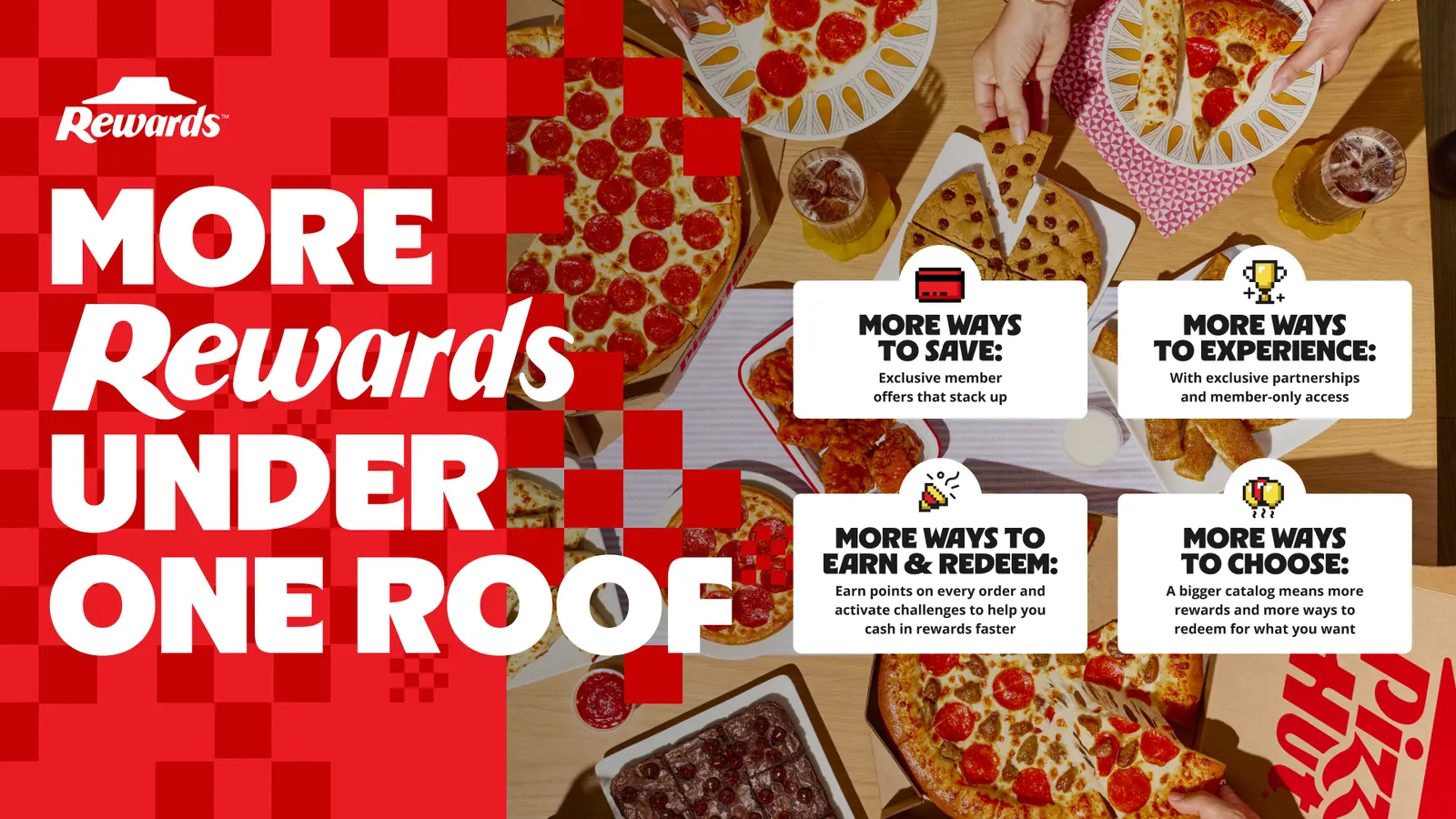
Pizza Hut is fundamentally reshaping its Hut Rewards loyalty program, moving beyond traditional points-based systems to embrace a multifaceted approach incorporating merchandise drops, digital games, and exclusive experiential rewards. This strategic pivot, aimed at deepening consumer engagement and fostering a sense of exclusivity, mirrors a broader industry trend where brands are increasingly prioritizing innovative loyalty initiatives to combat eroding customer attachment and differentiate themselves in a competitive marketplace. The initiative, detailed in a recent announcement and building on successful promotional campaigns, signals a significant evolution for the iconic pizza chain as it seeks to revitalize its brand image and drive customer frequency.
The shift represents a conscious departure from a solely transactional loyalty model, where points are accrued and redeemed for discounts or free items. Instead, Pizza Hut is investing in a dynamic ecosystem designed to create more meaningful interactions with its customer base. This includes limited-edition merchandise, digital content, and access to unique events or perks that extend beyond the simple purchase of pizza. The underlying philosophy is to build a stronger emotional connection with consumers, transforming passive buyers into active brand advocates.
A New Era for Hut Rewards
The evolution of Hut Rewards is not merely an incremental update; it signifies a strategic reorientation. Ashley Travis, head of growth marketing at Pizza Hut, articulated the program’s new direction, emphasizing a vision brought to life through exclusive, member-only offerings. "We saw our vision come to life by offering exclusive, member-only Space Jam merchandise drops and interactive digital games that drove consumers to the Pizza Hut app and brought more energy to this program," Travis stated in a press release, highlighting the success of recent promotional efforts.
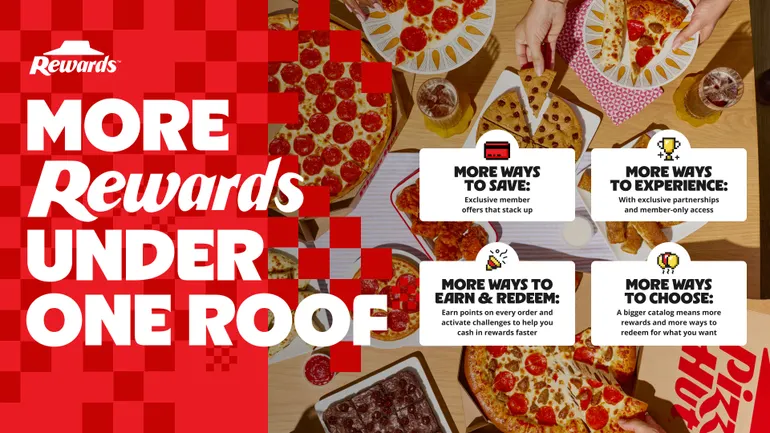
The program’s new iteration promises "ongoing access to cultural experiences and exclusive perks that extend beyond the transaction," according to the company’s statement. This indicates a commitment to a continuous stream of engaging content and opportunities, ensuring that the loyalty program remains relevant and exciting over time. The strategy is designed to foster a feeling of exclusivity, making members feel valued and part of an inner circle. This is achieved through carefully curated bonuses, challenges, and opportunities for accelerated point accrual, which, in turn, can unlock access to these coveted rewards.
The March Madness Catalyst
The impetus for this strategic pivot appears to have been the demonstrable success of Pizza Hut’s recent March Madness promotions. During this period, the company introduced a "meal bundle" alongside "in-app swag drops exclusively for members." A particular highlight was a limited-edition Space Jam x Pizza Hut merchandise collection, launched to coincide with the 30th anniversary of the beloved film. This collection reportedly sold out completely, underscoring the potent appeal of exclusive, themed merchandise.
This success validated the company’s hypothesis that integrating elements of surprise, scarcity, and cultural relevance could significantly boost engagement. The interactive digital games also played a crucial role, drawing consumers into the Pizza Hut app and creating a more energetic and interactive experience. These elements collectively demonstrated a powerful capability to drive app usage and reinforce brand loyalty in ways that traditional discounts alone might not achieve.
Industry-Wide Loyalty Evolution
Pizza Hut’s strategic shift aligns with a significant trend observed across the broader consumer landscape, particularly within the restaurant and retail sectors. Research from industry analytics firms highlights a declining efficacy of purely points-based loyalty systems. A recent report by Paytronix indicates that traditional points-based schemes are increasingly being outperformed by loyalty programs that incorporate gamified challenges and hyper-personalized rewards. This suggests that consumers today are seeking more than just transactional benefits; they desire engagement, excitement, and a sense of individual recognition.

Furthermore, findings from Tillster corroborate this sentiment, revealing an overall erosion of consumer loyalty. The report suggests that competition based solely on price, and its loyalty program corollary of frequent discounting, is no longer a sufficient strategy for captivating modern diners. In this environment, brands are compelled to explore more sophisticated methods of incentivizing consumer behavior and cultivating deeper emotional attachments.
Competitive Landscape and Pioneering Brands
Several leading brands have already embraced this new paradigm, setting benchmarks for innovative loyalty strategies. Starbucks, for instance, introduced a top loyalty tier in January that offers members the chance to win exclusive travel experiences. This elevates the reward beyond material goods to aspirational opportunities, tapping into a different facet of consumer desire.
Chipotle is leveraging artificial intelligence analytics and personalized communication to enhance engagement from the early stages of membership. This data-driven approach allows for tailored interactions that anticipate customer needs and preferences, fostering a more proactive and responsive loyalty experience.
Taco Bell has also experimented with innovative engagement tactics, notably by allowing its loyalty members to vote in-app for their preferred limited-time menu item. This participatory approach not only drives app engagement but also gives customers a direct stake in the brand’s offerings, fostering a sense of ownership and community.

The Imperative for Pizza Hut
The strategic recalibration of Hut Rewards is particularly pertinent given Pizza Hut’s recent performance metrics. The Yum Brands chain experienced a notable downturn in its U.S. same-store sales, which fell by 5% last year. This decline occurred as a key competitor, Domino’s, managed to increase its market share. Such performance figures underscore the urgent need for Pizza Hut to find effective ways to re-engage its customer base and drive repeat business.
The challenges facing Pizza Hut are significant enough that the company is reportedly considering closing up to 250 restaurants. Adding to this complexity, Yum Brands is exploring a potential sale of the chain, a move that often stems from the recognition of the substantial time and effort required to engineer a comprehensive brand turnaround. In this context, a revitalized and highly engaging loyalty program could be a critical component in demonstrating the brand’s potential for future growth and in attracting potential buyers.
Strategic Implications and Future Outlook
The implications of Pizza Hut’s loyalty program overhaul extend beyond immediate sales figures. By investing in experiential rewards and exclusive merchandise, the company is aiming to build a more resilient and engaged customer base. This can translate into higher customer lifetime value, increased brand advocacy, and a stronger competitive position.
The success of this strategy will likely hinge on Pizza Hut’s ability to consistently deliver high-value, exclusive experiences that resonate with its target audience. The integration of digital games and merchandise drops, while appealing, must be executed with a level of creativity and quality that justifies the investment and fosters genuine excitement. Furthermore, the seamless integration of these new elements into the existing app and ordering infrastructure will be crucial for user adoption and satisfaction.
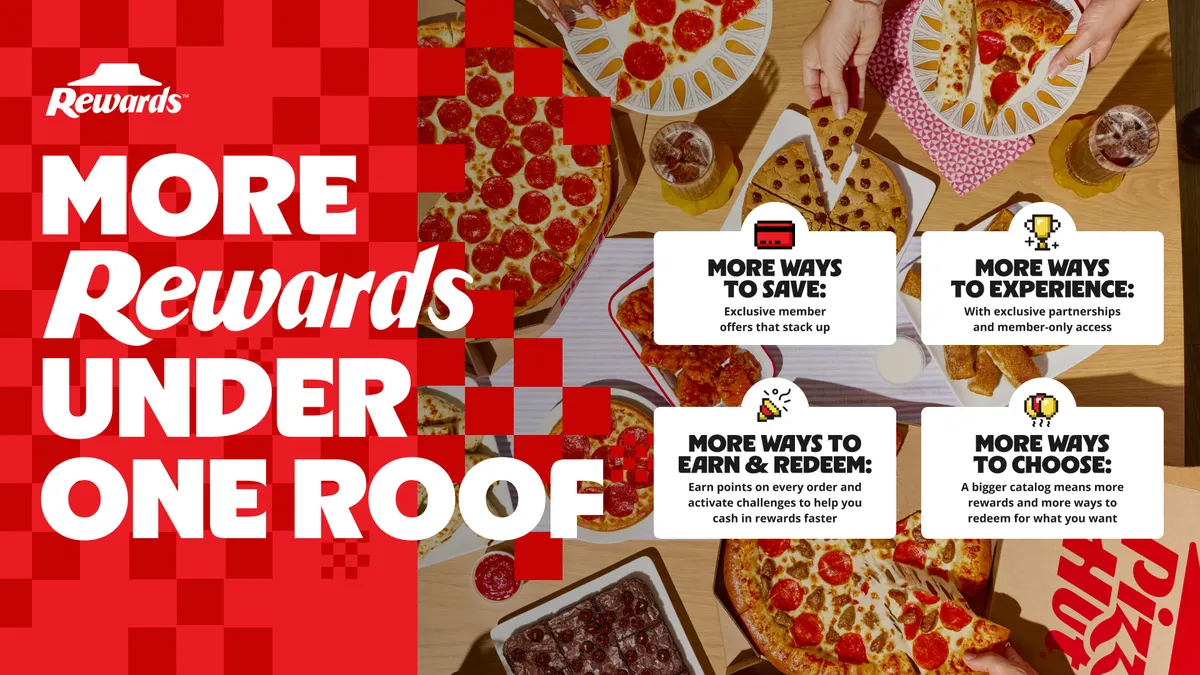
The broader impact of this trend suggests a future where loyalty programs are no longer mere transactional tools but integral components of a brand’s overall marketing and customer relationship management strategy. Brands that can successfully weave together compelling content, exclusive offerings, and personalized interactions are likely to build deeper connections with their consumers, leading to sustained growth and market leadership in an increasingly competitive landscape. Pizza Hut’s ambitious overhaul of Hut Rewards represents a significant bet on this evolving paradigm, with the potential to redefine its relationship with customers and chart a new course for its future. The company’s ability to execute this vision will be closely watched by industry observers and competitors alike, as it navigates the complex terrain of modern consumer loyalty.