
 rifanmuazin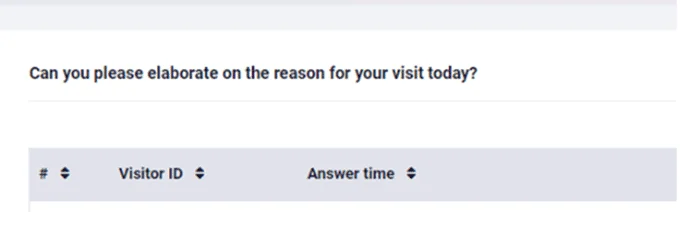
The digital marketing landscape of 2025 is defined by a fundamental shift in how businesses interact with their audiences, moving away from invasive tracking toward transparent, consent-based data collection. As third-party cookies continue to be phased out by major browser engines and privacy regulations like GDPR and CCPA tighten, the industry is witnessing a resurgence of a classic tool: the website poll. While historically dismissed as an intrusive "pop-up" that disrupts the user experience, modern polling has evolved into a sophisticated instrument for gathering zero-party data—information that customers intentionally and proactively share with a brand. This evolution is transforming polls from mere feedback mechanisms into essential drivers of Conversion Rate Optimization (CRO).
In the current e-commerce environment, where the average cart abandonment rate hovers near 70%, understanding the psychological "why" behind visitor behavior is more critical than the quantitative "what" provided by standard analytics. Industry experts at Invesp, a leading conversion optimization firm, have observed that while data points like high bounce rates or low completion percentages on checkout pages identify where a problem exists, they fail to articulate the underlying cause. A thoughtfully placed poll, triggered by specific behavioral cues, functions as a mirror that reflects the reality of the user’s experience back to the site owner. Khalid Saleh, a prominent figure in the CRO space, emphasizes that the power of polls lies in their ability to provide high-volume data points that sharpen more intensive qualitative research methods.
The Chronology of Polling Evolution: From Guestbooks to Behavioral Triggers
The use of feedback mechanisms on the web has undergone a significant transformation over the last three decades. In the early era of the internet, feedback was often limited to static "Guestbooks" or general "Contact Us" forms. By the mid-2010s, the "Exit-Intent" pop-up became a standard industry practice, though it was often criticized for being poorly timed and offering little value to the user.
By 2020, the rise of sophisticated session replay tools and heatmapping technology allowed marketers to see exactly where users were struggling. However, a disconnect remained between observing a user’s struggle and understanding their motivation. Entering 2025, the methodology has shifted toward "Intent-Based Polling." This current stage of the timeline involves integrating polls directly into the buyer’s journey, using real-time behavioral data to trigger specific questions that are relevant to the user’s current page and perceived intent. This chronological shift represents a move from generic "How are we doing?" questions to hyper-targeted inquiries like "Is there a specific piece of information missing from this product description?"
The Research-Driven Foundation of Effective Polling
Professional polling is not a process of random brainstorming; it is an exercise in scientific inquiry. Experts argue that the most common mistake digital marketers make is launching a poll the moment they feel they need feedback, without first conducting foundational research. To generate actionable insights, a poll must be preceded by a heuristic evaluation, an analytics assessment, and a review of session recordings.
For example, if a usability test involving ten participants reveals that users are confused about a specific service’s subscription model, a poll can then be deployed to a larger audience to validate whether this confusion is a widespread barrier to conversion. This methodology ensures that the poll is not creating noise but is instead confirming or refuting a specific business hypothesis. By the time a question is drafted, the marketer should already have a clear understanding of what kind of insight is needed and how that insight will influence future site changes.
Mapping Polls to the Buyer’s Journey
A critical component of modern polling strategy is the alignment of questions with the five stages of the buyer’s journey. Casting a wide net by asking the same question to every visitor is considered a primary cause of low response rates and user irritation. Instead, traffic must be segmented based on its position in the funnel:
- Awareness Stage: Visitors are identifying a problem or need. Polls at this stage should focus on motivators, asking what brought the user to the site today.
- Interest/Consideration Stage: Users are researching solutions. Questions here should aim to uncover content gaps or information that the user is struggling to find.
- Intent Stage: The visitor is evaluating specific products. Polls should address "Barriers" or "Fears, Uncertainties, and Doubts" (FUDs) that might prevent them from adding an item to the cart.
- Evaluation/Purchase Stage: The user is at the final hurdle. Polling here is often focused on "Hooks"—understanding the specific feature or value proposition that convinced them to choose this brand over a competitor.
- Post-Purchase/Satisfaction Stage: Returning customers provide feedback on their experience, which helps in calculating Net Promoter Scores (NPS) and identifying areas for long-term improvement.
By utilizing platforms like HubSpot or Google Analytics 4, marketers can create funnel-type dashboards that segment traffic by journey stage. This allows for the deployment of a "Barrier" poll specifically on high-exit funnel pages, ensuring the right question reaches the right user at the right time.
Categorization of Data-Driven Poll Questions
To maximize the utility of the feedback collected, Invesp and other industry leaders categorize poll questions into six distinct functional types. Each category serves a specific role in a broader CRO strategy.
1. Motivator Questions
These questions seek to uncover the primary driver behind a visit. When session replays show users scrolling aimlessly or remaining stationary on a page, motivator polls can bridge the gap. A common question might be: "What is the primary reason for your visit today?" This helps brands identify if their perceived value proposition aligns with the actual needs of their audience.
2. Barrier Questions
Barrier polls are designed to pinpoint friction. If analytics show a high drop-off rate on a checkout page, a poll might ask: "Is there anything preventing you from completing your purchase today?" Common barriers revealed through these polls include hidden shipping costs, lack of preferred payment methods, or technical glitches that were not caught during standard QA testing.
3. Hook Questions
"Hooks" are the specific reasons why a customer chose one product over another. These are typically deployed to returning visitors or on "Thank You" pages. By asking, "What is the one thing you like most about our product?" marketers can identify their most powerful persuasion techniques and double down on them in future marketing copy.
4. Content Discovery Polls
These polls are essential for identifying gaps in the information architecture. If a user is on a category page but cannot find a specific filter or product, a poll asking "Were you able to find what you were looking for?" can reveal shocking insights. Often, users report being unable to see information that is technically present but visually obscured or poorly placed.
5. Feedback and Usability Polls
When a new feature is introduced or a site undergoes a redesign, feedback polls provide a direct line to the user’s opinion. Questions such as "How would you feel if we discontinued this specific service?" allow companies to make data-backed decisions about their product roadmap rather than relying on internal assumptions.
6. Satisfaction and Validation Polls
Satisfaction polls measure the emotional resonance of a brand. By asking "Does the content on our website meet your expectations?" businesses can gauge the health of their brand reputation. Validation polls are used to take a qualitative insight from a small group—such as a customer interview—and see if it holds true across a statistically significant sample of the entire user base.
Supporting Data and Industry Implications
The shift toward this structured polling methodology is backed by significant industry data. According to recent marketing benchmarks, websites that utilize targeted, behavior-triggered polls see a 15% to 25% higher engagement rate compared to those using generic, site-wide pop-ups. Furthermore, the collection of zero-party data via polls is becoming a cornerstone of personalized marketing. Research indicates that 83% of consumers are willing to share their data to create a more personalized experience, provided the brand is transparent about how that data is used.
The implications for the broader digital economy are profound. As the cost of customer acquisition (CAC) continues to rise, businesses can no longer afford to ignore the "leaky bucket" of a non-optimized website. Polls provide the qualitative "connective tissue" that turns raw data into a narrative. This narrative allows CRO teams to implement changes that are not just aesthetic but are rooted in the expressed needs of the customer.
Official Responses and Expert Analysis
Analysts within the CRO sector suggest that the success of a polling strategy is inversely proportional to the level of friction it creates. The consensus among digital strategists is that the most effective polls are those that offer a clear "out" for the user and are designed with a "mobile-first" mentality, ensuring they do not block critical navigation elements on smaller screens.
"Polls are not a replacement for talking to your customers," Khalid Saleh noted in a recent discussion on qualitative research. "They are a bridge. They allow us to take the deep, nuanced insights we get from one-on-one interviews and see if they apply to the 100,000 people visiting the site every month."
In conclusion, the website poll in 2025 has moved far beyond its origins as a simple survey tool. It is now a precision instrument for data collection in a privacy-conscious world. By grounding poll questions in existing behavioral data, targeting them to specific stages of the buyer’s journey, and focusing on actionable categories like barriers and hooks, organizations can uncover the hidden truths behind their analytics. The result is a more intuitive user experience, higher conversion rates, and a deeper, data-driven understanding of the modern consumer.








