rifanmuazin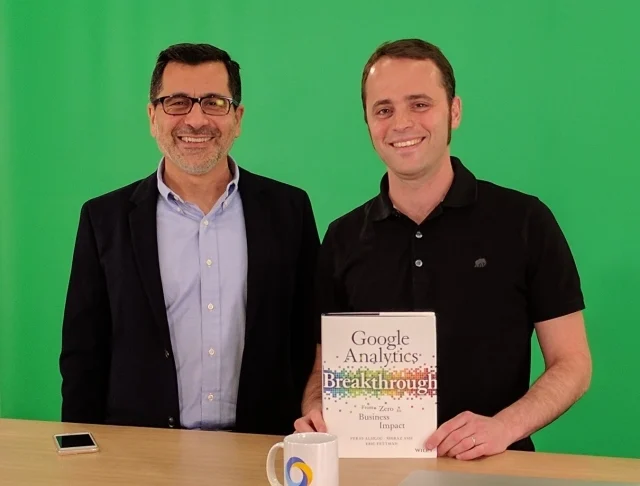
The landscape of digital marketing has undergone a radical transformation over the last decade, shifting from a focus on simple vanity metrics to a sophisticated, process-driven discipline centered on actionable intelligence. In a comprehensive dialogue between industry veterans Daniel Waisberg and Feras Alhlou, Co-Founder and Principal Consultant at E-Nor and co-author of the seminal text Google Analytics Breakthrough, the complexities of modern data strategy were dissected to provide a roadmap for organizations seeking to mature their analytical capabilities. This meeting of minds, representing nearly ten years of professional collaboration, highlights a pivotal moment in the industry where the sheer volume of data has necessitated a more disciplined approach to measurement and optimization.
The Paradigm Shift: Analytics as a Core Business Process
A central thesis of the discussion between Waisberg and Alhlou is the conceptualization of analytics not merely as a technical implementation or a set of reports, but as a fundamental business process. Historically, many organizations treated digital analytics as an afterthought—a "tagging" exercise performed by IT departments after a website or application launch. However, the E-Nor philosophy posits that for data to drive value, it must be integrated into the organizational fabric through a structured lifecycle.
This lifecycle begins with a dual-pronged audit. The technical audit ensures that data collection is accurate, consistent, and compliant with privacy standards. Simultaneously, the business audit engages stakeholders to identify the Key Performance Indicators (KPIs) that align with corporate objectives. Without this alignment, organizations risk drowning in "noise"—data that is technically accurate but strategically irrelevant. Industry data suggests that while 90% of organizations believe data-driven decision-making is vital, only a fraction successfully bridge the gap between data collection and business impact. By establishing analytics as a process, companies can move beyond the "reporting trap" and toward a model of continuous improvement.
The E-Nor Optimization Framework: A Four-Stage Methodology
To navigate the complexities of the modern digital ecosystem, Alhlou detailed the E-Nor Optimization Framework, a modular approach designed to scale with an organization’s maturity. This framework serves as a blueprint for transforming raw data into business growth through four distinct stages:
1. The Audit and Stakeholder Engagement
The foundation of any successful strategy is a rigorous audit. This phase involves verifying the integrity of the data layer and ensuring that tracking codes are firing correctly across all platforms. More importantly, it requires deep consultation with business leaders to define what "success" looks like. By understanding the specific needs of marketing, sales, and product teams, analysts can ensure that the data being captured is fit for purpose.
2. The Reporting Layer and Data Visualization
Once data integrity is established, the focus shifts to the reporting layer. The goal here is to create a "single source of truth" that is accessible to decision-makers. In the current era of data democratization, this often involves the use of automated dashboards and visualization tools that allow non-technical users to monitor performance in real-time. Effective reporting focuses on trends and anomalies rather than static numbers, providing the necessary context for the next stage.
3. Analysis and Actionable Insights
Analysis is the process of asking "why" behind the data. While reporting tells a company what happened, analysis explains the drivers of that behavior. This stage requires a blend of technical skill and business acumen. Analysts look for patterns in user behavior, identify friction points in the conversion funnel, and segment data to uncover high-value customer cohorts. The output of this phase is not a longer report, but a set of specific recommendations for business intervention.
4. Testing and Personalization
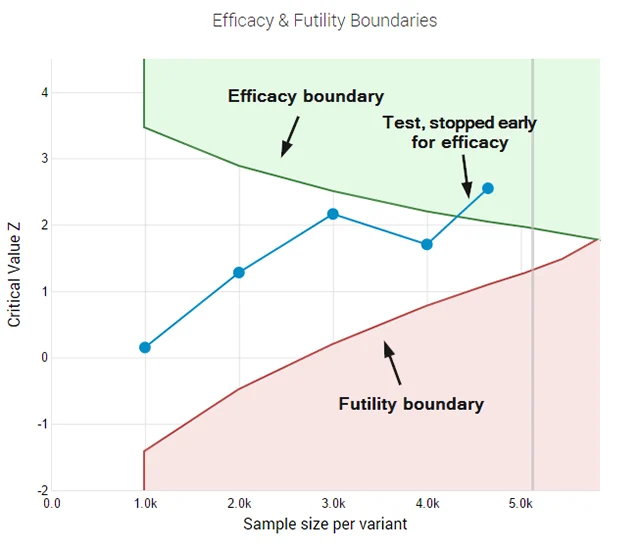
The final and most impactful stage of the framework is the transition to testing and personalization. Using the insights gained from the analysis phase, organizations can run A/B or multivariate tests to validate hypotheses. Whether it is optimizing a landing page or personalizing a user’s experience based on their past behavior, this stage is where data directly influences the bottom line. According to industry benchmarks, companies that adopt a rigorous testing culture see conversion rate improvements of up to 20-30% compared to those that rely on "gut feeling."
Navigating the Challenges of Data Fragmentation
One of the most significant hurdles discussed by Alhlou is the increasing fragmentation of the digital journey. In the early days of the web, marketers dealt with a linear path: a single user on a single desktop device using a single browser. Today, the reality is a multi-device, multi-channel environment where a user may discover a brand on social media via mobile, research it on a tablet, and finally convert on a desktop.
This proliferation of data sources—including web, mobile apps, social media, and backend CRM systems—has created silos that hinder a holistic view of the customer. Alhlou emphasized that understanding the "context" around data is now more important than the data itself. To combat fragmentation, organizations must focus on cross-platform tracking and identity resolution. The integration of backend data (such as lifetime value or offline purchases) with front-end behavioral data is no longer a luxury but a requirement for sophisticated marketing.
Constructing a Strategic Data Roadmap
For organizations overwhelmed by the sheer volume of available information, Alhlou advised the implementation of a phased data roadmap. This strategic progression allows companies to build their capabilities incrementally without overextending their resources.
The roadmap begins with "owned" data—the web and mobile analytics that the company controls directly. This is the most reliable and accessible data source. Once this foundation is solid, the next phase involves augmenting these reports with social media data and qualitative insights. Qualitative data, often overlooked in favor of hard numbers, provides the "voice of the customer," explaining the motivations behind the actions seen in the analytics platform.
A significant development in this area is the evolution of market research tools, such as Google Surveys. Historically, market research was an expensive and time-consuming endeavor reserved for large enterprises. However, modern tools have democratized access to consumer feedback, allowing brands to run targeted surveys on their own properties or across the broader web. This allows for rapid market research and the ability to pivot strategies based on direct consumer sentiment.
Broader Implications for the Digital Economy
The insights shared by Alhlou and Waisberg reflect a broader shift in the global economy toward data-centricity. As privacy regulations like GDPR and CCPA have matured, the focus has shifted toward first-party data strategy. Organizations that have invested in a robust optimization framework are better positioned to navigate these regulatory changes because they have a clear understanding of their data lineage and user consent.
Furthermore, the integration of machine learning and artificial intelligence into platforms like Google Analytics is automating much of the "reporting" and "analysis" phases, allowing human analysts to focus more on the "testing" and "strategy" aspects. This shift is expected to redefine the role of the digital analyst from a data gatherer to a strategic consultant who drives organizational change.
Conclusion: The Path Forward for Data-Driven Organizations
The dialogue between Daniel Waisberg and Feras Alhlou serves as a reminder that while technology changes, the principles of sound business measurement remain constant. Success in the digital age is not determined by who has the most data, but by who has the most disciplined process for turning that data into action. By adopting a structured framework—moving from audit to reporting, analysis, and finally to testing—organizations can move beyond the noise of the modern digital landscape.
As the industry continues to evolve, the ability to integrate diverse data streams and capture the voice of the customer will remain the primary competitive advantage. The work of pioneers like Alhlou and the methodologies detailed in Google Analytics Breakthrough provide the necessary scaffolding for businesses to build a sustainable, data-driven future. In an environment where every click, swipe, and purchase is recorded, the winners will be those who can find the signal within the noise and use it to create more meaningful, personalized experiences for their customers.