rifanmuazin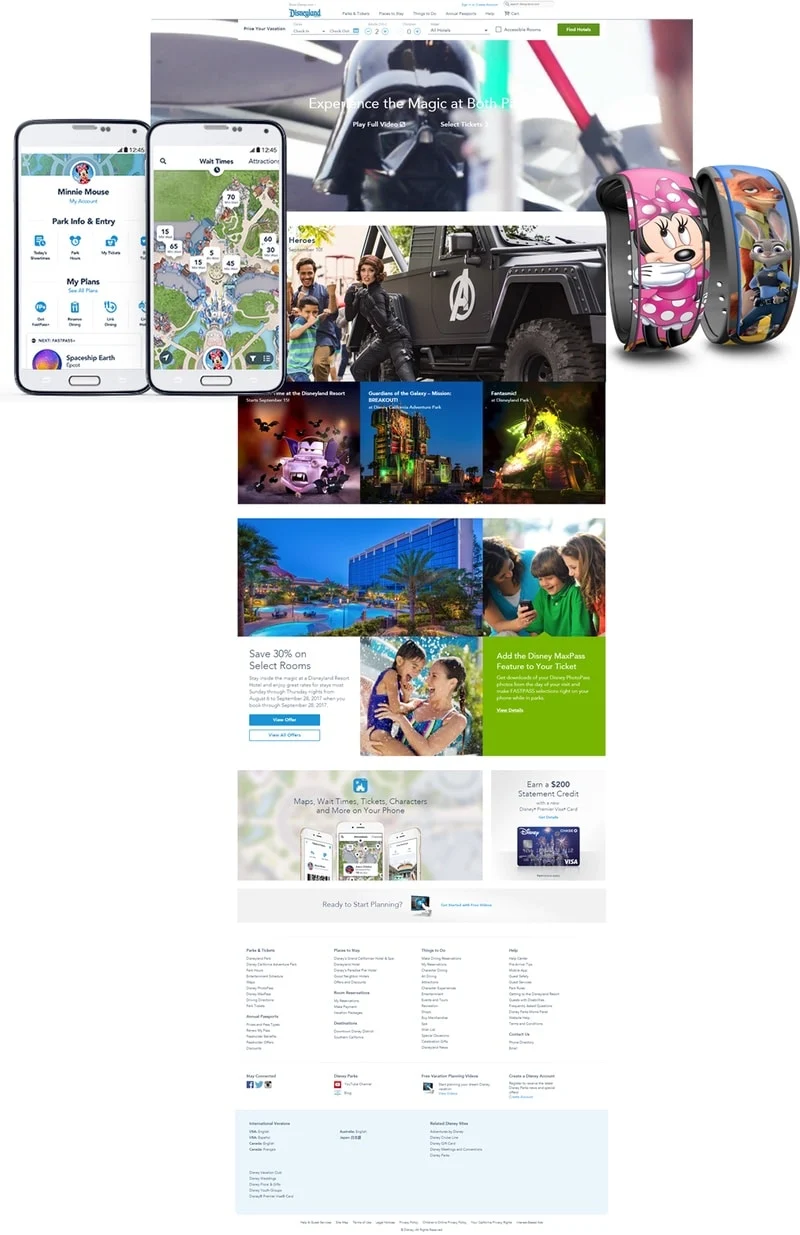
The global ecommerce sector is currently navigating a period of unprecedented transformation, driven by rapid technological advancements and shifting consumer psychologies. Industry experts assert that traditional marketing frameworks, which often prioritize short-term customer acquisition, are no longer sufficient to maintain a competitive edge in a saturated digital marketplace. To achieve long-term viability, enterprises are increasingly adopting "growth marketing"—a holistic, data-driven approach that prioritizes customer lifetime value (CLV) and sustainable scalability over transactional gains.
A future-proof ecommerce strategy is built upon four foundational pillars: rigorous market analysis, the integration of cutting-edge infrastructure, a seamless omnichannel presence, and a relentless focus on the user experience. As the digital economy matures, the distinction between successful brands and those that falter will be determined by their ability to anticipate market shifts and adapt their growth engines accordingly.
The Evolution of Consumer Behavior: A Chronology of Expectation
To understand the necessity of future-proofing, one must examine the chronology of ecommerce development. In the early 2000s, the primary hurdle for digital retail was establishing trust and basic logistics. By the 2010s, the focus shifted toward mobile accessibility and the "Amazon effect," which normalized two-day shipping and one-click purchasing. Entering the mid-2020s, the paradigm has shifted again. Consumers now demand ethical transparency, extreme personalization, and a unified experience across multiple touchpoints.
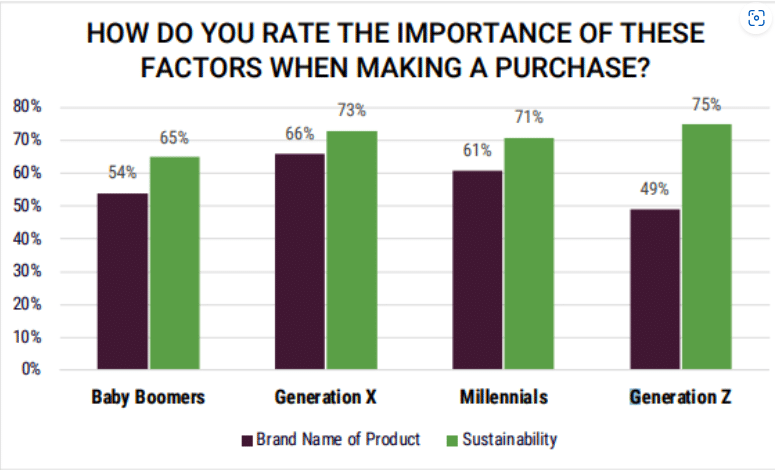
Recent data from the World Economic Forum highlights a significant generational shift: approximately 75% of Generation Z consumers prioritize sustainability and ethical brand practices over mere brand recognition. This demographic, alongside Millennials, is steering the market toward "conscious consumerism." For a growth marketing strategy to be effective, it must integrate these values into the brand narrative, moving beyond product features to focus on brand purpose.
Strategic Market Analysis and Competitive Intelligence
A robust growth strategy begins with a deep dive into market dynamics and consumer insights. Analysts suggest that businesses must move beyond basic demographics to understand the "psychographics" of their audience—their values, pain points, and digital habits.
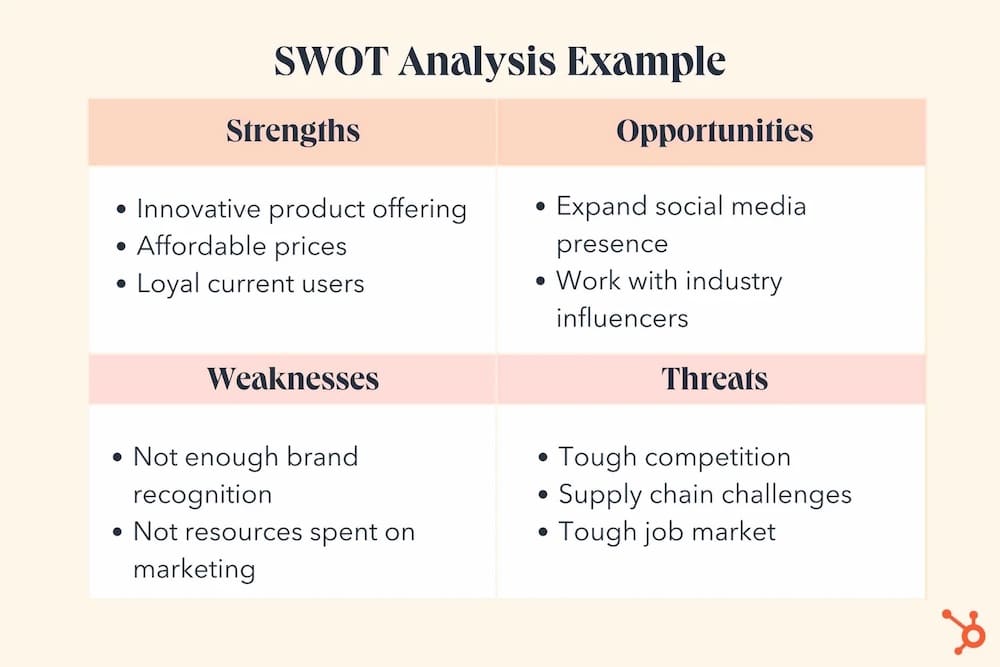
- Competitive Gap Analysis: Market leaders like Amazon achieved dominance not just through scale, but by identifying and filling service gaps. Amazon Prime was a direct response to the consumer pain point of unpredictable shipping costs and times. Modern businesses utilize SWOT (Strengths, Weaknesses, Opportunities, Threats) analyses to identify where competitors are underperforming, particularly in customer service or localized delivery options.
- Trend Monitoring: Staying ahead of the curve requires constant surveillance of industry reports from firms such as Gartner, Forrester, and McKinsey. These organizations provide forecasts on emerging technologies like generative AI and augmented reality (AR) shopping.
- Thought Leadership Engagement: Growth marketers are increasingly leveraging platforms like LinkedIn and X (formerly Twitter) to monitor real-time shifts. Industry veterans, such as those from conversion rate optimization (CRO) firm Invesp, frequently share insights on user behavior that serve as early warning systems for broader market trends.
Technological Infrastructure as a Catalyst for Growth
Investment in technology is no longer an IT expense but a core marketing necessity. The infrastructure of an ecommerce business dictates its ability to scale during peak demand and provide the personalized experiences consumers now expect.
Scalable Platforms:
The choice between SaaS (Software as a Service) platforms like Shopify and open-source solutions like Magento (Adobe Commerce) depends on the business’s need for flexibility versus ease of use. Shopify currently supports millions of merchants globally, providing a robust ecosystem for rapid scaling. Conversely, Magento offers deep customization for enterprise-level entities requiring unique architectural configurations.
Artificial Intelligence and Hyper-Personalization:
Data analytics tools are the "brain" of a future-proof strategy. Stitch Fix, an online personal styling service, serves as a primary case study for the successful integration of AI. By using machine learning algorithms to analyze customer preferences, sizes, and feedback, the company has automated the personalization process at a scale impossible for human stylists alone. This use of AI does not just improve efficiency; it creates a "sticky" customer experience that drives high retention rates.
The Mobile-First Imperative and Automation
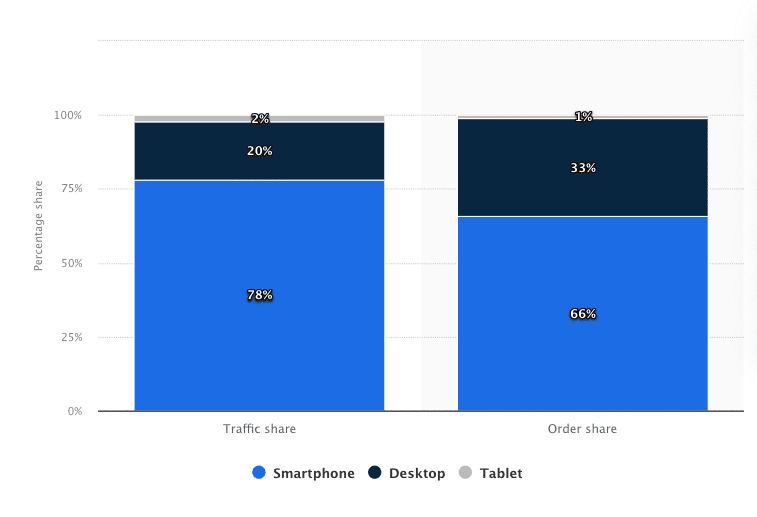
The transition to mobile-centric commerce is complete. According to Statista, smartphones accounted for roughly 78% of global retail site traffic in the final quarter of 2023, generating two-thirds of all online shopping orders. A strategy that does not prioritize mobile optimization is, by definition, obsolete. This includes not only responsive design but also the integration of mobile wallets (Apple Pay, Google Pay) and "social commerce" features that allow for frictionless checkout within social media apps.
Furthermore, automation has become the backbone of operational efficiency. Key areas for automation include:
- Customer Relationship Management (CRM): Automated email sequences based on user behavior (e.g., abandoned cart recovery).
- Customer Support: AI-powered chatbots that handle routine inquiries, freeing human agents for complex issues.
- Inventory and Order Management: Real-time syncing to prevent overselling and to manage multi-channel logistics.
Omnichannel Marketing: The Integrated Journey
The modern consumer journey is non-linear. A customer may discover a product on Instagram, research it on a desktop site, and eventually purchase it through a mobile app. Businesses that maintain a strong omnichannel engagement strategy retain an average of 89% of their customers, a stark contrast to the 33% retention rate seen by companies with weak omnichannel integration.
The Walt Disney Company provides a gold standard for omnichannel execution. Their "My Disney Experience" app integrates ticket purchasing, hotel bookings, and restaurant reservations with physical RFID "MagicBands." This creates a seamless loop between the digital and physical worlds, ensuring that the customer remains within the brand ecosystem at every stage of their journey. For ecommerce, this means ensuring that pricing, messaging, and customer data are consistent across every digital and physical touchpoint.
Content Strategy and the Power of Evergreen Assets
In an era of "content fatigue," growth marketers are shifting focus toward high-quality, evergreen content. Unlike viral trends that have a short shelf life, evergreen content—such as "how-to" guides, comprehensive tutorials, and deep-dive industry reports—continues to attract organic traffic and build brand authority for years.
WikiHow serves as a prime example of this strategy. By providing granular, step-by-step solutions to common problems, they have built a massive repository of content that remains relevant regardless of seasonal trends. For ecommerce brands, this might manifest as detailed buying guides or "care and maintenance" articles that provide value long after the initial purchase, fostering a sense of brand expertise and trust.
Cultivating Loyalty and Brand Advocacy
Acquiring a new customer is significantly more expensive than retaining an existing one. Research indicates that 73% of consumers cite "experience" as a critical factor in brand loyalty. To future-proof a business, marketing efforts must evolve into "relationship management."
Successful brands are moving away from generic discount codes toward tiered loyalty programs, early access to new products, and personalized "thank you" gestures. By treating the customer as an individual rather than a data point, brands can transform casual buyers into brand advocates. These advocates provide the most valuable form of marketing: organic, word-of-mouth recommendations that carry more weight than any paid advertisement.
Performance Analysis and the Feedback Loop
The final component of a future-proof strategy is the implementation of a rigorous performance analysis framework. This involves setting clear Key Performance Indicators (KPIs), such as:
- Conversion Rate (CR): The percentage of visitors who complete a purchase.
- Average Order Value (AOV): Strategies to increase the amount spent per transaction.
- Customer Acquisition Cost (CAC) vs. Lifetime Value (LTV): Ensuring the cost to acquire a customer is sustainable relative to their long-term spend.
Tools like Google Analytics 4 (GA4) provide quantitative data, while platforms like FigPii offer qualitative insights through heatmaps and A/B testing. By visualizing where users drop off in the sales funnel, businesses can make iterative improvements that compound over time.
Broader Impact and Industry Implications
The shift toward future-proof growth marketing signals a professionalization of the ecommerce industry. The "gold rush" era of simple dropshipping and basic social media ads is giving way to a more sophisticated landscape where data science, psychology, and technological agility are the primary drivers of success.
Industry analysts predict that the next five years will see an even deeper integration of AI and AR, making the digital shopping experience nearly indistinguishable from physical interaction. For businesses, the message is clear: those who invest in a foundational, adaptable growth strategy today will be the market leaders of tomorrow. The focus must remain on the human element—understanding the consumer’s needs and using technology to meet them more efficiently, ethically, and personally than ever before.

 Siti Muinah
 Nana
Nana