
 rifanmuazin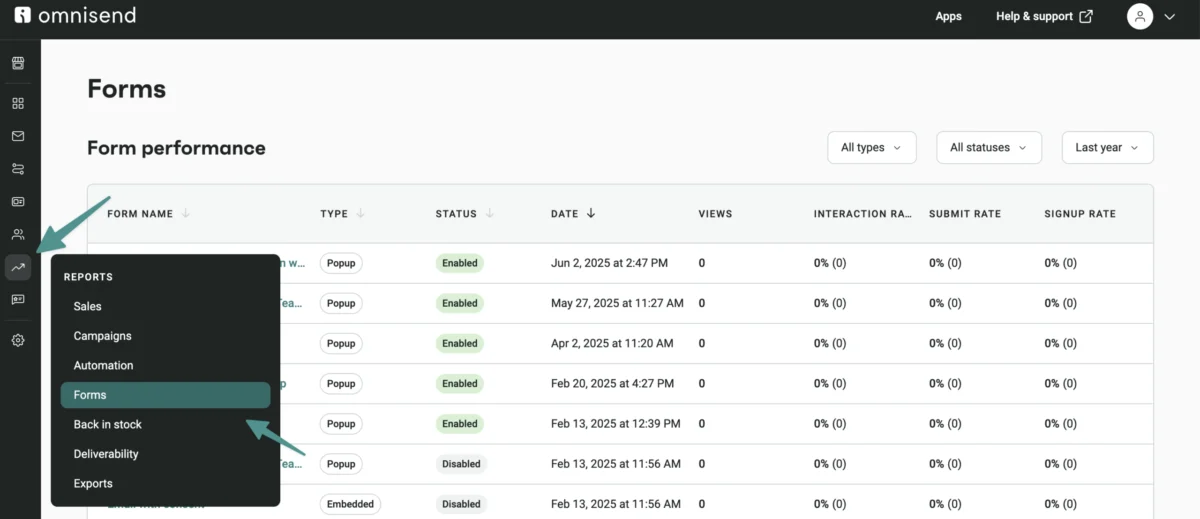
Marketing reports serve as the critical compass for businesses navigating the complex digital landscape, providing objective insights into campaign efficacy and overall strategic performance. Far from mere compilations of figures, these reports translate raw data—encompassing clicks, sales, conversions, and engagement—into actionable intelligence, enabling organizations to pivot from speculative approaches to evidence-based strategies. This shift is fundamental for sustainable growth, ensuring that resource allocation is optimized and marketing efforts are aligned with overarching business objectives.
The Evolution and Imperative of Data-Driven Marketing
Historically, marketing success was often gauged through broad sales figures or qualitative brand perception. However, the advent of the digital age fundamentally transformed this paradigm. The proliferation of online channels—from email and social media to search engines and mobile applications—introduced an unprecedented volume of measurable data. This evolution necessitated a more structured approach to understanding campaign performance. Modern marketing reports emerged as the indispensable tool to process this vast data, offering clarity on what resonates with target audiences, which channels deliver the highest return on investment (ROI), and where strategic adjustments are most urgently needed.
In today’s highly competitive market, where customer acquisition costs are rising and consumer attention spans are shrinking, the ability to make rapid, informed decisions is paramount. Businesses that actively leverage marketing reports consistently outperform their counterparts. Recent industry analyses indicate that companies utilizing data-driven marketing strategies achieve, on average, a 15-20% higher ROI and a significantly stronger competitive advantage. This underscores the imperative for robust reporting frameworks that move beyond simple data collection to deliver profound analytical insights.
Core Functions: Tracking Performance and Informing Strategy
Marketing reports are not merely retrospective tools; they are foundational elements of a proactive business strategy. Their primary functions revolve around two critical pillars: tracking performance and facilitating data-driven decision-making.
Tracking Performance and ROI:
At its core, a marketing report quantifies the effectiveness of various marketing initiatives across diverse channels. It provides a clear, measurable overview of which campaigns are generating the most clicks, conversions, and revenue. Conversely, it also highlights underperforming campaigns, pinpointing areas that require immediate attention or complete overhaul. This granular visibility is crucial for understanding the true ROI of marketing spend. For instance, a report might reveal that while social media campaigns effectively drive initial traffic, email automations are responsible for the majority of final conversions. Such insights allow for strategic reallocation of budgets and optimization of messaging. Without these reports, businesses risk pouring resources into ineffective channels, leading to wasted expenditure and missed growth opportunities.
Making Data-Driven Decisions:
Beyond mere measurement, marketing reports empower businesses to make decisions grounded in facts rather than assumptions. By identifying patterns, trends, and anomalies within the data, reports enable marketers to refine targeting, personalize messaging, and optimize ad placements. This precision not only enhances the effectiveness of individual campaigns but also contributes to a more holistic understanding of customer behavior and market dynamics. For business owners, these reports are invaluable, offering clear answers to questions about customer engagement, advertising profitability, and the efficacy of different marketing approaches. This objective framework fosters a culture of continuous improvement, where every strategic move is informed by empirical evidence.
Key Categories of Marketing Reports
The breadth of marketing activities necessitates a diverse range of reporting types, each designed to address specific aspects of performance and strategy. Understanding these categories is essential for constructing a comprehensive marketing intelligence framework.
1. Campaign Performance Reports:
These reports are focused on the efficacy of individual marketing campaigns. They provide a detailed breakdown of metrics such as clicks, impressions, conversions, revenue generated, and engagement rates against pre-defined goals. Campaign performance reports are particularly useful immediately after a campaign concludes, offering swift insights into what worked and what did not. For example, a report on a Black Friday sale would detail email open rates, click-through rates, conversion rates from specific links, and the total revenue attributed to the campaign, allowing for immediate identification of successful elements and areas for improvement in future seasonal promotions.
2. Monthly Marketing Reports:
Offering a broader perspective, monthly reports consolidate performance data across all marketing activities within a given month. These reports are instrumental for identifying macro trends, assessing month-over-month growth, and informing crucial budgeting and priority-setting decisions for the subsequent period. They help businesses spot seasonal shifts in customer behavior, evaluate the cumulative impact of ongoing initiatives, and ensure that marketing efforts remain aligned with quarterly or annual objectives.
3. Digital Marketing Reports:
This comprehensive category aggregates data from various online channels, including email, SMS, social media, paid advertisements, and website analytics. A well-constructed digital marketing report provides a unified view of the entire digital ecosystem, illustrating how different platforms interact and contribute to overall business goals. It identifies which channels deliver the highest ROI, how customers navigate the marketing funnel, and where synergistic opportunities might exist. For example, it might show that while social media ads generate significant top-of-funnel awareness, targeted email sequences are responsible for nurturing leads to conversion.

4. Marketing Analysis Reports:
Moving beyond mere data presentation, marketing analysis reports delve deeper into the ‘why’ behind the numbers. These reports identify underlying trends, uncover hidden patterns, and provide profound insights that shape long-term strategic plans. They explain why sales increased or clicks decreased, offering context and interpretation that simple metrics cannot. This analytical depth is crucial for understanding market shifts, competitive dynamics, and evolving customer preferences, allowing businesses to anticipate future challenges and opportunities.
Illustrative Examples of Marketing Reports in Action
To truly appreciate the power of marketing reports, it is beneficial to examine their practical application. Platforms designed for integrated marketing, such as Omnisend, consolidate performance data across various channels—email, SMS, and automation campaigns—into a single, digestible view, offering a holistic understanding of the customer journey.
-
Automation Performance Report: These reports illuminate the effectiveness of automated workflows, such as welcome email sequences or abandoned cart reminders. They provide step-level metrics, revealing exactly where users drop off or convert within a predefined journey. For instance, an automation report might show that while a welcome email has a high open rate, a subsequent email in the sequence has a low click-through rate, indicating a need to refine its content or call to action. Optimizing these automated flows based on real-time data ensures high conversion rates without requiring constant manual intervention.
-
Sales and Revenue Attribution Report: This report precisely details how much revenue each marketing campaign or channel generates. By applying flexible attribution models, businesses can understand the true ROI across their diverse marketing efforts. Knowing the specific revenue sources allows for intelligent budget allocation, enabling confident scaling of channels that consistently yield the highest sales volumes. This report might reveal that while a particular ad campaign generated initial buzz, it was the subsequent email follow-up that directly led to the purchase.
-
Audience Growth and Lifecycle Report: These reports track the evolution of a subscriber base, monitoring new sign-ups, engagement levels, and the progression of subscribers through various lifecycle stages—from new prospect to loyal customer. Such insights enable better customer segmentation and personalization of messages, fostering stronger brand loyalty and repeat purchases. It provides a visual representation of how effectively marketing efforts are converting new leads into long-term customers.
-
Delivery and Engagement Report: Crucial for email marketing health, this report focuses on technical metrics like bounce rates, unsubscribes, and spam complaint rates. These insights are vital for ensuring emails reliably reach the inbox and maintain sender reputation. By monitoring how recipients react to emails, marketers can adjust sending frequency, improve content relevance, and maintain high deliverability rates. A high bounce rate, for example, might indicate issues with an email list, while a rising unsubscribe rate could signal content fatigue.
-
Cross-Channel Performance Report: This report provides a unified perspective on the performance of integrated marketing strategies, combining data from email, SMS, and push notifications. Instead of disparate data points, marketers gain a cohesive view of how these channels collaborate to drive conversions and enhance customer experience. This unified reporting capability is fundamental for optimizing omnichannel marketing strategies, allowing businesses to understand the combined reach and impact of their coordinated efforts. For example, it could show that customers who receive both an email and an SMS reminder are significantly more likely to complete a purchase.
-
Forms and Conversion Report: This report specifically tracks the performance of sign-up forms, pop-ups, and landing pages, detailing conversion rates and identifying which specific elements yield the highest engagement. Understanding which forms perform best allows for continuous optimization of placement, design, and messaging, directly contributing to audience growth and lead generation. A low conversion rate on a particular form might suggest issues with its design, call to action, or the offer presented.
Crafting Effective Marketing Reports: A Step-by-Step Methodology
Developing insightful marketing reports requires a structured approach that transforms raw data into strategic directives.
1. Define Your Goals and Key Performance Indicators (KPIs):
The initial step involves clearly articulating marketing objectives. Without defined goals, a report lacks direction and relevance. KPIs should be specific, measurable, achievable, relevant, and time-bound (SMART). For an e-commerce business, KPIs might include customer lifetime value (CLV), customer acquisition cost (CAC), conversion rate, average order value (AOV), and website traffic. Clearly setting these benchmarks ensures that the report focuses on what truly matters for business success.
2. Collect and Organize Your Data:
Data collection must be comprehensive, drawing from all relevant sources to construct a complete performance picture. This includes analytics from website traffic tools (e.g., Google Analytics), email marketing platforms, social media dashboards, advertising campaign managers, and CRM systems. The use of automation tools is critical at this stage; platforms like Omnisend can consolidate and organize data in real-time, significantly reducing manual effort, minimizing errors, and accelerating the reporting process. This centralization of data ensures consistency and accuracy across all channels.

3. Analyze Results and Identify Insights:
This is the pivotal stage where raw data transforms into actionable intelligence. Analysis moves beyond merely presenting numbers to understanding their implications. Marketers must look for trends, correlations, anomalies, and underlying reasons behind performance fluctuations. For instance, a drop in conversion rates might correlate with a specific change in website design, or an increase in email engagement could be linked to a new content strategy. The goal is to explain why certain outcomes occurred, identifying both successful strategies to replicate and problem areas that require intervention. This deeper dive helps in developing a strategic roadmap, moving beyond reactive adjustments to proactive planning.
4. Present Your Findings Clearly:
The final report must be accessible and actionable for all stakeholders, regardless of their technical expertise. Clarity, conciseness, and impactful visualization are paramount.
- Structure: Organize the report with an executive summary, clear headings, and logical flow.
- Visualizations: Utilize charts, graphs, and infographics to present complex data in an easily digestible format. Visuals help highlight key trends and comparisons more effectively than raw numbers.
- Key Insights: Emphasize the most critical findings and their implications upfront.
- Actionable Recommendations: Crucially, the report should conclude with clear, data-backed recommendations for future actions. These recommendations should directly address the insights derived from the analysis, guiding stakeholders on how to optimize future campaigns, reallocate resources, or refine overall strategy.
- Audience Tailoring: Adjust the level of detail and technical jargon based on the audience (e.g., a board report will be higher level than a campaign manager’s report).
The Future of Marketing Reporting: Automation and Predictive Analytics
The trajectory of marketing reporting points towards increasing automation and the integration of advanced analytical capabilities, including artificial intelligence (AI) and machine learning (ML). Automated reporting tools are already streamlining data collection and dashboard creation, freeing marketers from tedious manual tasks to focus on strategic analysis. The next frontier involves predictive analytics, where AI algorithms can forecast future trends, anticipate customer behavior, and recommend optimal marketing interventions before issues arise. This evolution promises even faster, smarter decision-making, allowing businesses to maintain a competitive edge in an ever-accelerating market.
Conclusion
Marketing reports are no longer optional accessories but fundamental components of any successful business strategy. They provide the indispensable factual basis for evaluating past performance, understanding present dynamics, and strategically planning for future growth. By systematically tracking metrics, analyzing data for insights, and presenting findings clearly, businesses can ensure every marketing dollar is spent effectively. Tools that simplify and automate this reporting process, such as Omnisend, are crucial enablers, transforming complex data into clear, actionable intelligence that drives sustainable business growth and fosters strategic alignment across the organization.
FAQs
What is a marketing report?
A marketing report is a structured summary of campaign performance data collected over a specified period. It organizes metrics like clicks, conversions, and revenue into actionable insights, helping businesses track progress, measure against goals, and make informed decisions based on empirical evidence.
How do you write a marketing report?
To write an effective marketing report, follow these steps:
- Define Goals and KPIs: Clearly outline what you aim to achieve and how you will measure success.
- Collect and Organize Data: Gather relevant data from all marketing channels, preferably using automation tools for accuracy and efficiency.
- Analyze Results and Identify Insights: Interpret the data to understand trends, patterns, and the underlying reasons for performance, moving beyond mere numbers to strategic implications.
- Present Your Findings Clearly: Structure the report with an executive summary, use clear visuals, highlight key insights, and provide actionable recommendations for future strategies.
What should be included in a marketing report?
Key elements for a comprehensive marketing report include:
- Clearly defined goals and KPIs.
- Performance metrics for specific campaigns and channels.
- Consolidated data from all relevant marketing sources.
- In-depth analysis and key findings that explain performance.
- Actionable recommendations for optimizing future marketing efforts.
What are the different types of marketing reports?
Marketing reports can be categorized by their focus and scope:
- Campaign Performance Reports: Focus on individual campaign effectiveness.
- Monthly Marketing Reports: Provide a broader, periodic overview of all activities.
- Digital Marketing Reports: Consolidate data from various online channels.
- Marketing Analysis Reports: Offer deep insights into trends and underlying reasons for performance.
- Automation Performance Reports: Track the effectiveness of automated workflows.
- Sales and Revenue Attribution Reports: Detail revenue generated by specific campaigns or channels.
- Audience Growth and Lifecycle Reports: Monitor subscriber growth and customer journey stages.
- Delivery and Engagement Reports: Assess the technical health and recipient interaction with email campaigns.
- Cross-Channel Performance Reports: Provide a unified view of integrated marketing channels.
- Forms and Conversion Reports: Analyze the performance of lead capture forms and conversion points.
How often should marketing reports be created?
The frequency of marketing reports should align with reporting needs:
- Weekly Reports: Ideal for tracking short-term campaign performance and making agile adjustments.
- Monthly Reports: Suitable for monitoring overall progress, assessing key metrics, and informing monthly budget and priority decisions.
- Quarterly Reports: Best for analyzing long-term trends, evaluating strategic initiatives, and informing broader strategic planning.
- Annual Reports: Provide a comprehensive review of yearly performance, major achievements, and strategic direction for the upcoming year.









