
 rifanmuazin
For businesses striving to elevate their online performance, the efficacy of their calls to action (CTAs) can be the pivotal factor determining success or stagnation. Over the past decade, copywriting analysis has consistently revealed that minor adjustments to CTAs, such as substituting a single impactful word, can lead to conversion rate increases exceeding 100%. High-performing CTAs possess a dual capability: they resonate with a well-understood audience pain point and clearly articulate the tangible value derived from engaging with the prompt. While a generic "Shop Now" may suffice, a more compelling alternative like "Run Pain-Free" has the potential to significantly close the deal. This comprehensive guide delves into 31 potent CTA examples, dissecting their underlying mechanics, and incorporates insights from conversion marketing experts to equip readers with the tools to craft their own high-conversion CTAs.

The Strategic Importance of Calls to Action
In the digital marketing landscape, CTAs serve as the crucial bridge between a prospect’s interest and a desired business outcome. They are the directives that guide users through the marketing funnel, prompting actions ranging from making a purchase to downloading valuable content or signing up for a service. The effectiveness of a CTA is not merely about commanding an action, but about framing that action within a context of benefit and relevance for the user.
Data underscores the profound impact of well-crafted CTAs. Studies have shown that personalized CTAs can convert at rates more than double that of generic versions. Furthermore, the inclusion of "value words" such as "free," "quality," or "save" in CTAs has been observed to significantly boost their performance, particularly in highly competitive platforms like Google Ads. The strategic placement and wording of these prompts are not afterthoughts but integral components of a successful digital marketing strategy.
Decoding High-Converting Calls to Action: A Categorical Breakdown
This guide presents a curated selection of 31 compelling call-to-action examples, categorized by their primary use case, to illustrate the diverse strategies employed in driving conversions.
E-commerce and Direct Purchase CTAs
These CTAs are designed for audiences on the verge of making a purchase, appearing on product pages, advertisements, and landing pages. While standard phrases like "Buy Now" or "Add to Cart" are common, the following examples demonstrate how to elevate their impact:
-
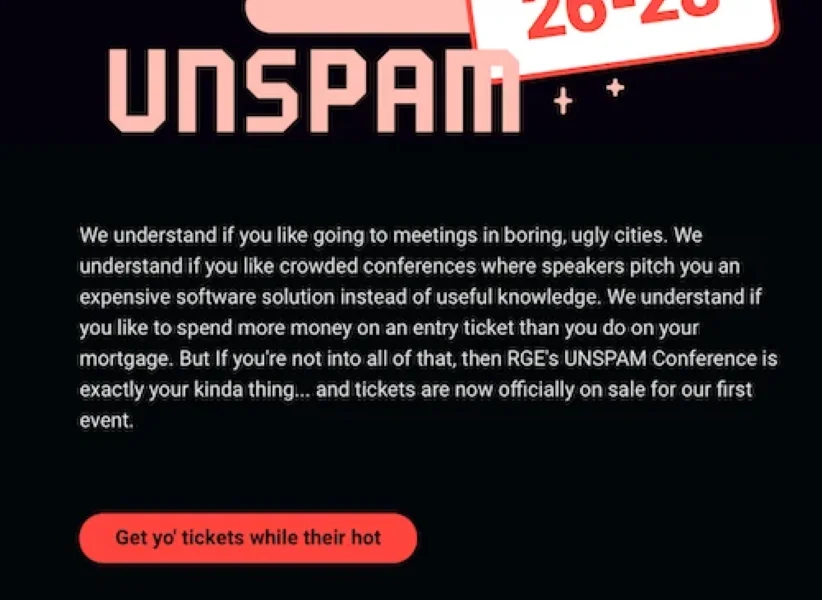
"Get yo’ tickets while they’re hot": Used by Really Good Emails for their Unspam event, this CTA leverages a playful, energetic tone that aligns with their brand. The urgency implied by "while they’re hot" encourages immediate action. However, a critical pro tip highlights the importance of meticulous proofreading, as a misspelling can detract from brand credibility.
-
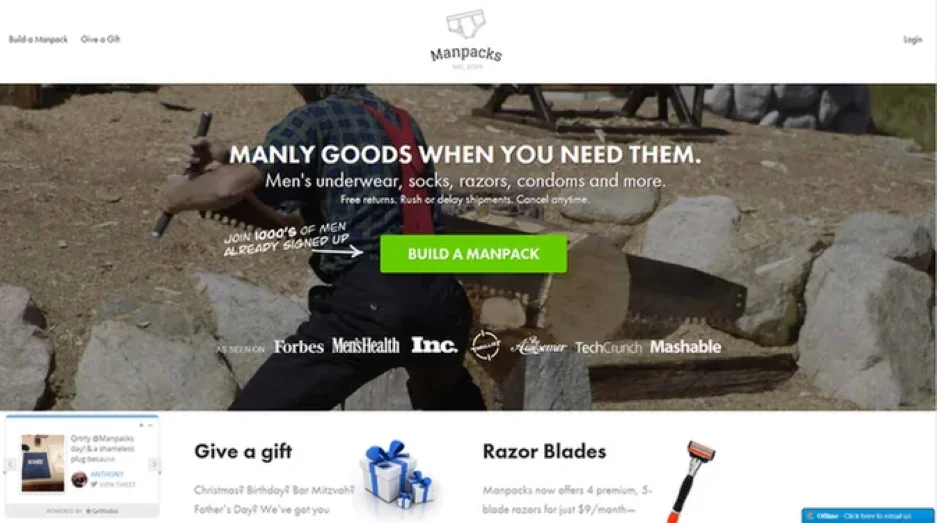
"Build a Manpack": Manpacks, a men’s grooming product site, effectively speaks the language of its target audience. By framing the act of selecting products as "building" something, they imbue a sense of empowerment and customization, making the process more engaging than a simple purchase.
-
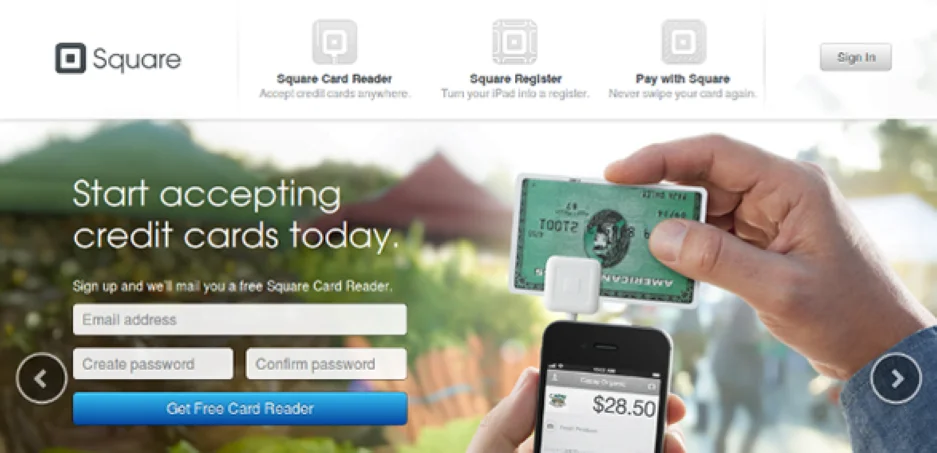
"Get free card reader": Square’s direct approach exemplifies the power of a tangible, free offer. When a product is highly desirable and offered at no cost, the CTA can be straightforward, relying on the inherent value proposition. The accompanying advice emphasizes the need for visual contrast to ensure the CTA stands out.
-
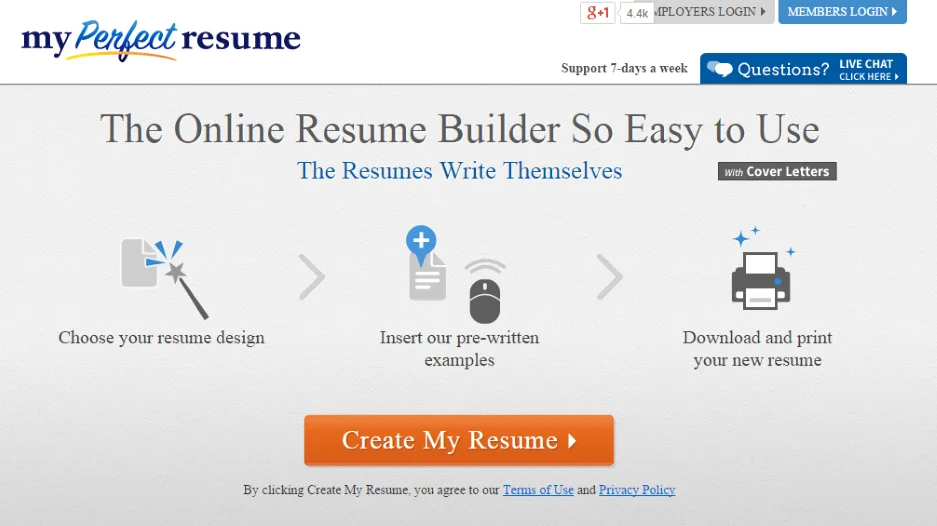
"Create my resume": My Perfect Resume’s CTA is effective due to its integration within a logical, step-by-step user journey. By simplifying a typically arduous task into manageable steps, the CTA becomes the natural, effortless conclusion for the user.
-
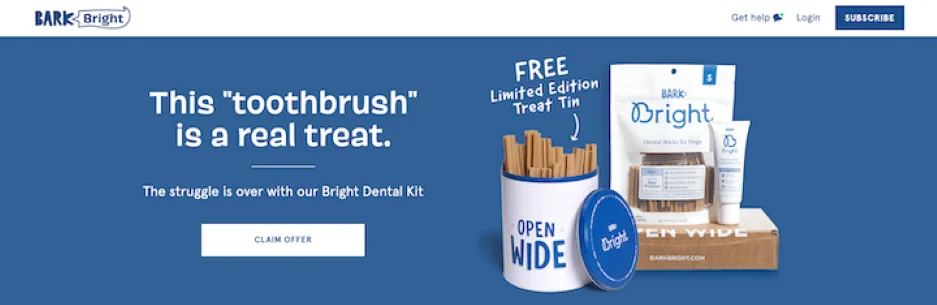
"Claim offer": Bark Bright’s choice of "Claim Offer" over "Buy Now" subtly shifts the focus from expenditure to acquisition. This phrasing suggests receiving something of value, even if a purchase is still required, thereby softening the perception of spending money.
-
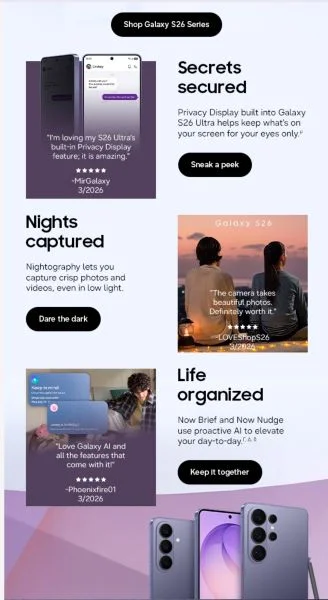
Multiple CTAs (Android): Android’s innovative approach in an advertisement featured multiple CTAs, each linked to a different value proposition. This A/B testing strategy allows them to gather data on which specific messaging resonates most effectively with different segments of their audience, leading to optimized campaigns.
-
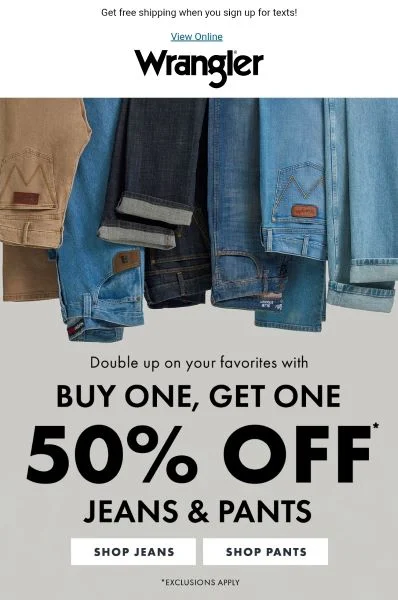
"Shop jeans, shop pants" (Wrangler): By offering distinct CTAs for product categories, Wrangler reduces friction for the shopper. This allows customers to navigate directly to their desired product types, streamlining the shopping experience and potentially increasing conversion rates by eliminating unnecessary steps.
Urgency and Scarcity CTAs
These CTAs leverage the psychological principle that limited availability or time can significantly motivate action:
-
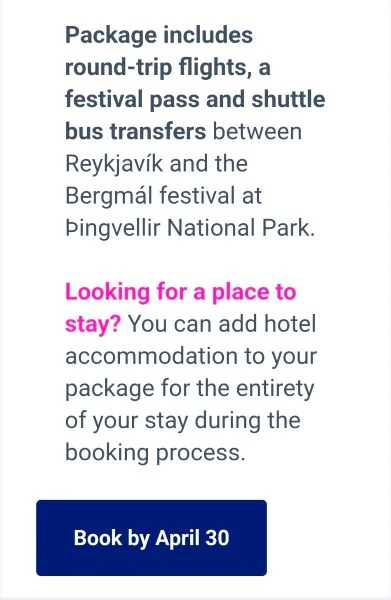
"Book by April 30" (Iceland Air): Specificity breeds trust. Iceland Air’s clear deadline provides a concrete reason for immediate booking, replacing vague prompts with a tangible incentive to act.
-
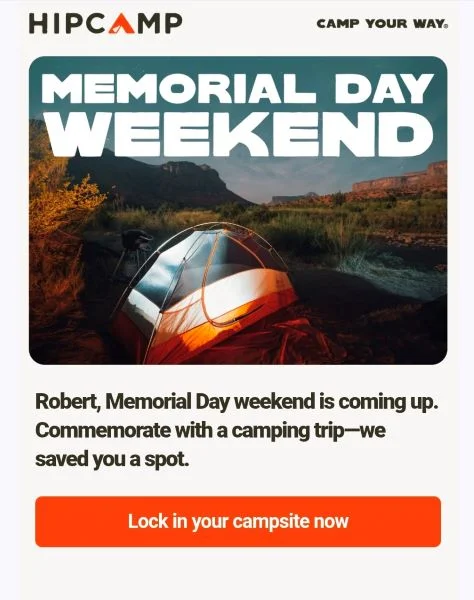
"Lock in your campsite now" (Hipcamp): This CTA combines urgency with the benefit of security. "Lock in" suggests a guaranteed reservation, while "now" emphasizes the immediate need to act, particularly relevant during peak camping seasons. The word "now" is consistently identified as a powerful driver in high-performing ads.
-
"Save now": This straightforward CTA, paired with information about a sales expiration date, effectively creates a sense of urgency. The microcopy below the button reinforces the limited-time nature of the offer, encouraging swift decision-making.
Appointment and Booking CTAs
For service-based businesses and software providers, these CTAs are crucial for filling calendars:
-
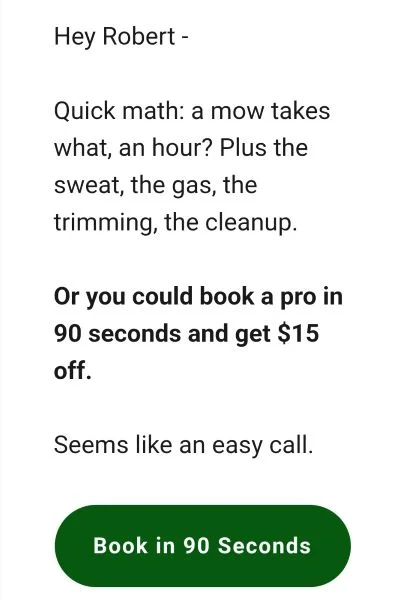
"Book in 90 seconds": This CTA for lawncare services highlights convenience and speed, directly addressing a customer pain point – the perceived hassle of booking services. It promises a quick and easy process.
-
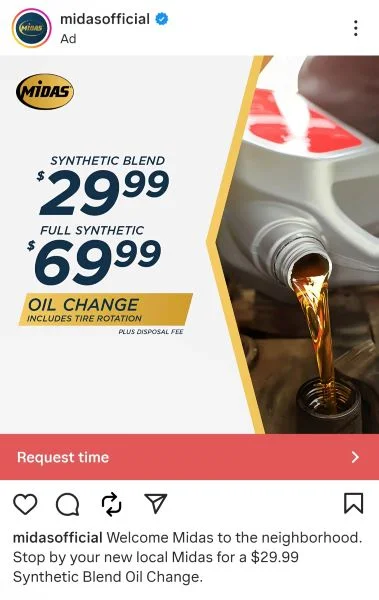
"Request time" (Midas): In a sea of default "Learn More" buttons, Midas’s choice of "Request Time" stands out. It feels more personal and less generic than "Book Now," fostering a more tailored interaction.
-
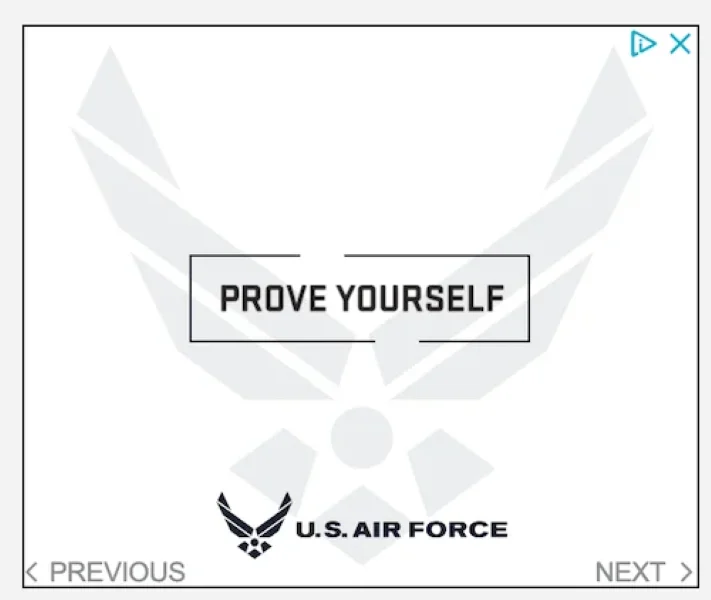
"Prove yourself" (US Air Force): This powerful, two-word CTA taps into the aspirational desires of its target audience. It moves beyond a transactional request to an emotional appeal, resonating with individuals seeking a challenge and a sense of accomplishment. Emotional copy has been shown to significantly boost conversion rates.
-
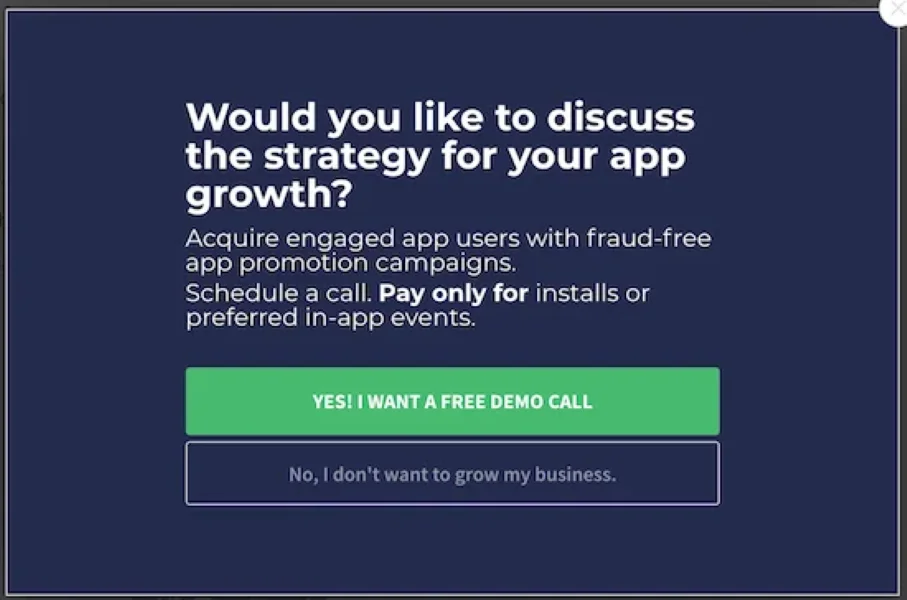
"No, I don’t want to grow my business": This is a clever secondary CTA, presented as an option to decline a primary offer (like a demo). By framing the refusal as a negative outcome, it subtly reinforces the value of the primary call to action, highlighting the potential stagnation of not engaging.

Engagement and Community CTAs
These CTAs aim to foster connection and encourage audience participation:
-
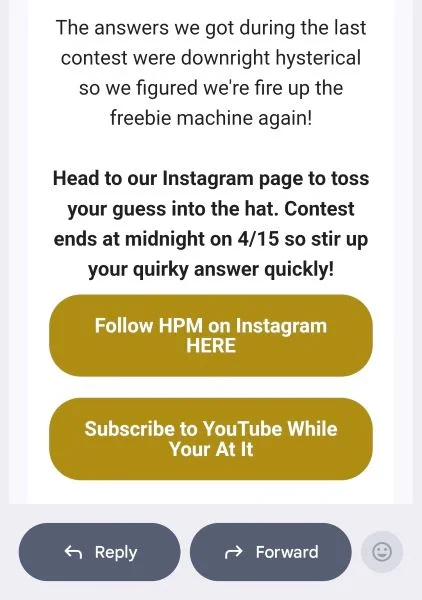
"Follow HPM on Instagram here": Human Powered Movement uses direct and functional CTAs for engagement. For a giveaway, a clear instruction to follow is the logical next step. Adding personality to secondary CTAs, as demonstrated, can make multiple actions more appealing.
-
"Stay informed. Stay competitive." (Fujitsu): Fujitsu’s CTAs are aligned with a narrative of expertise. By positioning themselves as a source of knowledge, they encourage users to engage to gain a competitive edge, creating a clear benefit for following.
Content and Education CTAs
These examples focus on driving engagement with valuable content:
-
"Get the guide" (Impactdotcom): This instance demonstrates the effectiveness of doubling down on CTAs. A visually distinct second CTA, more explicit than a generic "download" bar, can significantly improve visibility and click-through rates.
-
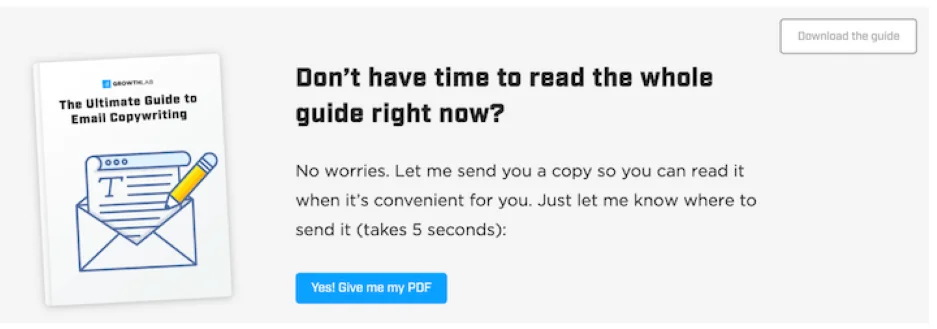
"Yes! Give me my PDF": The addition of "Yes!" injects enthusiasm, while the first-person phrasing ("me my") creates a sense of personal ownership and commitment. This approach has been shown to increase conversion rates by shifting the focus to the individual’s gain.
-
"Yes! Teach me your secrets": This CTA is a masterclass in combining multiple persuasive elements: energy, first-person address, an action verb, a hint of mystery, and a compelling promise of exclusive knowledge.
-
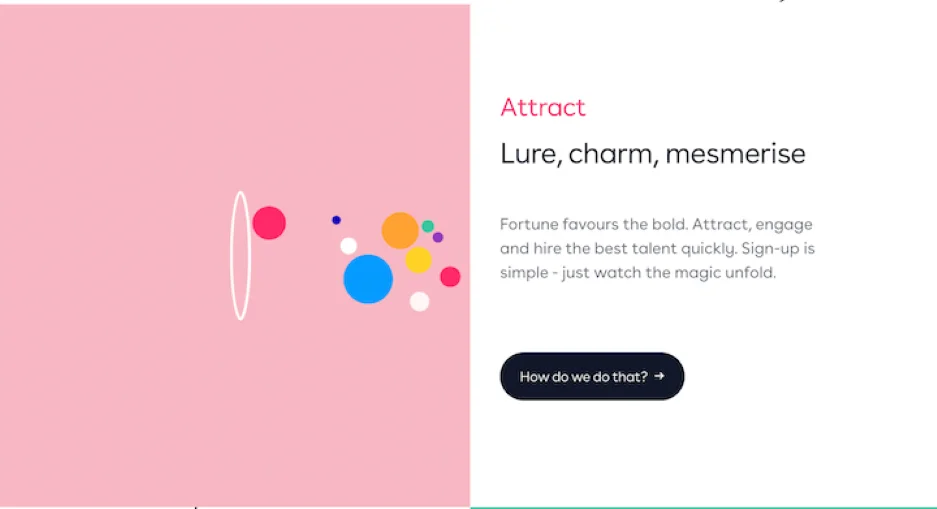
"How do we do that?": Posing a question within the CTA itself sparks curiosity, compelling users to click to find the answer. This can be highly effective when paired with visuals that illustrate a problem or a desired outcome.
-
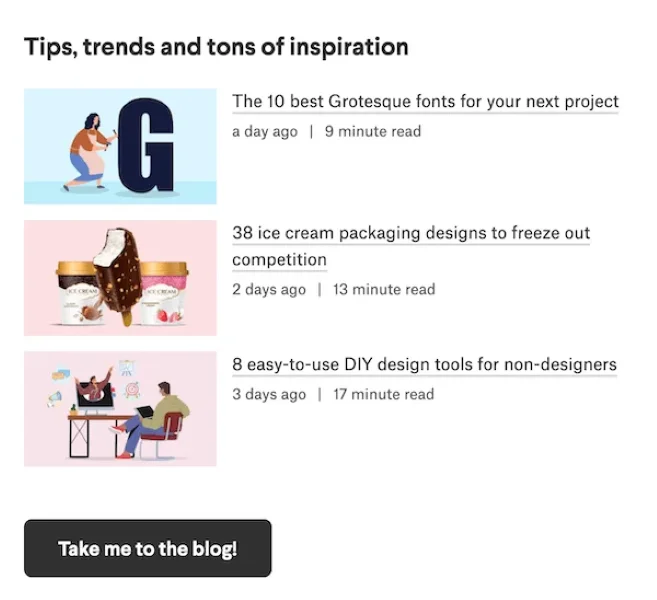
"Take me to the blog!": This CTA injects personality and a sense of personal direction, making it more engaging than a standard "Visit Blog." It emphasizes the user’s agency in their exploration.
-
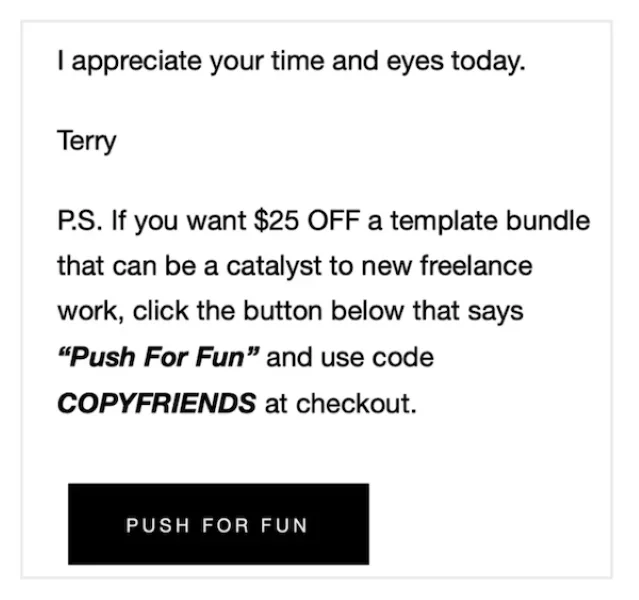
"Push for fun": While whimsical, this CTA works when aligned with the overall tone and content of the platform. It suggests a lighthearted and enjoyable experience, but the context is crucial for its effectiveness.
-
"Worry less. Roof smarter." (Owens Corning): This CTA directly addresses a significant customer pain point – the anxiety associated with major home improvement projects. By promising to alleviate worry and provide smarter solutions, it connects the educational content to a tangible benefit.
Referrals and Word-of-Mouth CTAs
Leveraging existing customer relationships for new leads:

-
"Earn up to $5,000": This dental group’s CTA targets potential new providers by highlighting a substantial financial incentive for referrals. It clearly articulates the significant reward for the effort involved.
-
"Refer a friend": In some cases, straightforward CTAs are most effective when supported by clear, valuable offers. The strength of the accompanying headline and the strategic placement of the CTA can ensure its impact.

-
"Start earning" (Jackson Hewitt): This CTA is direct and action-oriented, implying immediate financial gain. The initial ask for only a zip code minimizes friction, encouraging users to engage with the referral program.
Subscription and Lead Generation CTAs
These CTAs are designed to capture leads and build subscriber lists:
-
"Yes! It takes a village" (Mable + Moxie): This CTA uses a well-known axiom to connect with a specific audience, particularly parents. By tapping into a shared understanding, it validates the need for the offered advice.
-
"Convince people you know what a DSP is" (Digiday): This CTA is a prime example of speaking the audience’s language and addressing a specific pain point. It targets professionals who need to demonstrate expertise in technical marketing terms, positioning the newsletter as the solution.

-
"Get free access to everything" (Sleeknote): The promise of unlimited access to valuable content is a powerful incentive for list building. The accompanying headline can further enhance this by creating a sense of FOMO (Fear Of Missing Out).
-
"Yes, I’m the best pet parent": This CTA leverages psychological principles, specifically the commitment and consistency bias. By appealing to a pet owner’s self-perception, it creates an internal motivation to align actions with their declared identity.
-
"Calculate payment": For free tools like calculators, an action-based CTA is highly effective. "Calculate payment" is more compelling than "Use calculator" because it emphasizes the tangible result the user will achieve.
Expert Strategies for Crafting Effective CTAs
Beyond the examples, seasoned professionals offer strategic advice for optimizing CTAs:
Anchor Your CTAs to Outcomes
Cliff Sizemore, Senior Growth Marketing Manager at LocaliQ, emphasizes that CTAs should not only state what the user should do but also clearly articulate the benefit they will receive. Instead of a generic "Click Here," a CTA like "Start improving your ad performance" directly addresses the desired outcome, making it far more compelling. This principle involves identifying the specific benefit your customer will achieve and framing the CTA around that achievement.
Employ Value-Oriented Language
Humility has no place in a CTA. Highlighting the value of your offer is paramount. Research into top-performing Google Ads reveals that over half include at least one "value word" such as "free" or "quality." Variations like "Get top advice" instead of a simple "Subscribe" can significantly enhance engagement.
Align CTA with the Offer’s Intent
Oskar Duberg, a freelance writer, content marketer, and brand consultant, stresses the importance of matching the CTA’s strength to the user’s stage in the buyer’s journey. For a cold audience on an awareness-level page, a low-commitment CTA like "Download the Free Guide" is appropriate. Conversely, for visitors on a pricing page, a more direct CTA like "Get a Quote" or "Start Your Free Trial" is more suitable.
Mitigate Doubt with Microcopy
Hesitation is a common barrier to conversion. Duberg suggests using brief "microcopy" around the CTA to address potential anxieties regarding time commitment, risk, effort, privacy, or what happens next. Examples include assurances like "No credit card required," "Cancel anytime," or "Your privacy is protected." This subtle reinforcement can significantly reduce friction and boost conversions.

Frequently Asked Questions About Calls to Action
What is a call to action?
A call to action (CTA) is a prompt—typically a word, phrase, or button—that directs an audience to take a specific, desired next step. Examples include "Buy Now," "Download the Guide," or "Get a Free Quote."
Why are CTAs important?
CTAs are vital for increasing conversion rates. They provide clear instructions and compelling reasons for visitors to engage with a business’s offerings, guiding them through the customer journey.

Where can you use a CTA?
CTAs are versatile and can be deployed across various marketing channels, including advertisements, emails, landing pages, social media posts, blog articles, videos, direct mail, and even product packaging.
Conclusion: Driving Conversions Through Strategic CTAs
When marketing efforts fall short of conversion goals, the issue may not lie with the product or offer itself, but with the call to action. An ineffective CTA may fail to capture attention, adequately address a user’s pain point, or clearly communicate the value of taking the next step. Crafting these high-impact CTAs requires a strategic blend of understanding audience psychology, precise language, and contextual relevance.

By studying successful examples and implementing expert strategies such as anchoring CTAs to outcomes, employing value-driven language, aligning them with the offer’s intent, and using microcopy to alleviate doubt, businesses can significantly enhance their conversion rates. Furthermore, the practice of A/B testing CTAs provides a data-driven approach to identifying the most effective prompts for a specific audience. In the dynamic realm of digital marketing, mastering the art and science of calls to action is an indispensable strategy for achieving sustained audience growth, lead generation, and ultimately, business success.










