
 rifanmuazin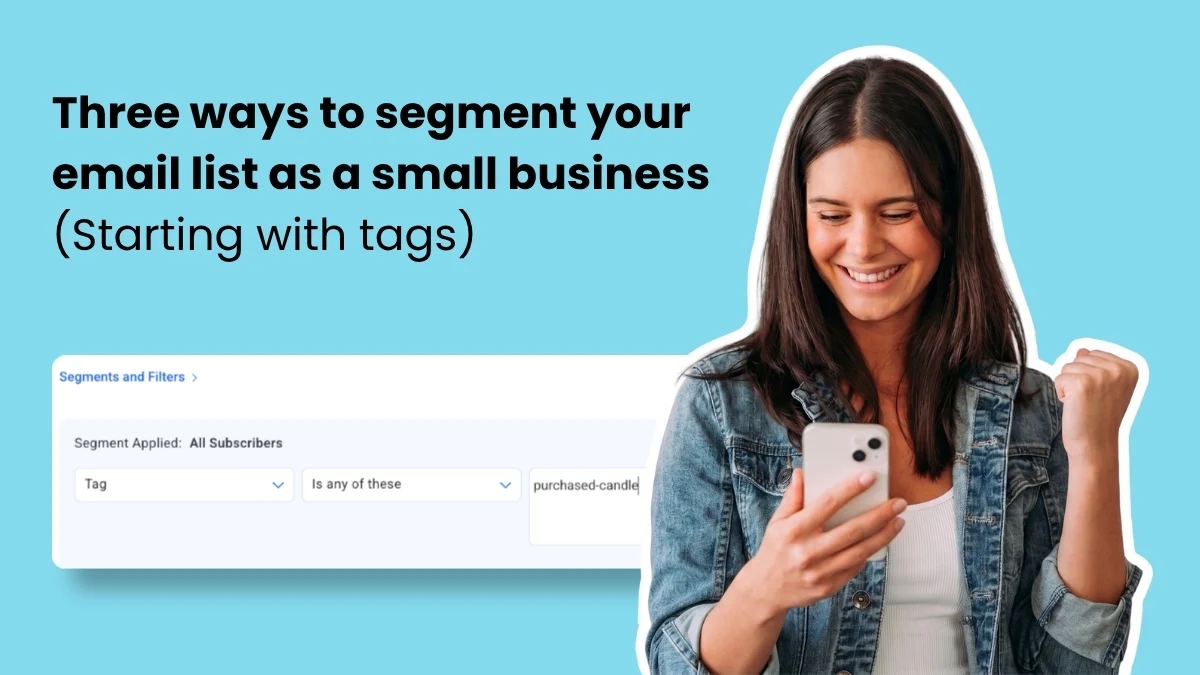
In the fiercely competitive digital landscape, where attention is a scarce commodity, the era of one-size-fits-all email marketing is rapidly drawing to a close. For small businesses, the ability to connect with subscribers on a deeply personal level is no longer a luxury but a strategic imperative. This article explores the critical role of email list segmentation, detailing why and how even the smallest enterprises can leverage this powerful technique to foster engagement, drive conversions, and cultivate lasting customer relationships without overwhelming their limited resources.
The Silent Erosion: Why Generic Emails Cost Businesses
The traditional approach of sending identical emails to an entire subscriber list, regardless of individual interests or past interactions, exacts a subtle but significant toll. While not immediately dramatic, this method quietly erodes engagement, leading to missed opportunities and diminishing returns. Subscribers with diverse interests, varied buying histories, or different levels of engagement will inevitably find generic content irrelevant. This disengagement manifests in lower open rates, fewer clicks, and, ultimately, a growing indifference that can lead to unsubscribes or, worse, becoming an "inactive" contact who still costs the business to maintain on a mailing list. Industry analysts consistently point to this lack of personalization as a primary driver of declining email marketing effectiveness for businesses that fail to adapt.
Segmentation: The Precision Tool for Modern Email Marketing
Segmentation is the strategic practice of dividing an email subscriber list into smaller, more homogeneous groups based on shared characteristics, behaviors, or interests. The goal is to deliver highly relevant content to each person, transforming a broad broadcast into a series of personalized conversations. When executed correctly, segmentation stands as one of the most potent levers a small business can pull to amplify the efficacy of its email marketing efforts, often without the need to increase email volume. Data from various marketing studies underscores this impact: segmented campaigns have been shown to achieve open rates that are 14.31% higher and click-through rates that are 100.95% higher than non-segmented campaigns. Furthermore, businesses using segmented campaigns have reported a 760% increase in revenue. These figures highlight segmentation not merely as an optimization tactic, but as a fundamental driver of revenue and customer loyalty.
The Foundational Role of Tagging
At the heart of effective segmentation lies the concept of tagging. Tags are dynamic labels applied to individual subscribers based on their interactions and data points. These can include actions such as clicking a specific link, purchasing a particular product, expressing an interest during signup, or even demonstrating a certain level of engagement. Each tag serves as a data signal, and by accumulating a robust set of tags, businesses can construct a precise profile of each subscriber, understanding their preferences and intentions. This granular data empowers marketers to tailor content with unprecedented accuracy. Platforms like AWeber have specifically developed their tagging systems to facilitate this process for small businesses, enabling the automation of subscriber behavior capture and routing into appropriate campaigns, eliminating the need for tedious manual sorting.
When Does Segmentation Become Essential for Small Businesses?
The optimal time for a small business to initiate list segmentation is often earlier than anticipated: as soon as there are at least two distinct types of subscribers with differing needs or expectations. This threshold is frequently met quite early in a business’s lifecycle. Consider a fitness coach serving clients interested in both workout regimens and nutrition advice, or a boutique retailer whose list includes both past purchasers and prospective customers. Even a consultant might find their list comprises both current clients and potential leads. In these scenarios, sending the same communication to everyone dilutes the message for at least one group.
While the aspiration might be a highly sophisticated system, the initial focus should be on meaningful distinctions. Two well-defined segments can dramatically alter engagement dynamics. For lists under 100 subscribers, the priority remains perfecting the foundational welcome series. However, once a list surpasses this initial benchmark, a structured approach to segmentation becomes increasingly viable and beneficial. The following tiered framework offers a clear pathway for small businesses to progressively implement segmentation strategies.
Three Strategic Segmentation Tiers for Small Businesses
The journey into email segmentation doesn’t demand an immediate, complex overhaul. Instead, a phased, tiered approach allows small businesses to build sophistication progressively, aligning with their growing subscriber base and evolving marketing needs.
Tier 1: Segmenting by Interest at Signup – The Proactive Approach
The most straightforward opportunity to segment a subscriber occurs even before they fully join the list: at the point of signup. The signup form, often perceived merely as a data entry field, is a critical touchpoint for gathering initial preference data. By incorporating a simple question—perhaps a checkbox, a dropdown menu, or a single inquiry within a lead magnet sequence—businesses can immediately categorize new subscribers into relevant groups.
For instance, a food blogger could ask, "Are you interested in recipes or restaurant reviews?" A marketing consultant might inquire, "Which topics are most relevant to you: social media strategies or email marketing best practices?" A clothing retailer could prompt, "What sections are you most interested in: women’s, men’s, or children’s apparel?" A single, honest answer at this stage provides an invaluable initial segment that can profoundly influence all subsequent email communications.
Platforms like AWeber enable businesses to integrate custom fields into their signup forms, automatically applying specific tags based on subscriber responses. This automation means that a clothing retailer asking about gender preferences instantly creates three distinct segments, each ready to receive a tailored welcome sequence that directly addresses their stated interest, enhancing relevance from the very first interaction.
Tier 2: Segmenting by Behavior Using Tags – The Reactive Insight
While expressed interest at signup offers a valuable starting point, subscriber behavior provides deeper, more authentic insights into their true preferences and level of engagement. Behavioral segmentation leverages tags applied dynamically based on actions taken by the subscriber within emails or on linked web properties.
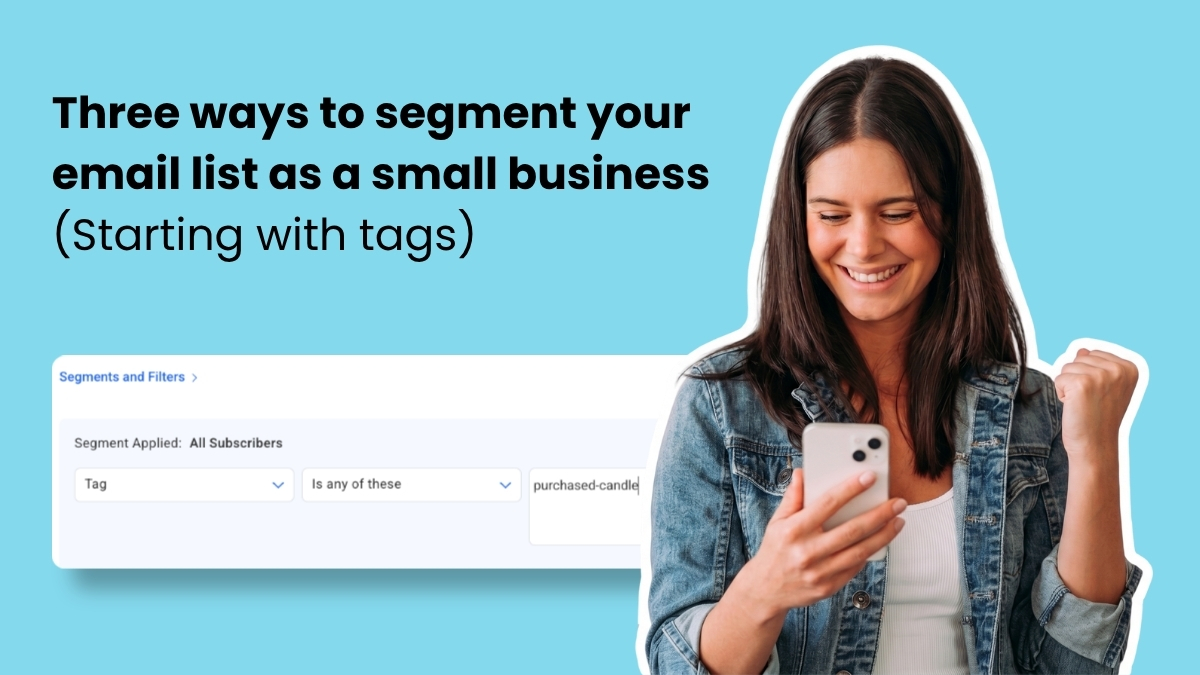
When a subscriber clicks a link pertaining to a specific product category, that action can automatically trigger a tag. Similarly, completing a download, viewing a particular video, or even consistently opening emails over a period can all be captured by tags. These behavioral tags are the cornerstone of highly personalized campaigns. The beauty of this system, especially for small businesses, lies in its automation. Once rules are established, the email marketing platform autonomously applies tags, constantly updating subscriber profiles without manual intervention. This allows the list itself to reveal what subscribers care about, shifting the burden from guesswork to data-driven insights.
Three crucial behavioral segments for early implementation include:
- Engaged Subscribers: Defined as those who have opened or clicked an email within a recent timeframe (e.g., the last 60 days). These individuals represent the most responsive and valuable segment. They are prime candidates for special offers, early access to new products or content, and loyalty rewards, as they have demonstrated a consistent interest in the brand’s communications.
- Cooling Subscribers: This group consists of subscribers who haven’t opened or clicked an email within a slightly longer window (e.g., 60 to 90 days). Their decreasing engagement signals a potential loss of interest. This segment requires a shift in strategy, such as a personalized subject line, a dedicated re-engagement series with exclusive content, or a direct, plain-text email asking if they still wish to receive communications. Proactive re-engagement efforts here can often prevent these subscribers from becoming entirely inactive.
- Inactive Subscribers: These are contacts who have shown no activity (opens or clicks) for an extended period, typically 90 days or more. Before removal, a final re-engagement attempt is warranted. If no response is elicited, removing these subscribers is crucial for maintaining list hygiene, protecting email deliverability rates (as internet service providers view high numbers of unengaged recipients negatively), and ensuring marketing metrics accurately reflect active audience engagement.
As brand strategist Coleen Otero aptly articulated, "Email is modern day door-to-door sales." Extending this analogy, behavioral segmentation tells you which door to knock on and, crucially, what product or message to present, ensuring maximum relevance and impact.
Tier 3: Segmenting by Purchase History – Maximizing Customer Lifetime Value
Purchase history segmentation represents the most advanced tier, differentiating subscribers based on their transactional relationship with the business. This creates distinct groups: non-buyers, first-time buyers, and repeat customers, each requiring a tailored communication strategy because their relationship with the brand is fundamentally different.
- Non-buyers: This segment comprises prospects who are on the list but have not yet made a purchase. Their needs revolve around trust-building content, social proof (testimonials, case studies), educational resources that address their pain points, and compelling reasons to make their initial purchase. The focus here is on nurturing them through the consideration phase.
- First-time Buyers: Once a purchase is made, the relationship shifts. First-time buyers require onboarding, reassurance of their choice, and guidance on how to maximize the value of their new acquisition. A well-designed post-purchase sequence that delivers value and support before attempting another sale is far more effective than an immediate upsell pitch. The goal is to solidify their decision and pave the way for a second purchase.
- Repeat Buyers: These are the most valuable customers and the lifeblood of many small businesses. They are prime candidates for loyalty programs, early access to new products or features, exclusive discounts, and referral incentives. Treating these loyal customers identically to a brand-new subscriber or a non-buyer is a significant missed opportunity to deepen brand loyalty and maximize customer lifetime value.
With platforms like AWeber, integrating an e-commerce store allows for automated, purchase-based tagging. When a transaction completes, a tag is automatically applied, moving the subscriber from a prospect segment to a buyer segment, and triggering the appropriate post-purchase sequence—all without manual intervention or spreadsheet management.
A Phased Approach: Building Segments Without Overwhelm
The prospect of implementing multiple segmentation tiers might seem daunting for a small business with limited resources. However, the key lies in a gradual, phased implementation, avoiding the temptation to build everything at once.
Begin with Tier 1: Introduce a single, clear interest question to your signup form. Based on the answers, create two or three corresponding tags and develop slightly different welcome sequences for each group. This foundational step provides immediate value and familiarizes the business with the segmentation process.
Progress to Tier 2 once your list reaches approximately 200 to 300 subscribers. At this point, set up engagement-based segments (engaged, cooling, inactive) and allow them to populate data over a 90-day period. This ensures you have sufficient data to act upon when the time comes to implement re-engagement strategies.
Finally, integrate Tier 3 when your business has accumulated enough purchase history to make this segmentation meaningful—typically, at least a few dozen completed orders. This ensures that the efforts in creating purchase-based segments are supported by sufficient transactional data.
The overarching objective of segmentation is not to create an overly complex system, but rather to ensure that every email feels as if it were written specifically for the individual reading it. This targeted relevance fosters deeper engagement, builds stronger customer relationships, and ultimately drives sustainable growth for small businesses in an increasingly noisy digital world.
Frequently Asked Questions about Email Segmentation
What is the fundamental difference between a segment and a tag in email marketing?
A tag is a specific label applied to an individual subscriber, marking a particular characteristic, interest, or action they’ve taken (e.g., "clicked-pricing-page," "purchased-eBook-X," "interested-in-fitness"). A segment, conversely, is a dynamic group of subscribers who share one or more common tags or criteria. You use tags to define the attributes, and then you build segments from those tags to target your communications.
How many segments should a small business realistically aim for?
For small businesses, it’s advisable to start with a modest number, typically two to four core segments. Over-segmentation can quickly lead to a "content production problem," where the team struggles to create unique and meaningful content for too many distinct groups. The most effective strategies for small businesses focus on one or two clear differentiators in subscriber behavior or intent. Expansion should only occur when there is clear data to justify new segments and the capacity to produce tailored content for them.
Is segmentation still effective if my email list is relatively small?
Absolutely. Segmentation is arguably even more valuable for smaller lists because each subscriber relationship carries greater weight. Sending highly relevant content to a list of 200 engaged subscribers builds robust engagement habits and fosters stronger relationships that are crucial for growth. These foundational habits are what allow a list to scale effectively when it reaches 2,000 or more subscribers.
Can email segmentation be automated within platforms like AWeber?
Yes, modern email marketing platforms like AWeber offer robust automation capabilities for segmentation. You can set up rules to automatically apply tags based on various subscriber actions, such as clicking specific links, submitting forms, confirming purchases, or selecting interests on signup forms. These tags can then trigger automated workflows that move subscribers between segments, ensuring that the segmentation process runs efficiently without requiring constant manual oversight.
Does AWeber provide specific tools for small businesses to implement segmentation?
Indeed. AWeber is designed with the needs of small businesses in mind, and its tagging and segmentation system is built for intuitive setup and management by business owners themselves. Users can easily create tags based on observed subscriber behavior, apply these tags automatically through customizable workflows, and then build dynamic segments from these tags. This provides small businesses with the same sophisticated segmentation logic utilized by larger marketing teams, but in a user-friendly format that can be configured in minutes rather than days.









