rifanmuazin
In the dynamic and increasingly automated landscape of Pay-Per-Click (PPC) advertising, a robust quality assurance (QA) process is not merely a best practice; it is an indispensable cornerstone for ensuring campaign efficacy and maximizing return on investment. As platforms like Google Ads integrate advanced artificial intelligence, AI-generated assets, and sophisticated Smart Bidding strategies, the potential for rapid, large-scale errors due to misconfigurations escalates. This necessitates a meticulous manual oversight to guarantee that automation operates on accurate inputs, from flawless tracking to coherent campaign structures and precise targeting. This guide delves into the essential checks required before launching any PPC campaign, emphasizing a proactive approach to preempt costly mistakes and optimize performance from inception.
Navigating Campaign Settings: The Foundation of Success
The initial phase of PPC campaign creation demands a thorough review of fundamental campaign settings. These settings, often overlooked in the rush to deploy, lay the groundwork for all subsequent performance metrics.
Network Settings: Precision in Reach
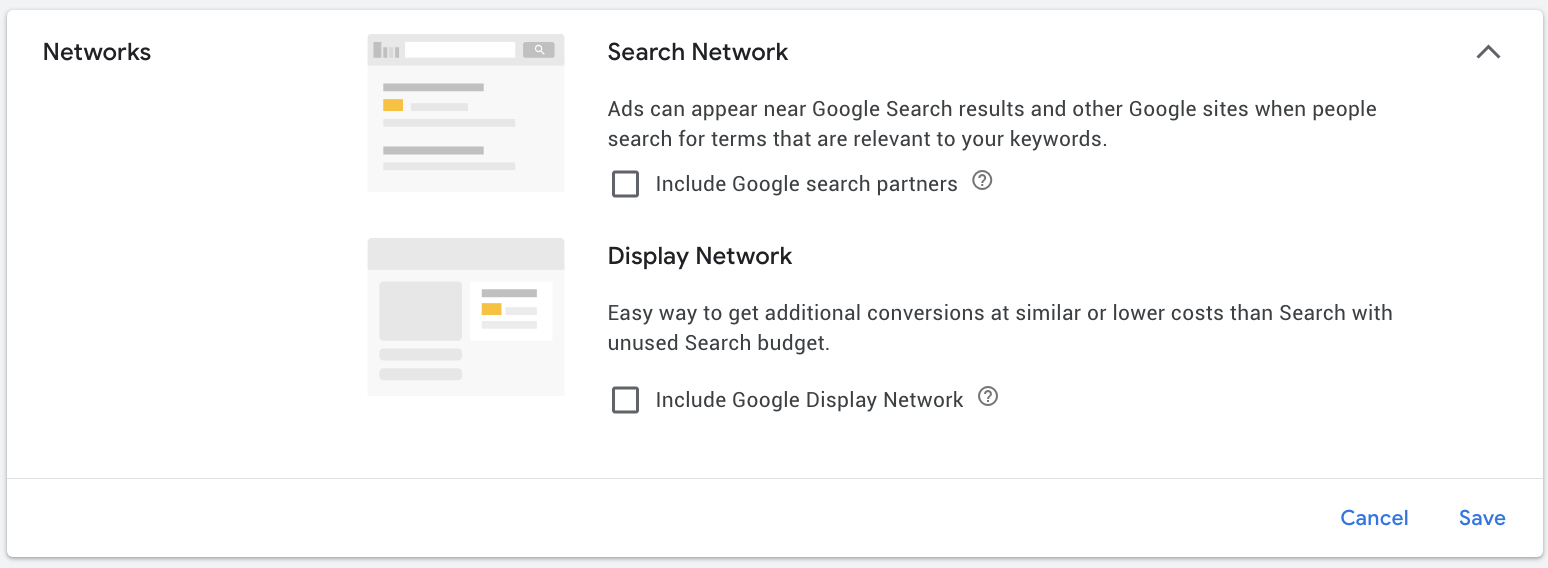
For Search campaigns, a critical decision point is the inclusion of "Search partners." While enabling this can extend reach, particularly for niche markets, it often introduces low-quality clicks that dilute campaign efficiency. Advertisers must carefully weigh the potential gains in visibility against the risk of unqualified traffic. Equally important is the decision to exclude the Display network from Search campaigns. Search ads are engineered for the specific intent-driven environment of search results pages, not the visual-centric nature of the Display network. Attempting to use Search ads on Display placements is highly inefficient. For those looking to leverage the Display network, creating a dedicated Display campaign is the strategic imperative, allowing for tailored creative and targeting optimized for that environment.

Bidding Strategies: Fueling Performance
Bidding methodology is a vital determinant of campaign success. A crucial QA step involves assessing the bid levels for keywords. Ensuring no significant number of keywords are priced below the first-page bid is essential for visibility. Conversely, vigilance against accidentally inflated bids that can quickly deplete budgets is equally paramount.
Google Ads offers a spectrum of Smart Bidding strategies, including "Maximize Conversions," "Maximize Conversion Value," "Target CPA" (Cost Per Acquisition), and "Target ROAS" (Return On Ad Spend). The selection of the appropriate strategy hinges on overarching account objectives and the volume of historical conversion data available. For nascent campaigns with limited data, "Maximize Clicks" can serve as an effective starting point. However, for accounts demonstrating consistent conversion volume, "Target CPA" or "Target ROAS" are more sophisticated options that align performance with specific financial goals.
It is imperative to understand that Google Ads’ Smart Bidding strategies leverage machine learning to dynamically adjust bids. This means that even without direct manual intervention, average Cost Per Click (CPC) and average cost per conversion can fluctuate significantly. Regular monitoring of these metrics is crucial to prevent over- or under-bidding, ensuring that the automated system is working optimally to achieve campaign goals. For instance, campaigns aiming for lead generation might prioritize "Target CPA," while e-commerce businesses focused on profitability would likely opt for "Target ROAS." Data from industry reports consistently shows that campaigns utilizing well-configured Smart Bidding strategies can achieve up to a 15-20% improvement in conversion rates compared to manual bidding, provided sufficient conversion data is available.
Budget Allocation: Powering Automation
Budget settings require careful scrutiny. Are the allocated budgets realistic, neither excessively high nor restrictively low? A critical consideration is whether budgets are sufficient to allow Smart Bidding strategies to exit their learning phase. The learning phase, during which algorithms gather data to optimize performance, can take anywhere from a few days to a couple of weeks. Insufficient budgets can prolong this phase or prevent campaigns from ever reaching their full optimization potential. An accidental extra zero in a budget figure can lead to catastrophic overspending. Fortunately, Google Ads implements safeguards, such as prompting users to click "Save" twice for significant budget increases, mitigating the risk of egregious errors.
Google frequently provides budget recommendations. While these can be a convenient starting point, it is vital to ensure they align with the overarching campaign strategy and financial projections. If budgets are constrained, opting for a more controlled bidding strategy like "Manual CPC" with a defined bid limit or "Maximize Clicks" with a CPC cap might be more prudent than relying on a data-hungry Smart Bidding strategy. Insufficient budget can lead to campaigns showing erratically, failing to capture valuable search queries, and ultimately underperforming against competitors. A comprehensive analysis of historical spending and projected ROI is essential before finalizing budget allocations.
Campaign Structure: The Blueprint for Organization
A well-defined campaign structure is fundamental for efficient management and granular analysis. New campaigns should align logically with the existing account architecture. A consistent naming convention across all campaigns, ad groups, and ads is essential, enabling any team member, regardless of their familiarity with the account, to readily understand its organization and purpose. This clarity is particularly important when multiple stakeholders are involved in campaign management or when an account undergoes an agency transition.
Specialized Campaign Types: Addressing Unique QA Needs
Certain campaign types, due to their inherent structure and reliance on automation, demand specific QA considerations.
Performance Max (PMax): Harnessing Automation with Oversight
Performance Max campaigns represent a significant evolution in Google Ads, offering a unified campaign type that accesses all of Google’s inventory from a single campaign. Their heavy reliance on automation means advertisers have less direct control compared to traditional campaign types, making pre-launch QA even more critical.

The QA process for PMax begins with a meticulous review of asset group structure. Each asset group should be thematically cohesive, focusing on specific products, services, or audience segments. Grouping disparate messaging or offerings within a single asset group can dilute performance and confuse the algorithm. If a product feed is utilized, its quality is paramount. Ensuring the feed is clean, up-to-date, and correctly structured directly impacts campaign performance.
Audience signals, while not restrictive, are crucial for guiding Google’s AI during the initial learning phase. Providing strong, relevant audience signals can accelerate the campaign’s optimization process. Brand exclusions are another vital component, particularly for advertisers seeking to delineate branded search efforts from non-branded campaigns. While PMax offers increasing visibility and control over time, ongoing performance reviews remain essential to identify and address any emergent issues. Industry benchmarks indicate that well-structured PMax campaigns can outperform standard campaigns by as much as 10-20% when properly optimized.
AI Max and Automatically Created Assets: Balancing Innovation and Control
Google’s AI Max feature, which encompasses automatically created assets (ACAs), aims to enhance Search campaigns by generating creative and targeting improvements using AI. By opting into text customization features, advertisers allow Google to create additional headlines and descriptions by drawing content from landing pages, existing ads, and keywords. This real-time adaptation can improve messaging relevance and boost performance.
However, this automation inherently reduces advertiser control. AI-generated assets may introduce messaging that deviates from brand guidelines or tone of voice. Features like final URL expansion, which directs users to different landing pages based on search intent, further underscore the importance of ensuring website content and structure are tightly aligned with campaign objectives. When utilizing AI Max, regular review of asset performance reports is crucial to understand which combinations are being served and their contribution to results. Controls for asset generation and optimization can be managed within campaign settings. The effective use of ACAs, when aligned with brand messaging, has been shown to improve ad relevance scores and potentially lower CPCs.

Auto-Applied Recommendations: A Double-Edged Sword
Google Ads offers the capability for auto-applied recommendations, which can introduce changes such as adding keywords or creating new assets. While these can be beneficial for managing accounts with limited time, they carry inherent risks. Not all recommendations are beneficial; some can negatively impact performance. Small, incremental changes like adding keywords are generally less risky. However, significant modifications, such as altering bidding strategies, adding broad match keywords, or changing keyword match types, can severely damage a campaign’s performance if not carefully vetted.
It is imperative to regularly check the "Auto-Applied Recommendations" section within account settings to understand what changes are being made automatically. For advertisers seeking complete control, disabling auto-applied recommendations is an option. This can be managed within the Recommendations tab, where users can select "Auto-apply" and disable categories they do not wish Google to implement without explicit approval. A recent analysis by a leading digital marketing agency found that campaigns with auto-applied recommendations experienced a 7% higher error rate compared to those with manual approval.
Keywords and Targeting: Precision in Audience Engagement
The core of any PPC campaign lies in its keyword strategy and targeting parameters.
Keywords: Strategic Selection and Match Types
A preliminary review of campaign keywords is essential. Do they accurately reflect the products or services being advertised and align with user search intent? Crucially, the chosen keyword match types (broad, phrase, exact) must be deliberate. While Google’s Smart Bidding strategies often encourage the use of broad match keywords to maximize machine learning, advertisers can still strategically employ phrase or exact match to maintain greater control over ad appearance and ensure relevance and efficiency. Understanding the nuances of each match type is critical; broad match, while offering expansive reach, can also lead to significant wasted spend if not meticulously managed with negative keywords.
Negative Keywords: The Unsung Hero of Efficiency
In an era of limited search term visibility and diminishing keyword control, negative keyword management has become more critical than ever. Regularly reviewing search term reports to identify irrelevant queries and add them to negative keyword lists is a non-negotiable task. Negative keywords are particularly vital when running broad match keywords within Smart Bidding campaigns, acting as a crucial filter to prevent ads from appearing for unintended searches. Care must be taken with negative keyword match types; a broad negative can inadvertently block relevant keywords. Google typically flags potential negative keyword conflicts within the Recommendations tab. Effective negative keyword management can reduce wasted ad spend by as much as 10-15%.
Targeting: Defining Your Audience
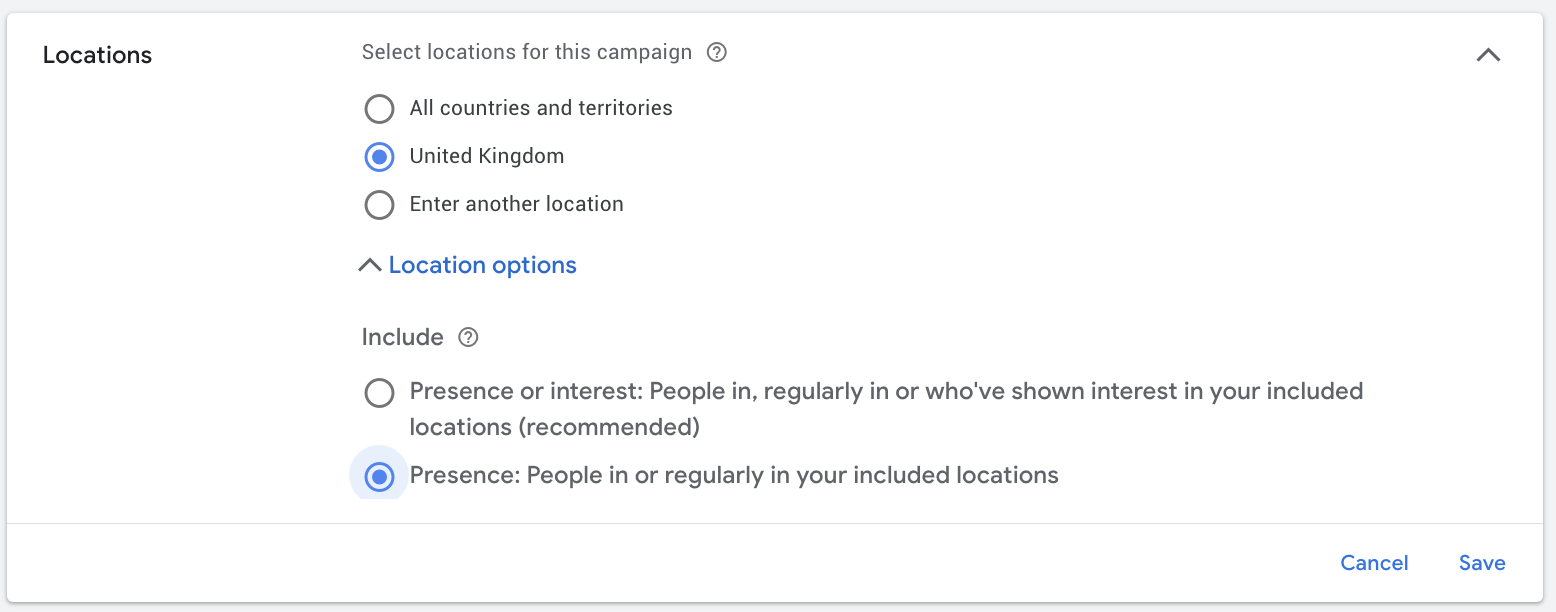
For Display campaigns, the effectiveness of targeting is directly proportional to the accuracy of the audience settings. A critical QA check involves distinguishing between "Targeting" and "Observation" modes within audience settings. "Targeting" mode restricts ad delivery solely to the selected audiences, narrowing reach but increasing precision. "Observation" mode, conversely, maintains broad targeting while allowing for bid adjustments on specific audience segments. Google’s default setting is often "Presence or interest," which can lead to ads being shown to individuals outside the desired geographic area who have previously expressed interest in it. For campaigns requiring strict geographic focus, selecting "Presence" is crucial to avoid irrelevant impressions and wasted budget. Furthermore, "Optimized targeting" can broaden reach beyond initial selections; its activation should be verified if unexpected audience expansion occurs. Audience targeting can also be applied to Search campaigns, which can be beneficial for remarketing but may unnecessarily limit reach for broader campaign objectives.
Conversion Tracking: The Compass for Optimization
Accurate conversion tracking is arguably the most critical element of any successful Google Ads account. Without it, all optimization decisions made by the platform are based on flawed data, leading to misallocated spend and missed opportunities.
Ensuring Data Integrity
The first step is to confirm that primary conversions align precisely with campaign goals. Lead form submissions or purchases are typical primary conversions, while secondary actions like page views should be monitored but not used for bidding. All conversion tags must be verified to ensure they are firing correctly and that values are recorded accurately. Manual testing of conversions is a robust method to confirm data capture.

Enhancing Tracking Accuracy
In today’s privacy-conscious digital landscape, where signal loss is increasingly common, enabling enhanced conversions is crucial. This feature utilizes first-party data to improve tracking accuracy. For automated bidding strategies, sufficient conversion volume is paramount. Google recommends at least 30 conversions per month for general bidding strategies, and 50 conversions for "Target ROAS." Low conversion volumes can hinder performance and lead to unstable results. Finally, a review of attribution settings ensures they are congruent with reporting and optimization objectives.
Ads Quality Assurance: Crafting Compelling and Accurate Messaging
The creative elements of a campaign, including ads and their associated assets, require meticulous scrutiny.
Responsive Search Ads (RSAs): Balancing Automation and Control
Responsive Search Ads are the default Search ad format, with Google automatically testing combinations of headlines and descriptions. While this shifts testing from rotating ads to optimizing assets within a single ad, advertisers can maintain control through pinning. Pinning is useful for compliance or brand messaging but should be used judiciously. Over-pinning can restrict Google’s ability to test effectively. A recommended approach for pinning is to use headline position 1 for primary messaging, position 2 for supporting offers or unique selling propositions, and position 3 for less critical or more general information, as headlines in position 3 are less likely to appear across most devices. The objective is to provide sufficient variation for testing while ensuring all combinations make sense and reflect core messaging.
Dynamic Keyword Insertion (DKI): A Tool Requiring Caution
Dynamic Keyword Insertion, which automatically updates ad text to match a user’s search query, can potentially boost clickthrough rates by increasing ad relevance. However, DKI must be used with extreme caution. It can lead to awkward phrasing, character limit issues with long-tail keywords, or even misleading claims if not managed properly. Using DKI in competitor campaigns is strongly discouraged due to the risk of trademark infringement. Meticulous ad group and keyword selection is essential when employing DKI.

Image Assets: Visual Appeal and Relevance
Image assets, when eligible, can enhance Search ads and improve clickthrough rates. Images must be relevant to the ad, clear, and free of text overlays. It is important to check whether Google Ads is permitted to use merchant photos from linked Google Business Profiles, as these may not always be relevant to the specific ad. Opting out of automated image usage can be done within the "Assets" section under "Account level automated assets."
Typos and Grammatical Errors: The Pernicious Pitfall
Typos and grammatical errors are among the most common and damaging mistakes in PPC ads. A thorough proofread is essential. While spell-check features in editors like Google Ads Editor can catch some errors, they may miss context-dependent mistakes (e.g., "their" vs. "there"). AI-generated assets also require careful review to ensure they are error-free.
URLs: The Gateway to Your Offering
A frequently overlooked but critical QA check is verifying landing page URLs. Broken landing pages can render entire campaigns ineffective, leading to significant wasted ad spend. Regularly visiting all landing page URLs to ensure they are functional and lead to the intended content is paramount.
Tracking Codes and URL Structure: Ensuring Data Flow
URLs should incorporate relevant tracking codes, as agreed upon with clients. Subtle differences in URL structure, such as the presence or absence of a "?" versus a "/", can result in 404 errors. A careful check of URL syntax is necessary. Caution is advised with Google’s auto-tagging feature, which can sometimes override custom tracking codes or cause URLs to malfunction. If auto-tagging interferes with custom tracking or Google Analytics integration, consultation with a web developer is recommended to ensure correct configuration or strategic disabling.

Post-Launch Quality Assurance: Continuous Vigilance
The QA process does not conclude with campaign launch. The initial 24-72 hours are critical for identifying unforeseen issues and preventing unnecessary ad spend.
Immediate Post-Launch Monitoring
During this period, key metrics such as clickthrough rate (CTR), cost per click (CPC), and early conversion performance must be closely monitored. Anomalies in these metrics can signal underlying problems, such as misconfigured targeting, incorrect ad copy, or broken links. An unusually high CTR with zero conversions, for example, might indicate that the ad is compelling but the landing page is failing to convert, or that conversion tracking is not properly implemented. Conversely, a very low CTR might suggest poor ad relevance or ineffective targeting. Early detection and swift remediation of these issues are crucial to safeguard campaign budgets and optimize for performance from the outset. This proactive approach ensures that PPC investments are channeled effectively, driving meaningful results rather than becoming a source of preventable financial loss.