rifanmuazin
Computer Vision (CV) has solidified its position as one of the most commercially lucrative and technically transformative branches of artificial intelligence, serving as the sensory backbone for industries ranging from autonomous transport to precision medicine. As the global computer vision market is projected to surpass $45 billion by 2030, the demand for skilled practitioners has shifted from those with purely theoretical knowledge to those capable of deploying robust, real-world systems. This transition has made the development of a diverse technical portfolio an essential requirement for engineers seeking to navigate the competitive AI landscape. This comprehensive guide details 21 pivotal projects, categorized by complexity, that bridge the gap between academic concepts and industrial application, providing a structured roadmap for professional mastery in the field.
The evolution of computer vision has followed a clear chronological trajectory, moving from early rule-based image processing in the 1990s to the deep learning revolution of the 2010s, and finally to the current era of multimodal and generative AI. Today, the field is no longer siloed; it intersects with Natural Language Processing (NLP) and robotics to create systems that not only see but also understand and interact with their environments. To succeed in this environment, practitioners must demonstrate proficiency across three distinct tiers: foundational processing, intermediate neural architectures, and advanced generative or 3D modeling.
The Foundational Tier: Core Image Processing and Classification
The entry point into computer vision focuses on extracting meaningful information from static images using traditional algorithms and high-level deep learning frameworks. These projects establish the fundamental skills of edge detection, contouring, and supervised learning.

-
License Plate Recognition (LPR) System: This project introduces the "CV + OCR" pipeline. It requires engineers to build a multi-stage system that localizes a vehicle’s license plate within a larger frame and applies character recognition to digitize alphanumeric codes. Such systems are the bedrock of smart city infrastructure and automated tolling.
-
OCR and Document Understanding: Moving beyond simple text extraction, this project involves understanding the spatial hierarchy of documents. By extracting structured data from invoices and receipts, developers learn layout analysis, a critical skill for the fintech and administrative automation sectors.
-
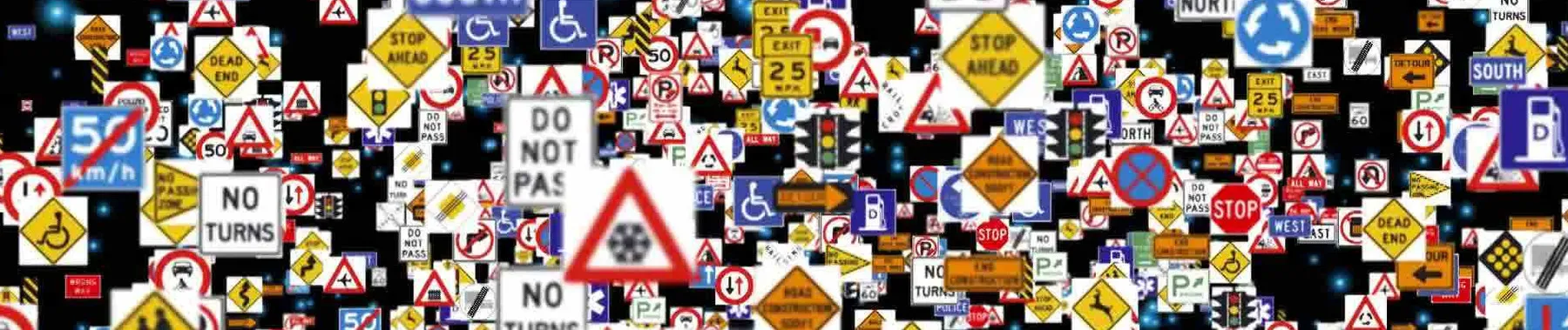
Traffic Sign Recognition: A cornerstone of the autonomous driving stack, this project tasks developers with training models to classify dozens of unique signs under suboptimal conditions, such as heavy rain or low light. It emphasizes the need for dataset augmentation and robustness in safety-critical applications.
-
Crop Disease Detection: This application demonstrates the humanitarian and economic impact of CV in agriculture. By building diagnostic tools that identify plant pathologies from leaf photographs, practitioners address global food security challenges while learning about fine-grained image classification.
-
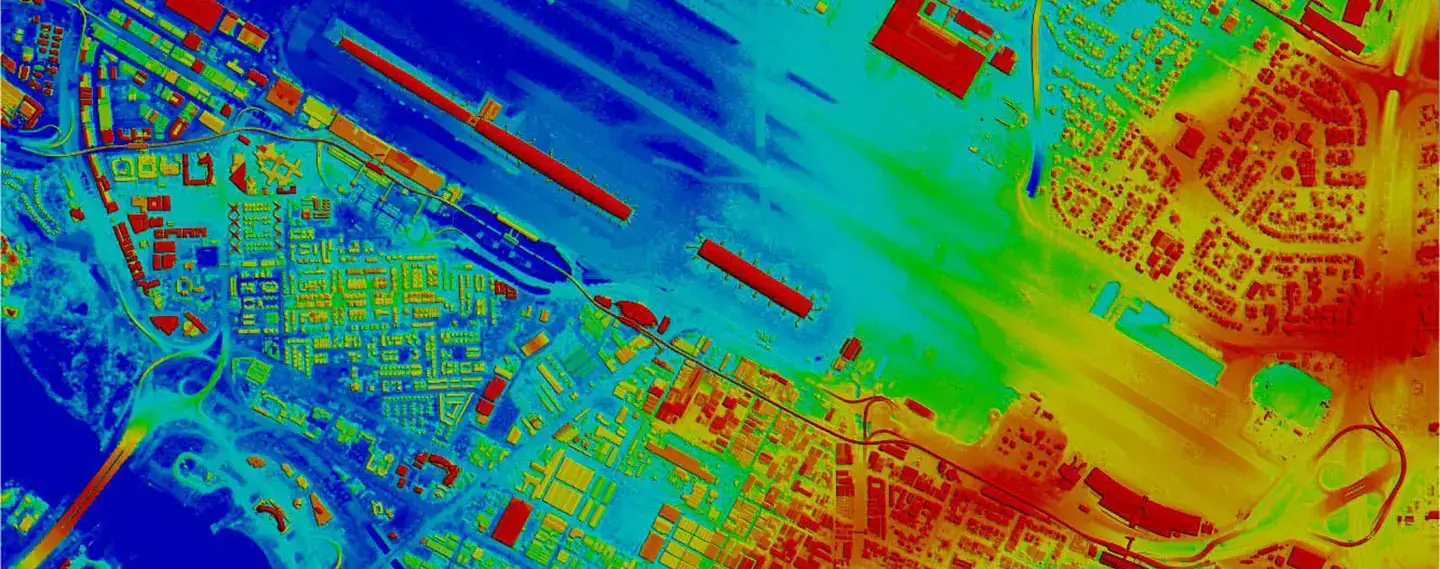
Satellite Image Classification: Remote sensing AI is vital for environmental monitoring. This project involves classifying land use patterns—such as urbanization, deforestation, or water body shifts—from high-resolution satellite data, introducing the challenges of handling massive, multi-spectral datasets.
The Intermediate Tier: Real-Time Detection and Domain Fusion
Intermediate projects require a deeper dive into neural network architectures, such as Convolutional Neural Networks (CNNs) and Transformers. At this level, the focus shifts to real-time performance, custom loss functions, and the fusion of vision with other data modalities.

-
Real-Time Object Detection with YOLO: The "You Only Look Once" (YOLO) family of models has revolutionized real-time detection. This project focuses on balancing inference speed with mean Average Precision (mAP), a critical trade-off for edge devices and live surveillance systems.
-
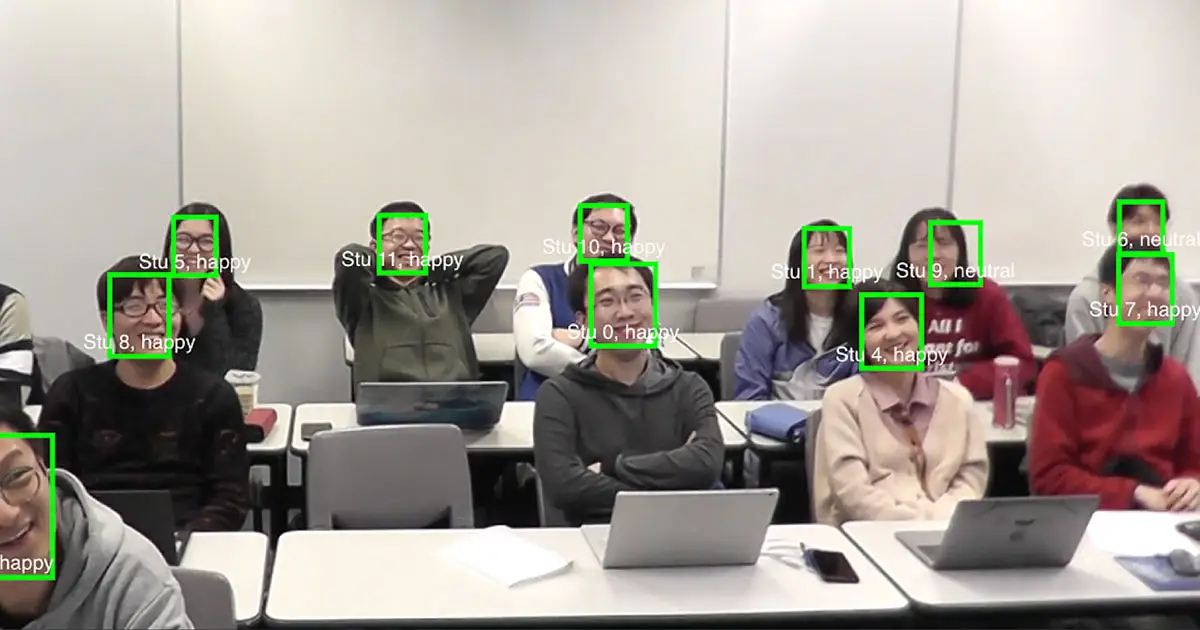
Biometric Face Recognition: Transitioning from simple detection to identity verification, this project covers the extraction of unique facial embeddings. It requires an understanding of triplet loss and vector databases, which are essential for secure attendance and security systems.
-
Image Captioning (Vision + NLP): This project represents the bridge to multimodal AI. By using a CNN as an encoder and a Transformer or RNN as a decoder, developers create systems that generate natural language descriptions of visual scenes, a technology used extensively in accessibility tools for the visually impaired.
-
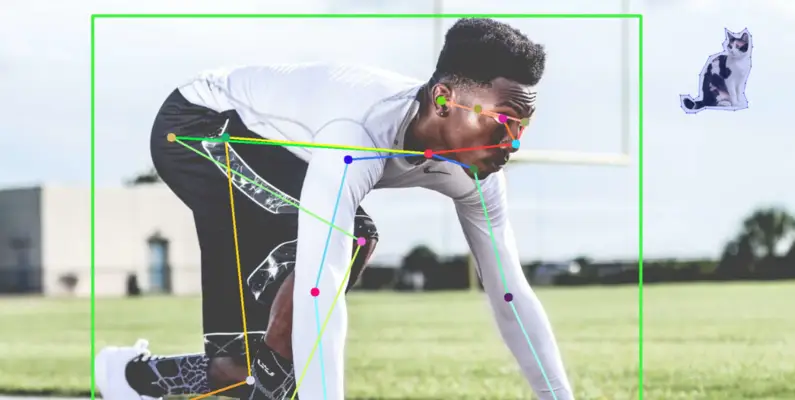
Human Pose Estimation: Tracking skeletal structures in real-time is a high-value skill in sports analytics and physical therapy. This project involves identifying key points like joints and limbs, requiring models that can handle occlusion and complex human movements.
-
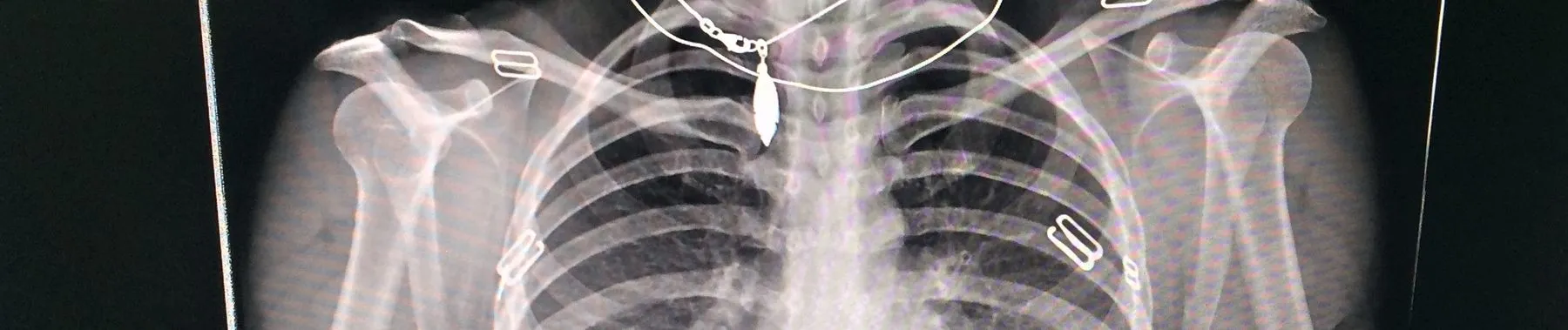
AI-Based Medical Image Classification: Deep learning is now a standard tool for assisting radiologists. Building a model to detect pneumonia from X-rays or lesions from MRIs teaches the importance of model sensitivity, specificity, and the ethical implications of diagnostic AI.
-
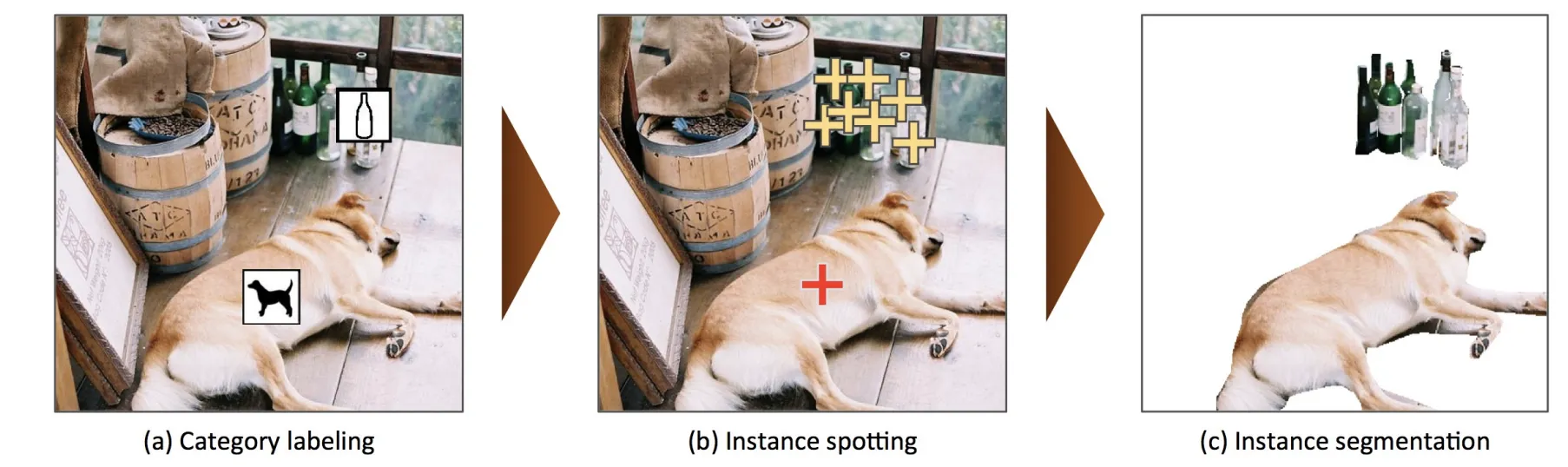
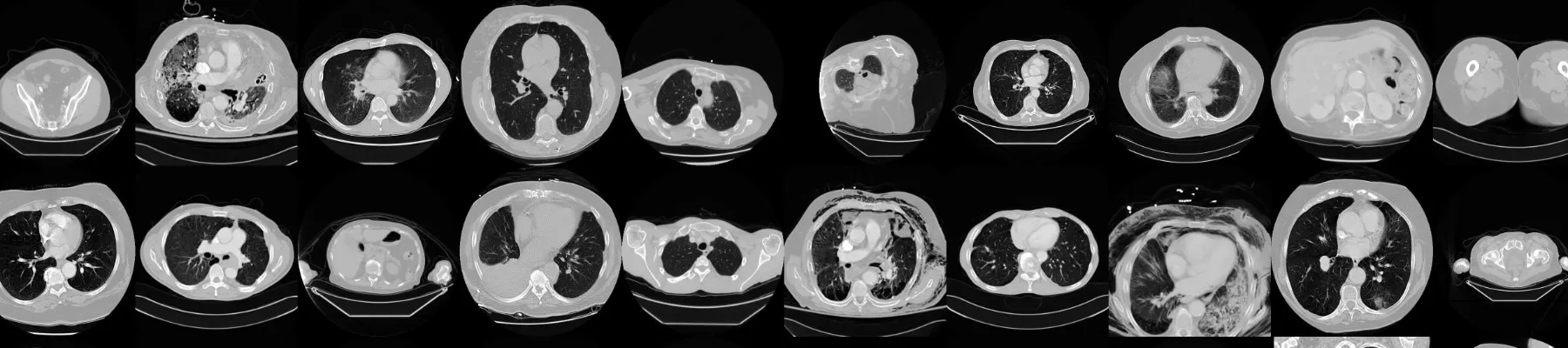
Semantic Segmentation with U-Net: Unlike classification, segmentation requires pixel-level precision. Implementing a U-Net architecture to isolate tumors or organs in medical scans demonstrates a developer’s ability to handle high-stakes, grayscale data with complex boundaries.
-
Multi-Label Image Classification: Real-world images often contain multiple objects or attributes. This project challenges developers to predict several independent tags for a single image, a common requirement in e-commerce and social media tagging.
-
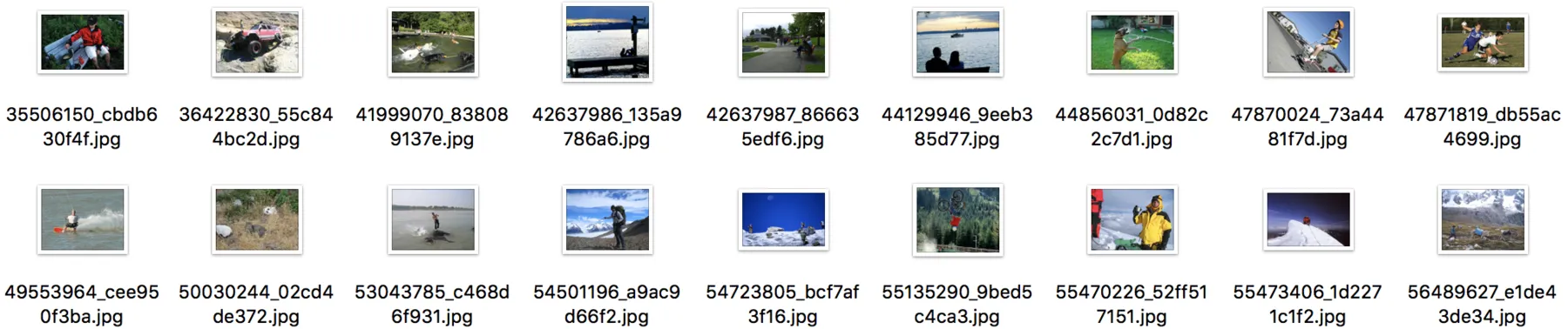
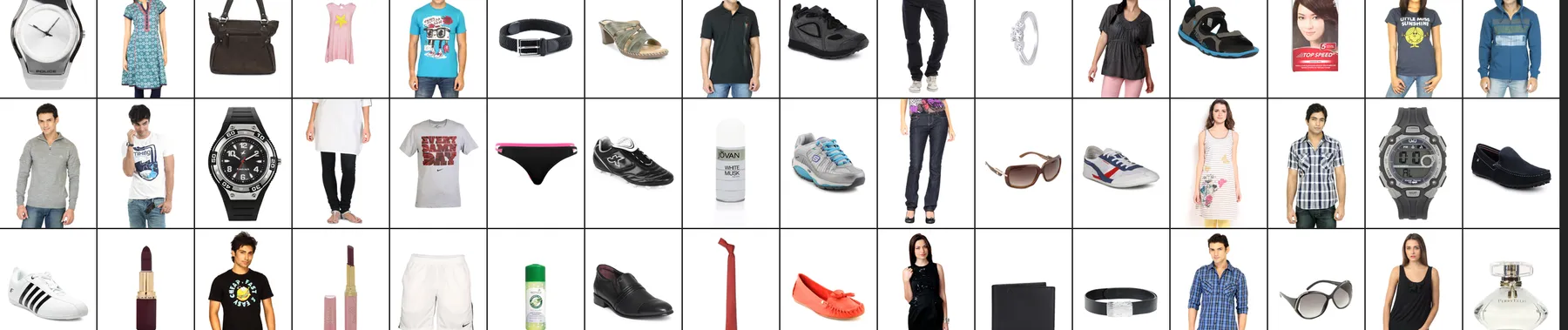
Visual Similarity Fashion Recommendations: This project focuses on latent space manipulation. By extracting feature vectors from clothing items, developers build engines that suggest products based on visual "distance," a technology that powers modern retail discovery.
-
Industrial Defect Detection: In the context of Industry 4.0, anomaly detection is used to find surface cracks or dents in manufactured parts. This project simulates the visual inspection phase of smart factories, where precision and low latency are paramount.
The Advanced Tier: Generative AI and 3D Reconstruction
The frontier of computer vision involves Generative Adversarial Networks (GANs), 3D data representation, and self-supervised learning. These projects represent the state-of-the-art in 2026, where AI creates and reconstructs rather than just identifies.
-
CLIP-Based Image-to-Text Search: Using OpenAI’s Contrastive Language-Image Pre-training (CLIP) model, developers can build semantic search engines. This allows users to search for images using complex natural language queries (e.g., "a cat sitting on a vintage blue sofa in the sunlight") rather than simple keywords.
-
Visual Question Answering (VQA): VQA systems require a model to understand spatial relationships and logic. Given an image and a question like "What is the person holding in their left hand?", the model must fuse visual and textual features to provide an accurate answer.
-
AI-Powered Virtual Try-On: This generative project involves mapping garment images onto human bodies. It requires complex image warping and "inpainting" to ensure that fabric folds and lighting appear realistic, a major trend in the digital fashion industry.
-
Image Deblurring and Restoration using GANs: Generative Adversarial Networks can be trained to restore sharpness to images affected by motion blur. This project highlights skills in image-to-image translation, which is also used in satellite de-hazing and old photo restoration.
-
3D Object Reconstruction: Moving beyond 2D, this project involves generating 3D point clouds or meshes from a collection of 2D images. This is the foundational technology for Augmented Reality (AR) and the creation of digital twins in the industrial metaverse.
-
Video Summarization Systems: Understanding temporal changes is the next frontier. This project involves identifying "key-frames" or significant events in long video streams to create condensed highlights, essential for security monitoring and content creation.

-
Face Aging and Identity Manipulation: Utilizing StyleGAN and latent space manipulation, developers can create models that realistically alter a subject’s age while preserving their identity. While controversial, these techniques are vital for the entertainment industry and understanding age-related facial changes.
Market Analysis and Industry Implications
The transition toward these 21 projects reflects a broader shift in the global labor market. Industry analysts at Gartner and IDC have noted that "AI literacy" is no longer sufficient; "AI agency"—the ability to build and deploy—is the new benchmark. In the manufacturing sector, the integration of CV-based defect detection has been shown to reduce operational costs by up to 15%. In healthcare, AI-assisted diagnostics have improved early detection rates for certain cancers by nearly 20% in pilot studies.
However, the rise of these technologies also brings significant ethical and privacy challenges. Face recognition and generative "deepfake" technologies have prompted calls for stricter regulation. Professional developers in 2026 are expected not only to be technically proficient but also ethically aware, ensuring that their projects adhere to emerging frameworks like the EU AI Act.
Conclusion: The Path to Mastery
Building a career in computer vision is a marathon that requires constant adaptation to new architectures and datasets. By working through this spectrum of projects—from foundational OCR to advanced 3D reconstruction—practitioners develop a versatile toolkit capable of solving diverse industrial problems. The most effective approach is to document these projects on platforms like GitHub, emphasizing the "why" behind technical choices. As the boundary between the physical and digital worlds continues to blur, those who can teach machines to see will remain the architects of the future technological landscape. Pick a project, secure the dataset, and begin the process of building; every line of code is a step toward mastery in the most visual era of human history.