rifanmuazin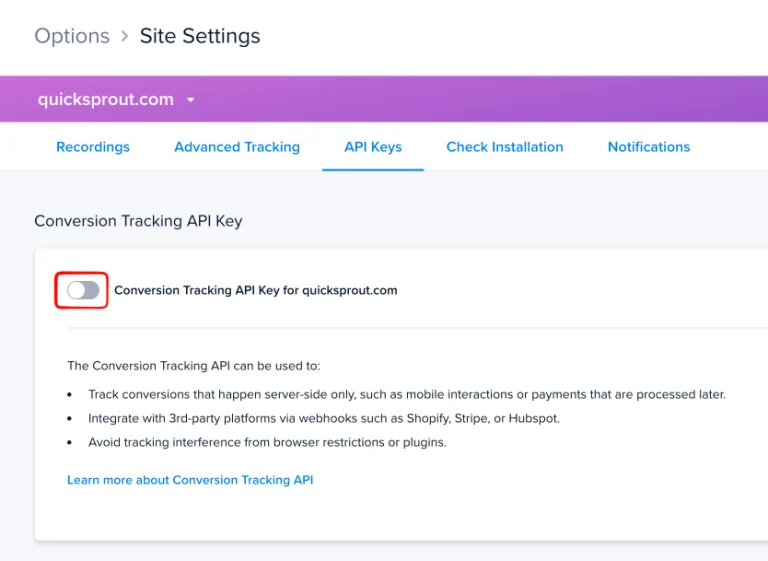
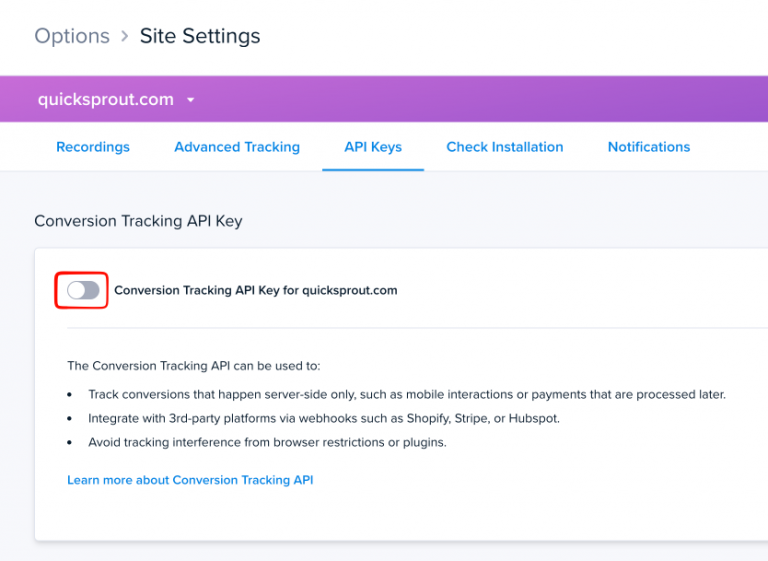
The digital marketing landscape has reached a critical juncture where the traditional methods of tracking user behavior are increasingly hampered by privacy regulations, browser restrictions, and the proliferation of ad-blocking software. In response to these industry-wide shifts, Crazy Egg, a pioneer in heatmapping and conversion rate optimization (CRO) technology, has officially announced the launch of its Server-Side Conversion Tracking API. This new tool represents a significant technical evolution for the platform, allowing businesses to transmit conversion data directly from their own servers to Crazy Egg’s analytical engine, bypassing the limitations of client-side browser environments.
As of April 14, 2026, the implementation of this API provides a robust solution for organizations that require high-fidelity data to drive their optimization strategies. By moving tracking logic away from the user’s browser and into the server environment, Crazy Egg aims to eliminate the "signal loss" that has plagued digital marketers since the introduction of stringent privacy frameworks like the General Data Protection Regulation (GDPR) and the California Consumer Privacy Act (CCPA), as well as technical hurdles like Apple’s Intelligent Tracking Prevention (ITP).
The Technical Shift: Client-Side vs. Server-Side Tracking
To understand the importance of Crazy Egg’s new API, one must first distinguish between the two primary methods of data collection. For the better part of two decades, the industry standard has been client-side tracking. In this model, a small piece of JavaScript code—often referred to as a "pixel" or "tag"—is placed on a website. When a user performs an action, such as clicking a "purchase" button, the browser executes the script and sends a notification to the tracking platform.
However, client-side tracking is increasingly vulnerable. Modern browsers often block third-party cookies by default, and ad-blocking extensions can prevent tracking scripts from loading entirely. Furthermore, slow internet connections or browser crashes can interrupt the script before the data is successfully transmitted.
In contrast, Server-Side Conversion Tracking functions independently of the user’s browser. When a conversion event occurs—such as a processed payment or a successful form submission—the website’s backend server records the event and communicates directly with Crazy Egg’s API via a secure server-to-server connection. This method ensures that the data is captured regardless of the user’s browser settings, the presence of ad blockers, or the device’s processing power.
Strategic Importance for Ad Platform Optimization
The release of the Server-Side Conversion Tracking API is particularly timely for businesses heavily invested in social media advertising. Platforms such as Meta (Facebook and Instagram) and TikTok rely on complex machine learning algorithms to optimize ad delivery. These algorithms require a constant stream of accurate conversion data to identify which users are most likely to take action.
When tracking is blocked at the browser level, these ad platforms receive incomplete data, leading to what industry experts call "attribution gaps." If an ad platform cannot see that a user converted, it may continue showing the same ad to that user or fail to find similar audiences. By using Crazy Egg’s new API in conjunction with server-side tools like Meta’s Conversions API (CAPI), marketers can ensure a closed-loop data cycle. This leads to more accurate Return on Ad Spend (ROAS) calculations and significantly improved targeting efficiency.
Chronology of Development and Launch
The journey toward the Server-Side Conversion Tracking API began as part of Crazy Egg’s broader initiative to transition from a simple visualization tool into a comprehensive data infrastructure provider.
- Late 2024: Crazy Egg’s engineering team identified a growing discrepancy in user data reported by client-side tags versus internal database records among enterprise-level clients.
- Early 2025: The "Privacy-First" roadmap was established, prioritizing the development of server-to-server communication protocols.
- Q3 2025: Beta testing commenced with a select group of e-commerce and SaaS partners. Early results indicated a 15% to 25% increase in captured conversion events compared to standard JavaScript tracking.
- January 2026: Documentation for the API was finalized, focusing on ease of integration for developers using popular backend languages such as Node.js, Python, Ruby, and PHP.
- April 14, 2026: Official public launch and integration into the Crazy Egg dashboard.
Supporting Data: The Cost of Inaccurate Tracking
The impetus for this technological shift is supported by staggering industry data. Recent studies suggest that up to 40% of internet users globally utilize some form of ad-blocking software. Furthermore, with the rollout of Apple’s App Tracking Transparency (ATT), opt-in rates for tracking on mobile devices have remained consistently low, often hovering below 25% for many industries.
For a mid-sized e-commerce store generating $10 million in annual revenue, a 20% gap in tracking accuracy represents $2 million in "dark" conversions—sales that occurred but cannot be attributed to a specific marketing effort. This lack of visibility often leads to misallocated budgets, where high-performing channels are underfunded because their impact is not fully documented. Crazy Egg’s move to server-side tracking is designed to illuminate these dark spots in the customer journey.
Organizational Leadership and Reaction
Stephen Ngo, Director of Growth Marketing at Crazy Egg, has been a vocal proponent of this transition. With an extensive background in B2B startups and previous leadership roles at Nira, Paddle, and ProfitWell, Ngo emphasizes that the future of growth marketing is rooted in data integrity rather than just data quantity.
While Crazy Egg has not released formal statements from external partners, the sentiment within the developer community has been one of cautious optimism. Technical leads have noted that while server-side setups require more initial development resources than simply "dropping a pixel," the long-term benefits of data security and accuracy far outweigh the setup costs.
Internal reports from Crazy Egg suggest that the API was designed with developer experience in mind. The API supports standard RESTful principles, making it compatible with most modern web architectures. This ensures that even smaller teams, who might have previously found server-side tracking too complex, can now implement it with relative ease.
Implications for Conversion Rate Optimization (CRO)
Beyond mere attribution, the Server-Side Conversion Tracking API has profound implications for the core of Crazy Egg’s offering: heatmaps and session recordings. Traditionally, these visual tools were disconnected from the final "success" metric if that metric happened on a hidden "thank you" page or within a backend database.
By integrating server-side data, Crazy Egg can now correlate specific user sessions with verified backend conversions more accurately. This allows marketers to filter heatmaps and recordings to see exactly what "high-value" converters did differently than those who bounced. It removes the "noise" of bot traffic and unverified clicks, providing a purified view of the user experience that leads to actual revenue.
Analysis of the Competitive Landscape
Crazy Egg’s introduction of this API places it in direct competition with other high-end analytics and session replay tools like Hotjar, ContentSquare, and Microsoft Clarity. While many of these platforms have historically relied on client-side scripts, the move toward server-side functionality is becoming a key differentiator in the enterprise market.
By offering a robust API, Crazy Egg is signaling its intent to move upmarket, catering to larger organizations that have the technical infrastructure to support server-side deployments. This move also reinforces the platform’s position as a privacy-conscious choice, as server-side tracking allows for better "data cleaning" before information is sent to third parties, ensuring that sensitive Personally Identifiable Information (PII) is stripped out at the server level.
Future Outlook and Industry Impact
As the digital ecosystem continues to move away from third-party cookies, the reliance on first-party data—data collected directly by a brand from its own sources—will become absolute. The Crazy Egg Server-Side Conversion Tracking API is a foundational tool for this new era.
Looking ahead, we can expect to see further enhancements to this API, potentially including real-time alerting systems for conversion drops and deeper integrations with Customer Data Platforms (CDPs). For now, the launch serves as a reminder that the "set it and forget it" era of web tracking is over. Success in the modern digital economy requires a more sophisticated, server-centric approach to understanding user behavior.
For businesses that are not yet ready for a full server-side deployment, Crazy Egg continues to support its traditional no-code goals and triggers. This dual-path approach ensures that the platform remains accessible to small business owners while providing the "hardened" data infrastructure required by global enterprises. As the industry moves toward 2027, the adoption of server-side methodologies will likely shift from a "competitive advantage" to a "standard requirement" for any data-driven organization.


 Asro
Asro
 Dwi Wanna