
 rifanmuazin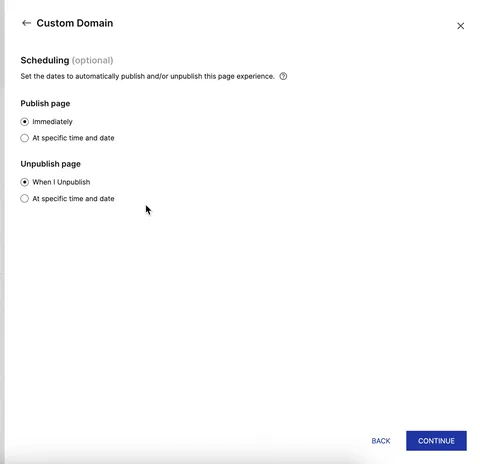
The digital marketing landscape is currently undergoing a period of rapid transformation, driven by the increasing demand for high-velocity campaign execution and the democratization of web development through no-code solutions. In response to these evolving market requirements, Instapage, a leading provider of landing page and conversion optimization software, has announced the rollout of a suite of new features designed to enhance campaign management and broaden the scope of its web design capabilities. The latest update introduces automated scheduling for page deployments, a dedicated library of website page templates, and the formal launch of an Early Access Program aimed at fostering community-driven product development.
These additions arrive at a critical juncture for digital marketers. As the cost per click on major advertising platforms continues to rise, the pressure on brands to optimize their post-click experience has never been greater. By integrating more robust scheduling and structural design tools, Instapage is positioning itself as a comprehensive solution for businesses looking to bridge the gap between initial ad engagement and final conversion.
The Strategic Shift Toward Automated Campaign Lifecycle Management
One of the most significant hurdles for modern marketing teams is the manual overhead associated with time-sensitive campaigns. Seasonal promotions, flash sales, and product launches often require precise timing for the publication and removal of web assets. To address this, Instapage has introduced the "Scheduling" feature, now available on select subscription plans. This tool allows users to pre-determine the exact dates and times for a landing page to go live, undergo updates, or be taken offline.
The introduction of scheduling represents a move toward "set-and-forget" campaign management. Historically, digital marketers had to remain on standby to manually toggle page visibility to ensure that promotional offers did not remain live after their expiration date—a common error that can lead to customer frustration and legal compliance issues. By automating this process, Instapage enables teams to plan their entire quarterly or yearly promotional calendar in advance.
From a technical perspective, the scheduling engine handles the server-side transitions, ensuring that traffic is redirected or pages are updated without the need for manual developer intervention. This level of automation is increasingly becoming the industry standard. Data from marketing technology analysts suggests that automation in the campaign lifecycle can reduce operational overhead by up to 15%, allowing creative teams to refocus their efforts on strategy and content rather than administrative maintenance.
Expanding the No-Code Ecosystem: From Landing Pages to Full Websites
While Instapage has built its reputation as a premier landing page builder, internal user data has shown a growing trend: a significant portion of its user base utilizes the platform’s intuitive drag-and-drop interface to construct entire websites. Recognizing this shift in user behavior, the company has officially expanded its library to include "Website Page Templates."
This new category moves beyond the single-purpose focus of a traditional landing page. The templates are organized into nine distinct industry verticals, including Real Estate, Beauty, and Consumer Products. These designs are optimized for broader site architecture, including "About Us" pages, service listings, and contact hubs, all while maintaining the high-performance, mobile-responsive standards for which Instapage is known.
The expansion into website templates reflects a broader trend in the Software-as-a-Service (SaaS) industry where specialized tools are evolving into comprehensive platforms. By providing industry-specific structures, Instapage reduces the "blank canvas" problem that often slows down small-to-medium enterprises (SMEs) and agencies. According to industry benchmarks, the use of pre-optimized templates can reduce web development timelines by as much as 60%, allowing brands to maintain a more agile presence in the market.
Community-Led Innovation: The Early Access Program
In an effort to ensure that future product iterations align closely with the needs of its most active users, Instapage has also launched its Early Access Program. This initiative serves as a bridge between the company’s engineering team and its power users. Members of the program are granted the opportunity to test beta features before they are released to the general public.
The program is not merely a testing ground but a strategic feedback loop. Participants can influence the product roadmap by providing direct insights into how new features perform in real-world scenarios. This move follows the recent successful deployment of several other high-demand features, including interactive Carousels, customizable Popups, and a completely redesigned Dashboard.
The implementation of an Early Access Program is a tactic frequently used by high-growth tech companies to ensure product-market fit. By involving the community early in the development cycle, Instapage can mitigate the risk of "feature bloat"—the tendency for software to become overly complex with tools that do not serve the core user base. Instead, the company is prioritizing a user-centric approach that emphasizes utility and conversion-driven design.
Chronology of Platform Evolution
To understand the context of these new releases, it is necessary to look at Instapage’s recent development timeline. Over the past twelve months, the platform has undergone a series of significant updates aimed at increasing interactivity and data transparency:
- Dashboard Redesign: Earlier this year, Instapage overhauled its user interface to provide more intuitive navigation and faster access to analytics. This was designed to help marketers quickly identify which campaigns were underperforming.
- Interactive Elements: The introduction of Carousels and Popups addressed the need for more dynamic user engagement on landing pages. These features allowed for higher information density without cluttering the visual field.
- The Current Update (May 2024): The launch of Scheduling and Website Templates marks the latest phase in this evolution, shifting the focus from individual page elements to the overarching management of the digital presence.
Industry Context and Supporting Data
The push for more integrated marketing tools is supported by wider industry data regarding digital consumption and advertising efficiency. Research indicates that the average conversion rate for a landing page across all industries is approximately 9.7%. However, brands that use specialized optimization tools and maintain a high volume of tailored landing pages (40 or more) tend to see up to 12 times more leads than those with fewer than five pages.
Furthermore, the "no-code" movement is projected to grow significantly, with some estimates suggesting the market will reach $187 billion by 2030. Instapage’s investment in website templates and simplified builders places it at the forefront of this movement, catering to a generation of marketers who require sophisticated web assets without the complexity of traditional coding or the limitations of basic site builders.
Analysis of Implications for Agencies and In-House Teams
The implications of these updates vary depending on the organizational structure of the user. For marketing agencies, the Scheduling feature is a significant value-add for client management. It allows agencies to demonstrate proactive planning and ensures that client campaigns are launched with surgical precision, regardless of the agency’s internal staffing levels on a given weekend or holiday.
For in-house marketing teams at mid-sized companies, the Website Page Templates provide a way to maintain brand consistency across various digital touchpoints. By using a unified builder for both landing pages and core website components, teams can ensure that the user experience remains seamless, reducing the "friction" that often occurs when a user clicks from a highly optimized ad-specific page to a less-optimized corporate site.
The Early Access Program also suggests that Instapage is looking to build deeper brand loyalty. In a competitive SaaS market where switching costs can be low, creating a community of "co-creators" can be a powerful retention strategy.
Future Outlook and Conclusion
Instapage’s latest announcements signal a commitment to continuous improvement and a recognition of the multifaceted roles that modern marketers play. By combining automation (Scheduling), versatility (Website Templates), and community engagement (Early Access Program), the platform is evolving from a point solution into a robust infrastructure for digital growth.
As digital advertising becomes increasingly automated through AI-driven bidding and targeting, the "creative" and "post-click" stages remain the primary areas where human strategy can provide a competitive advantage. Instapage’s new tools are designed to maximize this advantage by removing the technical barriers to execution.
For businesses looking to capitalize on these new features, the company continues to offer a 14-day free trial, allowing potential users to test the scheduling engine and the new industry-specific templates in a live environment. As the digital marketing landscape continues to shift toward integrated, high-performance ecosystems, Instapage’s latest moves appear well-aligned with the needs of a results-oriented industry.








