rifanmuazin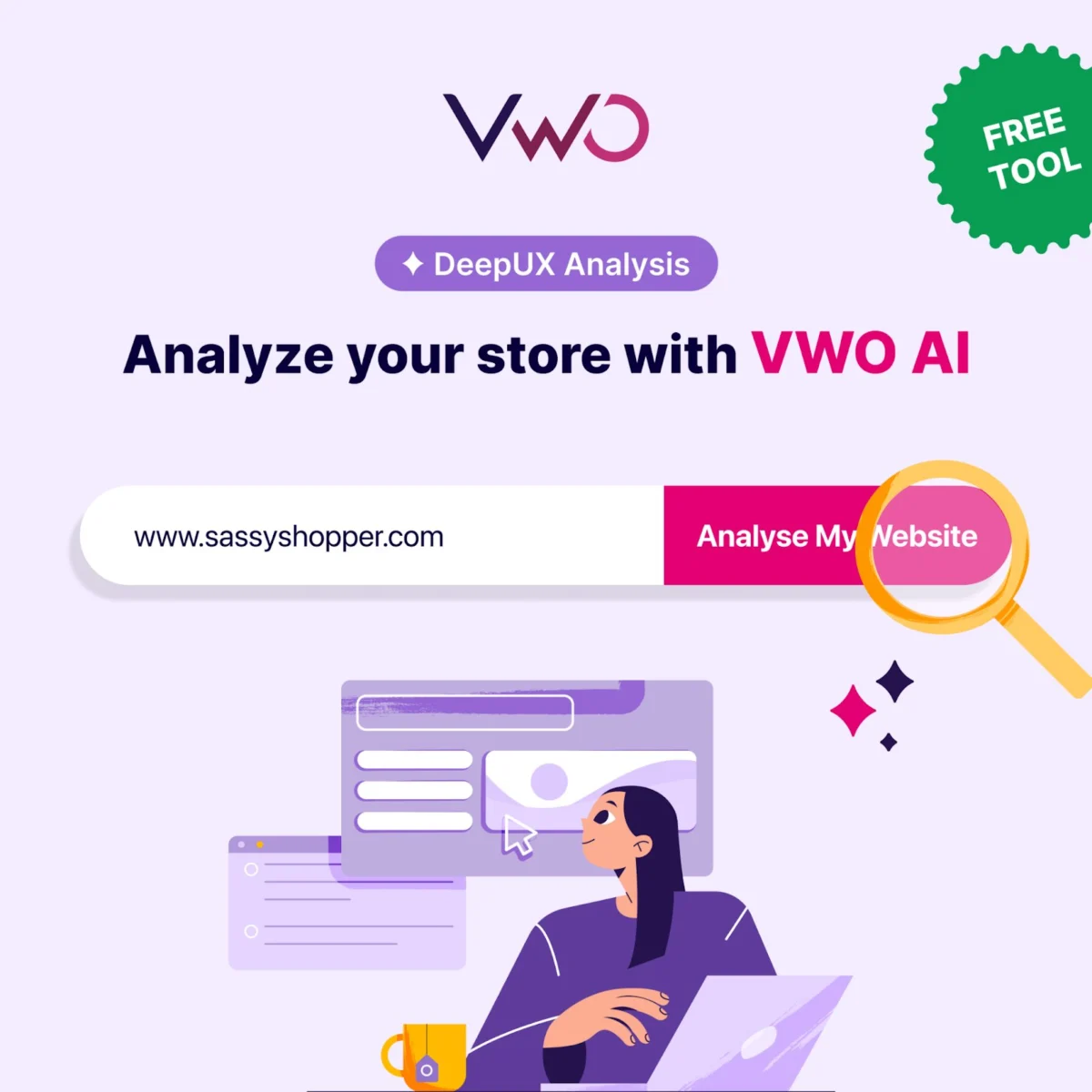
The modern digital marketplace has reached a point of saturation where traditional growth levers, such as aggressive ad spend and high-end product photography, no longer guarantee a return on investment. While eCommerce businesses continue to funnel thousands of dollars into influencer campaigns and pay-per-click advertising, a persistent and costly phenomenon remains: the high rate of cart abandonment and user exit. Industry data suggests that the average cart abandonment rate across all sectors fluctuates between 70% and 75%, representing billions of dollars in lost potential revenue annually. For many retailers, the failure to convert is not a reflection of the product’s quality but a symptom of a fragmented user experience (UX).
Historically, identifying the specific friction points that cause a customer to leave a site has been a labor-intensive, expensive, and often imprecise endeavor. Traditional UX audits typically require the intervention of specialized consultants, weeks of data synthesis, and a significant degree of guesswork. However, the emergence of Artificial Intelligence (AI) in the field of Conversion Rate Optimization (CRO) is fundamentally altering this landscape. AI eCommerce optimization now offers a data-driven, scalable alternative that allows brands to identify experience gaps and implement solutions with unprecedented speed.
The Shift from Manual CRO to AI-Driven Intelligence
The transition from traditional CRO to AI-powered optimization represents a paradigm shift in how digital storefronts are managed. Classic CRO methodologies rely heavily on manual intervention, involving a slow cycle of A/B testing, heat map analysis, and subjective interpretation. This process is often hindered by human bias and the inability to process vast amounts of behavioral data in real-time.
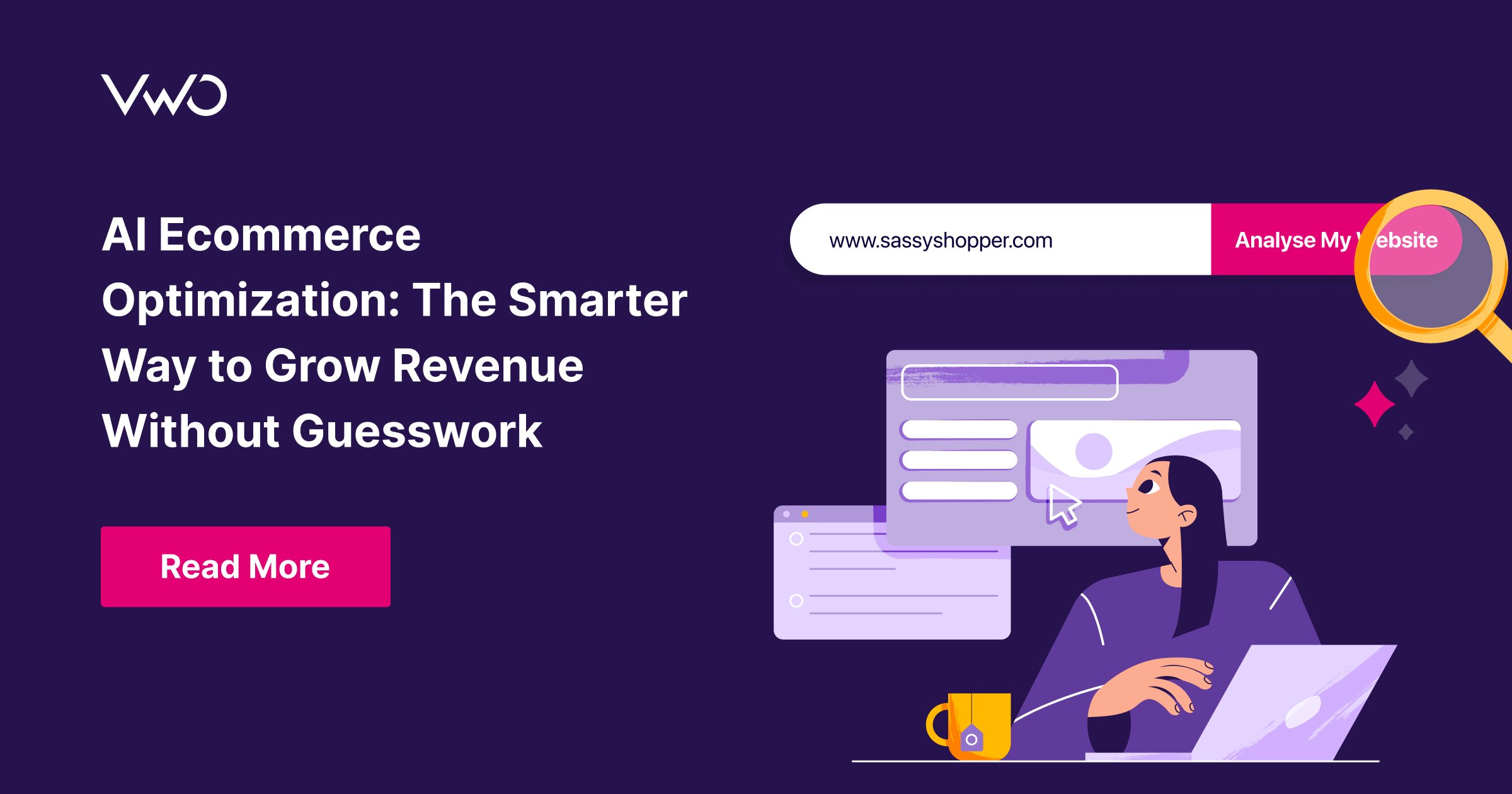
In contrast, AI eCommerce optimization utilizes machine learning algorithms to analyze, identify, and improve website elements that influence consumer behavior. Unlike a human reviewer, AI can simultaneously evaluate thousands of behavioral signals, UX patterns, content performance metrics, and page structures. It identifies subtle trouble spots—such as a micro-interaction that causes frustration on a specific mobile browser—that a human auditor might overlook. This technological leap allows for the generation of data-focused recommendations in minutes rather than weeks.
The practical application of AI in this sector covers a broad spectrum of functions, including automated site auditing, predictive user behavior modeling, and real-time content personalization. By creating a tighter loop between data collection and actionable insights, AI enables eCommerce teams to maintain a trajectory of continuous improvement without the overhead of a massive, full-time optimization department.
A Chronology of UX Auditing: From Intuition to Automation
To understand the impact of AI, one must examine the evolution of website evaluation over the last two decades. In the early era of eCommerce, site design was largely driven by intuition and aesthetic preference. Decisions were made by the "Highest Paid Person’s Opinion" (HiPPO), leading to beautiful but non-functional storefronts.
By the mid-2010s, the industry moved into the era of "Data-Informed Design," where tools like Google Analytics provided a window into what users were doing, though they rarely explained why. This led to the rise of the traditional UX audit. Under this model, a business would hire an agency, engage in a 4-to-6-week discovery phase, and eventually receive a massive PDF report. These reports were often filled with generic best practices and static observations that became obsolete the moment the site’s traffic mix changed or a new product line was launched.

The current era, defined by AI-driven UX intelligence, resolves the static nature of these audits. Modern AI tools provide automated, data-derived intelligence that inspects an individual website’s unique architecture. Instead of pulling from a generalized list of "2019 blog post" tips, AI analyzes the specific interactions of current users, flagging issues unique to that site’s ecosystem and providing targeted recommendations that align with modern consumer expectations.
The Economic Imperative for AI Integration
The surge in AI adoption is driven by escalating competitive pressures. Advertising costs on major platforms like Meta and Google have seen double-digit increases year-over-year, while organic reach continues to dwindle. In this high-stakes environment, the cost of acquiring a customer (CAC) often exceeds the initial profit margin, making the lifetime value (LTV) and conversion efficiency of the site the primary drivers of survival.
Several factors make the case for AI in eCommerce optimization particularly compelling today:
- Objectivity and Bias Removal: Human designers and managers often have personal biases regarding color palettes, layouts, and copy. AI remains objective, focusing strictly on signals like scroll depth, click patterns, and form abandonment to determine what actually works.
- Scalability: For enterprise-level retailers with 50,000 or more product pages, manual auditing is an impossible task. AI scales effortlessly, scanning thousands of URLs without a proportional increase in cost or time.
- Iterative Speed: The ability to move fast is a competitive advantage. AI tools can scan an entire website in the time it takes a human consultant to open a spreadsheet, allowing teams to iterate and deploy changes weekly rather than quarterly.
- Continuous Improvement: Unlike a point-in-time audit, AI-powered tools provide ongoing insights. As traffic sources shift from social media to search or as new devices enter the market, the AI adapts its recommendations to reflect the changing friction points.
Expert Perspectives on the AI-CRO Synergy
Industry experts suggest that the role of the CRO practitioner is evolving from a technical executor to a strategic orchestrator. Anwar, a noted specialist in the field, emphasizes that while traditional CRO relied on "manual depth" and meticulous analysis by senior practitioners, the new era is about "scalable depth."
"AI-CRO, when done right, enables mid-level strategists to achieve senior-level reach," Anwar stated. "It’s no longer about being a technical expert on every platform. It’s about having the right decision mindset and building the right AI workflows to support that mindset."
This sentiment is echoed by Garret Cunningham, who highlights the predictive power of AI in experimentation. By using AI predictors trained on years of historical test data and psychological principles, businesses can now estimate the likelihood of a test’s success before it is even launched. Cunningham notes that this approach helped his team move from assumptions to strategy, effectively doubling their test "win rate" from 20% to over 40%. For example, instead of merely making a search bar more visible, AI data revealed that the real opportunity lay in motivating users to use the search function in the first place—a subtle but vital distinction.
Analyzing Content through the Lens of Conversion
AI’s role in content optimization extends far beyond basic grammar checks or keyword density. It evaluates content based on its psychological impact and its ability to move a user through the sales funnel. Key areas of focus include:
- Product Descriptions: AI assesses whether descriptions answer the fundamental questions a buyer has before committing. It checks for scannability and ensures that benefits are spotlighted for the specific target audience.
- Call-to-Action (CTA) Optimization: The tool evaluates whether labels like "Add to Cart" or "Get Yours Today" resonate better with the current audience, while also checking for visual contrast and "above-the-fold" placement.
- Trust Signals: AI determines if reviews, guarantees, and security badges are placed at the high-friction points of the journey where they are most needed to alleviate buyer anxiety.
- Checkout Flow: AI identifies "micro-friction" in the final steps of the purchase, such as confusing error messages or intuitively titled form fields, which are often the primary causes of last-minute abandonment.
Democratizing Optimization: The VWO AI Initiative
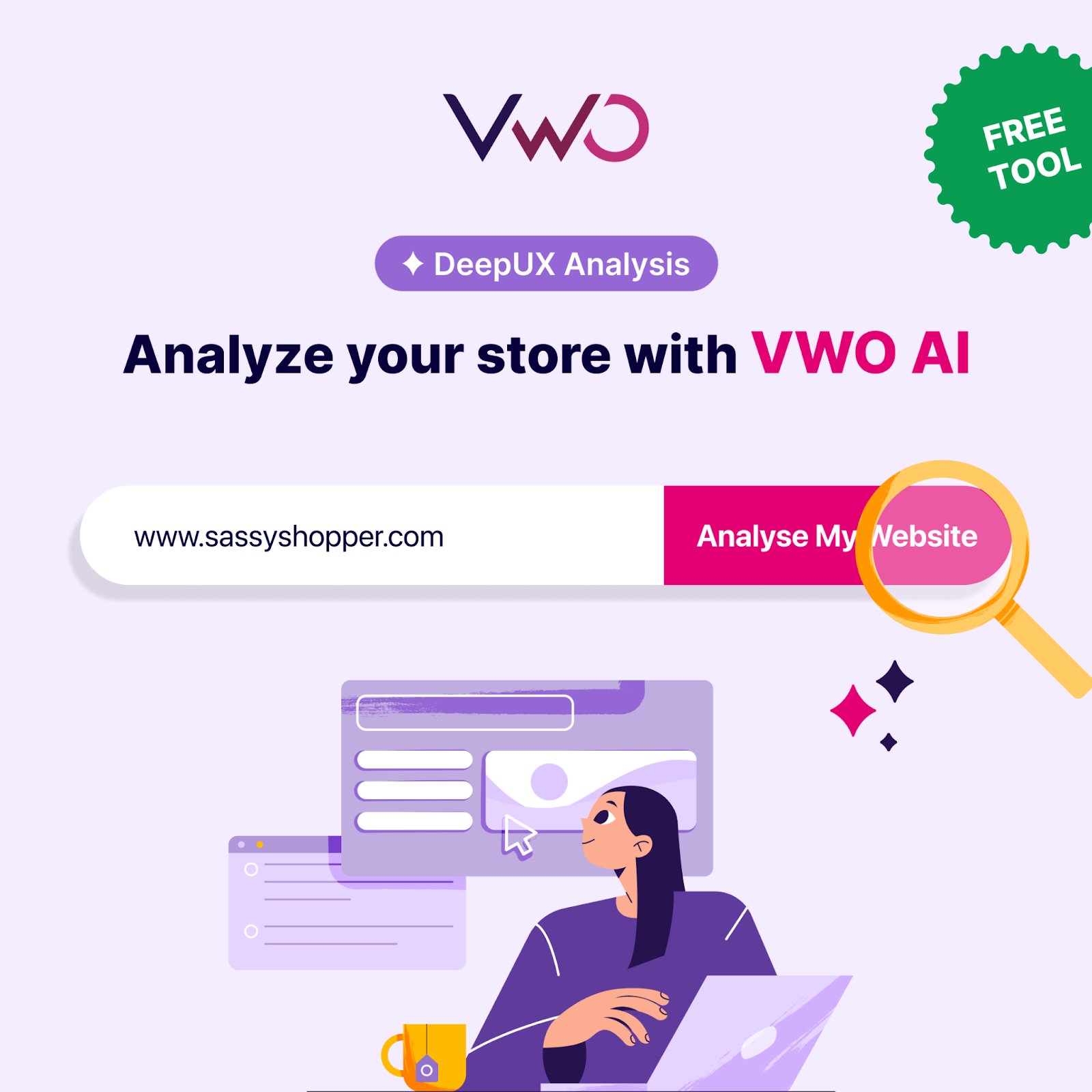
Recognizing that many eCommerce teams lack the resources for six-figure agency retainers or in-house data science teams, VWO has introduced a free AI-powered UX audit tool. This initiative aims to democratize access to high-level optimization intelligence.

The process is designed for accessibility, requiring only three steps:
- URL Submission: A user enters their eCommerce website URL without the need for code installation or lengthy onboarding.
- AI Analysis: The VWO AI engine—the same technology powering some of the world’s most sophisticated experimentation platforms—scans the site for UX gaps and conversion friction.
- Interactive Reporting: The user receives a detailed report via email. To ensure the findings are actionable, the report uses a two-column format that explicitly pairs each identified problem with a clear, data-backed recommendation.
This approach targets a wide range of stakeholders, from Shopify boutique owners struggling with low conversion rates to enterprise marketing managers who feel their current testing programs have hit a plateau.
Broader Implications and the Future of eCommerce
The integration of AI into eCommerce optimization is more than a trend; it is a fundamental shift in the digital economy. As AI becomes more sophisticated, we can expect to see "self-healing" websites that automatically adjust their layouts and copy in real-time based on the individual user’s behavior.
For businesses, the bottom line is clear: the era of guessing why customers leave is over. The transition to AI-driven insights allows brands to stop wasting marketing spend on "leaky" websites and start building experiences that are mathematically optimized for revenue. Whether managing a small WooCommerce catalog or a global enterprise storefront, the principle remains the same: use AI to surface the insights that move the needle, and focus human creativity on the high-level strategy that defines a brand’s future. The gap between market leaders and laggards will increasingly be defined by who can turn data into action the fastest.