
 rifanmuazin
The digital advertising landscape in 2026 is defined by a stark paradox: while accessibility to global audiences has never been greater, the profitability of the most popular platforms is facing unprecedented pressure. According to a comprehensive survey of 1,440 marketing professionals conducted by Instapage, a significant disconnect exists between platform adoption and actual performance. While 87% of marketers continue to utilize Google or Meta Ads as their primary channels, only 44% identify Google as their top-performing platform, and a mere 25% say the same for Facebook. This discrepancy highlights a critical reality in modern digital marketing—the primary challenge is no longer the acquisition of the click, but the management of the user experience that follows it.

As the industry moves through 2026, the economic burden of digital advertising continues to escalate. Data indicates that the average cost per lead (CPL) has risen from $66.69 in 2024 to $70.11 in 2025, with projections suggesting further increases as competition for premium digital real estate intensifies. Simultaneously, consumer patience has reached an all-time low. Research into website speed statistics confirms that a one-second delay in mobile page load times can reduce conversion rates by as much as 20%. For advertisers paying premium prices for high-intent traffic, these technical inefficiencies result in a significant "bounce tax," where expensive clicks evaporate before the brand can even present its value proposition.
The Evolution of the Digital Advertising Hierarchy
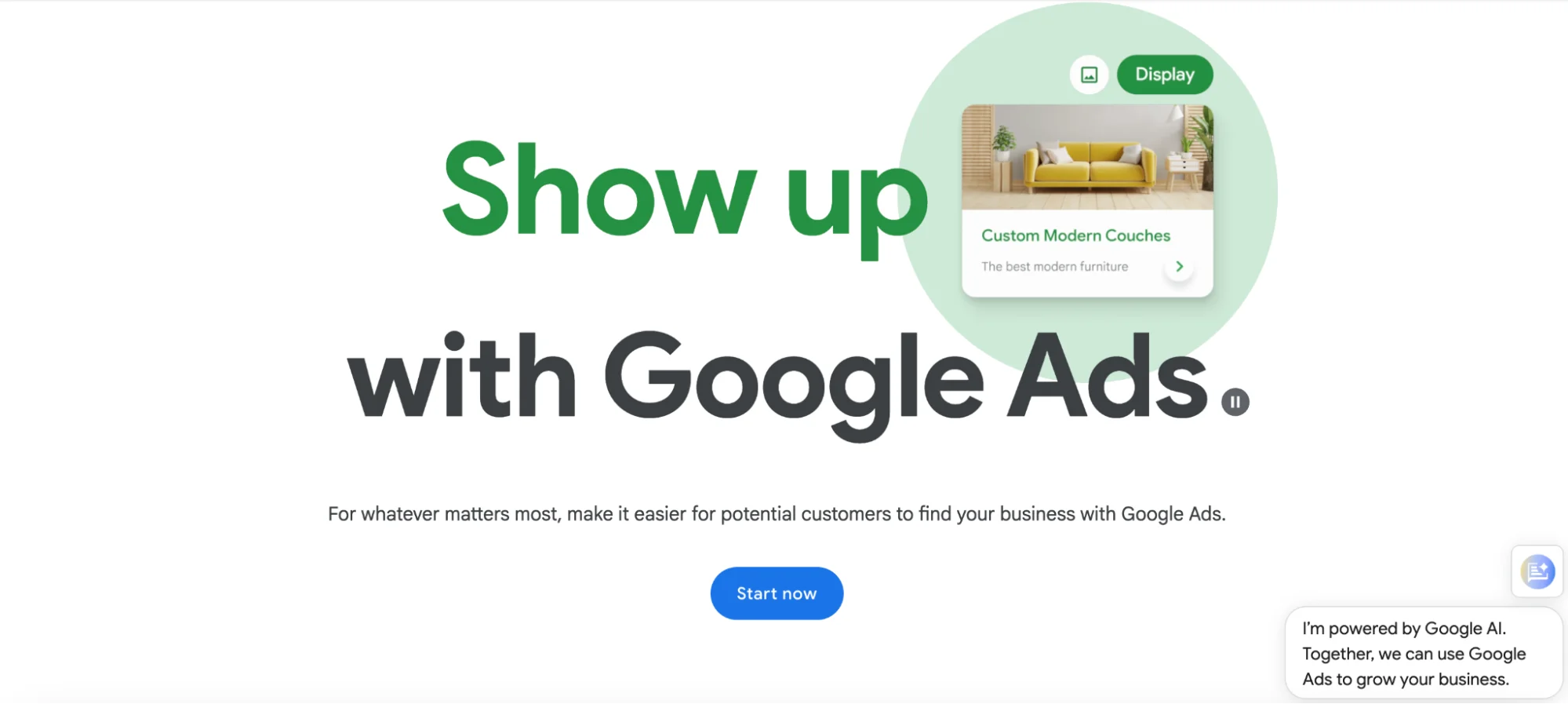
The dominance of the "Big Two"—Google and Meta—remains the foundation for most marketing teams, yet their roles have shifted from experimental playgrounds to high-stakes utility platforms. Google Ads continues to hold over 90% of global search traffic, functioning as the primary engine for capturing high-intent users at the moment of discovery. However, the platform’s reliance on Quality Score means that advertisers are increasingly penalized for relevance mismatches, making the alignment between search keywords and landing page content a financial imperative rather than a best practice.
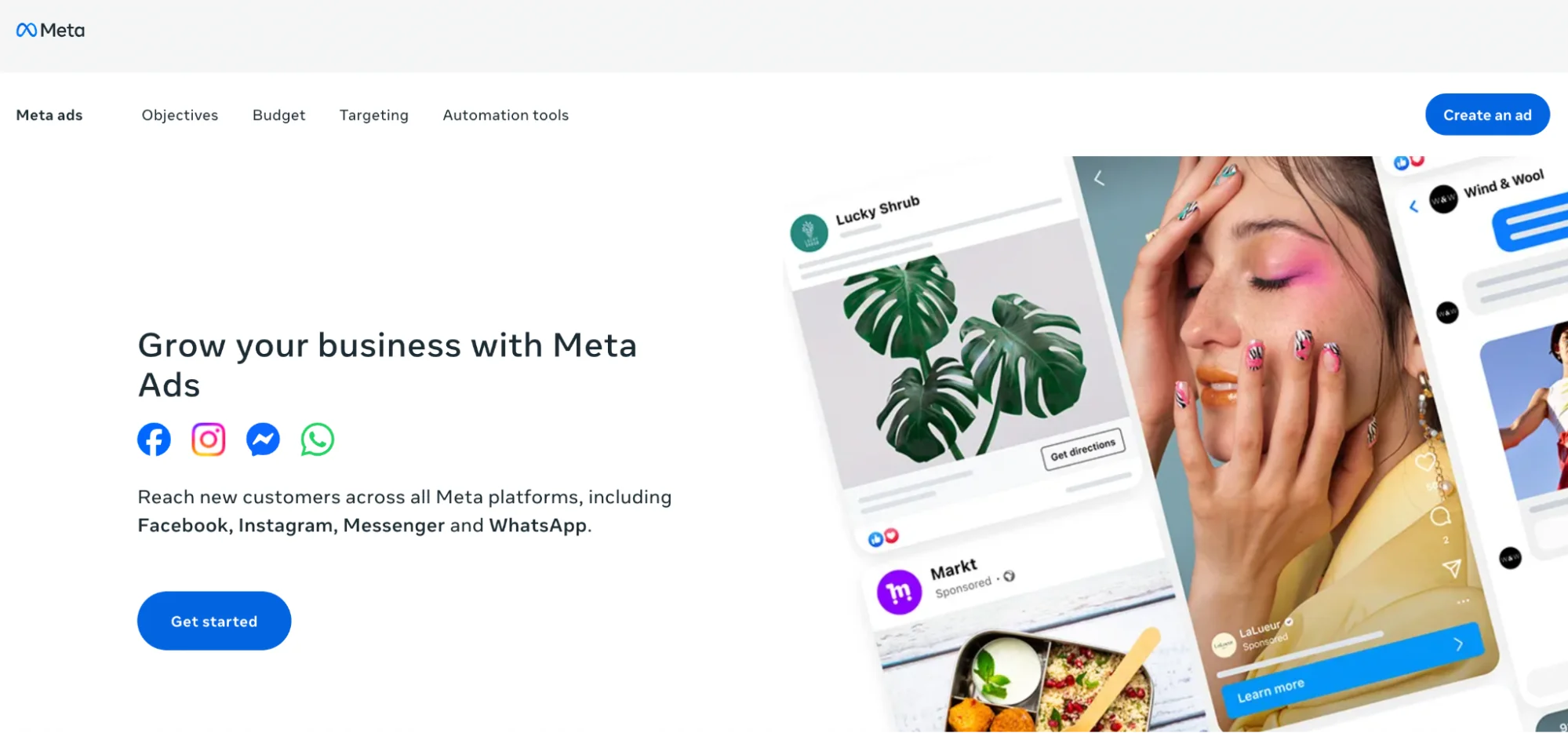
Meta Ads, encompassing Facebook and Instagram, has undergone a forced evolution following the implementation of Apple’s App Tracking Transparency (ATT) and the subsequent shift toward "Advantage+" automation. While 80% of marketers utilize Instagram, the survey reveals that only 9% see it as their highest-performing channel. This suggests that while social platforms are unparalleled for brand discovery and visual storytelling, they often struggle with attribution and direct conversion in a "cookieless" environment.
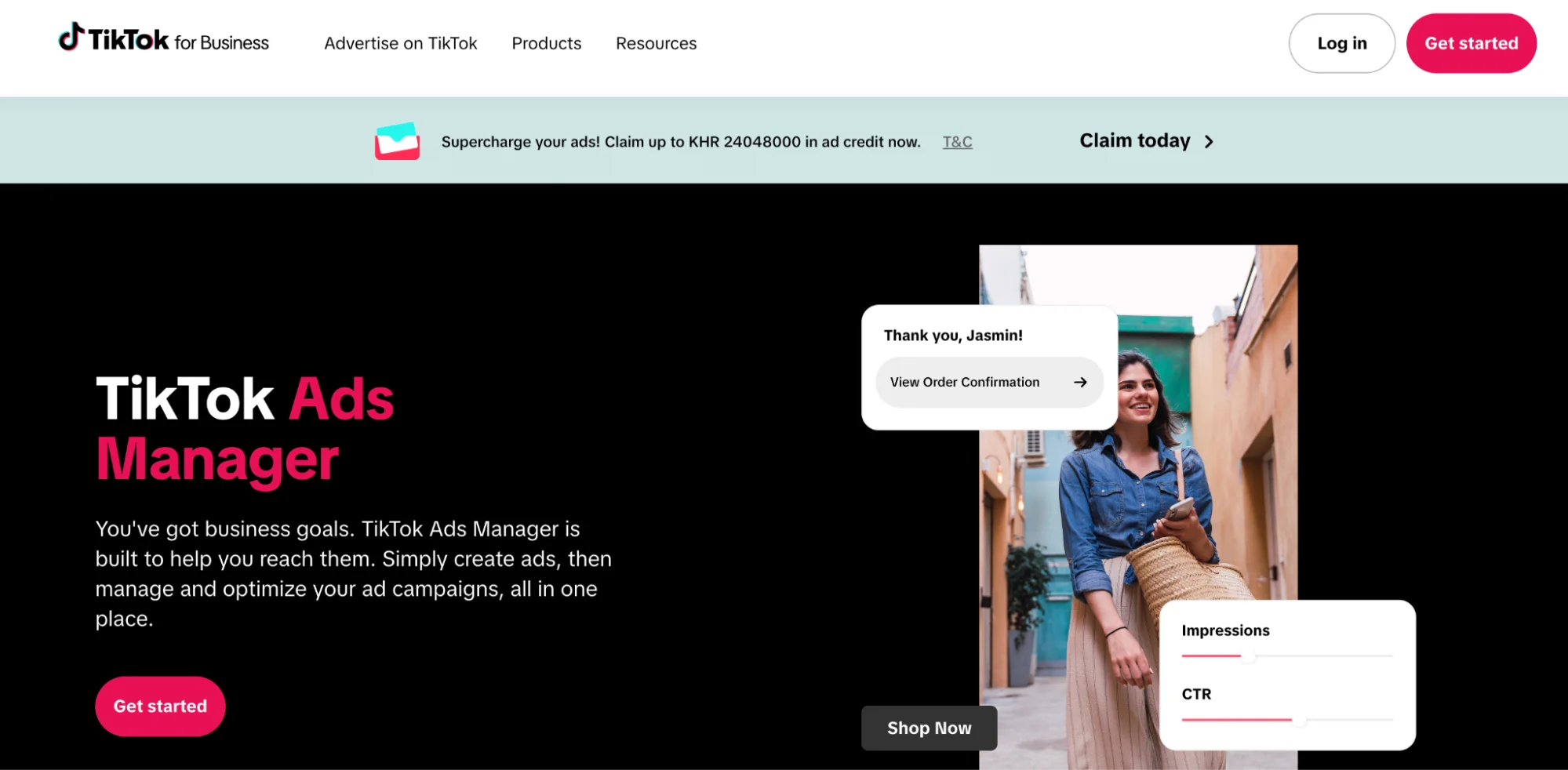
Emerging as the primary challenger to the duopoly is TikTok. The platform has transitioned from a niche short-form video app to a critical advertising pillar, with 25% of marketers reporting plans to adopt or increase spending on TikTok Ads in the immediate future. TikTok’s algorithm, which prioritizes engagement over follower count, offers a unique organic-to-paid pipeline. However, industry analysts note that the platform demands a distinct creative strategy; traditional, highly produced commercials often fail, while native-looking, creator-led content drives the highest Return on Ad Spend (ROAS).
Diversification and the Rise of Alternative Search
As Google’s cost-per-click (CPC) continues to climb, strategic advertisers are diversifying into Microsoft Advertising (formerly Bing). Although Microsoft holds less than 10% of the global search market, it offers a demographic that is often older, more affluent, and primarily desktop-based—ideal for B2B and high-ticket consumer services. Recent market analysis suggests that Microsoft Advertising CPCs can be 30% to 50% lower than Google Ads for identical keywords. The ability to import Google campaigns directly into the Microsoft ecosystem has made it the first point of expansion for budget-conscious performance marketers.
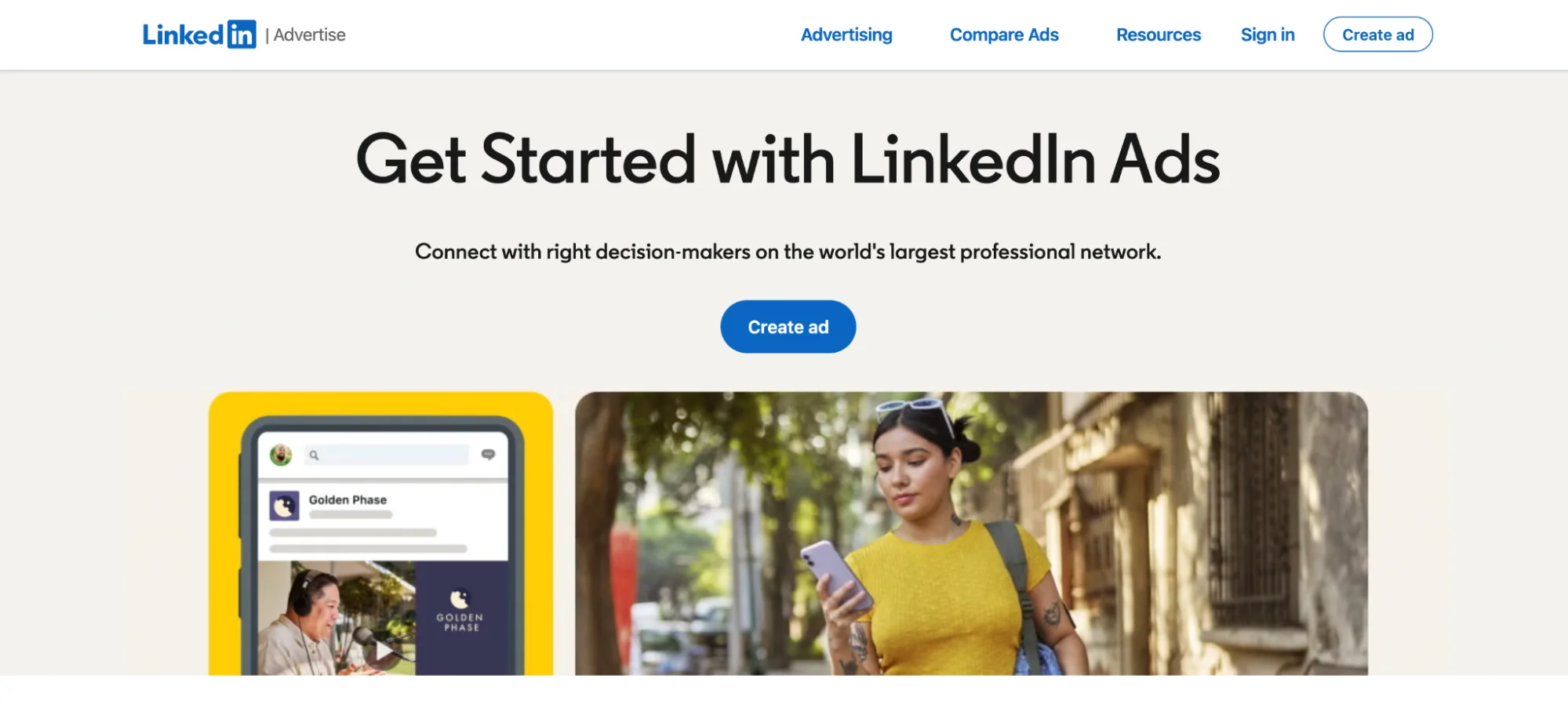
In the B2B sector, LinkedIn Ads remains the undisputed leader for reaching decision-makers. Despite having a higher CPC than almost any other social platform, LinkedIn’s targeting capabilities—based on job title, company size, and industry seniority—allow for a level of precision that offsets the initial cost. For 2026, the trend in B2B advertising has moved toward "Personalization at Scale," where different creative assets are served to different segments of the buying committee (e.g., procurement vs. end-user) within the same organization.
The Retail Media Revolution: Amazon and Beyond
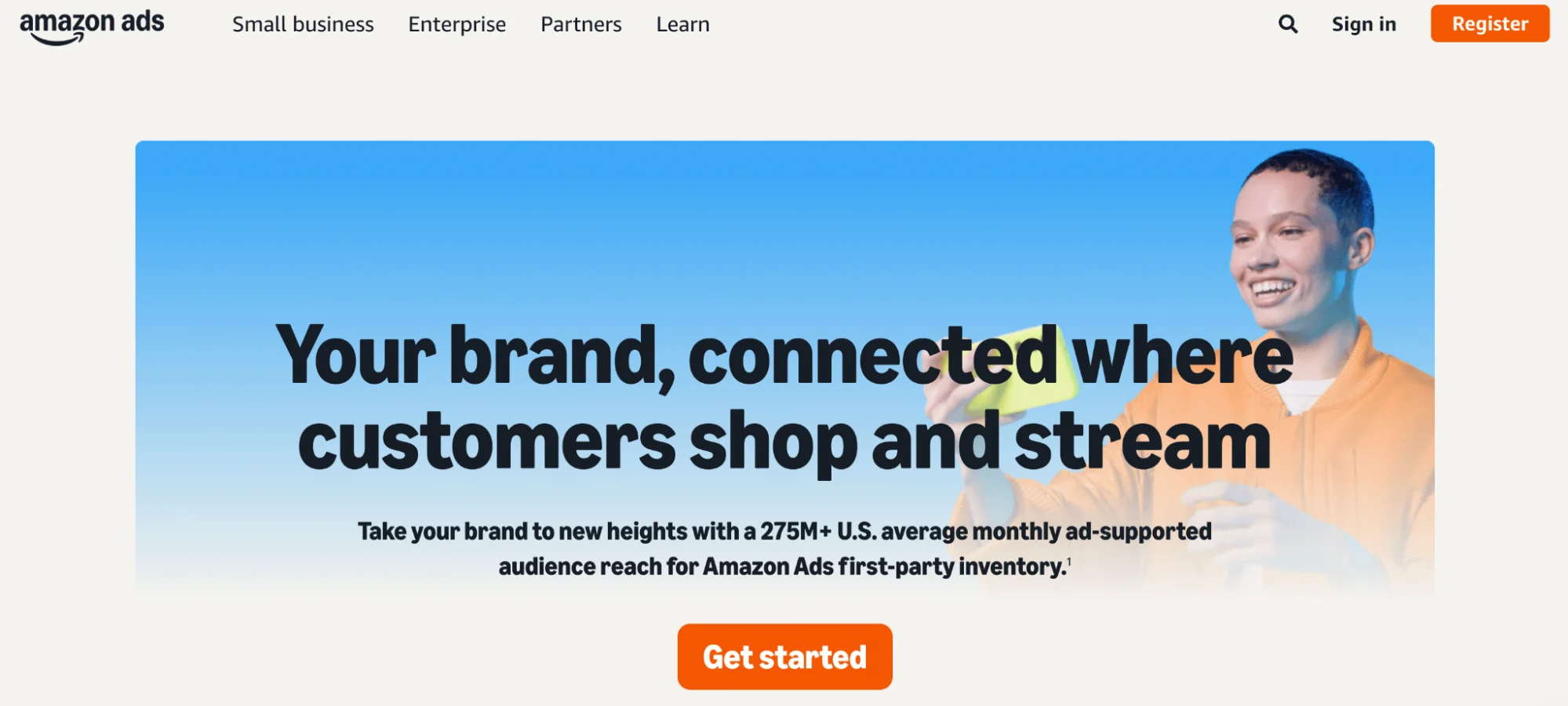
The shift toward "bottom-of-the-funnel" advertising is best exemplified by the explosive growth of Amazon Ads. With shoppers increasingly starting their product searches directly on Amazon rather than on general search engines, the platform has become a vital sales driver. Amazon reports that advertisers typically see a 34% growth in sales within the first four weeks of launching Sponsored Products campaigns.
Beyond Amazon, the "Retail Media" category has expanded to include platforms like Pinterest, which captures users in the "dreaming and planning" phase. For visual industries such as home decor, fashion, and travel, Pinterest Ads provide a unique advantage: a longer content lifespan. Unlike a tweet or a Facebook post, a "Promoted Pin" can continue to generate impressions and clicks for months after the initial spend, providing a trailing ROAS that search ads cannot match.
Privacy, Compliance, and the First-Party Data Mandate
The 2026 advertising environment is defined by a "privacy-first" architecture. With the phased removal of third-party cookies in major browsers and the tightening of global regulations—including GDPR in Europe, CCPA in California, and LGPD in Brazil—the methodology of tracking and targeting has fundamentally changed.
Advertisers are now forced to rely on first-party data. This shift has led to the widespread adoption of:
- Consent Management Platforms (CMPs): Tools that document user permission for data collection to ensure regulatory compliance.
- Server-Side Tracking: Utilizing tools like Google Tag Manager Server-side and Meta’s Conversions API (CAPI) to bypass browser-based tracking limitations.
- Enhanced Lead Magnets: Using content downloads and newsletters to capture email addresses early in the customer journey, creating a proprietary database that is immune to platform algorithm changes.
Failure to adapt to these privacy standards is no longer just a legal risk; it is a performance risk. Without accurate first-party data, ad platform algorithms cannot "learn," leading to inefficient bidding and wasted spend.
The Post-Click Gap: Where ROAS is Won or Lost
Perhaps the most significant finding in the current advertising landscape is that the "Post-Click Experience" is the primary determinant of success. Industry experts argue that while targeting and creative get a user to the door, the landing page closes the deal.
There are four primary factors contributing to what analysts call the "Leaky Funnel":
- Message Mismatch: When the promise of an ad (e.g., "50% Off Blue Widgets") is not immediately reinforced by the landing page headline, users experience cognitive dissonance and bounce.
- Mobile Latency: As mobile traffic accounts for over 60% of web visits, slow-loading pages act as a direct tax on the advertising budget.
- Information Overload: Sending paid traffic to a generic homepage—with multiple navigation links and competing calls to action—dilutes user intent.
- Lack of Social Proof: In an era of skepticism, the absence of immediate, relevant testimonials or trust badges on the landing page can stall a conversion.
To combat these issues, enterprise-level advertisers are increasingly utilizing tools like Instapage’s AdMap® to visually map every individual ad to a specific, dedicated landing page. This ensures "Message Match" across thousands of campaign permutations. Furthermore, the use of A/B testing and experimentation has moved from an occasional project to a continuous discipline. By testing headlines, layouts, and CTAs against live traffic, brands can identify the incremental changes that lead to a 10% or 20% lift in ROAS without increasing their ad spend.
Decision Framework for 2026 Platform Selection
Choosing the right platform mix requires a rigorous assessment of goals and resources. For high-intent leads, the consensus remains focused on Google Ads and Amazon Ads. For brand awareness and discovery, Meta and TikTok offer the greatest scale. However, the most successful marketers in 2026 are those who follow a "Focus and Expand" strategy.
The recommended framework involves:
- Validating the Funnel: Starting with a single high-intent platform (like Google Search) to ensure the landing page and offer convert at a baseline rate.
- Implementing Unified Tracking: Ensuring that conversion data is being fed back into the platform’s AI to optimize bidding.
- Scaling via Diversification: Only after a platform is profitable should a brand expand into secondary channels like Microsoft or Pinterest.
- Optimizing the Post-Click: Continuously using personalization to serve different experiences to different audience segments (e.g., showing different social proof to a small business owner versus a corporate executive).
Conclusion and Industry Outlook
As we look toward the remainder of 2026 and into 2027, the digital advertising industry is moving toward a model of "Total Conversion Management." The era of "set it and forget it" advertising is over. The rising costs of media, coupled with the technical challenges of privacy and page speed, have made efficiency the ultimate competitive advantage.
The brands that will thrive are those that view their advertising not as a series of disconnected clicks, but as a holistic journey. By aligning high-intent targeting with lightning-fast, personalized landing pages, marketers can bridge the gap between platform popularity and actual profitability. In a world where every second costs 20% of your conversions, the winners will be those who master the seconds after the click.








