Siti Muinah
As the anticipation builds for Super Bowl LXI, scheduled to kick off in early 2027, a familiar pattern is emerging: a robust lineup of established brands and intriguing newcomers vying for the attention of millions of viewers. Early announcements and strategic maneuvers reveal a landscape shaped by a desire for proven ROI, innovative approaches, and a keen awareness of consumer sentiment. From returning heavyweights like Instacart and Ritz to debutants like Waymo, the advertising playbook for the biggest night in American sports is already taking shape, signaling a significant investment in reaching a massive, engaged audience.
A Tradition of High Stakes and High Rewards
The Super Bowl has long transcended its status as a mere sporting event, evolving into a cultural phenomenon and, crucially, a premier advertising stage. For decades, brands have recognized the unparalleled reach and engagement that a Super Bowl commercial offers. The game consistently draws one of the largest television audiences of the year, creating a unique opportunity for advertisers to connect with consumers on a massive scale. This concentrated viewership, often gathered in social settings, amplifies the impact of commercials, turning them into water-cooler topics and driving immediate brand recall and engagement.
The financial commitment associated with Super Bowl advertising is substantial, with 30-second ad slots reportedly commanding prices well into the tens of millions of dollars. However, for many brands, the potential return on investment, measured in brand awareness, consumer traffic, and ultimately sales, justifies the significant expenditure. The Super Bowl advertising race is not just about purchasing airtime; it’s about crafting compelling narratives, leveraging celebrity endorsements, and deploying creative strategies that resonate with a diverse demographic.
Key Players and Their Strategic Approaches for Super Bowl 2027
Instacart’s Third Consecutive Play for the Big Game
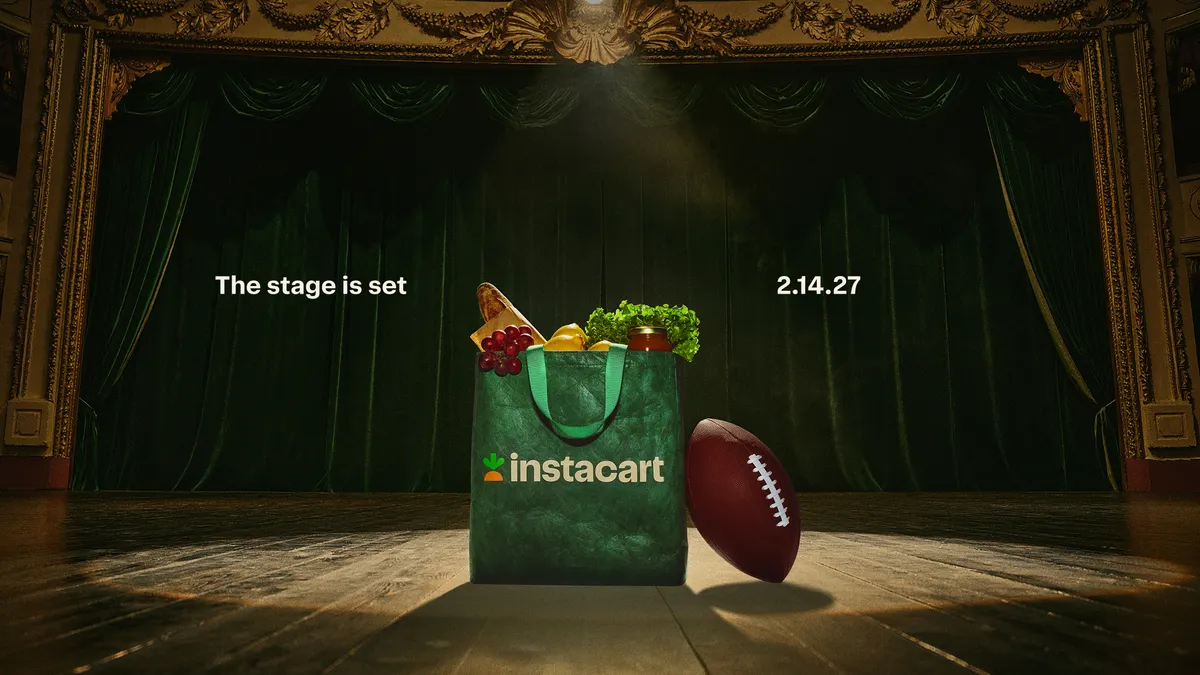
Instacart, the rapidly growing online grocery platform, has confirmed its return to the Super Bowl for a third consecutive year. This sustained commitment underscores the brand’s positive experience with its previous Super Bowl campaigns. The company’s in-house creative agency, Local Produce, will spearhead the effort, with McCann returning for a second year to provide support.
Instacart’s 2026 Super Bowl advertisement, titled "Bananas," featured actor Ben Stiller and musician Benson Boone in a humorous narrative centered around a fictional Euro-pop duo, Benissimo. The campaign was reportedly a significant success, driving an impressive eight-point spike in new user traffic immediately following its airing. Furthermore, the creative excellence of the "Bananas" spot was recognized with three prestigious Cannes Lions awards, highlighting its impact beyond just viewership numbers.
Laura Jones, Instacart’s CMO, articulated the brand’s strategic rationale: "We went from zero to Super Bowl in four years, and since then, our big bets have continued to pay off for the business." This statement reflects a data-driven approach, where significant advertising investments are closely monitored for their tangible business outcomes. The continued partnership with established agencies like McCann suggests a focus on leveraging proven creative talent to maintain momentum and build upon past successes. Instacart’s strategy appears to be one of consistent presence and impactful storytelling, aiming to embed the convenience and ubiquity of its service into the minds of consumers during a high-visibility event.
Ritz: A Fresh Creative Direction and Familiar Territory
Mondelēz International’s iconic cracker brand, Ritz, is also set to grace the Super Bowl stage for its third consecutive year. The upcoming 30-second spot, scheduled to air in the second quarter, will introduce a "fresh creative direction" for the brand, as detailed in information shared with Marketing Dive. Developed by the agency 72andSunny and produced by Publicis Production, the commercial aims to leverage humor to highlight two key product lines: Ritz Bitz Cracker Sandwiches and Ritz Drizzled Minis Crackers.
Ritz’s strategy emphasizes evolution and relevance. By introducing a new creative approach, the brand signals a commitment to keeping its messaging dynamic and engaging for a contemporary audience. The focus on specific product lines suggests a targeted marketing effort, aiming to drive awareness and trial for these particular offerings. The use of humor, a common and effective Super Bowl advertising trope, is expected to make the brand’s message memorable and shareable. This approach aligns with the broader trend of brands using the Super Bowl to reinforce brand identity while also promoting specific product innovations or extensions.
Svedka’s Consumer-Centric Pivot for its Second Appearance
Sazerac’s Svedka Vodka is making its second Super Bowl appearance, opting for a unique and consumer-driven advertising strategy. Following its debut in the 2026 game, the brand is now inviting consumers to create its next Super Bowl commercial. The initiative centers around its new ready-to-drink Vodka Water cocktail offering, with participants submitting 15-second ad concepts.
This pivot marks a significant departure from Svedka’s 2026 ad, which faced controversy for its use of AI to animate its fembot mascot. The brand’s decision to engage consumers directly could be a strategic move to counter negative sentiment, foster a sense of community, and generate organic buzz. The contest offers a substantial $500,000 prize to the winner, incentivizing creative participation. To launch the contest, Svedka has partnered with television personality Andy Cohen, who will also play a role in evaluating submissions. This collaboration brings a familiar face and a degree of celebrity endorsement to the campaign, while also potentially tapping into Cohen’s established audience. Svedka’s approach represents a bold experiment in crowdsourced advertising, aiming to generate authentic content and connect with consumers on a more personal level.
Ferrero’s Confectionary Powerhouse: Nutella and Kinder Bueno Debut and Return
The confectionery giant Ferrero is making a significant splash in the Super Bowl 2027 advertising arena with dual appearances. Nutella, the beloved hazelnut and cocoa spread, will make its Super Bowl debut, while its sister brand, Kinder Bueno, which first advertised during the 2026 game, will return for a second year.
This dual presence is supported by Ferrero’s substantial commitment to sports marketing, with an announcement revealing an investment exceeding $50 million across its portfolio. This represents the confectionary company’s largest individual marketing investment to date, underscoring the strategic importance of the Super Bowl in its growth plans. Kinder Bueno’s return is particularly notable, following a successful debut that reportedly drove a 140% lift in volume sales compared to the previous year. This demonstrates the tangible impact of Super Bowl advertising on product performance. Nutella’s debut, coupled with Kinder Bueno’s repeat appearance, signals Ferrero’s intent to leverage the Super Bowl’s massive reach to bolster brand awareness and drive sales for its key confectionery offerings.
Waymo: Entering the Arena with a Strategic Review
Waymo, Google parent Alphabet’s autonomous vehicle technology company, is reportedly strategizing for its debut Super Bowl appearance. According to Ad Age, the company is currently conducting a creative review for its first national ad campaign. This move comes shortly after Waymo named WPP as its media agency of record for North America, Europe, the Middle East, and Africa, indicating a significant investment in expanding its brand visibility.
Waymo’s entry into the Super Bowl advertising landscape is particularly noteworthy. As a pioneer in the autonomous driving sector, the company faces the challenge of educating the public and building trust in its technology. A Super Bowl debut offers an unparalleled platform to introduce its services to a broad audience, potentially accelerating consumer adoption and addressing any lingering public apprehension about self-driving vehicles. The brand’s decision to conduct a thorough creative review suggests a meticulous approach to developing a message that is both informative and compelling, aiming to make a strong first impression on a national scale.
Cutwater: Building on Momentum with a Second Super Bowl Run
Cutwater, the spirits-based cocktail brand owned by Anheuser-Busch InBev, is returning to the Super Bowl for a second consecutive year with a national ad. This decision is driven by the brand’s ambition to sustain its impressive growth trajectory. According to Circana data cited in a company announcement, Cutwater is currently the fastest-growing brand in the total U.S. beverage alcohol industry.
The brand’s first Super Bowl appearance in 2022 featured a 30-second spot titled "Here’s to the Lazy Ones," which celebrated individuals who embraced shortcuts. This campaign likely contributed to the brand’s subsequent growth. Cutwater’s return to the Super Bowl signifies a strategic effort to capitalize on its current momentum and further solidify its market position. The Super Bowl provides a prime opportunity to reach a wide consumer base, reinforce brand messaging, and potentially attract new customers to its range of ready-to-drink cocktails.
The Evolving Advertising Landscape and Consumer Expectations
The Super Bowl advertising landscape in 2027 is shaped by several key trends. Firstly, there’s a clear emphasis on proven ROI. Brands like Instacart and Kinder Bueno are returning because their previous Super Bowl campaigns demonstrably delivered business results. This data-driven approach is becoming increasingly critical in justifying significant advertising expenditures.
Secondly, creative innovation remains paramount. While humor continues to be a dominant theme, brands are exploring diverse strategies. Svedka’s pivot to a consumer-generated campaign, and Ritz’s introduction of a "fresh creative direction," highlight a desire to break through the clutter and connect with audiences in new ways. The controversy surrounding Svedka’s AI-driven ad also serves as a cautionary tale, underscoring the importance of aligning creative choices with public sentiment and ethical considerations.
Thirdly, brand purpose and social responsibility are gaining traction. While not explicitly detailed in these early announcements, an increasing number of Super Bowl advertisers are seeking to weave elements of their brand’s values or social impact into their commercials. Consumers are more attuned than ever to the messages brands convey, and a Super Bowl ad offers a powerful platform to showcase positive brand attributes.
Finally, the integration of digital and traditional media is becoming more sophisticated. Brands are no longer solely focused on the television spot itself. The campaigns are often designed to extend across digital platforms, social media, and other channels, encouraging viewer engagement before, during, and after the game. This integrated approach maximizes the reach and impact of the Super Bowl investment.
The Super Bowl LXI advertising season promises to be a dynamic showcase of brand strategy, creative ambition, and a deep understanding of the American consumer. As the game draws closer, further announcements will undoubtedly reveal more about the narratives, celebrities, and innovative approaches that will define this year’s high-stakes advertising battleground.

 Ali Ikhwan
 Basiran