Evan Lee Salim
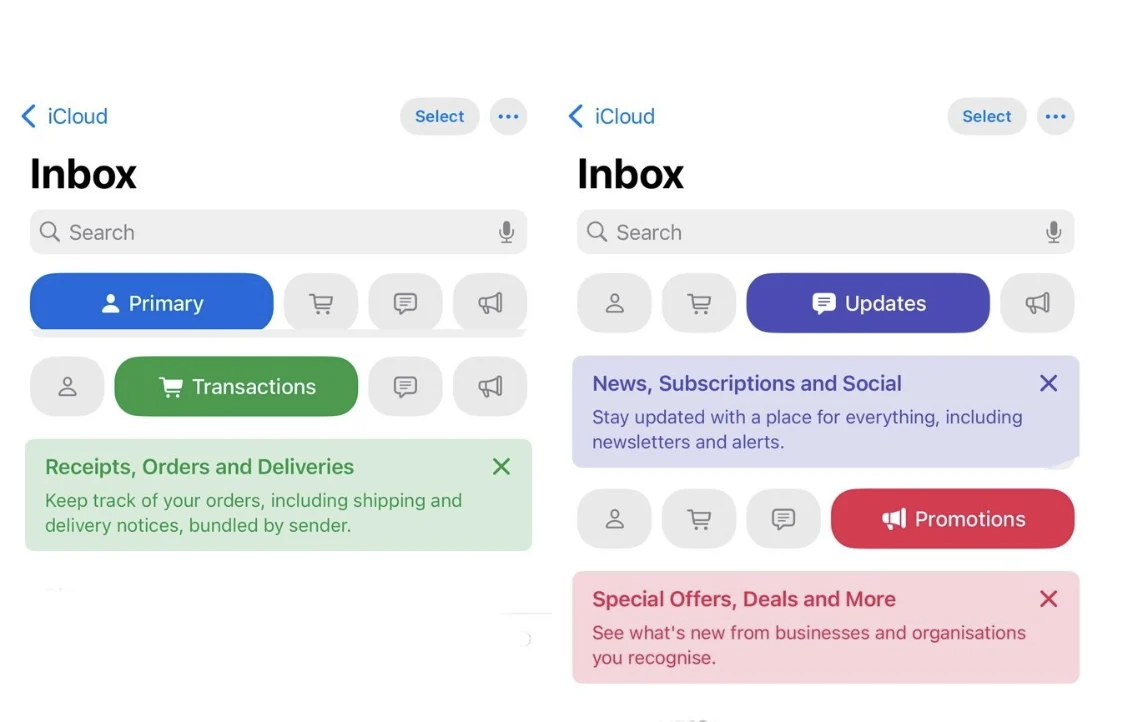
The landscape of email marketing has undergone a profound transformation, moving beyond the traditional sender-recipient dynamic into a sophisticated, AI-mediated environment. Artificial intelligence, once primarily a tool for marketers to automate content creation, has now embedded itself as a critical third party within every digital inbox, fundamentally altering how messages are perceived, summarized, surfaced, or even skipped before a subscriber ever consciously engages with them. Major mailbox providers (MBPs) such as Apple Mail, Gmail, Yahoo, and Outlook have integrated advanced AI features, reshaping the initial interaction points for millions of email users worldwide. This shift demands a strategic re-evaluation from brands, as direct control over the first impression in the inbox has diminished, replaced by an imperative to influence AI’s interpretation.
A recent study highlights the extent of this change, revealing that a significant 55 percent of consumers now make purchase decisions based solely on an AI-generated email summary. This statistic underscores the immense power wielded by these algorithms. While MBPs assert their goal is to enhance user experience, streamline information, and foster deeper engagement with their platforms, the practical implication for senders is a complex new layer of optimization. The non-deterministic nature of Large Language Models (LLMs) means that the same email can yield different summaries upon successive processing, introducing an element of unpredictability that challenges traditional branding and messaging strategies. Marketers can no longer merely craft a compelling subject line and preheader; they must now design their entire message with an AI audience in mind, ensuring its core value proposition is consistently and accurately conveyed through algorithmic interpretation.
The Genesis of AI in the Inbox: A Response to Information Overload

The integration of AI into email clients is a logical evolution driven by the exponential growth of digital communication and the persistent challenge of information overload. For years, email users have grappled with overflowing inboxes, leading to decreased engagement and increased frustration. Mailbox providers recognized the need for intelligent solutions to help users manage this deluge, moving beyond basic spam filters and folder categorization. The rapid advancements in machine learning, particularly in natural language processing (NLP) and LLMs, provided the perfect toolkit for this next generation of inbox management.
Historically, email clients evolved from simple chronological displays to incorporating features like tabbed inboxes (Gmail’s Promotions, Social, Primary tabs), focused inboxes (Outlook), and basic smart replies. However, these were largely rule-based or relied on simple heuristics. The current wave of AI integration is far more sophisticated, leveraging advanced algorithms to understand the semantic content of emails, identify key action items, summarize complex messages, and even anticipate user needs. This technological leap serves the dual purpose of enhancing user satisfaction and maintaining the relevance of email as a primary communication channel in an era dominated by instant messaging and social media. By making inboxes "more useful" and keeping people "coming back," MBPs aim to solidify their position in the digital ecosystem.
Mailbox Provider Deep Dive: How AI is Redefining Engagement
Each major mailbox provider has implemented AI features with distinct approaches, leading to varied impacts on sender metrics and requiring tailored adaptation strategies.
Gmail’s AI Overviews and Intelligent Inbox Prioritization
Gmail, a dominant player in the email market, has integrated AI in ways that subtly yet significantly alter the user journey. While initial open rate metrics often remain largely intact, as summaries typically appear after an email is opened or within search results, the subsequent engagement metrics are profoundly affected.
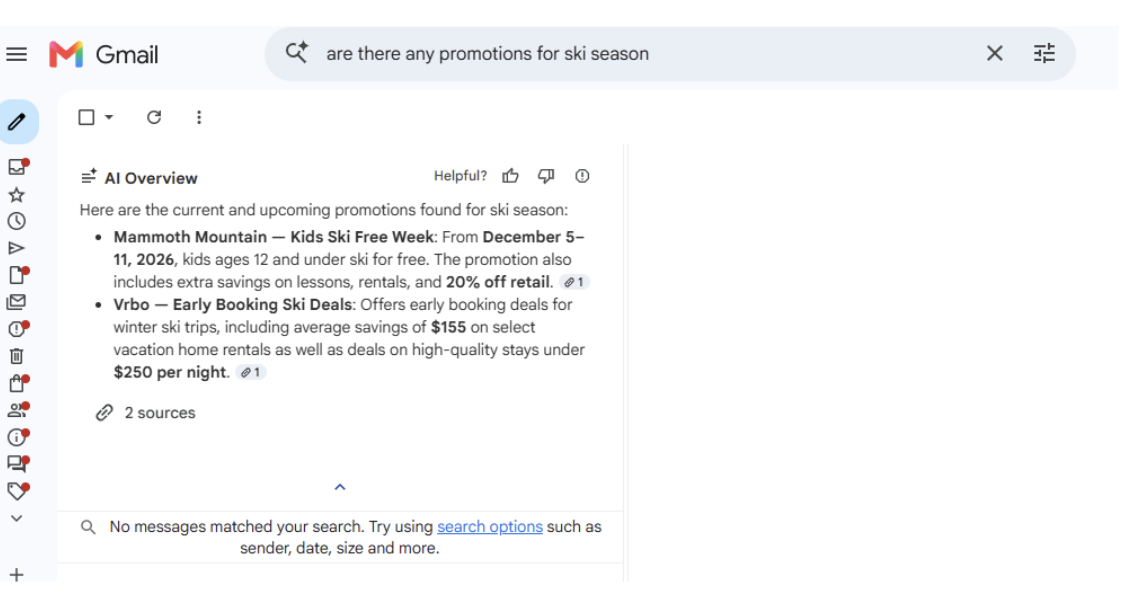
- What Subscribers See: Gmail’s AI Overviews in search can answer specific user queries (e.g., "Are there any promotions for ski season?") by extracting information directly from emails, potentially negating the need for an open. Within the inbox, AI-powered summaries provide a quick gist of the email content, reducing the incentive for subscribers to scroll through the full message or click internal links if their core question is answered. Furthermore, AI Inbox features prioritize information based on signals like frequent contacts and contact lists, often favoring personal connections over brand communications, which can push marketing emails lower in the "Most Relevant" ordering.
- Changes in Signals: The primary impact is on click-through rates (CTRs) and time spent engaging with the email content. If a subscriber gains sufficient information from an AI summary, the likelihood of deeper interaction decreases. Gmail’s continued emphasis on engagement as a driver for visibility means that senders mailing to unengaged audiences will see lower placement, further exacerbating the challenge. The "Most Relevant" sorting algorithm, refined by AI, actively deprioritizes senders who fail to elicit meaningful interaction.
- Adaptation Strategies for Senders: Marketers must prioritize clarity and conciseness, ensuring the primary call to action and value proposition are immediately evident and AI-extractable. Optimizing content for potential AI Overviews in search requires using clear keywords and structured information. Fostering high engagement is paramount; this means segmenting audiences more precisely, personalizing content, and actively cleaning unengaged subscribers to improve overall engagement rates, thereby signaling to Gmail’s AI that the brand’s emails are valuable.
Apple Mail’s Proactive Summarization and Categorization
Apple Mail, particularly with the expansion of Apple Intelligence to 16 languages in late 2025 (as per the source’s implied timeline), presents perhaps the most direct impact on email open rates and initial impressions. Its summarized and categorized inbox has become the default for many Apple Mail users on supported devices.
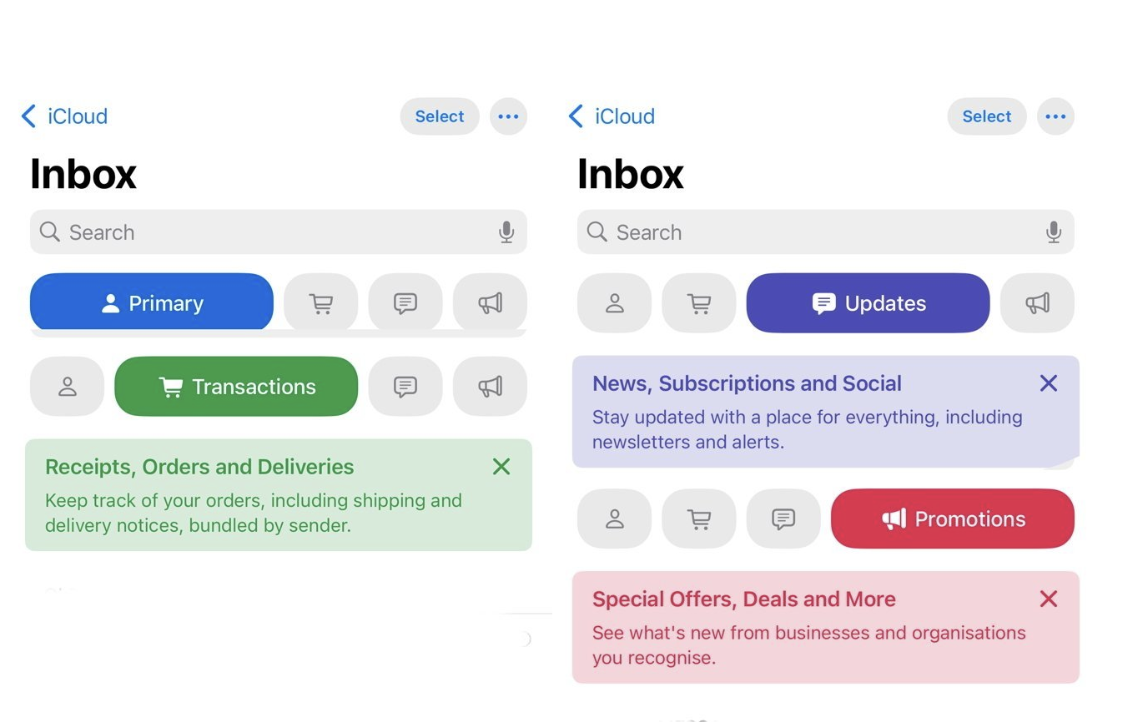
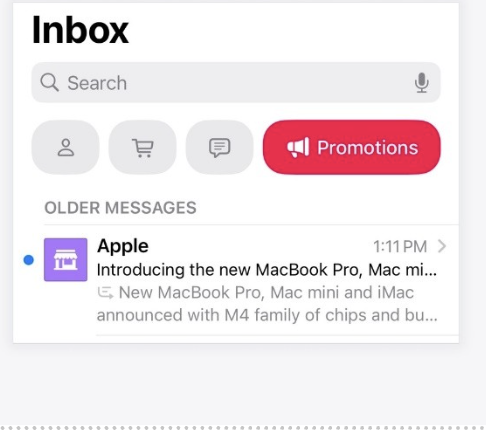
- What Subscribers See: Apple’s AI-generated summary now occupies the prominent space traditionally reserved for the sender’s preheader text. This means subscribers often decide whether to open an email based on Apple’s algorithmic description rather than the marketer’s carefully crafted message. Emails are also proactively categorized (e.g., Primary, Promotions), influencing notifications and visibility.
- Changes in Signals: The direct replacement of preheader text by AI summaries directly impacts the decision to open, making open rates, already complicated by Mail Privacy Protection (MPP), even less reliable as a true engagement metric. MPP already masks actual opens by pre-loading pixels, and AI summaries further obscure the human decision-making process. Consequently, category placement becomes a critical deliverability metric. Emails sorted into "Promotions" might not trigger notifications, significantly reducing their chance of being seen compared to those in "Primary."
- Adaptation Strategies for Senders: Content must be designed for AI interpretation, with clear, unambiguous language that guides the AI towards an accurate and appealing summary. Marketers need to understand and influence categorization algorithms, often by avoiding overly promotional language in critical header elements and ensuring content aligns with what a "primary" message might contain. Focusing on metrics beyond opens, such as click-throughs and conversions, is essential, given the unreliability of Apple Mail open rates. Personalization and building strong sender-subscriber relationships are crucial to encourage subscribers to move emails to their primary inbox.
Outlook’s On-Demand AI and B2B Implications
Outlook’s AI features, particularly those integrated with Microsoft 365 Copilot, are largely on-demand and predominantly target business users, making them especially relevant for B2B senders.
- What Subscribers See: Outlook’s AI offers on-demand summaries of long email threads, assists in drafting replies, and helps users prioritize messages. These functions are typically requested after an email has been opened. However, Copilot’s broader capabilities allow users to ask inbox-wide questions, such as "What are the latest updates from [Company X]?" and receive synthesized answers drawn from emails without opening any specific message.
- Changes in Signals: Since summaries are often requested post-open, their direct impact on open rates is minimal. The more significant shift lies in the potential for buyers to extract information from multiple emails through Copilot without direct engagement with individual messages. This affects deeper engagement metrics, as well as the overall value perceived from opening an email. Copilot’s ability to rank priority also means that emails lacking a clear, concise purpose are likely candidates for lower placement, reducing their chances of being acted upon.
- Adaptation Strategies for Senders: For B2B marketers, optimizing for clear, scannable content that explicitly states its purpose and key takeaways is vital. Emails should be structured so that Copilot can easily extract critical information, such as product updates, meeting details, or actionable insights. Ensuring brand messaging is consistent and easily retrievable across multiple communications will support Copilot’s ability to provide comprehensive answers. Prioritizing value and relevance in every send reinforces the perception of importance to both human and AI recipients.
Yahoo Mail’s Default AI Summaries and Proactive Management
Yahoo Mail has implemented some of the most visible and impactful AI features, giving algorithms significant control over what subscribers see first.
- What Subscribers See: In the new Yahoo Mail, AI summaries are often on by default. Crucially, Yahoo’s AI can outright replace the sender’s subject line with its own summary, directly altering the first impression. Features like "Catch Up" consolidate key information from unread emails, allowing users to make keep-or-delete decisions based purely on these summaries. Additionally, one-tap delete options by sender make it easy for an over-mailed or disengaged subscriber to remove all past and future emails from a specific brand.
- Changes in Signals: The potential for subject line replacement represents a fundamental loss of direct control over the initial hook, profoundly impacting open rates. The "Catch Up" feature means that engagement decisions are made from AI-generated summaries, bypassing the email content entirely. The one-tap delete option increases the risk of rapid list attrition, making list hygiene and precise segmentation more critical than ever to avoid being marked as irrelevant.
- Adaptation Strategies for Senders: Marketers must focus on crafting highly relevant and concise content that is resistant to misinterpretation by AI. The email body must contain compelling calls to action and value propositions that influence the AI’s summary positively. Segmenting email lists aggressively to ensure every send is hyper-targeted and valued by the recipient is essential to prevent mass deletions. Building a strong sender reputation and consistently delivering high-quality content are paramount to staying off the one-tap delete list.
The Shifting Landscape of Email Analytics and ROI
The pervasive integration of AI across major mailbox providers means that traditional email marketing metrics are becoming increasingly unreliable or, at best, incomplete indicators of campaign performance. Open rates, once a cornerstone metric, are now heavily influenced by AI summaries (Apple, Yahoo) or obscured by privacy features (Apple MPP). Click-through rates can suffer if AI summaries provide sufficient information, negating the need for further interaction.
This paradigm shift necessitates a move towards more sophisticated analytics. Marketers need to focus on deeper engagement metrics such as conversion rates, time spent on landing pages, scroll depth within emails (where trackable), and direct replies. The challenge lies in accurately attributing performance when AI acts as an intermediary, potentially providing answers or summaries that fulfill user needs without generating a traditional "click." Understanding the true return on investment (ROI) requires integrating email performance data with broader customer journey analytics, allowing marketers to trace the path from AI-mediated impression to conversion.
Strategic Imperatives for Modern Email Marketers

In this AI-dominated email landscape, marketers must evolve their strategies to not just coexist with AI, but to actively leverage it to their advantage.
- Optimize Content for AI Interpretation: Content must be clear, concise, and structured in a way that AI models can easily parse and summarize accurately. This means front-loading key information, using clear headings, bullet points, and explicit calls to action. The focus should be on unambiguous messaging that leaves little room for algorithmic misinterpretation.
- Prioritize Engagement-Centric Strategies: Move beyond a sole focus on open rates. Prioritize metrics that demonstrate genuine subscriber interest and interaction, such as clicks, conversions, replies, and forwards. Implement strategies that encourage deeper engagement, like interactive email elements, personalized content based on past behavior, and community-building initiatives.
- Embrace Data-Driven Decision Making with Advanced Analytics: Relying solely on internal campaign data provides only a partial picture. Marketers need access to broader intelligence networks that track how emails are being processed by AI across various providers and how their performance compares to market benchmarks. Tools that offer insights into placement, summarization accuracy, and competitive analysis are no longer luxuries but necessities.
- Refine Personalization and Segmentation: In an AI-filtered world, relevance is king. Hyper-personalization and precise segmentation ensure that subscribers receive content that genuinely interests them, leading to higher engagement rates. This positive engagement signals to AI algorithms that the email is valuable, potentially improving visibility and summary quality.
- Maintain Impeccable Deliverability and Sender Reputation: AI systems are inherently designed to prioritize trusted sources. A strong sender reputation, built on consistent deliverability, low complaint rates, and high engagement, is crucial. This ensures that emails bypass spam filters and are presented favorably by AI algorithms.
Seeing Beyond Your Own Sends: The Role of Intelligence Networks
The complex interplay of AI features means that a dip in clicks could stem from a misleading AI summary, a change in provider placement, or a genuinely disengaged audience. Disentangling these factors requires a perspective that extends beyond an individual brand’s campaign data. This is where intelligence networks, such as the Validity Intelligence Network, become indispensable. By drawing on signals from a vast ecosystem of mailbox providers and thousands of tracked brands, these networks offer a panoramic view of the email landscape.
Solutions like Validity Engage leverage this data to provide actionable insights for every campaign. They can check placement across multiple providers, proactively flag potential deliverability issues before they impact subscribers, and benchmark a program’s performance against others in its market. This holistic view empowers marketers to understand not just what is happening to their emails, but why, enabling them to make informed adjustments to their content, strategy, and deliverability efforts.
In conclusion, artificial intelligence has irrevocably altered the fundamental dynamics of email marketing. It has transformed the inbox into a mediated environment where algorithms play a significant role in shaping first impressions and influencing consumer decisions. While the direct control over brand messaging has diminished, the power to influence AI interpretation remains. For modern marketers, the challenge is clear: adapt to this new reality by optimizing for AI, prioritizing deep engagement, and leveraging advanced intelligence to navigate an increasingly complex, yet ultimately more intelligent, email ecosystem. Mastering this new layer of interaction is not just about avoiding pitfalls; it’s about unlocking new avenues for relevance, connection, and ultimately, success in the digital age.


 rifanmuazin
 Nila Kartika Wati