Siti Muinah

A robust sales strategy is the bedrock of sustainable business growth, encompassing every facet of the sales lifecycle. It begins with meticulously identifying target audiences and defining the most effective methods to reach them, then extends to the selection and implementation of essential tools and processes. Far from being static, effective sales strategies are dynamic, living documents, continuously refined with evolving market intelligence and team insights to optimize future performance. This iterative approach ensures alignment with company objectives and maximizes the productivity of sales professionals.
The Strategic Imperative: Unlocking Sales Potential
The benefits of a well-defined sales strategy are far-reaching, empowering sales representatives to dedicate their efforts to high-impact activities and enabling marketing teams to precisely position the company and its offerings. A strategic framework not only enhances individual productivity but also fosters crucial alignment between sales and marketing functions, a synergy increasingly recognized as vital for revenue generation.
Maximizing Productivity Through Focused Effort
For small and growing businesses, the challenge of consistently generating leads and driving revenue can be a significant hurdle. A core tenet of an effective sales strategy is the identification of the ideal buyer persona. Understanding who your ideal customer is—their needs, pain points, and motivations—allows for the precise tailoring of outreach and value propositions. This clarity prevents the misallocation of resources on less promising leads or ineffective channels, ensuring that sales teams concentrate their energy on activities with the highest probability of conversion. By defining what truly resonates with the target audience, businesses can move beyond broad strokes and implement focused campaigns that yield tangible results.

Fueling Revenue Growth and Pipeline Expansion
The pursuit of revenue growth offers a spectrum of tactical options, from adjusting pricing strategies to optimizing acquisition channels for higher conversion rates. Crucially, research consistently highlights the power of integrated sales and marketing efforts. A study by HubSpot revealed that when sales and marketing teams collaborate strategically, companies experience a remarkable 38% increase in sales win rates. This synergy, often termed "Smarketing," ensures that marketing efforts generate qualified leads that are well-aligned with sales objectives, and that sales teams receive the necessary context and support to effectively engage these prospects. The result is a more robust and predictable sales pipeline, leading to sustained revenue expansion.
Establishing Predictable and Scalable Systems
A foundational element of any successful sales strategy is the creation of repeatable systems. By identifying and codifying the most effective sales processes, businesses can move away from ad-hoc approaches towards a more systematic and predictable growth trajectory. For instance, if data reveals that prospects who receive a product demonstration convert at a 50% higher rate than those who do not, this insight becomes a critical, repeatable step in all sales interactions. This systematic approach ensures that best practices are consistently applied across the entire lead base, maximizing the chances of success for every prospect. This level of predictability is invaluable for forecasting, resource allocation, and overall business scaling.
Navigating the Landscape of Sales Methodologies
The contemporary sales environment offers a variety of strategic approaches, each with its unique strengths and applications. While these methodologies are not mutually exclusive, a business’s model and customer base will often dictate a stronger reliance on one or two.
Inbound Sales: Attracting and Engaging
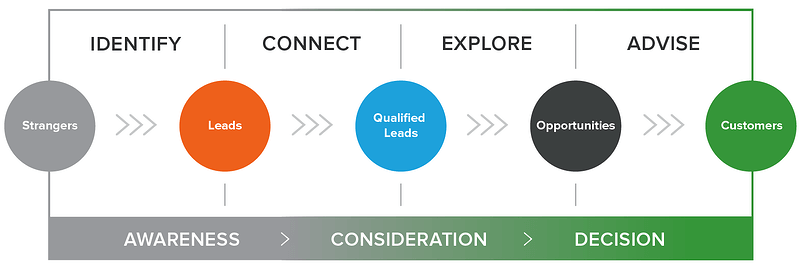
Inbound sales strategies are predicated on attracting leads by providing valuable content that addresses their needs and interests. This methodology deeply integrates sales and marketing functions, with marketing teams creating and distributing content that piques the interest of potential customers. For example, a company might syndicate a comprehensive whitepaper on industry challenges. Once a lead engages with this content, sales representatives can follow up, not with a hard sell, but with an offer to schedule a product demo or to discuss their specific pain points in more detail. In this model, sales professionals act as trusted advisors, guiding prospects through the evaluation process and ensuring the product is a genuine solution to their problems. This approach fosters deeper trust and can lead to higher-quality customer relationships.
Outbound Sales: Proactive Prospecting
Outbound sales strategies, conversely, involve the proactive sourcing and contacting of potential leads. This approach, often exemplified by cold email campaigns and cold calling, has historically been a powerful engine for business growth. For outbound strategies to be successful, a compelling offer is paramount, and the sales process must be seamless and highly efficient. Furthermore, adherence to data privacy regulations, such as GDPR, is critical to ensure ethical and compliant lead generation. Companies that master outbound strategies can effectively reach new markets and introduce their solutions to audiences who may not have otherwise discovered them.
Account-Based Marketing (ABM): Precision Targeting
Account-Based Marketing (ABM) represents a highly strategic approach that focuses on specific, high-value target accounts. The process begins with identifying accounts that represent the ideal fit for a company’s product or service, based on their potential for purchase and alignment with the target audience. Once these accounts are identified, unique and highly relevant content and campaigns are developed to nurture these specific leads. ABM often involves engaging multiple decision-makers within a target company, aiming to build consensus and facilitate a smoother closing process. This methodology demands close collaboration between sales and marketing teams, with campaigns often coordinated to include activities like targeted LinkedIn ads running concurrently with personalized cold outreach from the sales team. ABM flips the traditional funnel by starting with the desired outcome—acquiring a specific account—and building the strategy backward. For organizations with the resources and a clear understanding of their high-value customer profile, ABM can be an exceptionally effective strategy.
The Blueprint for Building Your Sales Strategy
Constructing an effective sales strategy requires a methodical approach, integrating market understanding, clear objectives, and robust execution.
1. Foundational Analysis: Industry, Product, and Buyer Persona
The initial step in formulating a sales strategy involves a deep understanding of the business’s unique context. This includes a thorough analysis of the industry landscape, the specific product or service being offered, and, critically, the ideal buyer persona. Understanding the average contract value (ACV) is also paramount, as it dictates the feasibility and nature of various sales tactics. For instance, a business with a low ACV might employ high-volume, lower-touch sales methods, whereas a high ACV business would likely invest more resources in personalized, consultative selling. Similarly, industry norms, such as reliance on trade shows versus digital networking, significantly shape strategic choices.

2. Setting Ambitious Yet Attainable Sales Goals
Sales goals must be intrinsically linked to broader company objectives. Once overarching sales targets are established, they should be broken down into specific, measurable, achievable, relevant, and time-bound (SMART) key performance indicators (KPIs) and individual goals for sales representatives. For example, a goal might be to send 100 targeted cold emails per week. The ultimate aim is to ensure that sales goals accurately reflect the expected activities of the team and the desired outcomes. This clarity provides direction and a benchmark for success.
3. Identifying and Leveraging Key Acquisition Channels
Determining the most effective acquisition channels begins with a profound understanding of the buyer persona. The question to answer is: "Who is our ideal customer, and what is the most effective way to connect with them?" Depending on the target audience, a diverse range of demand generation strategies can be employed. These might include content marketing, social media engagement, email marketing, search engine optimization (SEO), pay-per-click (PPC) advertising, cold outreach, and strategic partnerships. The choice of channels is heavily influenced by the product’s price point. For low-cost monthly subscriptions, high-volume, less time-intensive channels are preferable. Conversely, for expensive, infrequently purchased items, cold emails can serve as an initial educational touchpoint before a more in-depth phone conversation.
4. Rigorous Measurement of Sales Performance
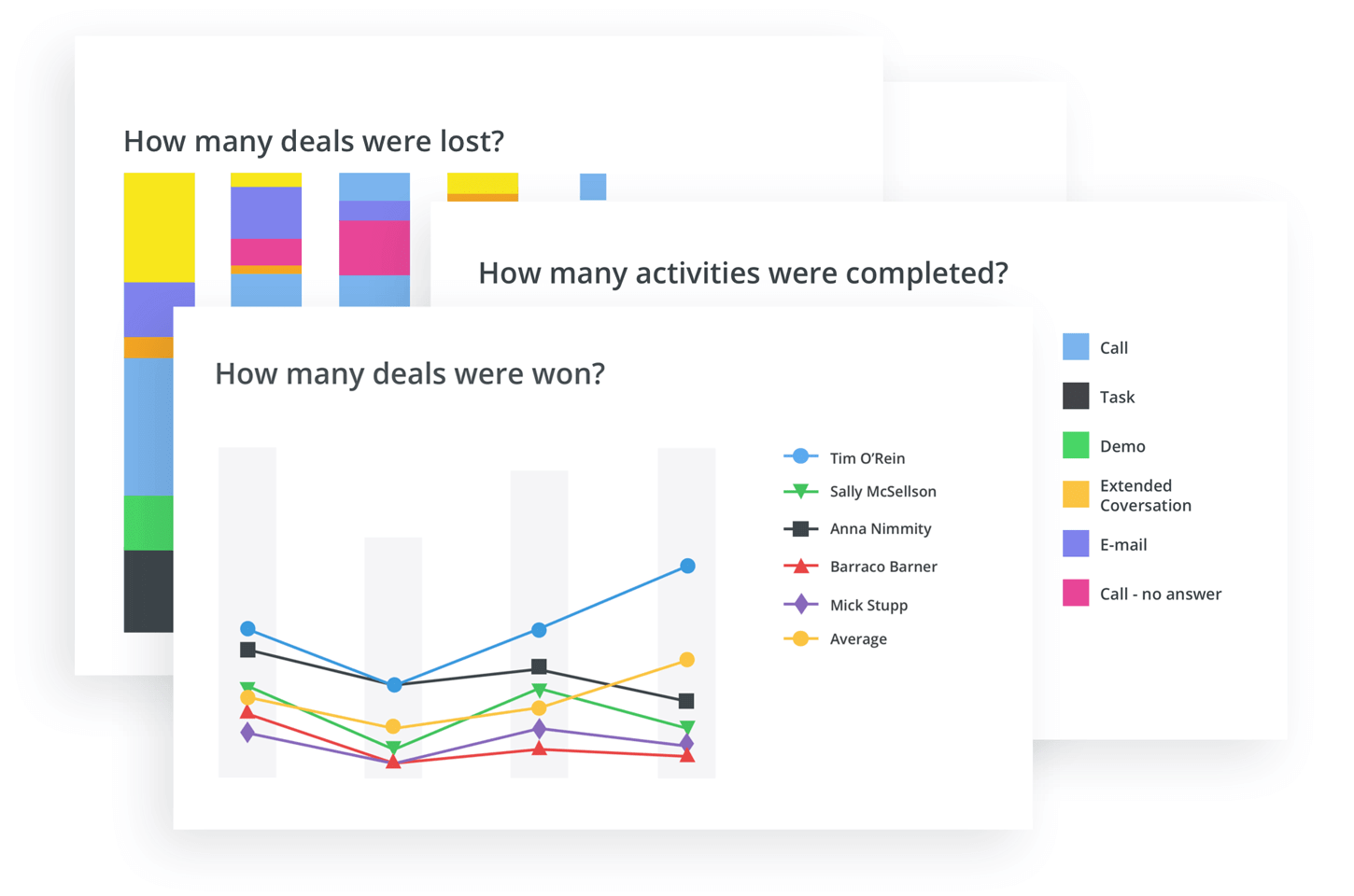
Continuous measurement is the only reliable method to ascertain whether sales targets are being met. Without tracking key metrics, businesses operate in the dark, unable to identify what is working and where resources are being wasted. A variety of tools can facilitate this tracking, from project management software like Trello and spreadsheet applications like Microsoft Excel or Google Sheets, to specialized Customer Relationship Management (CRM) systems. While basic tools can provide a foundation for goal tracking, dedicated CRMs, such as Pipedrive, offer integrated analytics that deliver detailed reports on metrics like cold email open rates, response rates, and revenue forecasts. Over 50% of sales teams report enhanced productivity when utilizing a CRM, underscoring its importance in efficient sales operations and strategic execution.
5. Strategic Automation of Repetitive Processes
Once a sales strategy demonstrates effectiveness, the next logical step is to automate repetitive processes. As sales efforts gain traction, managing the influx of leads and activities can become overwhelming. Automating tasks streamlines operations, freeing up sales representatives to focus on high-value interactions with promising leads. Solutions from providers like DemandScience can assist in generating targeted lead lists based on specific buyer persona criteria, such as job titles, industries, company size, and technology stacks, providing essential contact details. Tools like Lead Forensics can identify website visitors, enabling proactive outreach. Automating lead scoring is another crucial element, assigning a score to leads based on their engagement with the brand. CRMs such as HubSpot CRM, Salesforce, and Agile CRM offer automated lead scoring capabilities, allowing sales teams to prioritize their efforts and know precisely when to engage with a prospect.
Continuous Optimization: The Key to Sustained Success
The dynamic nature of the market necessitates ongoing optimization of sales strategies to ensure they remain effective and resource-efficient. Identifying underperforming campaign elements and addressing them systematically is crucial. For instance, low cold email open rates might indicate issues with the subject line or the personalization of the email content. By systematically altering one variable at a time and monitoring the impact on outcomes, businesses can refine their outreach and improve engagement. This iterative process of testing, analyzing, and adjusting is fundamental to maintaining a competitive edge.
Cultivating Loyalty: The Enduring Value of Existing Customers
It is vital to remember that existing customers represent a significant and often underutilized asset. Statistics indicate that businesses are 60-70% more likely to sell to an existing customer than to a new one. Maintaining high levels of customer satisfaction is paramount to retaining this valuable segment and preventing avoidable customer churn, which costs businesses billions annually. Strategies focused on customer retention, post-sale engagement, and ongoing value delivery can significantly bolster long-term revenue and brand loyalty. Investing in existing customer relationships is not merely a retention tactic; it is a strategic imperative for sustainable growth.


 Evan Lee Salim
 Pevita Pearce