Neng Nana
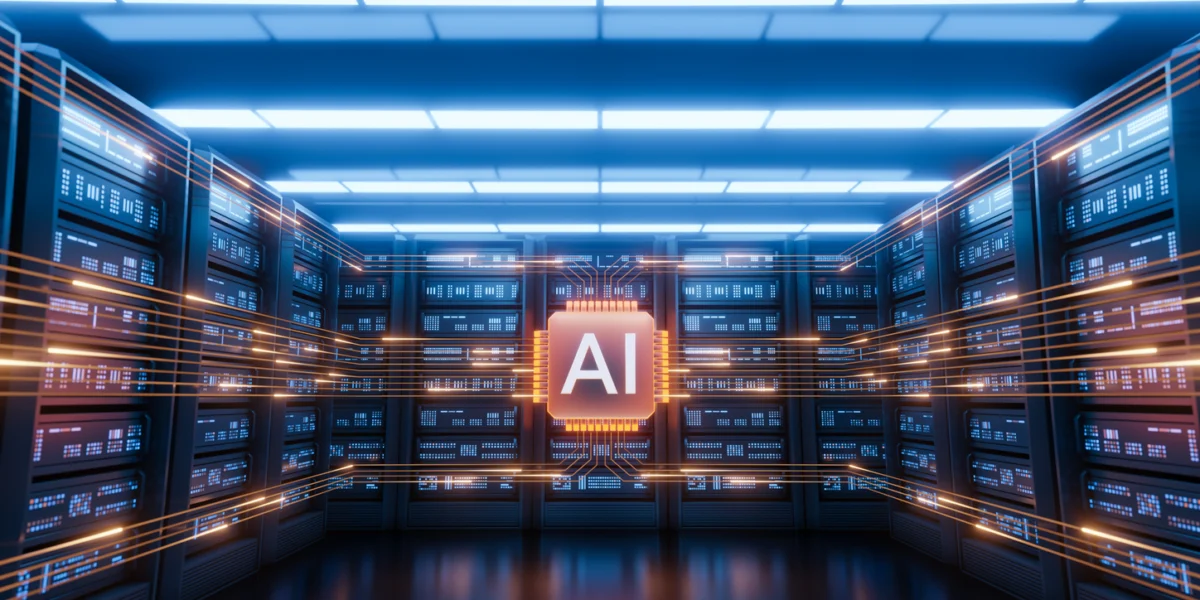
The landscape of corporate reputation management and crisis communication has undergone a fundamental transformation over the last decade, shifting from a reactive posture based on manual media monitoring to a proactive, data-driven discipline powered by artificial intelligence. At the recent Ragan Communications and Measurement Virtual Conference, Sean Wilson, principal director of strategic communications at the Aerospace Corp, detailed how the integration of AI into the communicator’s toolkit is no longer an optional luxury but a functional necessity. As the speed of information—and misinformation—reaches unprecedented levels, the ability to parse through "computational propaganda," coordinated bot attacks, and dark web chatter has become the new benchmark for effective crisis management.
Ten years ago, the standard for crisis monitoring was defined by social media metrics and physical or digital media clips, often tracked and categorized by hand. Today, the complexity of the digital ecosystem has outpaced human capacity. Communicators now face a multifaceted threat environment that includes real-time stock market fluctuations driven by algorithmic trading, encrypted messaging apps, and sophisticated influence operations. Wilson noted that while the introduction of AI into this sensitive field can be intimidating, its role as a force multiplier is indispensable for modern practitioners.
The Evolution of Crisis Monitoring: From Manual to Algorithmic
The transition from manual monitoring to AI-enhanced surveillance marks a paradigm shift in how organizations protect their brand equity. In the early 2010s, a crisis might take hours or even days to reach a fever pitch, allowing communication teams time to draft responses, seek executive approval, and distribute press releases. In the current era, the "golden hour" of crisis response has shrunk to mere minutes.
The modern crisis environment is characterized by its volatility and the sheer volume of data generated during a breaking event. According to industry data, the average person is exposed to thousands of pieces of information daily, and during a corporate crisis, the number of mentions, shares, and comments can scale into the millions within a single afternoon. AI tools serve as the first line of defense, filtering this "noise" to identify the "signal"—the specific narratives that pose a genuine threat to the organization.
The Three Core Strengths of AI in Crisis Response
During his presentation, Wilson highlighted three specific areas where AI monitoring tools outperform human-led efforts: pattern recognition, anomaly detection, and rapid summarization.
1. Large-Scale Pattern Recognition
AI excels at identifying trends across massive datasets that would be invisible to the human eye. By analyzing sentiment, keywords, and geographic data across multiple platforms simultaneously, AI can determine if a localized complaint is evolving into a systemic global issue. This capability allows communicators to see the "shape" of a crisis before it fully crystallizes, providing a strategic advantage in resource allocation.
2. Anomaly Detection and Bot Identification
One of the most significant threats to modern organizations is the rise of coordinated inauthentic behavior. AI tools are specifically designed to flag anomalies, such as a sudden spike in mentions from accounts with no followers or the repetitive posting of identical phrasing across different platforms. These "bot spikes" often signal a deliberate attempt to manipulate public opinion or tank a stock price. Wilson emphasized that AI can spot these patterns faster than any human team, allowing organizations to alert platform moderators or issue clarifications before the bot-driven narrative gains mainstream traction.
3. High-Speed Summarization
In the heat of a crisis, executives do not have the time to read thousands of individual tweets or news articles. AI-driven summarization tools can ingest vast quantities of text and produce concise, thematic reports in seconds. This allows communication leads to provide the C-suite with real-time briefings that capture the prevailing sentiment and the most prominent criticisms, facilitating faster decision-making.
Navigating the Dark Web and Encrypted Spaces
A significant challenge for contemporary communicators is the migration of crisis-related discourse to "dark" or encrypted channels. Standard social listening tools are often unable to penetrate private groups on platforms like Telegram, WhatsApp, or specialized forums on the dark web where coordinated attacks are often planned.
Wilson suggested that for these specialized environments, partnering with outside agencies that possess advanced AI listening expertise is critical. These agencies use specialized crawlers and AI models to monitor high-risk spaces without compromising the organization’s digital footprint. However, Wilson offered a caveat: even the most sophisticated AI should be treated as "one more input into your judgment, not a machine that gives you the answer." The human element remains the final arbiter of strategy and tone.
Chronology of a Modern AI-Enhanced Crisis Response
To understand the practical application of these tools, it is helpful to examine the timeline of a hypothetical corporate crisis—such as a data breach or a controversial executive statement—managed with AI assistance:
- Minute 0–15 (Detection): AI monitoring tools detect an anomalous spike in mentions on X (formerly Twitter) and Reddit. The system flags that the sentiment is 90% negative and identifies that the conversation is being amplified by several high-reach accounts known for corporate activism.
- Minute 15–30 (Analysis): The AI summarizes the core grievances of the users. It identifies that a leaked internal memo is the source of the anger. Simultaneously, the tool checks for coordinated bot activity and determines that 30% of the traffic is inauthentic, likely intended to drive the topic into the "Trending" section.
- Minute 30–60 (Strategic Planning): Using the AI-generated summary, the communications team briefs the CEO. They use predictive analytics to model the likely trajectory of the story if they remain silent versus if they issue a statement.
- Hour 1–3 (Response): The organization issues a targeted response. AI tools monitor the reaction to the statement in real-time, allowing the team to tweak their messaging for different demographics (e.g., employees vs. shareholders).
- Hour 24 and Beyond (Recovery): AI continues to track the "long tail" of the crisis, identifying when sentiment begins to neutralize and providing data for a post-mortem report.
Supporting Data: The Cost of Digital Volatility
The necessity of AI in crisis management is underscored by the financial implications of reputational damage. Research from global risk management firms indicates that a significant reputation crisis can wipe out an average of 20% to 30% of a company’s market capitalization in the weeks following the event. Furthermore, a study by the University of Oxford found that companies with "high-resilience" communication strategies—those that utilize advanced monitoring and rapid response—recover their stock price 50% faster than those that do not.
The volume of data is also a factor. In 2024, it is estimated that 2.5 quintillion bytes of data are created daily. For a Fortune 500 company, a single crisis can generate upwards of 50,000 mentions per hour. Without AI, the labor costs and margin of error associated with manual monitoring render a timely response nearly impossible.
Official Reactions and Industry Implications
The integration of AI into PR has met with a mixture of enthusiasm and caution from industry leaders. While experts like Sean Wilson advocate for its use as a diagnostic tool, others in the field emphasize the ethical considerations. The International Public Relations Association (IPRA) has recently released guidelines suggesting that while AI can assist in data gathering, the "ethical soul" of a communication strategy must remain human to avoid tone-deaf or robotic responses that could exacerbate a crisis.
From a regulatory perspective, there is increasing pressure on companies to be transparent about their use of AI. As "deepfakes" and AI-generated misinformation become more prevalent, the role of the communicator is shifting from a messenger to a "verifier of truth." AI tools are now being developed specifically to detect AI-generated content, creating a technological arms race between those creating crises and those managing them.
The Broader Impact: A New Era of Digital Resilience
The long-term implication of AI in crisis communication is the move toward "digital resilience." Organizations are no longer just waiting for things to go wrong; they are using AI to conduct "red team" exercises—simulating crises to see how their systems and teams respond. This proactive approach allows for the hardening of digital assets and the refinement of messaging before a real-world event occurs.
Furthermore, AI is democratizing high-level crisis management. Previously, only the largest global corporations could afford 24/7 "war rooms" staffed by dozens of analysts. Today, mid-sized companies can leverage AI SaaS (Software as a Service) platforms to achieve a similar level of oversight, leveling the playing field in the digital attention economy.
In conclusion, the insights shared by Sean Wilson at the Ragan conference highlight a turning point for the profession. AI is not a replacement for the nuanced, empathetic, and strategic thinking of a seasoned communicator. Instead, it is a sophisticated lens that allows those communicators to see through the fog of the digital landscape. By embracing AI’s ability to spot patterns, detect anomalies, and summarize vast amounts of data, organizations can navigate the complexities of the modern media environment with greater speed, accuracy, and confidence. The future of crisis communication belongs to those who can effectively marry the processing power of the machine with the irreplaceable judgment of the human mind.


 Siti Muinah

 Reynand Wu