Pevita Pearce
The TikTok algorithm, a highly sophisticated recommendation engine, continues to be the central nervous system of the platform in 2026, dictating content visibility and user experience. Far from a static formula, this proprietary technology undergoes continuous refinement, adapting to evolving user behaviors, technological advancements, and the competitive social media landscape. For brands, marketers, and creators, a deep understanding of its mechanics is not merely advantageous but essential for achieving sustained organic reach and engaging effectively with a global audience of over 1.5 billion active users.
The Evolving Landscape of Content Discovery on TikTok

Since its explosive rise, TikTok has fundamentally reshaped how digital content is consumed, moving beyond traditional social graphs built on connections to a purely interest-based discovery model. This paradigm shift, driven by its powerful algorithm, has empowered creators and businesses to reach vast audiences regardless of their existing follower count, a stark contrast to platforms where established networks often gate content visibility. In 2026, this emphasis on individualized content delivery remains paramount, with no two users experiencing the identical "For You Page" (FYP). The FYP serves as a dynamic, personalized feed, meticulously curated to align with a user’s expressed and inferred preferences, constantly learning and adjusting over time.
TikTok’s official documentation clarifies its approach: "We use recommender systems to offer you a personalized experience. These systems suggest content based on your preferences as expressed through interactions on TikTok, such as following an account or liking a post." This underscores the algorithm’s role as a sophisticated feedback loop, where every user interaction provides crucial data points that shape future content recommendations. For content strategists, this translates into a clear directive: provide the algorithm with unambiguous signals about your target audience and the value your content offers.
Decoding the 2026 TikTok Algorithm: Primary Ranking Signals

In 2026, the TikTok algorithm primarily evaluates three categories of signals to determine content ranking and distribution. While the exact weighting remains a closely guarded secret, observed behavior and official guidance confirm that engagement signals, particularly watch time and completion rate, hold the most significant sway.
1. User Interactions (High Weight)
These are the most critical signals, directly reflecting a user’s engagement with content. Every action taken on the platform informs the algorithm about individual preferences.
- Watch Time: The total duration a user spends watching a video. Higher watch time indicates stronger engagement and relevance.
- Completion Rate: The percentage of a video a user watches. Watching a video all the way through, or even replaying it, sends a powerful signal that the content is highly captivating.
- Likes, Comments, Shares, Saves: Direct positive affirmations. Shares and saves are particularly potent, suggesting content is valuable enough to be re-watched or distributed to others.
- Follows: Following an account after watching a video indicates strong interest in that creator’s content.
- "Not Interested" Clicks: A crucial negative signal, instructing the algorithm to reduce similar content.
- Reporting Content: Another strong negative signal, indicating a violation or strong user dislike.
These positive and negative interactions collectively fine-tune a user’s FYP, reinforcing content types they enjoy and filtering out those they don’t. The platform’s ability to quickly adapt to these signals is a cornerstone of its addictive user experience.
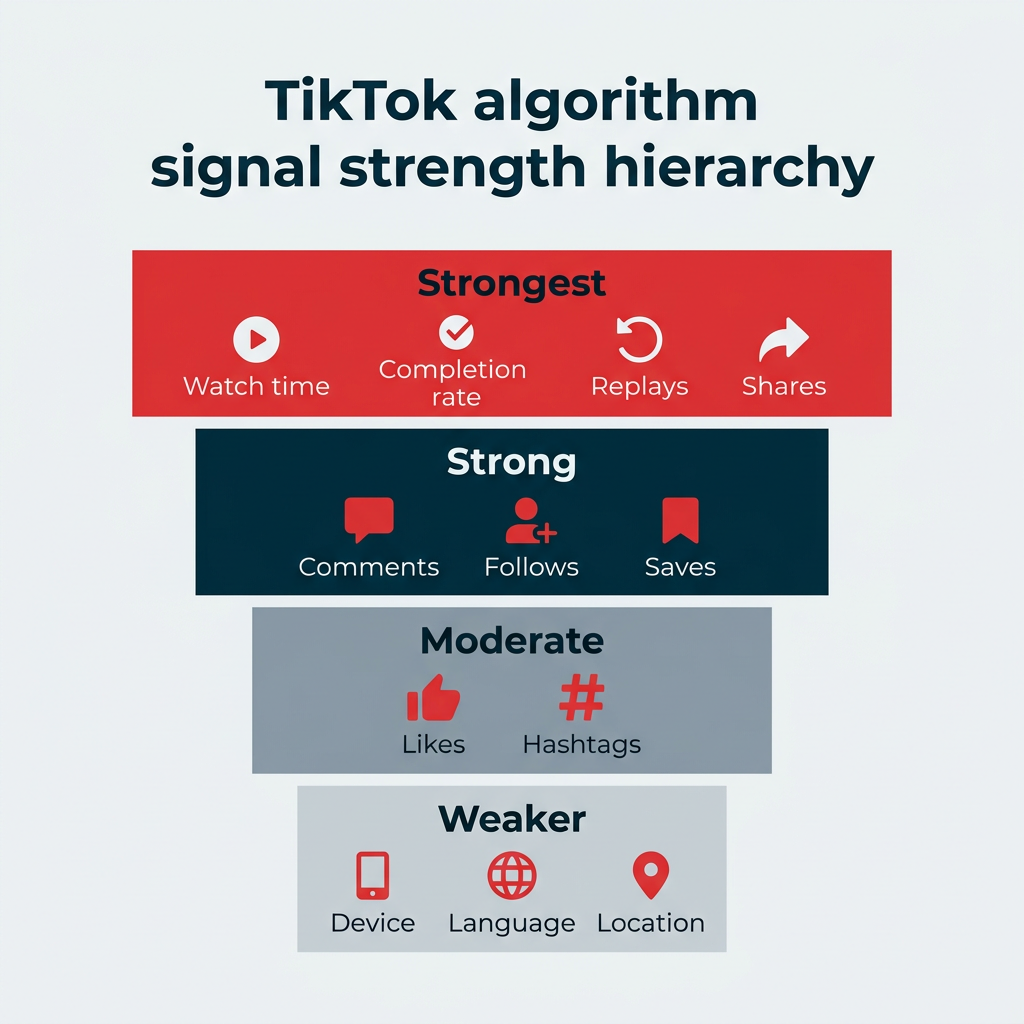
2. Video Information (Medium Weight)
Beyond direct user actions, the algorithm meticulously analyzes details embedded within the content itself to understand its subject matter and context.
- Captions and Hashtags: Textual descriptions and categorized tags provide explicit cues about the video’s theme, helping the algorithm match it with relevant interests.
- Sounds and Effects: Trending audio clips and visual effects are powerful contextual indicators, often signaling participation in a specific trend or community.
- On-screen Text and Spoken Words: Advanced AI capabilities allow TikTok to analyze textual overlays and transcribe spoken dialogue, extracting keywords and themes even without explicit metadata. This means voiceovers and embedded text are as vital for categorization as captions.
- Trending Topics: Alignment with current viral trends and popular discussions can significantly boost initial distribution.
These elements help the algorithm categorize content effectively, ensuring it’s presented to an audience segment already predisposed to similar themes.
3. User Information (Low Weight)
While less influential than direct interactions or content specifics, foundational user settings provide an initial baseline for content recommendations.
- Device Type and Language: Helps in delivering content optimized for specific devices and in the user’s preferred language.
- Country and Time Zone: Relevant for localizing content and ensuring timely delivery of trending topics or regional news.
- Account Settings: Broader preferences set by the user (e.g., content preferences, accessibility settings).
These general settings primarily facilitate smooth platform operation and initial content seeding rather than driving the nuanced, continuous personalization of the FYP. Claims of a rigid "point system" for interactions remain unconfirmed by TikTok; instead, the algorithm relies on a dynamic weighting of these signals, which continuously evolves.
Key Algorithmic Shifts: 2025-2026 Trends
The core principles of the TikTok algorithm remain consistent, but its distribution mechanisms have undergone notable adaptations in 2025 and 2026, reflecting shifts in user behavior and strategic platform development. These changes carry significant implications for content planning.
- Heightened Importance of Search Signals: TikTok’s evolution into a prominent search engine, particularly for younger demographics, is undeniable. Data indicates that 49% of consumers now utilize TikTok for search queries. The algorithm now places increased weight on keywords embedded not just in captions and hashtags but also in voiceovers and on-screen text. This means content discoverability extends far beyond the transient FYP, offering longevity through organic search.
- Adaptation to Varied Video Lengths: While short-form content remains TikTok’s hallmark, the platform has shown a growing willingness to distribute longer videos (1-3 minutes and beyond) provided they maintain high completion rates and engagement. This indicates a maturation of the platform, catering to diverse content formats and user preferences for deeper dives into specific topics. Length is no longer a deterrent if engagement holds strong.
- Emphasis on Format Flexibility: The algorithm rewards creators who experiment with diverse formats, from educational explainers and mini-vlogs to product reviews and collaborative content. This encourages a richer, more varied content ecosystem, moving beyond a singular "viral" format.
- Community-Centric Amplification: The algorithm increasingly prioritizes content that resonates deeply within specific niche communities or "subcultures." This reinforces TikTok’s role as a hub for shared interests. Data reveals that 65% of adult TikTok users seek connection with like-minded individuals, and 72% of women on the platform find it easy to bond with new communities. Tapping into these established subcultures through relevant content and hashtags significantly boosts algorithmic distribution to an engaged audience.
These shifts collectively underscore that the most effective path to algorithmic success in 2026 involves creating content that is readily searchable, adaptable across formats, and explicitly designed for a well-defined community.
Content Restrictions: Navigating Algorithmic Suppression
While adherence to Community Guidelines is non-negotiable for content to remain on the platform, TikTok maintains a separate list of content types that, even if not removed, will be actively restricted from FYP recommendations. Understanding these limitations is critical for maintaining reach and ensuring brand safety. Content that typically faces FYP suppression includes:

- Unoriginal or Low-Quality Content: Repurposed content without added value, poorly produced videos, or content deemed spammy.
- Misleading or Sensational Content: Clickbait, false information, or content designed to shock without substance.
- Graphic or Explicit Material: Content depicting violence, gore, or sexually explicit themes (even if not violating guidelines for removal, it will be restricted).
- Dangerous Acts or Challenges: Videos promoting self-harm, dangerous stunts, or illegal activities.
- Political Content: Often deprioritized to avoid controversy and maintain a neutral platform environment, especially during sensitive periods.
- Regulated Goods and Services: Promotions of alcohol, tobacco, firearms, or other regulated products outside of approved advertising channels.
- Sensitive Topics: Content related to self-harm, eating disorders, excessive dieting, or other potentially triggering subjects, particularly for younger audiences.
Content deemed "not suitable for young people" may be restricted to users over 18. Violations of Community Guidelines, conversely, can lead to content removal and account strikes. Creators and brands are advised to monitor TikTok Analytics for notification of such restrictions, where an appeal process is typically available. For enterprise teams, integrating these restrictions into content guidelines is paramount for safeguarding brand reputation and maximizing algorithmic potential.
Strategic Optimization: 12 Tips for TikTok Algorithm Success in 2026
To consistently earn algorithmic favor and expand your reach on TikTok in 2026, a multi-faceted approach focusing on engagement, discoverability, and authenticity is essential.
- Cultivate and Engage with Communities: Beyond simply attracting followers, actively identify and connect with niche communities relevant to your brand. TikTok subcultures, often coalescing around specific hashtags (e.g., #BookTok, #CleanTok, #GamingTikTok), are powerful amplifiers. TikTok’s Audience Insights in Ads Manager can help pinpoint relevant interests and hashtags, enabling content that resonates authentically. Seventy-six percent of TikTok users appreciate brands participating in special interest groups, highlighting the value of this approach.
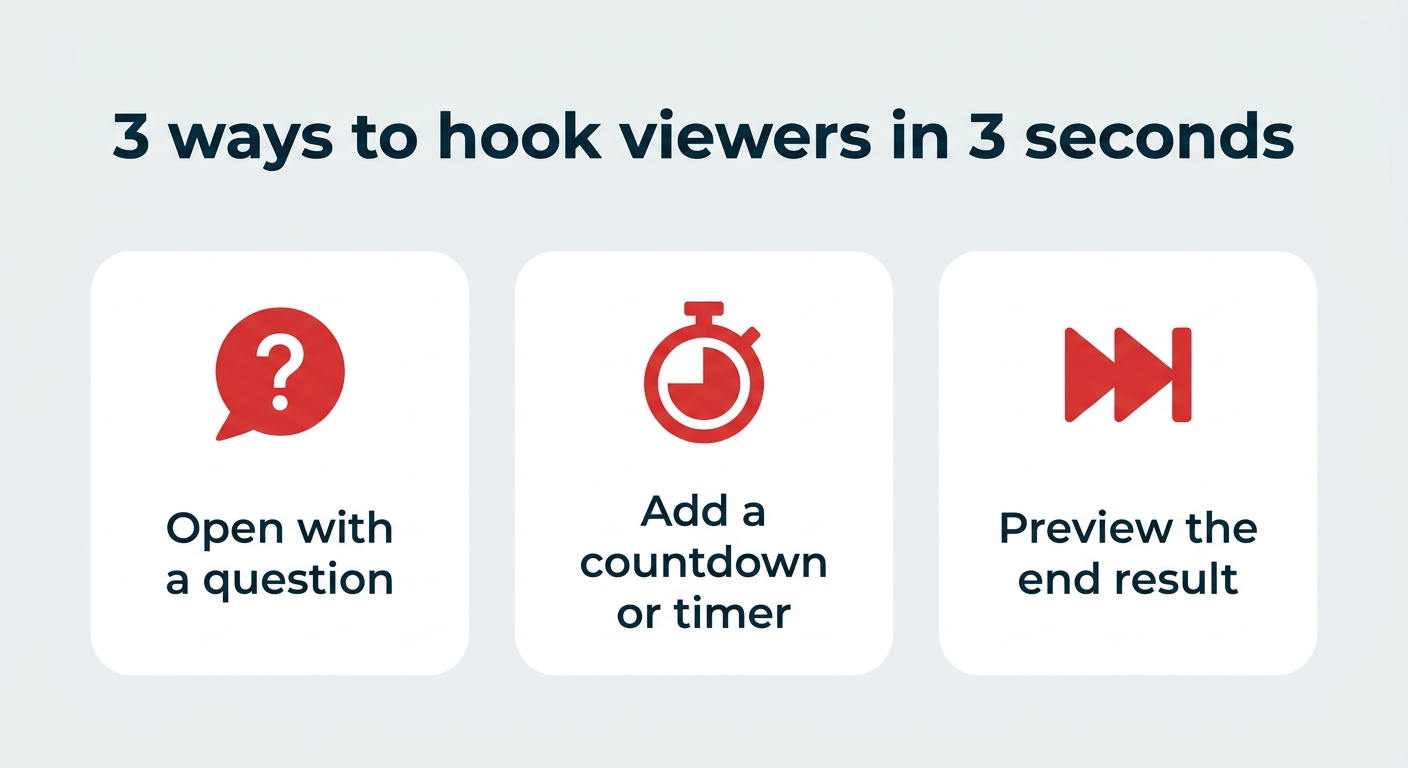
- Master the Three-Second Hook: The initial three seconds are pivotal. This brief window determines whether a viewer scrolls past or commits to watching. To capture attention, TikTok advises opening with a compelling question, a visual countdown, or a tantalizing preview of the video’s outcome. High watch time and completion rates, driven by effective hooks, are the strongest signals to the algorithm.
- Implement Robust TikTok SEO Strategies: With TikTok’s growing role as a search engine, optimizing for discoverability is critical. Integrate clear, relevant keywords into captions, voiceovers, and on-screen text. Leverage the TikTok Creative Center’s Keyword Insights to identify trending terms. This approach ensures content remains discoverable long after its initial FYP push.
- Prioritize High-Quality, TikTok-First Content: "High-quality" on TikTok often means "authentic" and "platform-native" rather than highly polished. TikTok’s internal data shows high-quality creators achieve 72% more watch time and 40 times greater follower growth. Seventy-nine percent of users prefer brands that understand TikTok’s unique content creation ethos. Focus on clear sound, good lighting, dynamic edits, and native features (text overlays, effects) to create an immersive, easy-to-watch experience.
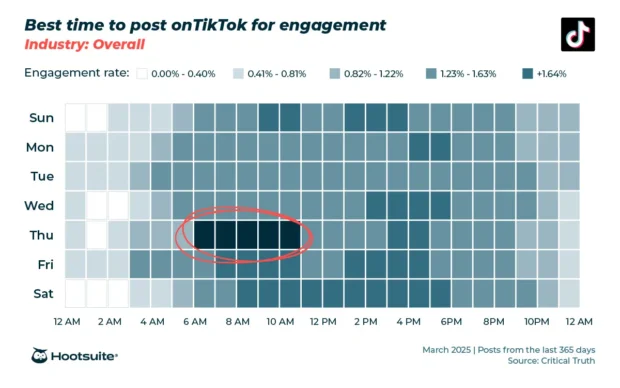
- Maintain Consistent Posting Schedules at Optimal Times: Regular posting signals an active account to the algorithm, fostering momentum. While global averages suggest Thursday mornings or Saturday midday for peak engagement, utilize Hootsuite’s "Best Time to Publish" feature or TikTok Analytics to identify your specific audience’s most active times. Consistency, combined with optimal timing, ensures your content reaches engaged viewers when they are most receptive.
- Leverage Duets, Stitches, and LIVE Features: These collaborative and interactive formats are powerful for extending reach. Duets and Stitches allow you to borrow engagement from existing viral content, placing your video before an audience already interested in the topic. TikTok LIVE sessions, appearing in dedicated discovery surfaces, generate sustained watch time and direct interaction, boosting visibility.
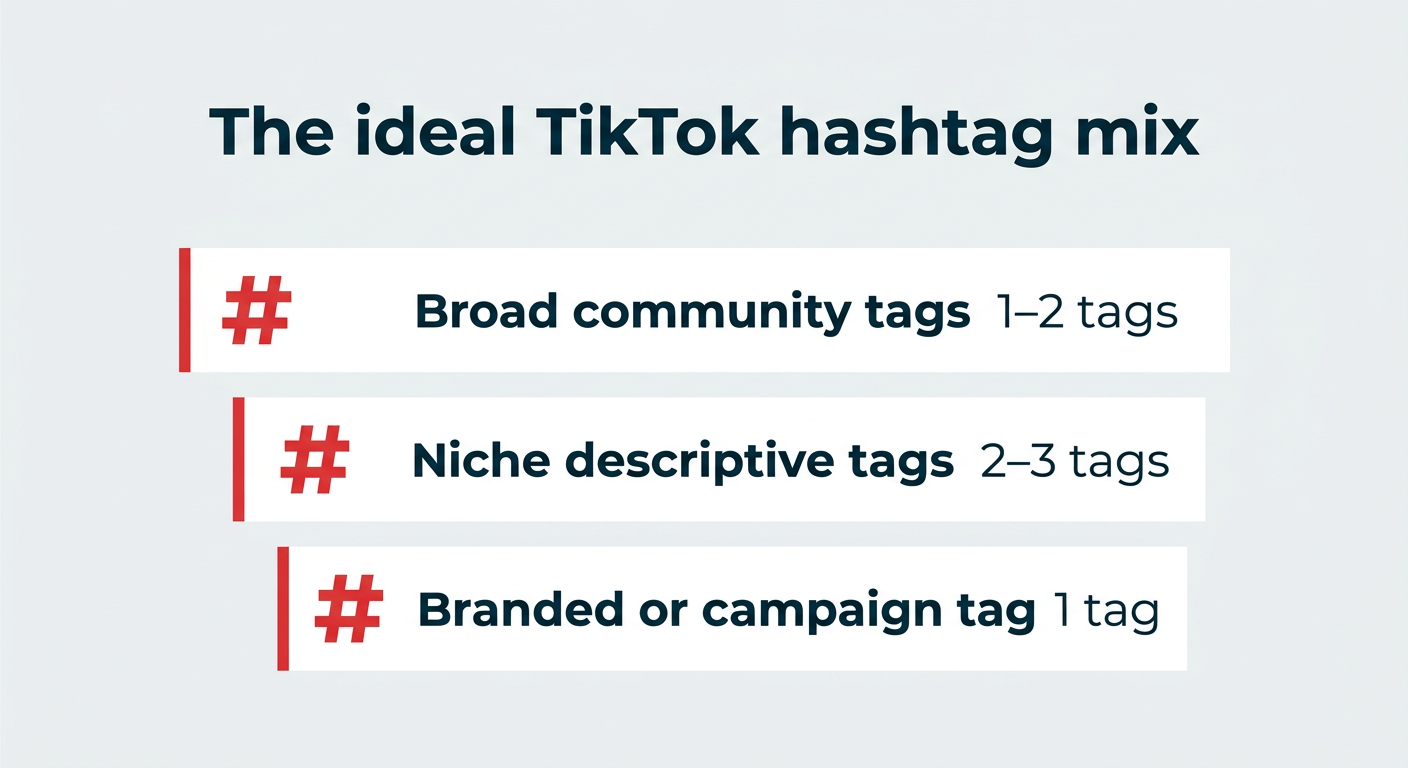
- Strategically Use Trending and Relevant Hashtags: Hashtags remain a vital categorization signal. Employ a balanced strategy: use 1-2 broad community hashtags (e.g., #MarketingTips), 3-5 niche-specific hashtags (e.g., #SocialMediaStrategy2026), and 1-2 branded hashtags. Avoid excessive, irrelevant tagging; focus on precision to guide the algorithm to the correct audience.
- Integrate Trending Sounds and Music: Trending audio acts as a powerful discovery tool, linking your content to broader trends. For business accounts, strictly use audio from TikTok’s Commercial Music Library to avoid copyright issues. Spot emerging trends in the TikTok Creative Center before they become saturated, maximizing the discovery advantage.
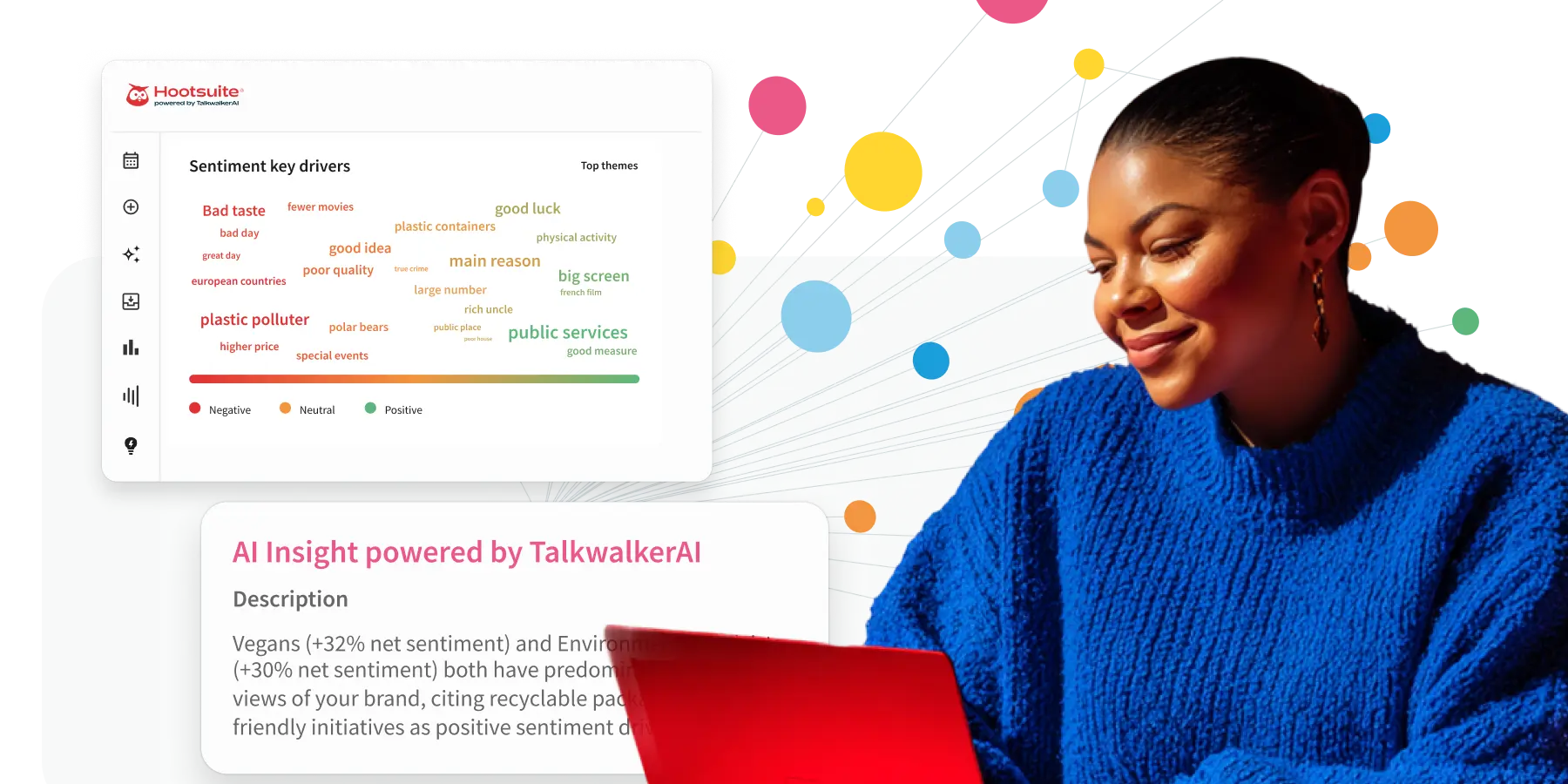
- Diligently Track Performance with TikTok Analytics: Data is your compass. Monitor key metrics such as watch time, completion rate, shares, saves, unique views, and traffic source types (especially FYP vs. follower feed). These metrics directly reflect algorithmic performance. Tools like Hootsuite Analytics can centralize this data across platforms, offering a holistic view of your content strategy’s effectiveness.
- Forge Authentic Creator and Influencer Partnerships: Collaborating with TikTok creators provides access to established, trusting audiences. The algorithm rewards the high engagement these partnerships typically generate, not special treatment for "creator content." Prioritize creators whose audience demographics and engagement quality (not just follower count) align with your target. Grant creative freedom to maintain authenticity.
- Strategically Integrate TikTok Shop: With 57.7 million U.S. buyers projected for TikTok Shop in 2026, integrating shoppable content is a growing opportunity. Product videos and live shopping sessions are eligible for FYP recommendations, provided they still earn strong engagement. Focus on product demonstrations in real-life scenarios, tutorials, or behind-the-scenes glimpses that entertain and inform, rather than simple product pushes.
- Embrace Authenticity and Fun: This seemingly soft advice is arguably the most practical. The algorithm favors content that genuinely holds attention, and authentic, enjoyable content excels at this. TikTok’s own research, corroborated by Hootsuite’s Social Media Trends, consistently shows that authenticity outperforms polished perfection. Allowing your brand’s personality to shine through, experimenting with new formats, and engaging genuinely with your audience fosters the sustained watch time and loyalty the algorithm rewards.
Measuring Algorithmic Success: Key Performance Indicators
Determining if the TikTok algorithm is working in your favor requires a nuanced look beyond vanity metrics. The clearest indicator of algorithmic distribution is when a significant portion of your views originates from non-followers.
- For You Page (FYP) Views Percentage: A high percentage of views coming from the FYP indicates strong algorithmic distribution beyond your existing audience.
- Average Watch Time & Completion Rate: These are direct reflections of content quality and audience engagement, serving as the strongest positive signals to the algorithm.
- Shares and Saves: These actions denote content deemed highly valuable, shareable, or worthy of re-watching, significantly boosting algorithmic favor.
- Profile Views from FYP: A surge in profile visits directly linked to FYP exposure suggests your content is not only being seen but also driving deeper interest in your account.
- Follower Growth Rate: While not a primary distribution metric, sustained growth signals that new audiences discovered via the algorithm are converting into loyal followers.
These metrics should be analyzed as trends over 30 to 90 days, rather than focusing on individual post performance, given TikTok’s deliberate variability in content recommendation. Centralizing this data through platforms like Hootsuite Analytics provides a comprehensive view, enabling enterprise teams to identify successful content types, target communities, and refine strategies.
Implications for Enterprise and Creator Strategies
The 2026 TikTok algorithm demands agility, a deep understanding of audience behavior, and a commitment to platform-native content. For enterprise teams, this means investing in robust analytics, empowering creative teams with the freedom to experiment, and fostering genuine community engagement. The shifts towards search optimization and longer-form content signal a maturing platform that offers diverse avenues for brand storytelling and conversion. For creators, success hinges on their ability to consistently produce authentic, engaging content that resonates with specific niches while adapting to new format opportunities. Ultimately, those who consistently provide value, engage authentically, and strategically leverage TikTok’s evolving mechanics will continue to thrive in its dynamic ecosystem.


 Laily UPN

 Dwi Wanna