Ali Ikhwan
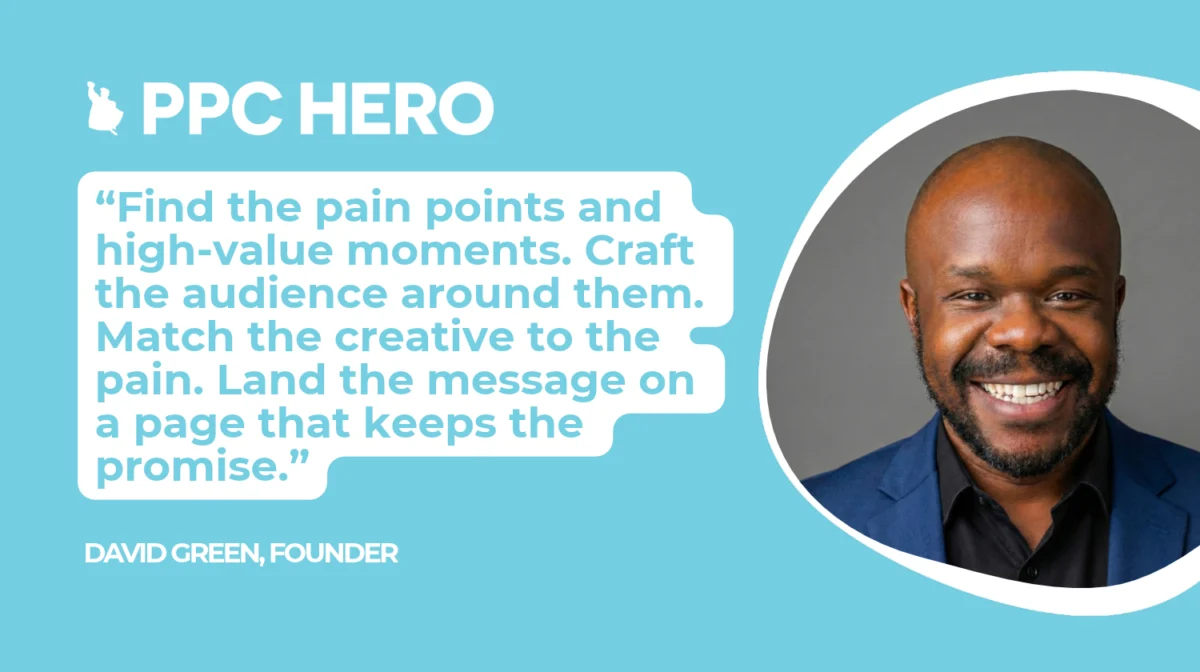
The digital marketing landscape is in constant flux, and for many local businesses, the quest for effective advertising channels has been a persistent challenge. While search engine marketing has long been the bedrock of paid advertising, its rising costs and the inherent limitations of a literal search query have prompted marketers to explore alternative avenues. This was precisely the situation facing many local clients until a pivotal revelation at Hero Conf in San Diego in 2024. One of the most significant takeaways from the event, shared by a prominent digital strategist, was the unexpected resurgence and transformative power of display advertising, a channel previously considered underperforming.
For years, the prevailing wisdom for local businesses revolved around search campaigns. When a potential customer typed "water heater repair," the strategy was straightforward: bid on that exact phrase, craft an ad that directly addressed the query, and focus on maximizing relevance and click-through rates (CTRs). This literal, problem-solution approach, while effective for search, proved to be a significant impediment when attempting to translate that mindset to visual platforms like display, YouTube, and Google’s newer Demand Gen campaigns. In these environments, users are not actively typing search queries; they are browsing, consuming content, and often passively engaging with advertisements. The direct, problem-solution ad copy that worked so well in search became easily ignorable, scrolling past users without making a significant impact.
The shift from struggling with display ads to them becoming the largest growth channel across local accounts wasn’t attributed to a singular new feature release. Instead, it was the result of a meticulously developed four-step process that the strategist presented on stage. This methodology, born from a period of introspection and a re-examination of foundational marketing principles, offered a fresh perspective on how to connect with local audiences in non-search environments.
Re-evaluating the Core Business: Beyond the Product
The genesis of this new approach can be traced back to a re-reading of Terry O’Reilly’s influential marketing book, "This I Know: Marketing Lessons From Under the Influence." O’Reilly’s central tenet—that every marketer must be able to articulate the true business they are in—served as a crucial starting point. The book famously illustrates this with examples like Michelin selling safety, not just tires, and Nike selling motivation, not merely footwear. This fundamental question, "What business are you really in?", prompted a deeper dive into the underlying needs and desires of the customer, rather than solely focusing on the product or service being offered.
Step 1: Unearthing Customer Pain Points and High-Value Moments
The core of the revised strategy lies in understanding the customer’s true motivations. The process began with clients being asked two critical questions:
- "What is the biggest problem this service solves for your customer?"
- "What is the emotional outcome for the customer after they use your service?"
The responses illuminated a fundamental disconnect in previous advertising efforts. For a local HVAC and plumbing client, a particularly insightful answer was: "Nobody calls for a water heater. They call because they have a cold shower." This single sentence was a revelation. It shifted the focus from the product—the water heater—to the customer’s immediate, often frustrating, experience—a cold shower. This highlighted that while the business sold water heaters, the customer was purchasing comfort and the avoidance of a miserable morning.

Identifying these "pain points" and "high-value moments" became paramount. The article suggests several effective avenues for uncovering this crucial information:
- Customer service call logs: Analyzing the language and specific issues customers report when they first reach out.
- Online reviews and social media comments: Scouring platforms where customers openly discuss their experiences, both positive and negative.
- Sales team feedback: Directly engaging with the individuals who have the most frequent and direct interactions with potential clients.
- Competitor analysis: Observing how competitors are positioning themselves and what customer needs they appear to be addressing.
- AI-powered sentiment analysis tools: Leveraging technology to identify recurring themes and emotional undertones in customer feedback at scale.
AI, in particular, has emerged as a powerful tool for marketers, capable of sifting through vast amounts of data to pinpoint nuanced pain points that might otherwise be overlooked. By understanding the emotional drivers behind a customer’s need, marketers can move beyond transactional advertising to create more resonant and effective campaigns.
Step 2: Precision Audience Crafting with Google’s Tools
With a clear understanding of customer pain points, the next critical step is to translate this insight into precisely targeted audiences within advertising platforms like Google Ads. Google offers five primary audience types, each with its own strengths:
-
Custom Segments: This is where the identified pain points truly come to life. Instead of bidding on service-related keywords, marketers can build segments based on the searches people make while experiencing a problem. For the HVAC client, this meant targeting individuals searching for terms like "why is my shower cold," "no hot water in shower," or "hot water runs out fast." The article also emphasizes the importance of segment hygiene, noting that older custom segments can become bloated by mixing disparate queries. For instance, a combined HVAC segment that included furnace, heat pump, and general HVAC issues would dilute the ability to deliver a precisely matched ad. The solution, as demonstrated in the accompanying visuals, was to split these into more thematic, focused segments, allowing for tailored creative to be paired with each.
-
Combined Segments: These offer the most tactical control by allowing advertisers to intersect different audience types and subtract those who are not relevant. For example, combining a custom segment of people experiencing a specific plumbing issue with the subtraction of existing customers ensures that ad spend is focused on acquiring new business. This audience type pairs exceptionally well with custom segments.
-
In-Market Segments: These audiences are comprised of users who Google has identified as actively researching or intending to purchase a specific product or service. The article suggests that these segments often deserve a second look, prompting marketers to question which relevant in-market segments might have been overlooked or dismissed too early. Furthermore, testing these segments with demographic filters applied can unlock greater precision.
-
Lookalike Segments: Built upon existing customer data, these segments are a natural fit for advertisers with a robust customer list. They are particularly valuable within platforms like Demand Gen and YouTube, enabling advertisers to reach new users who share similar characteristics and behaviors with their best customers.

-
Affinity Segments: While these segments target users based on their long-term interests and lifestyles, the article notes that for local lead generation specifically, they have consistently yielded less effective results in repeated testing.
The strategic application of these audience types, informed by the pain points identified in Step 1, allows for a far more targeted and efficient advertising approach.
Step 3: Harmonizing Creative with Customer Emotion
Once an audience is meticulously crafted around a specific pain point, the advertising creative must directly address that same emotional need. This is the juncture where many local display campaigns falter, often defaulting to "service-first" copy.
The contrast between "service-first" and "pain-point first" copy is stark and impactful:
| Service-First Copy | Pain-Point First Copy |
|---|---|
| "Local Water Heater Pros" | "Tired of Cold Showers?" |
| "Trusted HVAC Pros" | "AC Blowing Warm Air?" |
| "Licensed and insured with 2,400+ five-star reviews. Call today for a free estimate." | "No hot water this morning? Warm showers back by tonight." |
While service-first copy is not inherently incorrect, the article posits that focusing on pain points garners significantly better results. When a user is scrolling through a news feed or browsing a website, they are not actively in a shopping mindset. However, a pain-point-driven ad resonates because it reflects their current reality, their immediate problem. This emotional connection is what captures attention and prompts engagement. The creative must mirror the language and urgency of the customer’s problem, creating an immediate sense of relevance and understanding.
Step 4: Seamless Landing Page Integration
The final, and often overlooked, step in this process is ensuring that the landing page experience is a seamless continuation of the audience targeting and ad creative. The message established in the ad must be reinforced on the landing page, creating a direct, unbroken line of communication.
If a custom segment was built around the pain of cold showers, and the ad promises a swift resolution with "warm showers back by tonight," the landing page headline must echo this promise. This consistency is crucial for building trust and guiding the user towards conversion. The goal is to eliminate any friction or disconnect between the user’s initial engagement with the ad and their subsequent interaction with the business’s digital storefront. This unified approach ensures that the user’s journey is logical, reassuring, and aligned with their initial need.

Tangible Results: A Dramatic Turnaround
The effectiveness of this four-step process is powerfully illustrated by the results achieved for the HVAC and plumbing client. Before the strategic overhaul, display and Demand Gen campaigns were underperforming significantly, yielding a Return on Ad Spend (ROAS) of a mere 0.17x and a staggering cost per lead of $240, with a conversion rate of only 0.06%.
However, over the most recent six-month period, following the implementation of the pain-point-centric strategy, the transformation has been dramatic:
- ROAS: Skyrocketed from 0.17x to an impressive 5.16x.
- Cost Per Lead: Plummeted from $240 to just $37.
- Conversion Rate: Increased from a meager 0.06% to a robust 0.78%.
These campaigns have now been running successfully for over 18 months, with continuous testing and optimization further refining their performance. This sustained success underscores the power of a well-defined, customer-centric approach to digital advertising.
Navigating the Nuances: Seven Key Considerations
While the four-step process provides a solid framework, the article also highlights seven critical factors to monitor for sustained success in non-search campaigns:
- Audience Saturation: Regularly assess if your chosen audiences are becoming too narrow or too broad, impacting reach and relevance.
- Creative Fatigue: Ensure ad creatives are refreshed periodically to maintain engagement and prevent users from becoming desensitized.
- Landing Page Performance: Continuously monitor landing page load times, user experience, and conversion rates, making adjustments as needed.
- Bid Strategy Adjustments: Dynamically adjust bidding strategies based on performance data, seasonality, and campaign goals.
- Conversion Tracking Accuracy: Maintain vigilant oversight of conversion tracking to ensure that all valuable actions are being accurately attributed.
- Budget Allocation: Re-evaluate budget allocation across different campaigns and audience segments to maximize overall ROI.
- Platform Updates: Stay abreast of new features and algorithm changes within advertising platforms, adapting strategies accordingly.
The Broader Implications for Local Marketing
The success story presented at Hero Conf serves as a powerful reminder that in the evolving world of digital marketing, adaptability and a deep understanding of customer psychology are paramount. For local businesses facing increasing competition and rising advertising costs, the ability to leverage non-search channels like display and Demand Gen effectively can be a significant differentiator.
The core lesson is clear: when approaching these visual and often passive platforms, marketers must shift their mindset from a literal, product-centric view to one that empathizes with the customer’s emotional journey and immediate needs. By unearthing pain points, meticulously crafting audiences, aligning creative messaging, and ensuring a seamless landing page experience, businesses can transform channels that were once overlooked into powerful engines of growth. The simple, yet profound, realization that "we sold water heaters. People were buying hot showers" encapsulates the essence of this strategic pivot and underscores its potential to revolutionize local marketing efforts. The era of generic display ads is over; the age of empathetic, pain-point-driven campaigns has arrived, offering a brighter future for local businesses seeking to connect with their communities.

 Layla Zulfa
 Suro Senen