Asep Darmawan
The traditional friction between marketing and sales departments has reached a critical juncture in 2026 as software-as-a-service (SaaS) companies grapple with declining demo request volumes and a perceived drop in lead quality. While marketing teams often respond to dwindling conversion rates by increasing ad spend on "request a demo" campaigns, industry data suggests that the underlying issue is not a lack of visibility, but a fundamental misunderstanding of the modern B2B buyer’s psychology. As high-investment software decisions become increasingly complex, the demo landing page is no longer a simple point of entry; it has become the final hurdle in a high-stakes research process that requires transparency, social proof, and a clear path to value.
The Evolution of the B2B Buyer Journey in 2026
Recent data from Dreamdata’s 2025 LinkedIn Ads Benchmark Report highlights a stark reality for digital marketers: the average B2B customer journey now spans 211 days and involves approximately 88 unique brand touches. This protracted timeline reflects a broader shift toward cautious, research-intensive buying cycles where stakeholders prioritize self-education over direct sales interaction. Despite this, many marketing teams continue to treat "Request a Demo" as a low-friction call to action (CTA), comparable to a newsletter signup or a whitepaper download.
In reality, asking a prospective buyer to book time with a sales representative is a significant commitment. It requires the buyer to surrender their contact information and commit to a synchronous conversation, often before they have fully validated the product’s fit for their specific use case. According to market analysts, only 3% to 5% of any given market is in an active buying cycle at any time. This suggests that the majority of traffic driven to demo pages is fundamentally unready for a sales conversation, leading to the high bounce rates and low-quality leads that currently plague the industry.
The "Core Four" Framework: Contextualizing the Demo Page
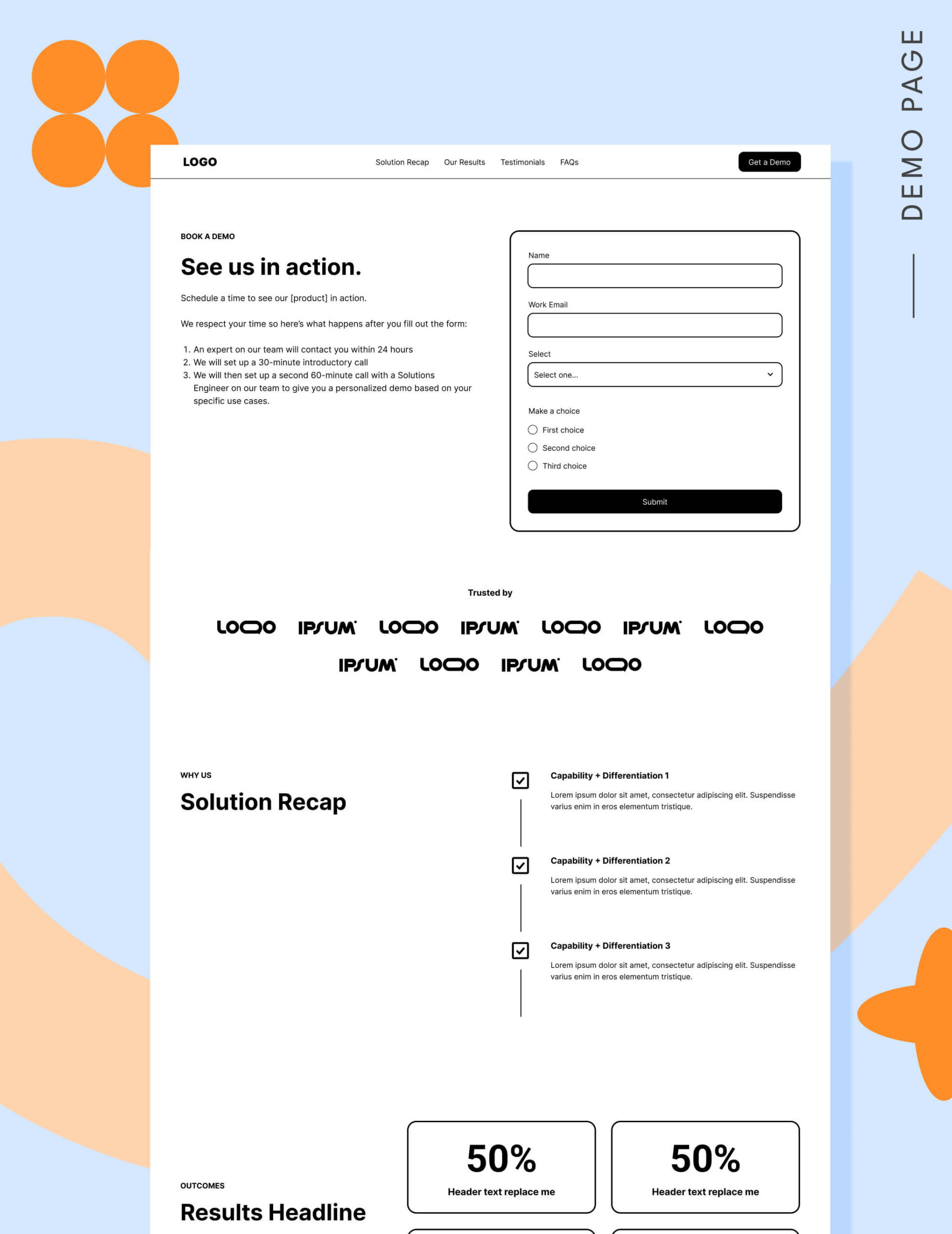
To address these challenges, B2B landing page experts, including prominent consultant Tas Bober, have advocated for the "Core Four" landing page framework. This strategy posits that a demo page should never be the first point of contact for a buyer. Instead, it serves as the final destination in a structured informational ecosystem. The four essential stages include:
- Awareness and Education (Top of Funnel): Pages designed to define the problem and introduce the brand’s unique perspective.
- Comparison and Validation (Middle of Funnel): Pages that explicitly compare the solution against competitors or the status quo.
- Pricing and Qualification: Dedicated pages that provide transparent cost structures to help buyers self-qualify.
- The Demo Landing Page (Bottom of Funnel): A high-intent destination for buyers who have completed their research and are ready for a consultative conversation.
By the time a visitor reaches the demo page, the objective is no longer to introduce the product but to remove final points of friction and confirm that a meeting is a productive use of the buyer’s time.
Performance Benchmarks and the Navigation Model Shift
The 2024 Unbounce Conversion Benchmark Report established a median conversion rate of 3.8% for SaaS landing pages. However, 2025 and 2026 data from first-party B2B research indicates that high-performing demo pages often hover around a 3.1% average, with significant variance based on traffic intent.
A pivotal change in the landing page landscape occurred in early 2025 when Google updated its ad quality prediction model. Historically, marketers were encouraged to remove all navigation from landing pages to prevent "leaks" in the conversion funnel. The 2025 update, however, began to reward landing pages that provide access to relevant next steps through minimal navigation. Google’s model now penalizes pages that trap users, recognizing that if a buyer is not ready to book a demo, providing links to a pricing page or a case study library is better for the user experience—and the ad’s quality score—than forcing an exit back to the search results page.
Anatomical Requirements of a High-Performing Demo Page
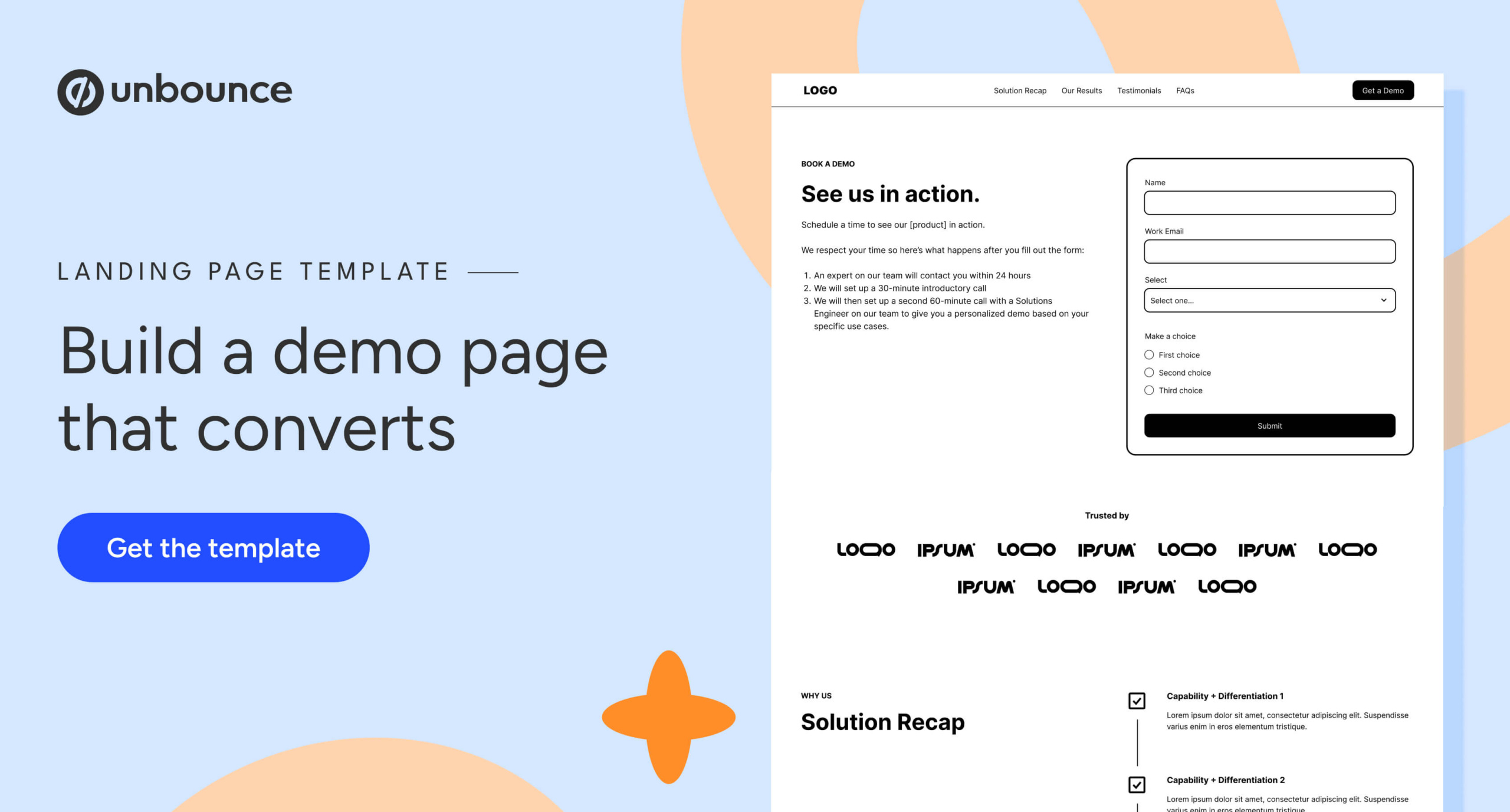
For a demo landing page to convert at or above industry benchmarks in 2026, it must function as a comprehensive "decision-support" tool. Industry leaders have identified several non-negotiable elements for the page structure:
Strategic Navigation and the Hero Section
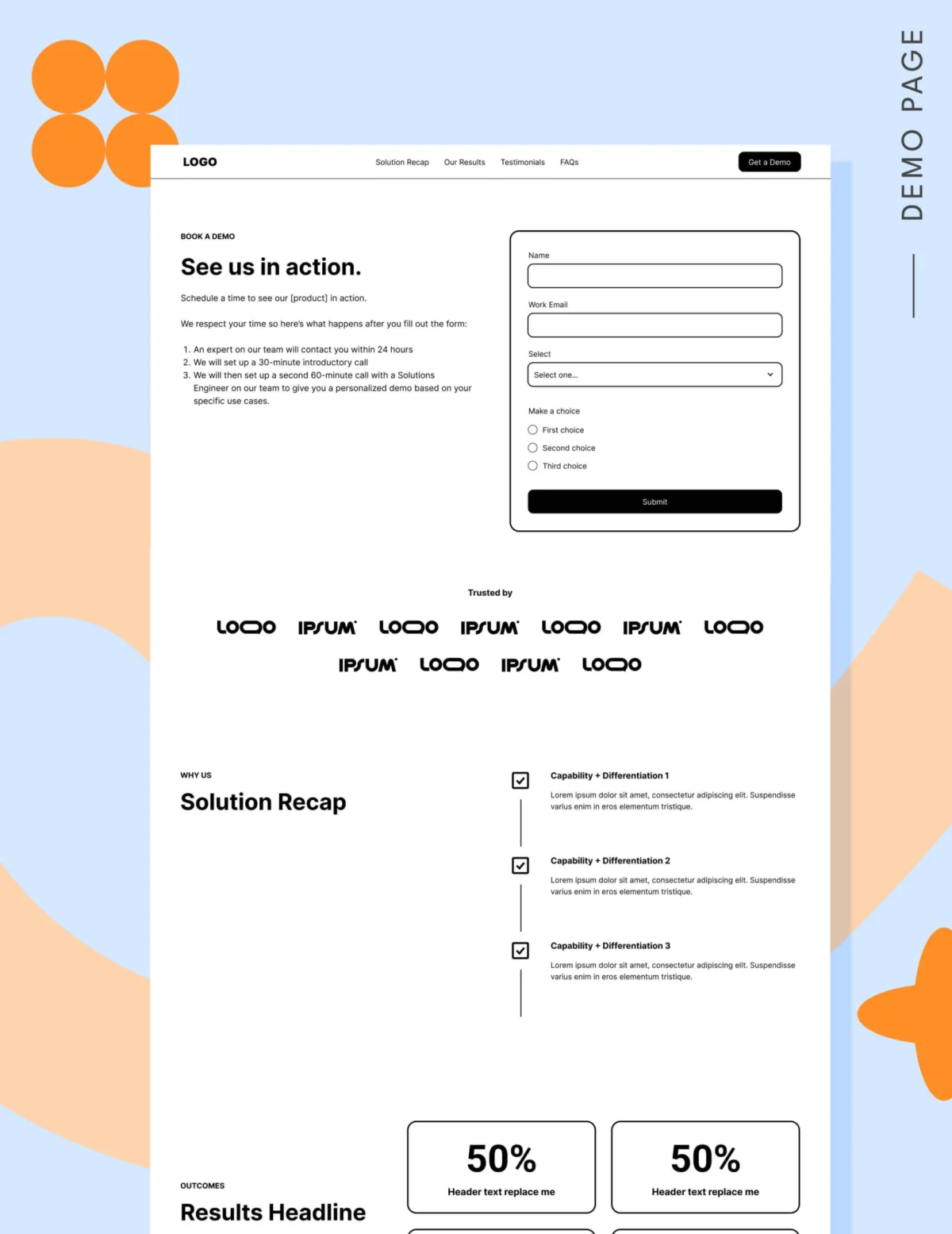
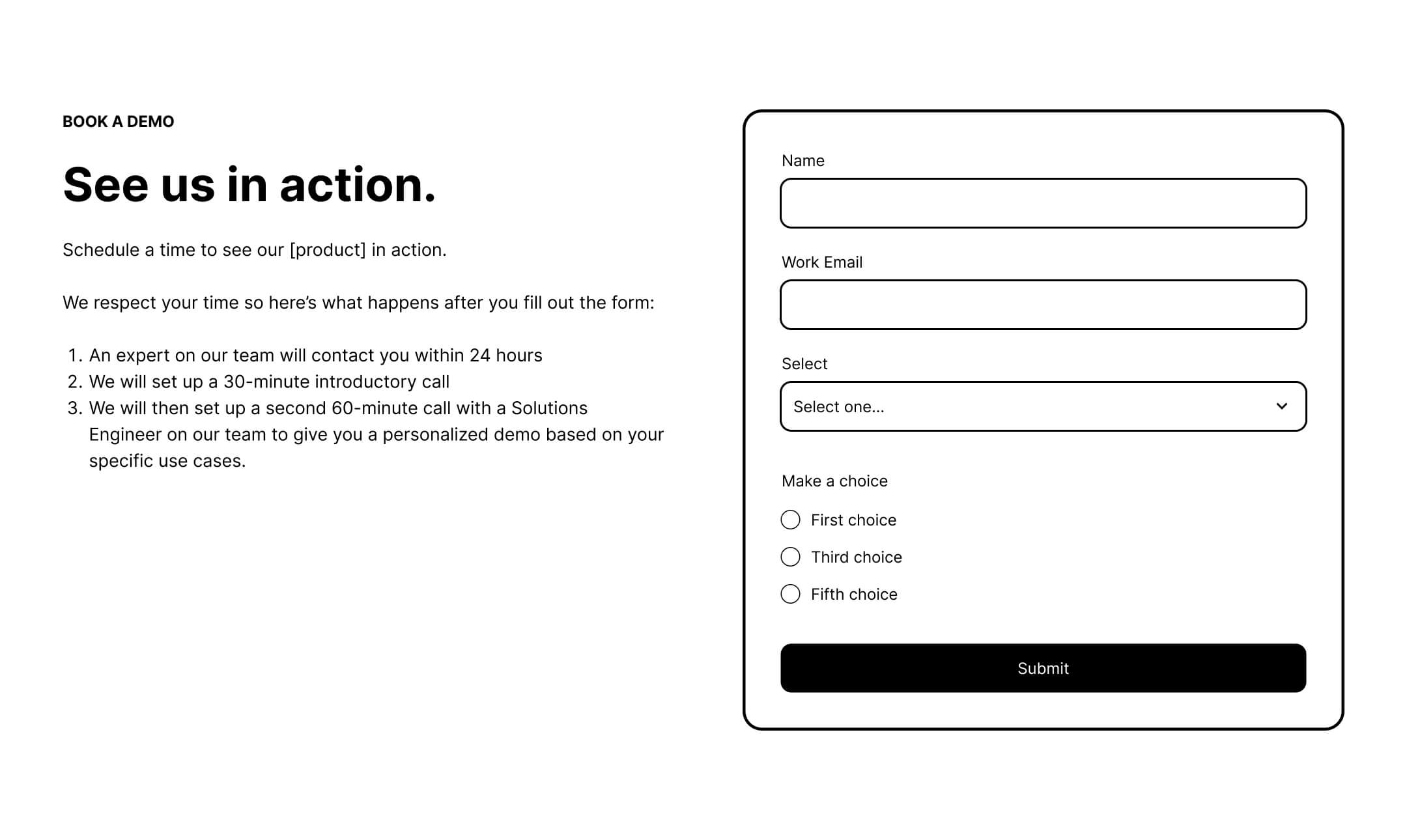
While a full website header is still discouraged, a "minimalist nav" using anchor links is now considered a best practice. This allows users to jump directly to sections regarding results, pricing, or FAQs. The hero section must prominently feature the lead capture form but must also provide an immediate value proposition. Crucially, the copy should explain exactly what happens after the form is submitted. Uncertainty regarding the "next step" is cited as a primary reason for form abandonment.

The "Logo Garden" and Measurable Results
Social proof has evolved beyond simple brand logos. While a "logo garden" of recognizable clients remains a shorthand for trust, 2026 buyers demand quantifiable results. High-converting pages now pair testimonials with specific data points—such as percentage increases in efficiency or specific ROI figures—to validate the software’s efficacy.
The Pricing Transparency Mandate
One of the most debated topics in SaaS marketing is the inclusion of pricing on demo pages. While sales-led organizations have traditionally resisted this, data suggests that providing at least a "starting at" range significantly improves lead quality. Transparent pricing allows low-budget prospects to self-screen, ensuring that the sales team’s time is spent on leads with a realistic chance of closing.
Technical Optimization: Form Fields and Scheduling Tools
The technical execution of the demo request can be as impactful as the copy itself. Conversion data from 2026 shows a sharp drop-off in completion rates once a form exceeds five fields.
- Five fields or fewer: ~17% conversion rate.
- Seven fields: ~11% conversion rate.
- Ten or more fields: Under 7% conversion rate.
To balance the need for lead qualification with the desire for high volume, many firms are moving toward "smart forms" or "positive friction." This involves asking one or two high-impact qualifying questions (such as company size or primary use case) while keeping the overall field count low.
Furthermore, the choice between a traditional static form and a scheduling tool like Calendly has become a strategic decision. Scheduling tools are increasingly preferred for high-intent, warm traffic (such as returning visitors or those coming from pricing pages), as they provide the buyer with immediate gratification. Conversely, static forms remain the standard for broader "request a demo" traffic where a manual qualification step by a Sales Development Representative (SDR) is still required to maintain calendar hygiene.
The Shift in Call-to-Action Messaging
A significant trend observed in 2026 is the movement away from the phrase "Request a Demo" in favor of more descriptive, lower-pressure alternatives. A case study involving the software firm FORM demonstrated that changing the CTA from "Request a Demo" to "Take a Tour"—and incorporating an interactive product preview on the page—resulted in a 33% increase in PPC conversions.
Psychologically, "Request a Demo" implies a high-pressure sales pitch. In contrast, "Take a Tour" or "See the Product in Action" suggests a self-guided or educational experience. This shift reflects the 2026 buyer’s desire for autonomy and their aversion to being "sold to" before they have seen the product’s interface.
Broader Impact and Industry Implications
The refinement of SaaS demo pages is part of a larger industry move toward "Product-Led Growth" (PLG) and "Buyer-Centric" marketing. As the cost of customer acquisition (CAC) continues to rise, the efficiency of the demo landing page becomes a critical lever for profitability.
Industry analysts suggest that the "black box" approach to sales—where buyers must talk to a human to see a price or a product—is rapidly becoming obsolete. The companies seeing the highest growth in 2026 are those that treat their demo page not as a trap to catch leads, but as a resource to empower buyers.
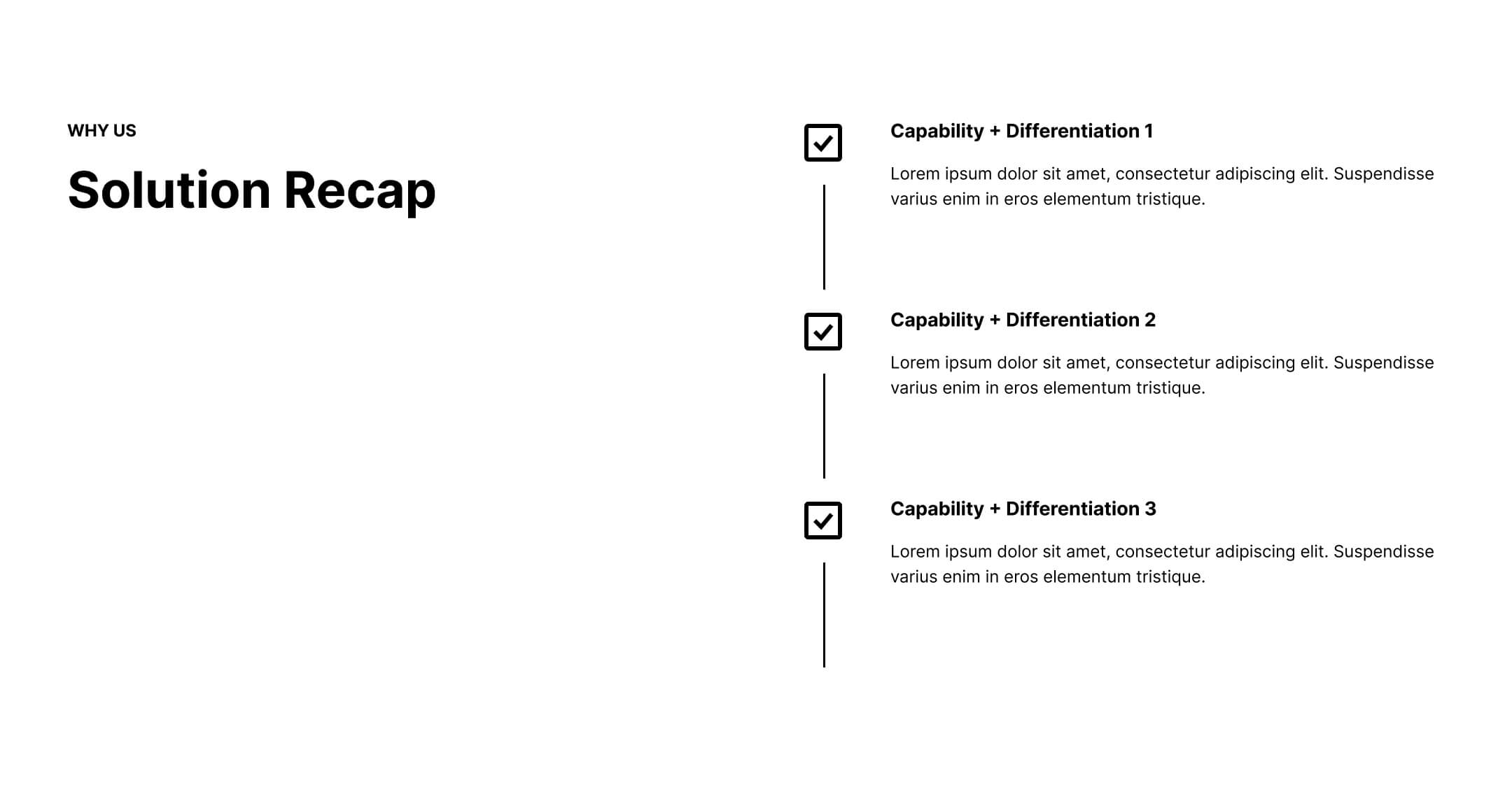
In conclusion, the success of a SaaS demo landing page in the current market depends on two factors: the precision of the traffic targeting and the elimination of buyer anxiety on the page. By aligning landing page design with the 211-day buyer journey, offering transparent pricing, and providing a clear "what to expect" roadmap, SaaS companies can bridge the gap between marketing effort and sales success. The goal is no longer just to get a click, but to facilitate a confident "yes" from a well-informed prospect.

 Evan Lee Salim
 Muslim