Asep Darmawan
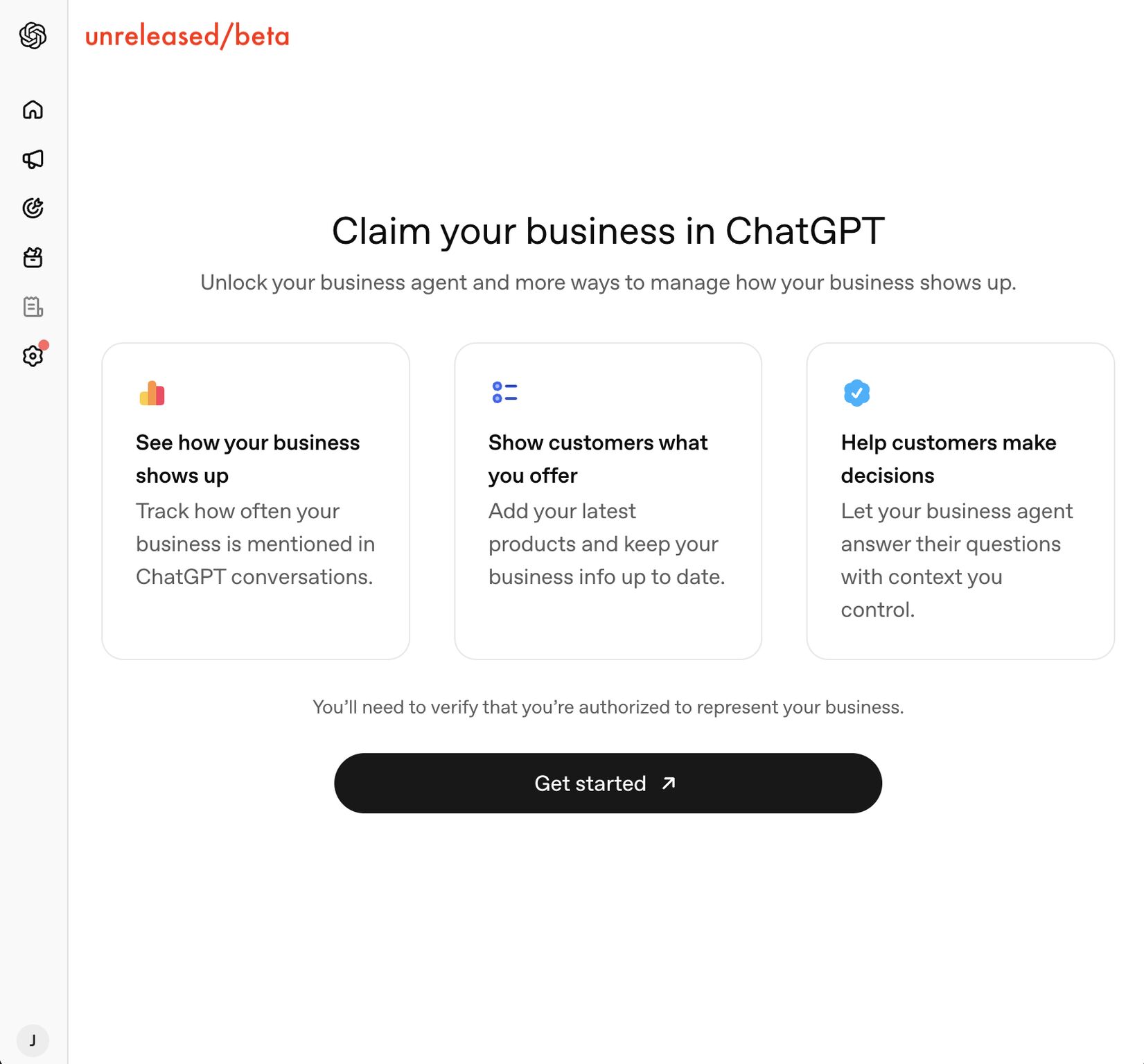
OpenAI, the pioneering artificial intelligence research and deployment company, is actively developing a sophisticated suite of tools designed to provide businesses with unprecedented insights into their presence and performance within the ChatGPT ecosystem. This initiative, likened to traditional webmaster tools such as Google Search Console, aims to empower companies to "claim their business in ChatGPT" and meticulously track their success through detailed analytics on mentions and user engagement. This development marks a significant step in the maturation of AI platforms as measurable business channels, moving beyond mere interaction to verifiable impact.
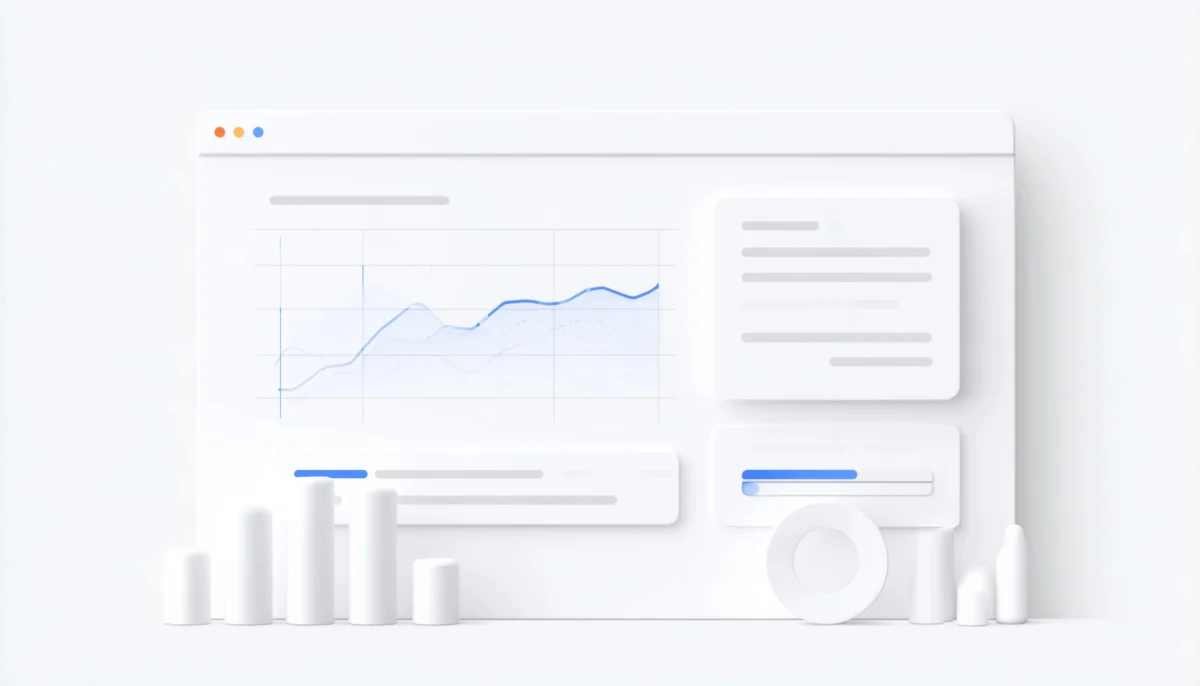
The initial insights into these forthcoming tools emerged from observations shared on LinkedIn by Juozas Kaziukėnas, an astute industry observer. Kaziukėnas highlighted that ChatGPT is constructing an analytics platform specifically designed to "track how often your business is mentioned in ChatGPT conversations." This functionality extends beyond simple mention counts, encompassing a comprehensive measurement of both impressions and clicks. Impressions are defined as the number of times a business appeared in ChatGPT responses, while clicks refer to the instances where users engaged with links to the business’s website provided within those responses. The system is designed to track these events on a daily basis, presenting the data through intuitive charts, offering businesses a clear visual representation of their AI-driven visibility.
The Genesis of AI Business Metrics: A Chronology of Development
The conceptualization and initial development of these analytics tools appear to have commenced as early as August of the preceding year. Kaziukėnas noted that he observed the "first steps" of this feature during that period, indicating a phased and deliberate development process by OpenAI. The recent appearance of a promotional banner signaling the nearing launch suggests that the project has reached an advanced stage. This timeline underscores OpenAI’s strategic commitment to integrating robust business-centric functionalities into its flagship conversational AI product. The tools are reportedly part of a larger "Business Hub" feature, an integrated platform envisioned to serve the multifaceted needs of enterprises engaging with ChatGPT. Crucially, access to these advanced features will be contingent upon businesses verifying their ownership, potentially through established digital integrations such as connecting their Shopify store, ensuring data accuracy and secure access.
The analogy to Google Search Console is particularly pertinent here. For decades, Search Console (and its predecessor, Google Webmaster Tools) has been an indispensable resource for website owners and digital marketers. It provides critical data on how a site performs in Google Search, including search queries, crawl errors, mobile usability, and indexing status. This historical context highlights the profound need for a similar analytical backbone for businesses operating within the burgeoning conversational AI landscape. Just as Search Console became the bedrock for Search Engine Optimization (SEO), these new ChatGPT tools are poised to become foundational for what could be termed "AI Engine Optimization" (AEO) or "Conversational AI Optimization" (CAIO).
Key Features and Reported Limitations: A Balanced Perspective
The analytics suite, as described, will offer vital first-party data. Businesses will be able to ascertain the direct impact of ChatGPT on their brand visibility and website traffic. The daily tracking of impressions and clicks provides a granular view of engagement trends, allowing for timely adjustments to content strategies or AI interaction models. This direct measurement of user interaction within ChatGPT responses represents a new frontier in digital attribution.
However, Kaziukėnas’s observations also shed light on the initial limitations of the system. The tool will not disclose prompt data, user-specific information, or provide competitive benchmarking or ranking metrics. This means businesses will not gain direct insight into the specific queries users posed that led to their mention, nor will they see how their performance compares to competitors within ChatGPT. While these limitations might seem significant, they are likely a deliberate choice by OpenAI to safeguard user privacy and prevent misuse of sensitive competitive intelligence.
Despite these exclusions, the data remains highly valuable. As Kaziukėnas noted, while it won’t directly explain why mentions or clicks are fluctuating, "combined with external tools that track prompts it will show accurate first-party data if GEO/AEO strategies are working." This implies that businesses employing other analytics platforms or internal prompt analysis tools can cross-reference data from ChatGPT’s new suite to form a more complete picture. For instance, if a business is actively optimizing its online content for specific geographic or answer-engine-optimized (AEO) queries, the ChatGPT analytics can confirm whether these strategies are translating into increased visibility and engagement within the AI’s responses. This separation of concerns—OpenAI providing platform-specific engagement metrics, and businesses leveraging their own data for strategic insights—appears to be a pragmatic approach.
Furthermore, it is important to distinguish this initiative from OpenAI’s advertising efforts. The reported analytics tools are designed for organic ChatGPT responses, meaning they measure naturally occurring mentions and citations of businesses within the AI’s conversational outputs, rather than paid placements. This focus on organic reach underscores the growing importance of a brand’s inherent discoverability and relevance within AI models.
Broader Implications for Businesses and Digital Marketing
The introduction of these analytics tools carries profound implications for the digital marketing landscape and how businesses manage their online presence in an increasingly AI-driven world.
-
Strategic Advantage and "AI Visibility": For businesses, understanding their "AI visibility" becomes a new critical performance indicator. Companies can strategically optimize their public information, website content, and knowledge bases to ensure they are accurately and prominently cited by ChatGPT. This involves crafting clear, concise, and authoritative content that aligns with how AI models process and synthesize information. Early adopters who master this "AI Engine Optimization" could gain a significant competitive edge. They can use the data to refine their messaging, identify gaps in their AI-accessible information, and proactively shape their brand narrative as interpreted by large language models.
-
Evolving SEO and Content Strategies: Traditional SEO has focused on keywords, backlinks, and technical website performance for search engines. While these remain important, the rise of conversational AI necessitates a shift towards "answer engine optimization." This means creating content that directly answers common questions, provides factual accuracy, and is structured in a way that AI models can easily parse and incorporate into their responses. The ChatGPT analytics will provide concrete feedback on the effectiveness of these new content strategies, allowing marketers to iterate and improve. The concept of "claiming" a business in ChatGPT also suggests a verification process that could influence how AI prioritizes or authenticates information sources, potentially favoring verified entities.
-
OpenAI’s Strategic Market Positioning: For OpenAI, this move is a strategic masterstroke. By providing businesses with measurable outcomes, they are solidifying ChatGPT’s position not just as a consumer-facing AI, but as a robust business platform. This deepens enterprise integration, fosters loyalty, and creates new avenues for value creation. It also lays the groundwork for potential future premium services, advanced analytics features, or even a marketplace for AI-optimized content and services. By offering tangible ROI metrics, OpenAI encourages greater business adoption and investment in leveraging ChatGPT for brand visibility and customer engagement. This also helps to legitimize AI as a serious channel for marketing and customer acquisition.
-
The Future of Brand Reputation Management: In an era where AI can significantly influence public perception by synthesizing information about brands, these tools become crucial for reputation management. Businesses can monitor how they are being represented by ChatGPT and intervene if inaccurate or outdated information is being propagated. This proactive approach ensures brand consistency and accuracy in the AI’s vast knowledge base. The ability to track mentions allows companies to identify emerging topics or sentiment associated with their brand within AI conversations.
The Competitive Landscape and Future Outlook
The development of ChatGPT’s business analytics tools unfolds within a fiercely competitive AI landscape. Google, with its Gemini AI model and deeply integrated search ecosystem, already possesses a formidable suite of analytics tools. Microsoft is also aggressively integrating AI into its Bing search engine and Copilot assistant. The race among these tech giants is not just about building the most powerful AI model, but also about creating the most comprehensive and valuable ecosystem for users and businesses alike.
This new offering from OpenAI signals a clear intent to compete directly in the realm of business-to-AI interaction measurement, a space previously dominated by traditional web analytics. It could catalyze the emergence of entirely new categories of AI analytics platforms and specialized agencies focused on "conversational AI optimization." As AI becomes increasingly ubiquitous in information retrieval, the ability to measure and optimize one’s presence within these AI systems will become as fundamental as traditional SEO.
Furthermore, this move highlights a broader industry trend towards greater transparency and measurability in AI interactions. As businesses invest more in AI-driven strategies, the demand for clear, actionable data will only grow. OpenAI’s initiative is a response to this demand, pushing the boundaries of what is possible in understanding and optimizing the interplay between businesses and artificial intelligence.
Technical Considerations and Data Privacy
From a technical standpoint, the implementation of such a system requires robust infrastructure to process vast amounts of conversational data, identify business mentions, and attribute impressions and clicks accurately. The challenge lies in developing sophisticated algorithms that can reliably distinguish genuine business mentions from casual references, and accurately track user engagement with linked content.
Data privacy remains a paramount concern in the AI domain. OpenAI’s decision to exclude prompt data and user-specific information from these analytics is a critical privacy safeguard. This ensures that businesses gain insights into their own performance without infringing on the privacy of individual users or revealing sensitive conversational content. The verification process for business ownership is also vital for data security and preventing unauthorized access to analytics. This approach seeks to strike a balance between providing valuable business intelligence and upholding stringent privacy standards, a balance that will be continuously scrutinized as AI technology evolves.
In conclusion, OpenAI’s development of comprehensive business analytics and citation tools for ChatGPT represents a pivotal moment in the commercialization and maturity of artificial intelligence. By offering businesses a "Search Console for AI," OpenAI is not only enhancing the value proposition of ChatGPT but also charting a new course for how enterprises measure, optimize, and strategically engage with the evolving landscape of AI-driven information discovery. This innovation is set to redefine digital marketing strategies, foster a deeper integration of AI into business operations, and ultimately empower companies to thrive in an increasingly intelligent digital world.

 Basiran

 Nana Muazin