Muslim
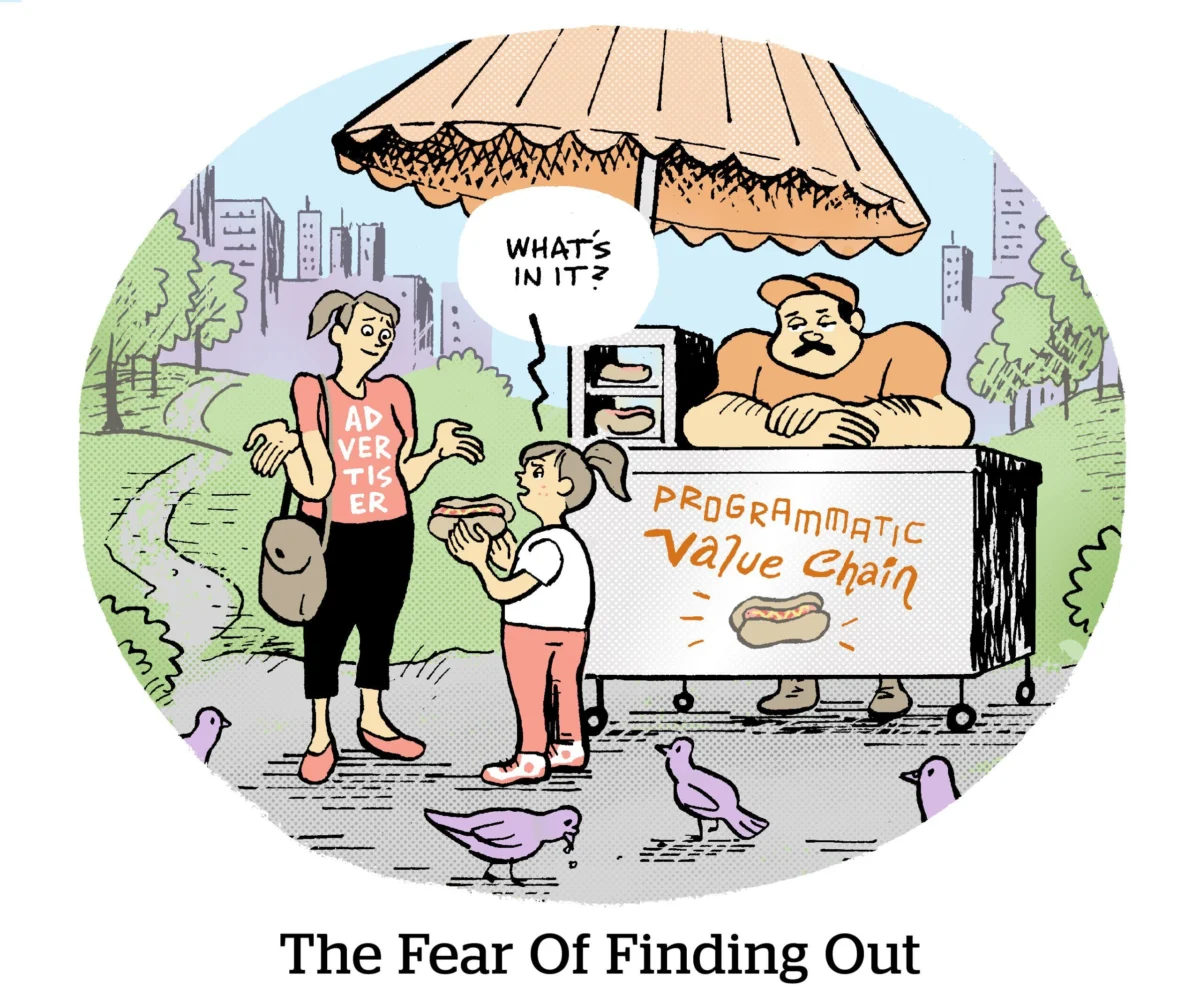
The advertising industry has long grappled with the proliferation of Made-For-Advertising (MFA) websites, entities that cynically leverage programmatic ad technology to generate revenue from low-effort content. Now, emerging research indicates that generative artificial intelligence (AI) is poised to significantly exacerbate this problem, fueling an explosion of AI-generated content farms, commonly referred to as "AI slop," designed to exploit the digital advertising ecosystem. A recent study by advertising supply chain intelligence firm DecryptAds has shed light on this burgeoning issue, uncovering over 2,100 AI-generated recipe websites that mirror the tactics of established MFA operations.
These newly identified sites inundate users with a barrage of ad placements on pages filled with low-quality, AI-generated content. Disturbingly, the research found that advertisements from major blue-chip and Fortune 500 brands are appearing on these digital culinary imitators, raising significant concerns about brand safety and the integrity of the programmatic supply chain. The DecryptAds report highlights that these recipe sites are merely one facet of a broader network of ad-supported platforms operated by the same publishers, which also include political news aggregators and forums dedicated to cars, anime, and video games.
The core of the issue, according to DecryptAds, lies in the monetization strategies employed by these sites. By analyzing ads.txt and sellers.json files, the firm identified that these recipe sites are being monetized by Supply-Side Platforms (SSPs) that collaborate with ad tech partners located in what DecryptAds terms "risky geographies." These regions are characterized by high rates of cybercrime or often have strained geopolitical relationships with the United States, according to Zach Edwards, co-founder and chief of product and research at DecryptAds. This geographical association immediately raises red flags regarding data security and the potential for malicious activities.
"The idea that US citizens—including, potentially, government officials—can access these sites, have their data harvested by ad tech vendors, and possibly be targeted with malvertising schemes presents major cybersecurity concerns," Edwards stated in an interview with AdExchanger. While DecryptAds has not yet uncovered direct evidence of criminal activity by these specific sites or their ad tech partners, the potential for such exploitation is a significant worry. The ad inventory offered on these platforms is of dubious value, Edwards explained, as the sites are deliberately crammed with ad placements designed to manipulate viewability metrics, a hallmark of MFA operations.

The content itself often consists of AI-generated recipes that mimic viral trends or replicate popular pages from established cooking websites, resulting in "close-enough" versions that clearly lack human oversight. These recipes can be nonsensical, even bizarre, appearing to be mere compilations of search keywords rather than genuinely tested culinary creations. One particularly outlandish example cited is "Hot Cocoa Buffalo Chicken Gingerbread Dip with Marshmallow Topping." Such content, Edwards argues, should be readily identifiable as out of place within a healthy programmatic supply chain, especially in light of recent changes by Google Search that aim to deprioritize content from AI-generated authors and creators.
The Illusion of Authorship: AI Avatars and Fabricated Identities
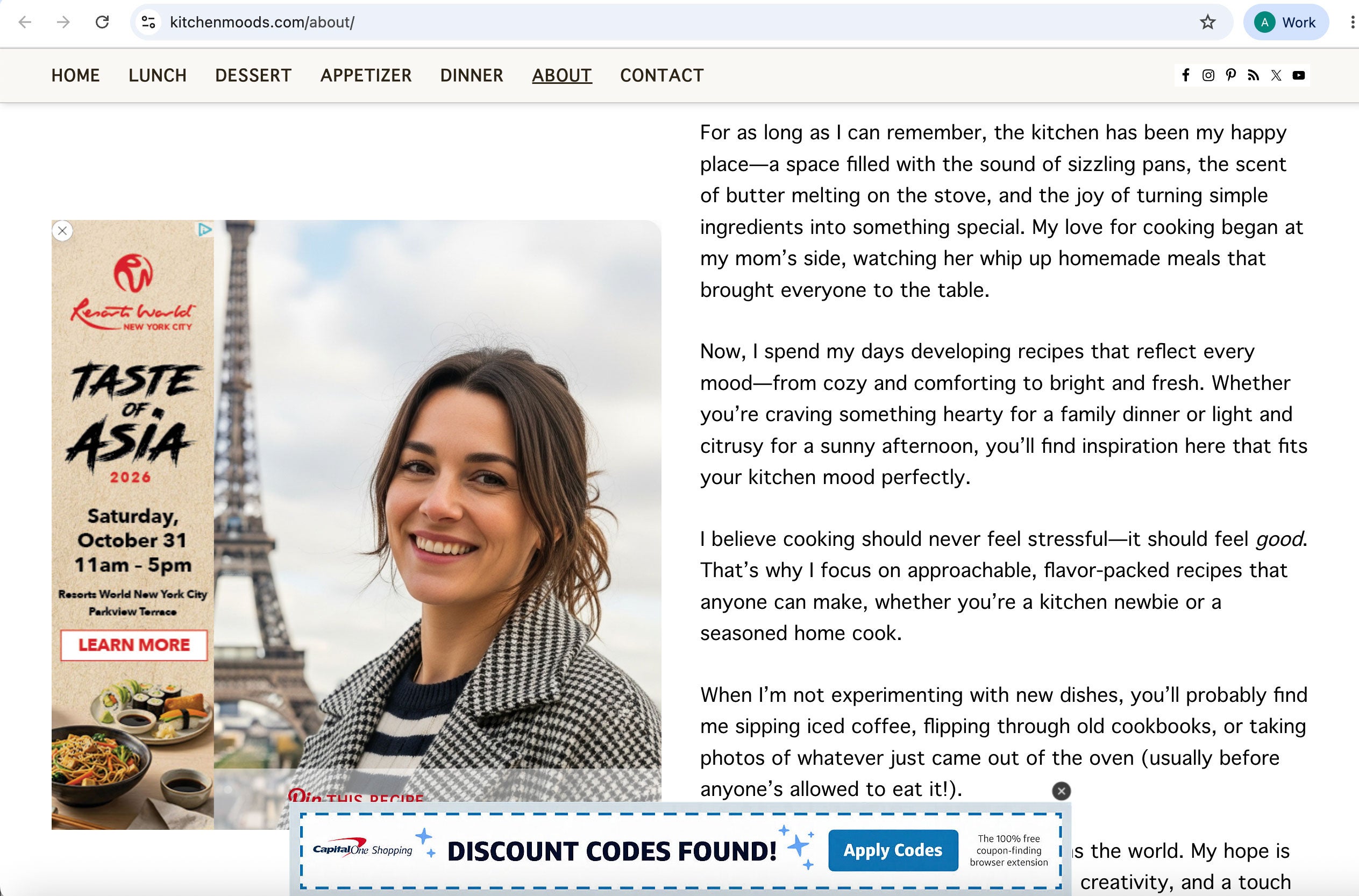
A key factor contributing to the difficulty in policing these AI-generated sites is their deliberate attempt to mimic the appearance of human-created content. The networks uncovered by DecryptAds feature fabricated author profiles on their "about" pages. These profiles often include AI-generated human avatars, stock images, stolen photographs of real chefs, and even slightly altered images of celebrities, such as actress Emily Blunt. This practice of creating deceptive author profiles, often without disclosure, directly contravenes recent updates to Google’s Search policy.
Google’s "Helpful Content Update," implemented in October 2026, explicitly states that "fabricating creator profiles (such as by using AI-generated headshots, made-up names or false credentials to make content appear as if it was written by human experts) is a form of deception." The policy further elaborates that any form of deception renders a page untrustworthy to both users and automated quality systems, signaling low-quality content. Edwards suggests that this policy serves as a clear indicator to the advertising industry: websites that fail to disclose their use of AI-generated authors risk being officially classified as "low-quality" and therefore unsuitable for monetization.
However, a source within an SSP, speaking anonymously to AdExchanger for candor, argued that Google’s search guidance pertains specifically to its search business and should be considered separate from the best practices advocated by Google Ads. This source also challenged the notion that sites with AI-generated authors inherently lack value, pointing out that real users frequently click on and engage with AI-generated content.
DecryptAds Methodology: Tracing the Digital Footprints
The DecryptAds investigation was initially prompted by concerns over potential cybercrimes and state-backed malicious actors exploiting the ad supply chain. While the report does not currently present evidence of direct criminal activity, the methodology employed by DecryptAds was heavily influenced by cybersecurity considerations. The team began by monitoring ad tech companies registered in what they categorize as "risky geographies." These include countries like Russia, China, Cyprus, Turkey, and the United Arab Emirates, identified due to various factors such as US sanctions, adversarial relationships with the US, lax government-tech company privacy firewalls, or high associations with cybercrime and ad fraud. DecryptAds categorizes these nations into threat tiers, with sanctioned countries like Russia at the highest level.

The research commenced by examining the supply chains of approximately 300 ad tech companies situated in these high-risk regions. Through an analysis of ads.txt files, DecryptAds compiled a list of publishers collaborating with these companies. Further investigation of sellers.json files maintained by SSPs, along with DNS data and SSL certificates, helped identify the SSPs involved. Using a curated list of food-related keywords, Edwards then filtered the identified sites to an initial list of "400 suspicious recipe websites." Manual verification confirmed that these sites employed AI-generated avatars and obscured their true authorship. AdExchanger’s own testing of several active URLs provided by DecryptAds corroborated these findings, with many sites failing AI detection or featuring easily identifiable stock author images.
DecryptAds then created over 190 "technical footprints" to identify other sites operated by the same owners. This extensive analysis led to the discovery of 2,116 such websites that had infiltrated the programmatic ad supply chain through complex reseller relationships among global ad tech partners. The technical footprints also revealed that ownership of some of these sites could be traced back to additional risky geographies, with social media profiles linked to Morocco and Algeria. Edwards noted that the layered nature of the programmatic supply chain makes it easy for dubious site operators to evade detection. He suggested that the monetization of these sites indicates a failure by some SSPs and ad tech platforms to adequately vet publishers. However, he also acknowledged the inherent difficulty in completely eradicating "junk" inventory, even with rigorous vetting processes.
The Importance and Limitations of Transparency Tools
The DecryptAds research underscores the critical role of tools like ads.txt and sellers.json in identifying vulnerabilities within the programmatic advertising chain. These public files serve as the primary means of verifying relationships between publishers and ad tech vendors. Nevertheless, they are not infallible. Publishers often neglect to update these files regularly, leading to inaccuracies.
An example cited in the DecryptAds report involves dailytastekitchen.com. The site flagged HBAgency as its SSP, and HBAgency’s ads.txt file indicated connections to eight ad tech companies from DecryptAds’ "risky geo" list, including Between Digital (Russia), Mintegral (China), AdMatic (Turkey), and Monetix Ads (UAE). However, HBAgency disputed the extent of these relationships, stating to AdExchanger that they only work directly with Monetix Ads, which in turn uses technology from AdMatic. HBAgency emphasized that neither Monetix Ads nor AdMatic are based in sanctioned countries, and that Turkey, their location, is a NATO member and EU candidate country.
A spokesperson for HBAgency asserted that all publishers onboarded to their SSP undergo screening by an independent third-party fraud provider. They also conduct checks for invalid traffic and implement "enterprise-grade malvertising protection." Furthermore, HBAgency claims to continuously review publishers and disable accounts that violate their terms of service, explicitly stating they do not serve ads in or work with partners based in sanctioned jurisdictions like Russia, Belarus, Iran, and North Korea. Despite these assurances, the DecryptAds report alleges that HBAgency is a monetization partner for a significant portion of the AI slop websites identified. This discrepancy highlights the complexities and challenges faced by advertisers and SSPs in effectively identifying and avoiding the monetization of such sites, regardless of the specific fault lying with either DecryptAds’ methodology or HBAgency’s vetting processes.
Edwards commented on the complexity of attribution, stating, "We purposefully tried to only mention the SSPs briefly [in the report], because these things are so complex that it’s hard to attribute things back to any one specific entity with complete accuracy and confidence."
Industry Responses: Acknowledgment and Divergent Views
DecryptAds’ objective, as stated by Edwards, is not to assign blame but to raise an urgent alarm about the escalating volume of AI-fueled MFA inventory entering the market. Without proactive measures, the industry risks being overwhelmed by low-quality websites.
In response to AdExchanger’s inquiries, several SSPs and ad tech vendors mentioned in the DecryptAds report provided statements regarding their quality control measures. HBAgency’s response, as detailed above, emphasized their rigorous vetting processes.
MonetizeMore, flagged for monetizing 11 AI slop sites, stated that they are "not actively running any MonetizeMore demand or our demand partners on any of the 11 sites listed." The company’s CEO, Kean Graham, confirmed they initiated a broader review of their publisher inventory and are committed to demonetizing any sites that do not meet their standards. Graham also confirmed that MonetizeMore is aware of Google’s helpful content update regarding AI authors and stated that this guidance aligns with their existing publisher standards, adding, "Inventory that relies on deceptive authorship violates Google’s guidance. We do not think advertisers should be buying it and we do not monetize it."
Ezoic, which DecryptAds reported as monetizing 407 of the AI recipe sites, took issue with the premise that AI authorship inherently equates to low-value content. "The internet is filled with low-quality content, both human-written and AI-generated," Ezoic stated. "We believe the industry should judge content by its quality and usefulness, rather than treating how it was produced as a substitute for that assessment." Ezoic detailed its extensive review process, rejecting over 98% of applicant sites, and emphasized their evaluation of content quality, audience engagement, and real-time brand safety. They further argued that AI-generated recipes can provide genuine value to users and advertisers, stating, "Whether AI helped produce the recipe does not, by itself, determine its value. What matters is whether the recipe is accurate, works and delivers what it promises."

Culture G and Between Digital did not respond to requests for comment.
Data Security in "Risky Geographies"
Mintegral, the final company contacted, addressed the report’s data security concerns. A Mintegral spokesperson stated that they "reviewed our records and found no record of having served ads directly on the specific site referenced in the report." They reiterated their stance against fabricated author identities and emphasized that their core business is mobile in-app advertising, with limited mobile web inventory accessed through third-party exchanges. Regarding third-party web traffic, they receive bid data from exchange partners operating under privacy safeguards. Addressing concerns about their origin in China, a "risky geo," Mintegral stated, "Mintegral has no history of security incidents or regulatory actions concerning user data, and has not been subject to any government requests to access user data. It’s important to distinguish between legitimate questions about data security and generalized assumptions based on a company’s geographic associations."
Broader Implications and the Path Forward
The proliferation of AI-generated content farms like these recipe sites represents a significant challenge to the digital advertising ecosystem. It demands a more robust and sophisticated approach to publisher vetting, content verification, and supply chain transparency. The findings from DecryptAds serve as a stark warning that the rapid advancements in AI are creating new avenues for exploitation, requiring continuous adaptation and vigilance from all stakeholders. The industry must grapple with the dual challenge of preventing bad actors from profiting from deceptive practices while also ensuring that legitimate innovation in AI is not stifled. The ongoing dialogue between researchers, SSPs, publishers, and brands will be crucial in navigating this evolving landscape and preserving the integrity of digital advertising.


 Reynand Wu

 Azzam Bilal Chamdy