Nana Wu

The concept of holistic marketing has transitioned from a theoretical framework to a strategic imperative for global enterprises seeking to maintain a competitive edge in an increasingly fragmented digital economy. In the modern business landscape, the traditional approach of managing marketing channels in isolation is being replaced by a unified model that aligns every department—from human resources and operations to sales and customer service—under a singular brand message. This shift is particularly critical for the expansion of affiliate marketing programs, where external partners rely on brand consistency and operational transparency to drive high-conversion traffic. By integrating internal, relationship, and societal marketing dimensions, businesses can create a seamless customer journey that fosters long-term loyalty and sustainable revenue growth.
The Evolution of the Holistic Marketing Framework
Historically, marketing was viewed as a series of disparate activities categorized by the "4 Ps": product, price, place, and promotion. However, as consumer touchpoints have multiplied across social media, search engines, and third-party affiliate sites, the risk of brand dilution has increased. Holistic marketing addresses this by viewing the business as a single entity rather than a collection of parts. This philosophy recognizes that a customer’s perception of a brand is shaped not just by an advertisement, but by the tone of a customer service interaction, the ethics of the company’s supply chain, and the consistency of the messaging provided by affiliate partners.
Industry data suggests that companies with highly aligned marketing and sales teams experience 36% higher customer retention rates and 38% higher sales win rates. The holistic approach formalizes this alignment, ensuring that the brand identity remains stable regardless of where or how a consumer interacts with the company. For affiliate marketing specifically, this consistency is vital. Affiliates act as third-party ambassadors; if the brand they are promoting lacks a clear, unified identity, their ability to build trust with their audience is significantly compromised.
Dimensions of Holistic Marketing: A Multi-Layered Approach
To implement a holistic strategy effectively, organizations must balance four primary dimensions that dictate how the brand interacts with its internal and external environments.
Internal Marketing and Employee Advocacy
Internal marketing is the practice of treating employees as "internal customers." In a holistic model, the workforce must be the first to buy into the company’s vision and values. When employees in non-marketing roles—such as IT, logistics, or HR—understand the brand promise, their performance naturally aligns with the company’s external goals.
From a journalistic perspective, the impact of internal marketing is often visible in service-oriented industries. For instance, a tech company that prioritizes internal education ensures that its customer support team can speak fluently about new product features, reinforcing the marketing department’s claims of innovation. This alignment prevents the "expectation gap" that often leads to negative reviews and high churn rates.

Relationship Marketing and Lifetime Value
Moving beyond transactional interactions, relationship marketing focuses on the long-term engagement of customers, suppliers, and affiliates. The goal is to maximize Customer Lifetime Value (CLV) rather than focusing on a single sale. In the context of affiliate marketing, this involves treating affiliates as long-term business partners rather than temporary lead generators.
By providing affiliates with comprehensive data, high-quality creatives, and consistent communication, brands can turn them into "brand advocates." This relationship-driven approach creates a "snowball effect" where successful partnerships attract more high-tier affiliates, further amplifying the brand’s reach without a proportional increase in administrative overhead.
Societal Marketing and Corporate Responsibility
In 2024, consumer behavior is increasingly driven by values. Societal marketing requires companies to consider the ethical consequences of their marketing practices and their broader impact on society. This includes environmental sustainability, data privacy, and community support.
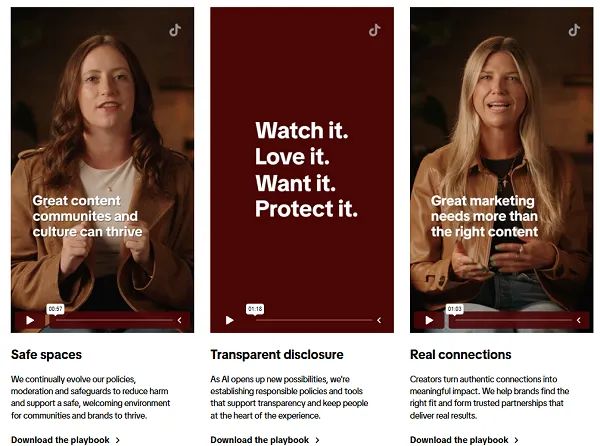
Market research indicates that nearly 70% of Gen Z consumers prefer to purchase from brands that advocate for social causes. When a company integrates societal marketing into its holistic strategy, it creates a "reputation moat." For example, a brand that donates a portion of its proceeds to charity and highlights this through its affiliate network provides those affiliates with a powerful, mission-driven story to tell, which often results in higher engagement rates than traditional discount-based promotion.
Key Components of a Unified Brand Strategy
A successful holistic marketing strategy is built upon several interconnected pillars that ensure operational efficiency and brand integrity.
Customer-Centricity in the Digital Journey
The customer-centric approach dictates that every business decision begins with the consumer’s needs. In an affiliate marketing context, this means ensuring that the transition from an affiliate’s content to the brand’s landing page is frictionless. If an affiliate promises a specific solution and the brand’s website fails to deliver that message immediately, the trust is broken. A holistic strategy synchronizes these touchpoints to ensure the buyer’s journey is intuitive and rewarding.
Integrated Marketing Mix and Brand Consistency
Integration is the process of making all marketing materials—social media posts, email newsletters, affiliate banners, and television ads—look and feel like they belong to the same family. This requires a strict adherence to brand guidelines, including typography, color palettes, and tone of voice. Consistency builds "brand salience," making the company more recognizable in a crowded marketplace. When a brand maintains a unified front, it reduces the "cognitive load" on the consumer, making the decision to purchase easier and faster.
Leveraging Data-Driven Decision Making
Holistic marketing relies heavily on analytics to bridge the gap between different departments. By utilizing a centralized data warehouse, companies can track how a social media campaign influences affiliate performance or how customer service feedback should inform future product development. Data-driven insights allow for "agile marketing," where strategies are adjusted in real-time based on actual consumer behavior rather than intuition.
Case Study: Apple Inc. and the Gold Standard of Holistic Integration
Apple Inc. serves as the premier global example of holistic marketing. The company’s success is not merely the result of high-quality hardware but of a meticulously coordinated ecosystem.
- Internal Alignment: Apple employees are known for their deep-seated belief in the brand’s mission of "thinking differently." This internal culture translates into a retail experience where staff act as consultants rather than salespeople.
- Product and Marketing Integration: The design of the iPhone, the interface of iOS, and the minimalist aesthetic of Apple’s advertising are perfectly synchronized. This creates a "walled garden" effect where the brand identity is inescapable and highly desirable.
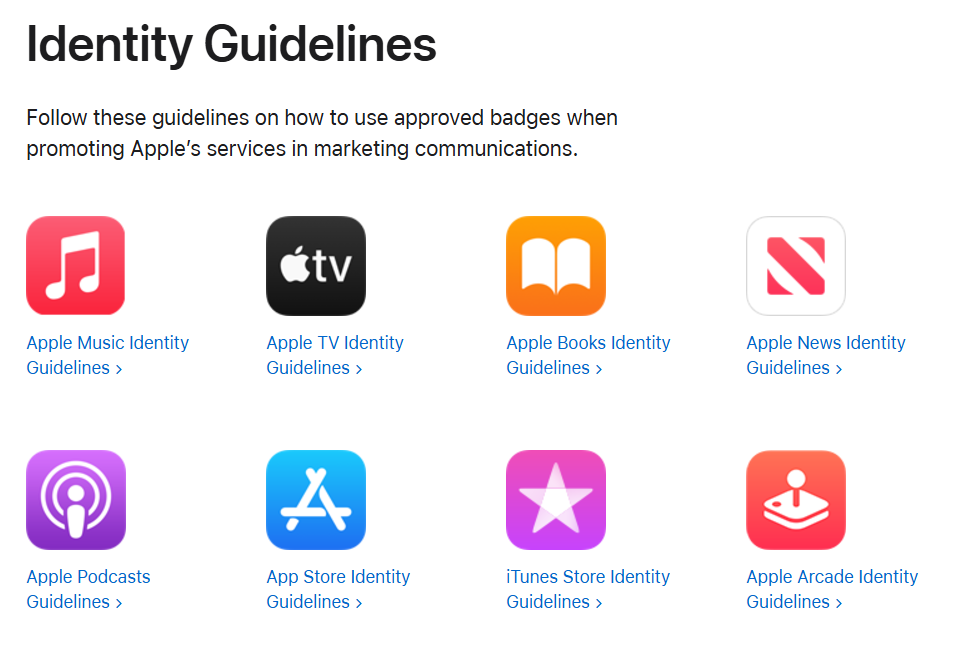
- Affiliate Synergy: The Apple Services Performance Partners Program provides affiliates with strict guidelines and high-quality assets, ensuring that even third-party promotions maintain the "premium" feel of the brand.
- Societal Impact: Apple’s public commitments to carbon neutrality and user privacy are not just PR moves; they are integrated into the product features themselves, serving as a core component of their societal marketing strategy.
Implementation Roadmap: Building a Holistic Strategy
For businesses looking to adopt this model, the transition requires a phased approach:
- Phase 1: Goal Definition (SMART Criteria): Objectives must be Specific, Measurable, Attainable, Relevant, and Time-bound. For an affiliate program, this might mean increasing the "active affiliate" rate by 20% within six months through better internal support.
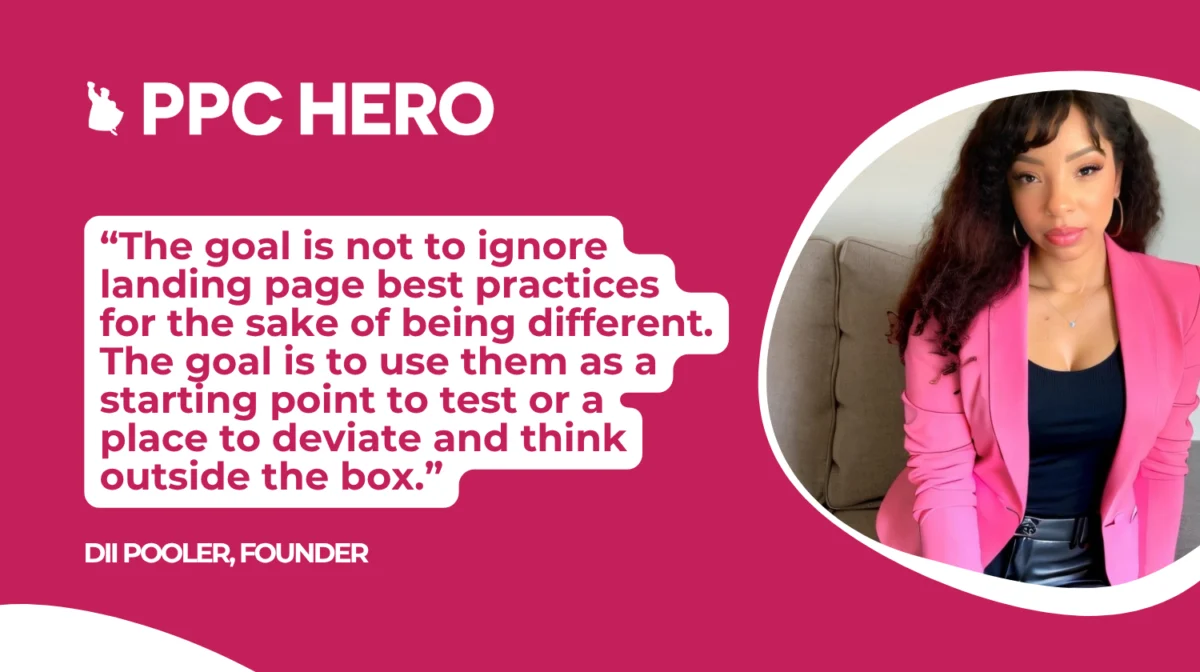
- Phase 2: Audience Research: Utilizing deep-dive analytics to understand the demographics and psychographics of the target market. This data must be shared with all departments to ensure a unified understanding of the customer.
- Phase 3: Cross-Departmental Synchronization: Breaking down silos by holding regular "holistic summits" where marketing, sales, and operations teams share insights and coordinate upcoming launches.
- Phase 4: Affiliate Empowerment: Equipping partners with the same level of brand education as internal employees. This ensures that the external "sales force" is as capable as the internal one.
Broader Impact and Future Implications
As artificial intelligence (AI) and machine learning become more prevalent, the future of holistic marketing will likely involve hyper-personalization. AI can help brands maintain a holistic view of millions of individual customer journeys simultaneously, delivering the right message at the right time across any channel, including affiliate networks.
Furthermore, the rise of "conscious consumerism" will make the societal marketing dimension more critical than ever. Companies that fail to integrate ethical practices into their core marketing strategy risk being "canceled" by a hyper-connected global audience. Conversely, those that embrace a holistic, transparent, and ethical approach will find that they not only grow their affiliate programs and sales but also build a resilient brand that can weather economic volatility.
In conclusion, holistic marketing is no longer an optional "extra" for business growth; it is the foundational architecture of modern commerce. By ensuring that every part of the organization speaks with one voice, businesses can deliver the consistency and value that today’s consumers—and affiliates—demand. This integrated approach is the most reliable path to achieving sustainable growth and a dominant market position in the years to come.


 Muslim