Layla Zulfa
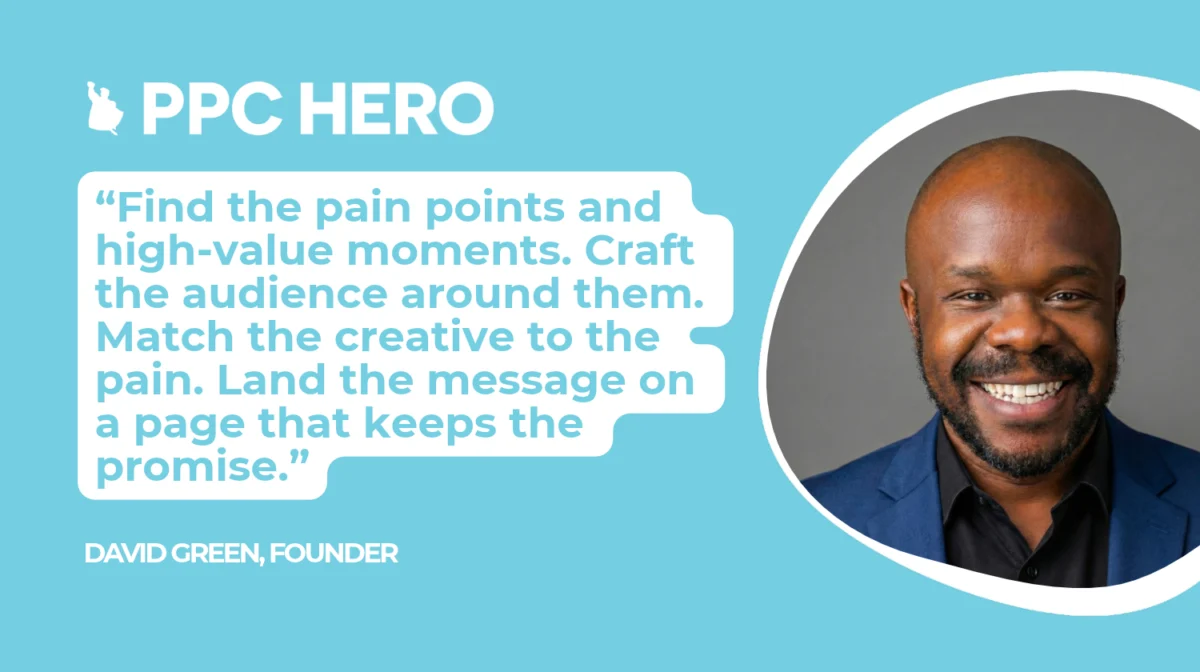
The landscape of digital advertising for local businesses has long been dominated by the immediate responsiveness of search engine marketing. However, a pivotal insight emerged from the 2024 Hero Conf in San Diego, challenging conventional wisdom and revealing a potent, often overlooked channel: display advertising. For many local marketers, myself included, display had consistently underperformed, generating a flurry of impressions but a trickle of attributable revenue, while search campaigns bore the brunt of lead generation efforts, often at escalating costs. This article outlines a transformative four-step process, presented at Hero Conf, that has since revolutionized our approach to non-search campaigns, turning them into the largest growth engines for our local client accounts.
The fundamental disconnect stemmed from a deeply ingrained habit cultivated by search advertising. Paid search professionals are conditioned to be literal. When a user searches for "water heater repair," the instinct is to bid on that exact phrase, craft ad copy directly addressing water heater repair, and relentlessly optimize for ad relevance and click-through rates. This literal-mindedness, while effective in search, proves counterproductive in visually driven and context-aware environments like Display, YouTube, and Demand Gen. In these channels, users aren’t actively typing queries; they are browsing, consuming content, and often experiencing needs before articulating them. Applying a search-first mindset to these platforms results in ads that are easily dismissed, failing to capture attention or resonate with the user’s immediate situation.
This realization, coupled with the persistent challenge of rising search costs, prompted a re-evaluation. The shift wasn’t precipitated by a new platform feature or algorithm update, but by a fundamental change in strategy, inspired in part by a re-reading of Terry O’Reilly’s seminal marketing book, "This I Know: Marketing Lessons From Under the Influence." O’Reilly’s persistent question—"What business are you really in?"—serves as a crucial reminder that successful marketing transcends the transactional. Michelin sells safety, not just tires. Nike sells motivation, not merely footwear. This philosophical underpinning is essential for understanding how to connect with consumers on a deeper, more empathetic level, a principle that proved vital in revitalizing our display ad strategies.
Step 1: Unearthing Customer Pain Points and High-Value Moments
The journey to unlocking display’s potential began with a deliberate effort to move beyond product-centric messaging and delve into the genuine needs and frustrations of the customer. This involved returning to our local clients with a series of probing questions. Beyond the obvious inquiries about their services, we focused on understanding the customer’s experience from their perspective. What was the actual problem they were trying to solve when they sought out a service like HVAC or plumbing? What were the immediate consequences of that problem? What were the emotional states associated with these issues?
A particularly illuminating response came from a local HVAC and plumbing client. When asked about water heater services, they stated, "Nobody calls for a water heater. They call because they have a cold shower." This single sentence was a revelation. It starkly contrasted our product-focused approach with the customer’s lived experience of discomfort and inconvenience. We were selling "water heaters," but our clients’ customers were experiencing "miserable mornings" and "cold showers." This reframing was the catalyst for a complete overhaul of our display advertising strategy.
Identifying these critical pain points and high-value moments requires looking beyond traditional keyword research. Key areas to explore include:

- Customer Service Interactions: Analyzing support tickets, call logs, and customer feedback can reveal recurring issues and the language customers use to describe them.
- Online Reviews and Forums: Platforms like Google Reviews, Yelp, and industry-specific forums are treasure troves of authentic customer sentiment, revealing frustrations and unmet needs.
- Social Media Listening: Monitoring social media conversations related to your clients’ industries can provide real-time insights into emerging problems and customer discussions.
- Sales Team Insights: Front-line sales representatives often have an intimate understanding of customer motivations and the problems they are trying to solve.
- AI-Powered Analysis: Advanced AI tools can now sift through vast amounts of text data to identify nuanced pain points and emotional drivers that might be missed by human analysis.
By systematically gathering this qualitative data, we could begin to construct a narrative that resonated with the actual problems our clients’ customers faced, rather than simply promoting their services.
Step 2: Precision Audience Crafting with Google’s Tools
With a deeper understanding of customer pain points, the next crucial step was to translate this insight into highly targeted audiences within Google Ads. Google offers a robust suite of audience types for non-search campaigns, each serving a distinct purpose: Custom Segments, Combined Segments, In-Market Segments, Lookalike Segments, and Affinity Segments. The effectiveness of our approach hinged on strategically leveraging these tools.
Custom Segments became the primary vehicle for translating pain points into actionable targeting. Instead of relying on service-related keywords that were relevant to search, we built custom segments based on the actual search terms people used when experiencing a problem. For the HVAC client, this meant creating segments for searches like "why is my shower cold," "no hot water in shower," and "hot water runs out fast." This approach directly aligns the ad with the user’s immediate distress.
A critical refinement in this stage was addressing the issue of "bloated" custom segments. Previously, we might have combined various HVAC-related queries into a single segment. However, this broad approach made it impossible to deliver a precisely tailored ad. For instance, an ad addressing a furnace issue would be shown to someone searching for heat pump problems, leading to irrelevance. The solution was to segment further, creating distinct, themed audiences. For example, we separated furnace-specific queries from general HVAC problems, allowing for the creation of highly specific ad creatives for each. This granular segmentation ensures that the message delivered is always contextually appropriate to the user’s expressed need.
Combined Segments offered a powerful tactical advantage by enabling us to intersect and subtract audience groups. This feature allows advertisers to layer criteria, such as targeting users who have shown interest in a specific problem and excluding existing customers or those unlikely to convert. Combined segments pair exceptionally well with custom segments, allowing for even more precise targeting of individuals who are actively experiencing a problem and fit our ideal customer profile.
In-Market Segments also warranted a renewed focus. Often dismissed too quickly, these segments represent users actively researching and considering purchasing products or services within a specific category. It is imperative to revisit these segments, asking which ones might have been overlooked and whether they were ever tested with demographic filters applied. For instance, targeting users actively in the "home services" or "appliance repair" in-market segments, further refined by relevant demographics, can yield significant results.
Lookalike Segments proved to be a valuable, yet often forgotten, asset, particularly for businesses with robust customer lists. Built into platforms like Demand Gen and YouTube, lookalike audiences identify users who share characteristics with existing high-value customers. For businesses with a strong database of past clients, leveraging lookalike audiences can efficiently expand reach to a new audience likely to be interested in their services.

Affinity Segments, while a standard offering, have historically yielded less effective results for local lead generation in our experience. These segments target users based on their long-term interests and habits. While they can be useful for broad brand awareness campaigns, for direct lead generation with local businesses, we have found them to be less efficient than more intent-driven audience types.
Step 3: Aligning Creative with Customer Pain
Once the audience is meticulously crafted around a specific pain point, the ad creative must directly address that pain. This is a common stumbling block for many local display campaigns, where the default is to lead with service-first messaging.
Consider the contrast:
- Service-First: "Local Water Heater Pros" or "Trusted HVAC Professionals. Licensed and insured with 2,400+ five-star reviews. Call today for a free estimate."
- Pain-Point First: "Tired of Cold Showers?" or "AC Blowing Warm Air?" followed by "No hot water this morning? Warm showers back by tonight."
While service-first copy is not inherently incorrect, it fails to capture the immediate attention of a user browsing a news site or scrolling through a social media feed. They are not actively shopping for a service at that moment. Pain-point focused copy, however, is designed to elicit an immediate "aha!" moment. When an ad says, "Tired of cold showers?", the user who just experienced one is far more likely to stop scrolling and engage. The ad recognizes their predicament and offers a potential solution, creating an emotional connection and a sense of urgency. This empathetic approach transforms display ads from passive advertisements into active problem-solvers.
Step 4: Ensuring a Seamless Landing Page Experience
The final, yet equally critical, step is to ensure that the landing page experience perfectly mirrors the message delivered in the audience targeting and the ad creative. A disconnect here can undermine all the preceding efforts. If a custom segment is built around the pain of cold showers, and the ad promises hot showers back by tonight, the landing page headline must immediately reinforce that promise.
Our auditing process revealed that many client landing pages were still focused on general service offerings rather than directly addressing the specific pain point that brought the user to the page. Rebuilding these landing pages involved ensuring a direct, unbroken line of communication from the audience segment, through the ad copy, to the headline and content of the landing page. This continuity builds trust and streamlines the conversion path, guiding the user toward the desired action with clarity and purpose. The goal is to create a frictionless journey where the user feels understood and their immediate problem is acknowledged and addressed.
Demonstrable Results: A Shift in Performance
The impact of this four-step framework on our local client accounts has been transformative. Taking the HVAC and plumbing client as a prime example, the performance of their Display and Demand Gen campaigns before and after the rebuild tells a compelling story.

| Metric | Before the Rebuild | Last Six Months |
|---|---|---|
| ROAS | 0.17x | 5.16x |
| Cost per Lead | $240 | $37 |
| Conversion Rate | 0.06% | 0.78% |
These figures represent a dramatic improvement, with Return on Ad Spend (ROAS) increasing by over 30 times, cost per lead decreasing by more than 85%, and conversion rates soaring by over 13 times. These campaigns, now running for over a year and a half, continue to be optimized and refined, demonstrating the sustained power of this strategically aligned approach.
Navigating the Nuances: Seven Key Considerations
While the four-step process provides a robust framework, continuous monitoring and adaptation are essential for sustained success. Several key areas require careful attention:
- Audience Saturation: Continuously monitor audience performance to avoid over-saturation, which can lead to diminishing returns.
- Creative Fatigue: Regularly refresh ad creatives to prevent users from becoming desensitized to the messaging.
- Landing Page Optimization: Ongoing A/B testing of landing page elements is crucial for maximizing conversion rates.
- Competitor Analysis: Stay informed about competitor strategies and messaging to identify opportunities and potential threats.
- Platform Updates: Keep abreast of Google Ads platform updates and new features that could enhance campaign performance.
- Budget Allocation: Dynamically adjust budget allocation based on the performance of different audience segments and campaign types.
- Attribution Modeling: Ensure accurate attribution modeling is in place to correctly credit non-search channels for their contributions to conversions.
The Future of Local Advertising: Intent-Driven Non-Search Campaigns
In an era where search engine marketing costs continue to climb, and competition intensifies, local businesses facing budget constraints and performance plateaus must look beyond traditional search. Non-search campaigns, when approached with a strategic, intent-driven methodology, offer a powerful avenue for growth. The core principle is to shift from a product-centric mindset to a customer-centric one, understanding that customers are not always searching for solutions in a transactional way. They are experiencing problems, seeking relief, and looking for businesses that can empathize with their situation.
The success we’ve witnessed with our HVAC client serves as a potent reminder: we were selling water heaters, but our customers were buying hot showers. Once this fundamental insight was grasped, a previously dismissed channel transformed into our most significant growth engine. By meticulously identifying customer pain points, crafting precise audiences around those pain points, aligning ad creative with genuine needs, and ensuring a seamless landing page experience, local businesses can unlock the immense, often untapped, potential of display advertising and other non-search channels, driving substantial and sustainable growth.

 Muslim