Nana
In an increasingly digitized retail landscape, the ability for jewelry businesses to connect with potential customers hinges significantly on their online visibility. While the inherent allure of fine jewelry remains timeless, the methods by which consumers discover and engage with brands have undergone a profound transformation. Search Engine Optimization (SEO) has emerged as an indispensable strategy, moving beyond mere technical jargon to become a fundamental pillar of growth for jewelers, designers, and manufacturers alike, ensuring their exquisite creations are found by those actively seeking them. This comprehensive guide delves into the multifaceted importance of SEO for the jewelry sector, exploring the dynamic interplay between human search behavior and the burgeoning influence of artificial intelligence in online discovery.
The Imperative of Digital Discovery: Why SEO is Non-Negotiable for Jewelers
For decades, the jewelry industry thrived on brick-and-mortar showrooms, personal referrals, and traditional advertising. However, the digital revolution has shifted consumer pathways dramatically. Today, the initial touchpoint for a vast majority of purchases, particularly high-value items like jewelry, often begins with an online search. This is where SEO offers a distinct advantage over fleeting social media trends, providing a sustainable avenue for discovery.
Unlike a viral social media post whose reach diminishes rapidly, well-optimized website content acts as an enduring digital asset. A meticulously crafted page detailing bespoke engagement rings, for instance, can consistently attract potential clients for years, offering perpetual visibility that doesn’t require daily chasing. This long-term value proposition allows businesses to build a robust online presence that scales with their growth.
Recent analyses underscore the sheer volume of this digital demand. A 2026 estimate by Softscotch, for example, revealed approximately 673,000 monthly searches for "jewelry stores near me" and a significant 40,500 monthly searches for "custom jewelry." These figures highlight a robust and active search intent that traditional marketing alone cannot fully capture. Furthermore, the rise of generative AI tools means that consumers are increasingly exploring brands through conversational queries, making a clear, well-structured online presence even more critical for accurate interpretation and representation by AI models.
Leveling the Playing Field: How Small Brands Thrive Through Search
One of SEO’s most empowering aspects is its capacity to democratize competition. Small, independent jewelers or niche brands often find themselves competing against established industry giants with vast marketing budgets. SEO allows these smaller entities to carve out their own space by focusing on their unique selling propositions (USPs). Whether it’s the artistry of handmade silver rings, the personal touch of customized wedding jewelry, or specialized pieces for corporate clients, targeted SEO strategies can help these businesses reach a highly relevant and engaged audience. By optimizing for specific, often long-tail keywords that align with their distinct offerings, small brands can attract customers who are looking for precisely what they provide, rather than vying for broad, saturated terms.
The evolution of SEO over the past decade has consistently favored quality and relevance. Early search algorithms could be manipulated with keyword stuffing, but subsequent updates like Google’s Panda and Penguin algorithms, and more recently, the Helpful Content system, have prioritized user experience, expertise, authoritativeness, and trustworthiness (E-E-A-T). This shift benefits authentic businesses that genuinely cater to specific needs, rewarding them with higher rankings and greater visibility.
Decoding Customer Intent and Navigating the AI Frontier
Effective SEO for a jewelry business begins with a deep understanding of customer search intent. It’s not enough to know what people search for, but why they are searching. Queries can range from informational (e.g., "how to choose an engagement ring") to navigational (e.g., "Tiffany & Co. London store hours") to transactional (e.g., "buy minimalist gold necklace online"). Each intent requires a tailored content approach.
In the era of artificial intelligence, this understanding takes on new dimensions. AI models, like those powering ChatGPT, Gemini, and Perplexity, process vast amounts of online information to synthesize answers for user queries. For jewelry businesses, this means that their website content must be not only human-readable but also machine-interpretable. Clear, factual, and well-structured information helps AI models accurately represent a business’s offerings, potentially surfacing them in AI-generated summaries or conversational responses.
Industry experts emphasize that adapting to AI discovery isn’t a separate checklist but an extension of good SEO practices. "The core principles of providing valuable, accurate, and accessible information remain paramount," notes a leading digital marketing strategist. "AI simply amplifies the need for clarity and structured data."
Strategic Pillars for Elevating Your Jewelry Website’s SEO
Implementing a robust SEO strategy involves several interconnected components, all designed to enhance discoverability and user experience.
1. Precision Keyword Research: The Foundation of Visibility
Before any optimization, identifying the precise language customers use is crucial. Keyword research goes beyond obvious terms; it involves understanding nuances. Does your business specialize in "ethically sourced diamonds," "vintage pearl earrings," or "custom corporate pins"? These specific phrases, often longer (long-tail keywords), attract highly qualified leads. Tools, including those integrated with platforms like Semrush, offer insights into search volume, trends, and related keyphrases, streamlining the process of identifying valuable targets without constantly switching between applications. The goal is to connect your unique offerings with specific customer needs.
2. Intent-Driven Website Architecture and Content Strategy
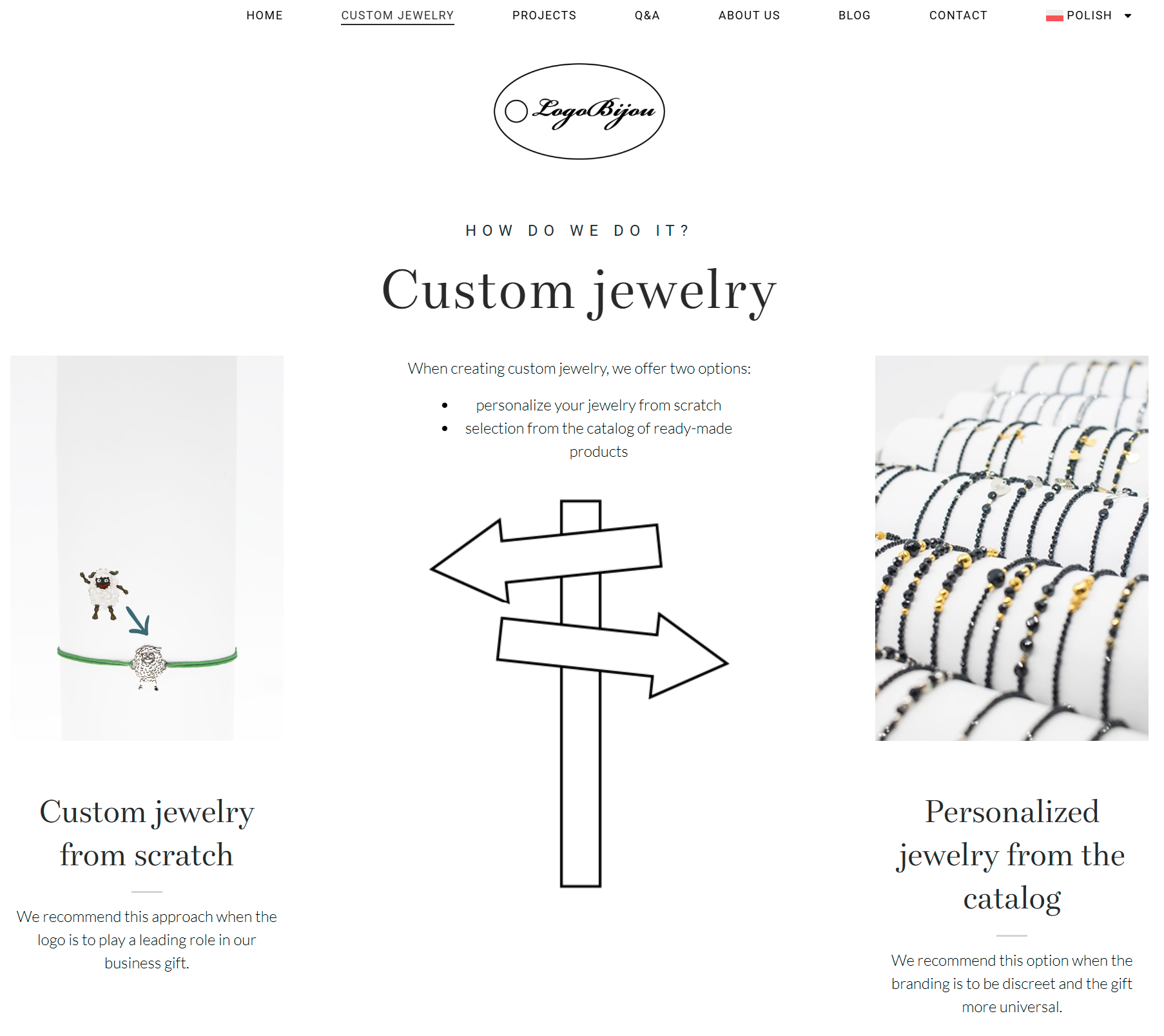
Every page on a jewelry website should serve a clear purpose, aligning with a specific search intent. This means distinct pages for product categories (e.g., "gold rings," "silver pendants"), individual product listings, and service pages (e.g., "custom design consultation," "jewelry repair"). A well-organized site, like that of Polish jewelry company LogoBijou, which clearly separates services for personalized bracelets, corporate gifts, and event jewelry, ensures customers and search engines can easily navigate and understand the business’s scope.
Crucially, an "About Us" page is more than just filler; it’s a critical component of building E-E-A-T. Sharing the brand’s story, craftsmanship philosophy, material sourcing, and values helps establish trust with potential customers and provides search engines with valuable context about the business’s legitimacy and expertise.
3. Crafting Irresistible Product Descriptions and Visuals
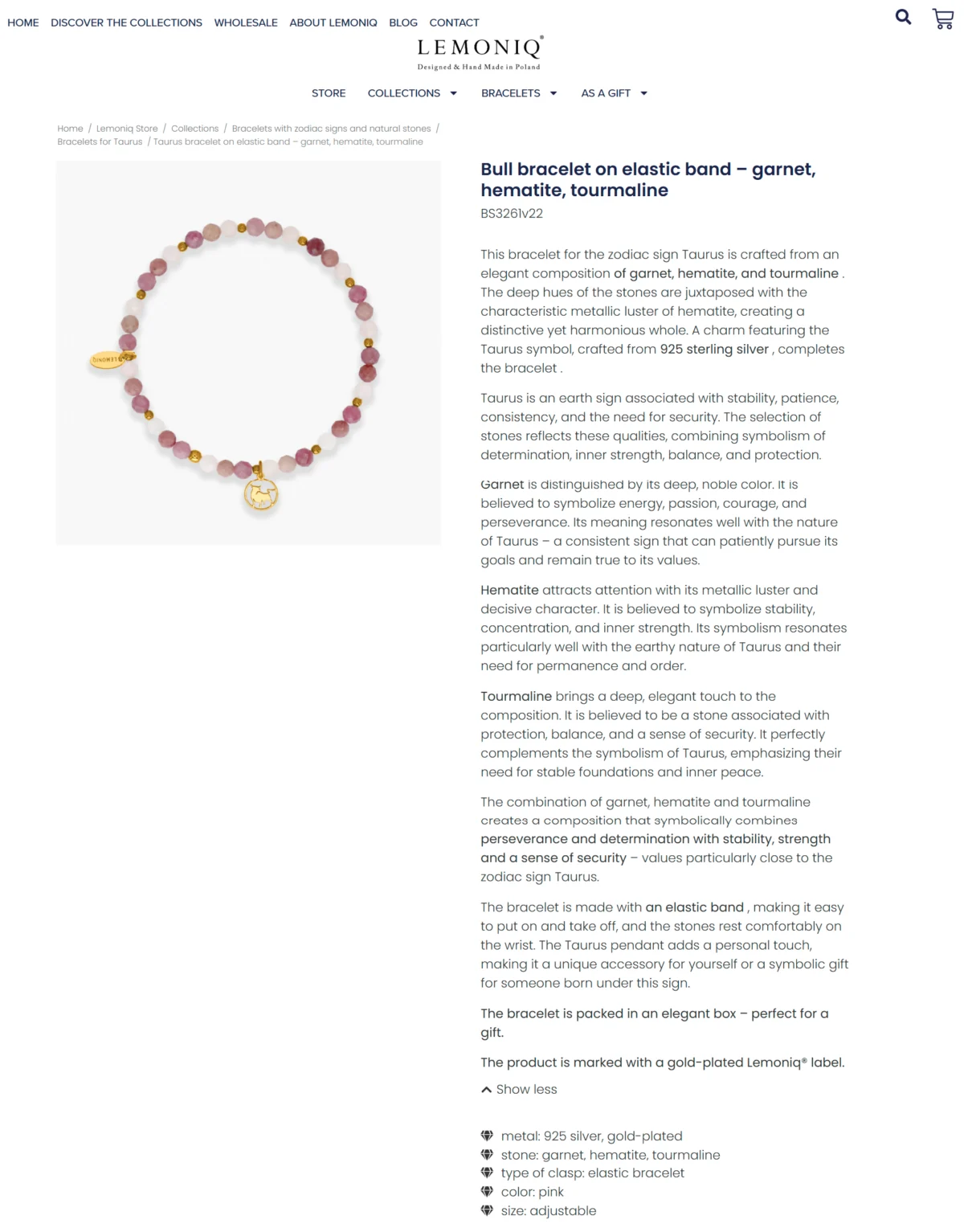
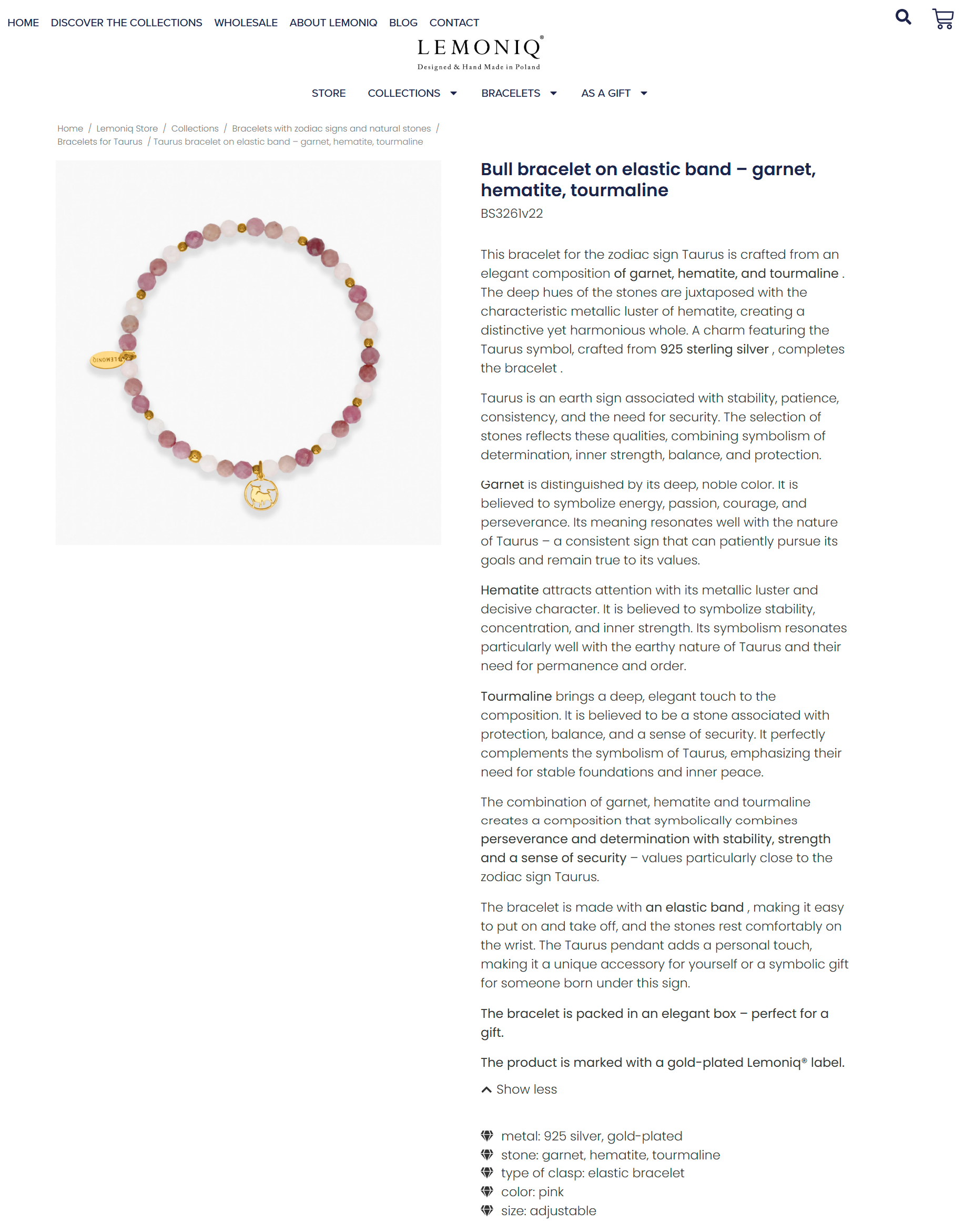
Product pages are often the conversion point, and their optimization is paramount. Descriptive titles, such as "18-karat Gold Vermeil Adjustable Chain Bracelet with Natural Emerald," are far more effective than generic terms. Detailed descriptions must highlight materials, dimensions, finish, and customization options. Lemoniq’s Taurus bracelet page serves as an excellent example, combining evocative storytelling about zodiac symbolism with precise details on garnet, hematite, tourmaline, and gold-plated 925 silver.
Key strategies for product descriptions include:
- Specificity: List exact materials, sizes, weights, and unique features.
- Context: Explain design inspiration, cultural significance, or the story behind a piece.
- Anticipatory FAQs: Address common customer questions regarding care, sizing, shipping, and returns directly within the description.
- Originality: Avoid generic copy; each piece deserves a unique, accurate narrative.
Given jewelry’s visual nature, high-quality imagery is non-negotiable. Authenticity is key; use your own professional photographs showcasing multiple angles, close-ups of details, and scale references. For SEO, image optimization entails:
- Descriptive Filenames: "handmade-silver-pendant-oval-blue-gemstone.jpg" instead of "IMG_1234.jpg."
- Useful Alt Text: Describe the image content for accessibility and search engine understanding (e.g., "Handmade silver pendant with an oval blue gemstone").
- Optimized File Sizes and Formats: Compress images without sacrificing quality and use modern formats (e.g., WebP) to ensure fast loading times, a critical factor for user experience and Core Web Vitals.
- Structured Data: Implementing Product Schema markup allows search engines to directly understand product attributes like price, availability, and reviews, enhancing visibility in rich results.
4. Empowering Customers and AI with FAQs and Structured Data
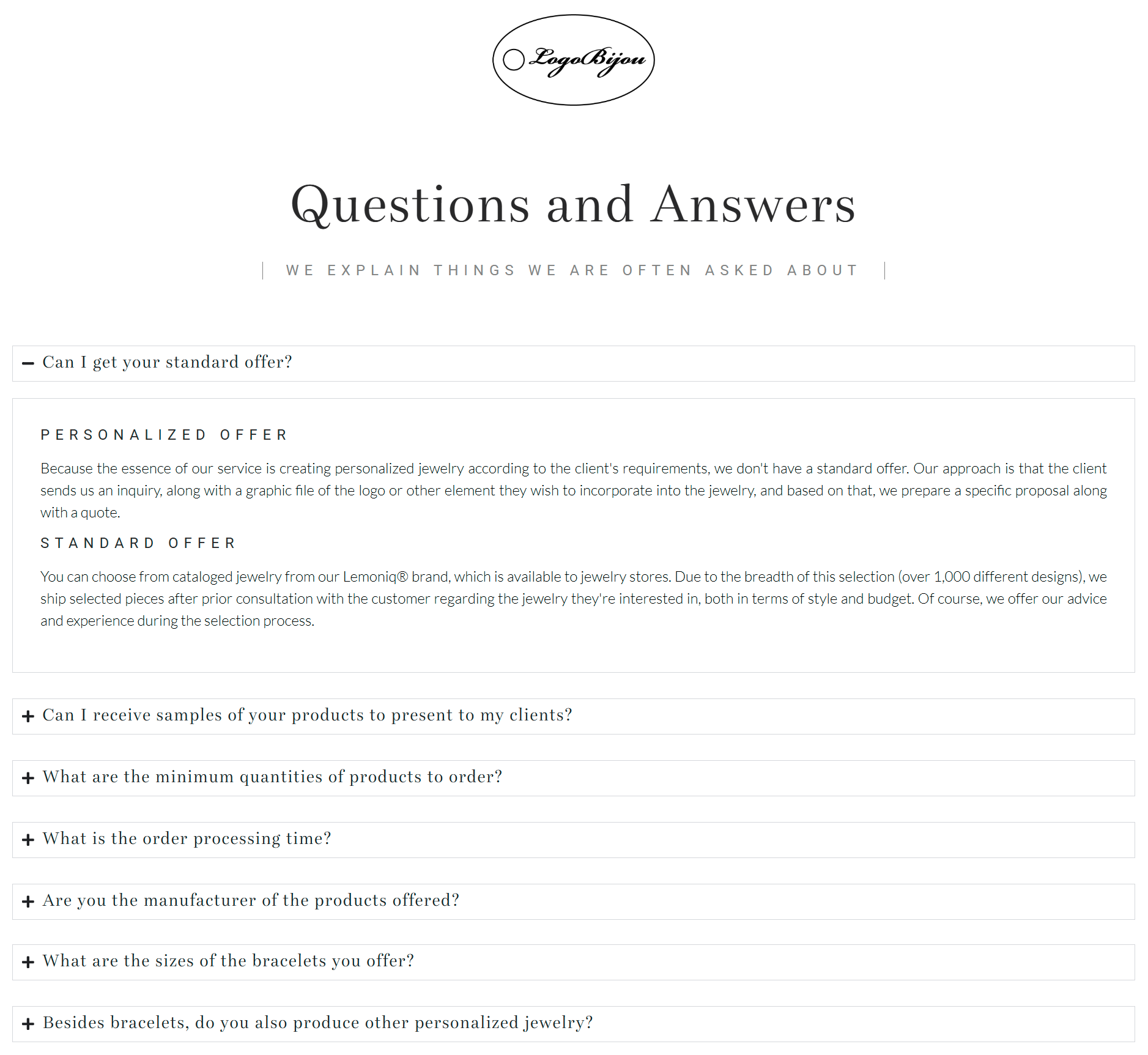
Jewelry purchases often involve significant consideration and numerous questions. Answering these preemptively through dedicated FAQ sections helps address informational search intent and builds trust. Questions about sizing, gemstone care, gold purity, or customization processes can be compiled, providing clear, direct answers. For websites built on platforms like WordPress, dedicated FAQ content blocks can automatically generate the necessary FAQ structured data, making the information easily interpretable by search engines and AI models for rich snippets and direct answers.
5. Local SEO: Connecting with the Community
For jewelers with physical storefronts or those serving a specific geographical region, local SEO is vital. Optimizing for terms like "jewelry repair [city name]" or "custom jeweler near me" can drive highly qualified local traffic. Essential local SEO tactics include:
- Google Business Profile (GBP) Optimization: A complete and updated GBP listing with accurate address, hours, photos, services, and customer reviews is paramount.
- Local Citations: Consistent Name, Address, Phone (NAP) information across online directories.
- Geo-targeted Content: Incorporating local keywords naturally on service pages and blog posts.
- Customer Reviews: Encouraging and responding to reviews on GBP and other platforms.
6. Technical Excellence: The Unseen Foundation
Even the most beautiful jewelry and compelling content won’t rank if search engines can’t access or interpret the website. Technical SEO ensures the site is crawlable, indexable, and performant.
- Crawlability and Indexability: Use an XML sitemap, robots.txt, and Google Search Console to monitor how search engines interact with your site.
- Speed and Mobile-Friendliness: Optimize site loading speeds and ensure a seamless mobile experience, as a majority of online browsing now occurs on mobile devices.
- Structured Navigation: A clear, logical website hierarchy with internal linking helps users and search engines understand page relationships.
- Schema Markup: Beyond Product and FAQ schema, implementing LocalBusiness schema provides critical information about your physical location, and Organization schema clarifies your business identity.
7. Capitalizing on Seasonal Shopping Moments
Jewelry is intrinsically linked to significant life events and gifting occasions. Valentine’s Day, Mother’s Day, anniversaries, and the holiday season (Black Friday, Christmas) represent peak demand periods. Strategic seasonal SEO involves:
- Early Preparation: Creating dedicated landing pages, gift guides, and product collections well in advance.
- Keyword Targeting: Optimizing for seasonal terms (e.g., "Mother’s Day gifts for her," "Christmas engagement rings").
- Content Refresh: Updating existing evergreen content with seasonal angles.
- Promotion: Integrating seasonal content with email marketing and social media campaigns.
According to research by Shazé, 68% of consumers associate jewelry gifts with emotional closeness and stronger relationships, highlighting the deep psychological connection that drives seasonal purchases. Capitalizing on these moments requires meticulous planning and execution to ensure visibility when customers are most ready to buy.
The Future of Discovery and Continuous Learning
The digital landscape is constantly evolving, and SEO is not a static endeavor. Algorithm updates, new search features, and the growing prominence of AI necessitate continuous monitoring and adaptation. Industry-leading SEO platforms offer invaluable tools for identifying issues, tracking performance, and gaining insights into competitive landscapes.
For those new to SEO, educational resources such as online academies demystify complex concepts, transforming what might seem like "black magic" into actionable strategies. As RafaÅ‚ Juchno of LogoBijou, a successful custom jewelry manufacturer, attests, "Understanding your industry, your audience, and what potential customers are searching for is key. You don’t need to be a programmer or an SEO expert to start making your website more discoverable." This sentiment encapsulates the essence of modern SEO: a blend of technical acumen, marketing insight, and a genuine commitment to serving the customer.
In conclusion, the journey from exquisite craftsmanship to widespread recognition in the digital age is increasingly paved by effective SEO. By prioritizing user experience, embracing technical excellence, understanding search intent, and strategically adapting to new technologies like AI, jewelry businesses can ensure their unique stories and dazzling creations resonate with a global audience, moving beyond fleeting trends to build a lasting legacy of digital discovery.

 Laily UPN
 Nana Muazin