Muslim

The contemporary business environment has undergone a radical transformation, shifting from fragmented, channel-specific tactics toward a unified, comprehensive framework known as holistic marketing. This strategic approach, which integrates every aspect of a business—from internal operations and customer service to affiliate partnerships and social responsibility—is no longer an optional luxury but a fundamental necessity for sustainable growth. In the context of affiliate marketing, a holistic strategy ensures that third-party promoters are not merely external contractors but integral extensions of the brand, delivering a consistent message that resonates across the entire buyer journey. By aligning the four key dimensions of holistic marketing—internal, relationship, integrated, and societal—companies are finding they can significantly enhance brand equity while optimizing the performance of their marketing investments.
The Foundational Shift: From Silos to Ecosystems
For decades, traditional marketing operated in silos. The social media team rarely collaborated with the affiliate managers, and the customer service department often lacked insight into the specific promises made in advertising campaigns. This fragmentation frequently led to a disjointed customer experience, where the brand’s identity felt inconsistent depending on the touchpoint. Holistic marketing challenges this outdated model by positing that "the whole is greater than the sum of its parts." It requires that all departments work in harmony to improve the brand image and the buyer journey.
In the affiliate marketing sector, this shift is particularly critical. Affiliate programs have historically been treated as "set and forget" revenue streams. However, data from industry analysts suggests that brands that integrate their affiliate programs into their broader marketing strategy see a 20% to 30% higher conversion rate compared to those that manage them in isolation. When affiliates are equipped with the same brand guidelines, values, and data insights as the internal marketing team, they transition from being mere traffic drivers to becoming genuine brand ambassadors.
The Chronological Evolution of Holistic Marketing
The concept of holistic marketing has evolved through several distinct phases over the last thirty years:
- The Traditional Era (Pre-2000s): Marketing was primarily concerned with the "Four Ps" (Product, Price, Place, Promotion). Departments functioned as independent units with minimal cross-communication.
- The Digital Expansion (2000-2010): The rise of the internet introduced new channels like SEO, PPC, and early affiliate networks. While reach expanded, the lack of integration led to "brand dilution" as different channels competed for the same audience with conflicting messages.
- The Customer-Centric Pivot (2010-2020): With the explosion of social media, brands realized that customer perception was shaped by every interaction. The focus shifted toward the "customer experience" (CX), leading to the early adoption of holistic frameworks.
- The Integrated Ecosystem Era (2020-Present): Modern holistic marketing now leverages Artificial Intelligence (AI) and big data to synchronize all business functions. The emphasis is on "societal marketing" and "internal marketing," recognizing that employees and ethical stances are as vital to the brand as the product itself.
The Four Dimensions of a Holistic Strategy
To achieve a truly holistic presence, a corporation must address four interconnected dimensions, each playing a vital role in the health of the affiliate program and the business at large.
Internal Marketing: This dimension focuses on the "first customer"—the employee. Research consistently shows that companies with high employee engagement are 21% more profitable. Internal marketing ensures that every staff member, from the HR department to the warehouse, understands and believes in the company’s vision. If the people within the organization do not buy into the brand’s values, they cannot effectively sell them to the public. In the affiliate space, this extends to service providers and agency partners who must be treated as part of the internal team to ensure they represent the brand with authenticity.

Relationship Marketing: Beyond the initial sale, relationship marketing seeks to build long-term, mutually beneficial bonds. This includes customers, suppliers, and especially affiliates. By treating affiliates as long-term partners rather than temporary vendors, brands can foster loyalty that survives market fluctuations. Providing affiliates with exclusive data, early access to products, and transparent communication turns them into "advocates" who provide a higher Lifetime Value (LTV) than standard lead generators.
Integrated Marketing: This involves the seamless synchronization of all communication channels. Whether a customer sees a Facebook ad, reads an affiliate’s blog post, or visits the official website, the logo, tone of voice, and value propositions must be identical. Inconsistency breeds distrust. For example, if an affiliate promotes a product as "luxury and exclusive" while the brand’s own PPC ads highlight it as "the cheapest on the market," the resulting cognitive dissonance often leads the consumer to abandon the purchase.
Societal Marketing: In the modern era, consumers are increasingly "belief-driven." According to recent consumer surveys, nearly 70% of shoppers prefer to buy from brands that align with their personal values. Societal marketing involves incorporating ethical practices, sustainability, and community support into the brand’s core identity. When a company sponsors a local charity or adopts green manufacturing, these initiatives become powerful stories for affiliates to share, further humanizing the brand and building trust.
Supporting Data and Market Analysis
The impact of a holistic approach is quantifiable. According to a study by Lucidpress, consistent brand presentation across all platforms can increase revenue by up to 23%. Furthermore, companies that prioritize customer-centricity are 60% more profitable than those that do not.
In the affiliate marketing landscape specifically, the "snowball effect" is a documented phenomenon. When a brand maintains high standards of consistency and societal responsibility, it attracts higher-quality affiliates. These "super-affiliates" are selective; they prefer to work with brands that have high conversion rates and a strong reputation. Consequently, a holistic strategy becomes a self-reinforcing loop: better branding attracts better affiliates, which leads to better data, which informs better marketing decisions, ultimately driving sustainable growth.
Case Study: The Apple Model of Holistic Excellence
Apple Inc. serves as the gold standard for holistic marketing. The company’s strategy is a masterclass in alignment. Internally, Apple’s "Careers" page emphasizes values such as privacy, inclusion, and environmental justice, ensuring that every employee is a stakeholder in the brand’s mission.
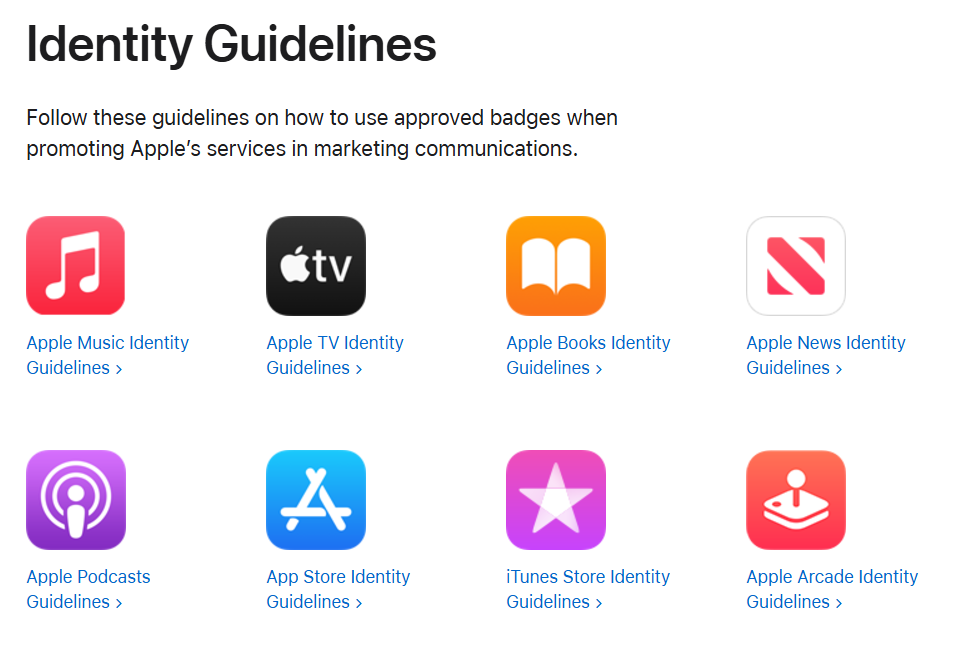
This consistency extends to their "Apple Services Performance Partners Program." Unlike many brands that allow affiliates to use generic banners, Apple provides stringent guidelines and high-quality creatives to ensure that every affiliate touchpoint feels like an extension of the Apple Store. Their societal marketing is equally integrated; for instance, Apple’s commitment to becoming carbon neutral by 2030 is not just a PR footnote but a core part of their product launches and affiliate messaging. This unified front is a primary reason why Apple maintains one of the highest customer loyalty rates in the tech industry.
Implementation: Building the Framework
For businesses looking to transition to a holistic model, the process requires a structured, data-driven approach:
- SMART Goal Setting: Objectives must be Specific, Measurable, Attainable, Relevant, and Time-bound. A goal to "increase affiliate sales" is insufficient; a holistic goal would be to "increase affiliate-driven customer retention by 15% over 12 months through unified branding."
- Audience Mapping: Brands must conduct deep-dive research into their target demographics. Sharing these "buyer personas" with affiliates ensures that the traffic being sent is highly qualified and likely to convert.
- Cross-Departmental Synchronization: Regular "inter-departmental summits" should be held where sales, marketing, and customer service teams share insights and align on upcoming campaign themes.
- Data Optimization: Utilizing advanced analytics to track the customer journey from the first affiliate click to the final purchase and subsequent customer service interactions. This data allows for the refinement of the "holistic loop."
The Future of Holistic Marketing and Technological Integration
As the digital landscape evolves, the role of technology in holistic marketing will only intensify. Artificial Intelligence and Machine Learning are now being used to personalize the customer journey at scale, ensuring that the "unified message" is also a "personalized message."
Furthermore, the rise of the "cookieless future" makes holistic marketing even more vital. As third-party tracking becomes more difficult, brands must rely on the trust and direct relationships they have built through their holistic ecosystems. Affiliates will play a crucial role here as providers of "first-party-like" data and contextual advertising.
Sustainability and ethical transparency will also move from the periphery to the center of marketing strategy. The next generation of consumers—Gen Z and Gen Alpha—are highly adept at spotting "greenwashing" or inconsistent branding. For these audiences, a holistic approach is the only way to establish a credible brand presence.
Concluding Analysis: The Path to Prosperity
The transition to holistic marketing represents a fundamental shift in how businesses perceive their relationship with the world. It is no longer enough to have a great product; a company must have a great soul, a great team, and a great network of partners. By integrating affiliate marketing into this broader holistic framework, companies can move beyond the transactional nature of traditional sales and toward a model of "brand resonance."
In an era of hyper-competition and consumer skepticism, the brands that survive and thrive will be those that view every interaction—be it a customer service call, an employee’s social media post, or an affiliate’s product review—as a vital component of a single, coherent story. Holistic marketing is the methodology that binds these elements together, providing the foundation for long-term survival and prosperity in the global marketplace.

 rifanmuazin

 Siti Muinah