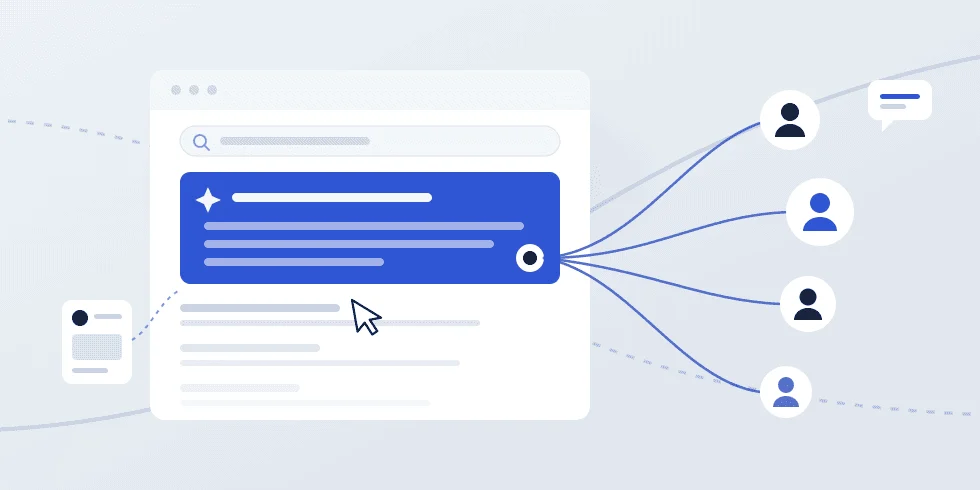
The landscape of B2B buyer research is undergoing a seismic shift, driven by the exponential growth of artificial intelligence and evolving search behaviors. With an estimated 68% of Google searches now concluding without a click, B2B professionals are increasingly turning to AI-powered answers and social media feeds to gather information long before they ever consider visiting a vendor’s website. This evolving dynamic poses a significant challenge for B2B marketers who have historically relied on website traffic as a primary indicator of influence and engagement. However, a decline in website visits does not necessarily signal a loss of influence. Instead, it necessitates a strategic pivot towards "zero-click" marketing tactics designed to establish visibility and thought leadership in the channels where buyers are actively seeking information.
This phenomenon, often referred to as "zero-click search," represents a fundamental change in how potential customers interact with information. Instead of navigating through search engine results pages (SERPs) to land on a specific website, users are now frequently receiving comprehensive answers directly within the search interface itself. This is largely facilitated by advancements in AI, such as Google’s AI Overviews and AI Mode, along with prominent features like featured snippets and knowledge panels. Beyond Google, AI-powered conversational agents like ChatGPT and Perplexity are also becoming integral tools for B2B research, providing synthesized information that can satisfy a user’s query without requiring a click-through to a source.
Brenna Lofquist, a Senior Consultant at Heinz Marketing, highlights this paradigm shift, noting that while organic website traffic might be declining, B2B pipeline can remain steady, and sales teams report prospects arriving at initial calls well-informed and even quoting specific points of view. This apparent contradiction underscores the reality of zero-click marketing: buyers are still finding, learning from, and forming opinions about vendors, but they are doing so through alternative avenues. The core task for B2B marketers, Lofquist argues, is to redefine influence beyond mere website traffic and to proactively cultivate presence and impact in these new digital environments.
Understanding the Zero-Click Ecosystem
The concept of zero-click marketing is rooted in the observation that the search result itself has become a destination, rather than solely a gateway to external content. This extends beyond traditional search engines. A valuable LinkedIn post that educates without a direct call to action, a guest appearance on a relevant podcast, or a mention in an industry analyst report all serve as potent examples of zero-click influence. In each instance, value is delivered directly to the buyer where they are already engaged, with the brand’s identity and expertise clearly associated. The objective has therefore shifted from simply acquiring a click to earning acknowledgment and credit for valuable contributions.
The statistical evidence supporting this trend is compelling, though its interpretation requires nuance. A SparkToro study analyzing the first four months of 2026 indicated that 68% of U.S. Google searches concluded without a click, representing a nearly 23% decrease in the share of searches resulting in a click between 2024 and 2026. The integration of AI into search is further accelerating this trend, with reports suggesting that when an AI Overview is present, the median zero-click rate can reach approximately 80%.
While these figures are striking, it’s crucial to acknowledge that broad search statistics often encompass a significant portion of consumer behavior, which differs from B2B research patterns. Some analyses suggest that zero-click rates on desktop, where much B2B research occurs, may be lower, with estimates varying widely. Similarweb, for instance, posits that B2B exposure in zero-click scenarios could be closer to 80%. The consensus, however, is that the trend is undeniable and growing, underscoring the need for B2B marketers to develop their own metrics for understanding their audience’s specific zero-click engagement.
Why Zero-Click is a Critical B2B Challenge
The implications of zero-click search are particularly pronounced for the B2B sector. The very content that B2B organizations have historically created to drive organic traffic – detailed explainer articles, how-to guides, and "what is" posts – is precisely the type of educational material that AI tools are adept at summarizing. When a VP of Operations queries an AI assistant about a product category, an IT lead seeks comparisons between vendors, or a CFO inquires about implementation costs, the AI synthesizes information from various sources, including B2B websites. The result is a well-informed prospect who has gained valuable insights without ever needing to navigate to the vendor’s site. This means that the effort invested in educating the market is now directly benefiting AI platforms, potentially at the expense of direct website engagement.
However, this does not equate to a lost opportunity. B2B buying cycles are inherently long and involve multiple stakeholders. When a brand’s insights, data, and name appear prominently within AI-generated answers, it actively shapes the vendor shortlist and influences purchasing decisions long before a formal request for proposal (RFP) or a demo is even considered. The B2B marketing team that successfully inserts its valuable content into these AI-driven research pathways is, in essence, planting seeds of influence at a critical early stage of the buyer’s journey.
The Mindset Shift: Prioritizing Influence Over Traffic
For decades, B2B content marketing operated under a straightforward model: produce valuable content, optimize it for search engines, attract website visitors (clicks), and then convert those visitors into leads. The website served as the central hub where marketing efforts translated into measurable outcomes. In the era of zero-click marketing, this model is fundamentally altered. The website is increasingly becoming a place for validation rather than initial education. By the time a buyer lands on a vendor’s site, a significant portion of their perception and decision-making process has already been shaped by off-site interactions.
Consequently, the strategic question for B2B marketers must evolve from "How do we drive traffic to our website?" to "What do we want potential buyers to know and believe before they even consider visiting our site?" This necessitates a proactive approach to disseminating valuable content and expertise across platforms where buyers are already active. The goal is to deliver complete, unhindered value directly within these channels, eschewing the traditional practice of using teasers or gated content that require a click to unlock essential information.
While this shift may initially feel counterintuitive, even risky, the true return on marketing investment has always been derived from building trust and establishing credibility, not solely from website clicks. Trust, it appears, is highly portable and can effectively travel without a direct URL. The B2B brands that will thrive in the coming years will be those that are not only visible but also consistently mentioned and cited by both buyers and the AI tools they rely upon.
Five Zero-Click Tactics for Enhanced B2B Visibility
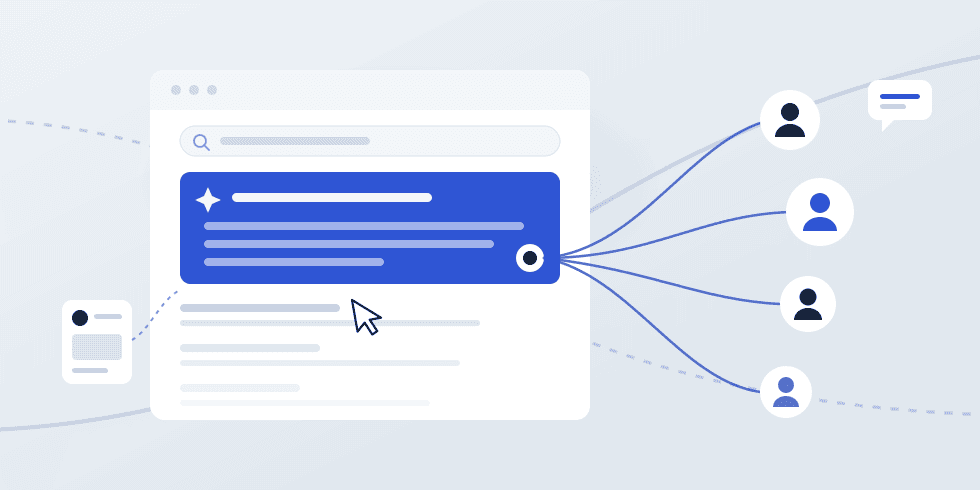
To effectively navigate the zero-click landscape, B2B marketers must adopt strategies that prioritize presence and value delivery in off-site environments. While the specific tactics will vary based on industry and target audience, several core approaches have emerged as particularly effective:
-
Become an AI Search Authority: This involves optimizing content not just for search engines but for AI summarization. This means producing clear, concise, and factually accurate content that directly answers common buyer questions. Structured data, such as schema markup, can further help AI understand and extract information from your website. Think of your website as a training ground for AI, providing the raw, high-quality data it needs to form its own answers.
-
Leverage Social Media for Value Delivery: Platforms like LinkedIn are not just for lead generation; they are powerful channels for thought leadership. Share insightful articles, data-driven analyses, and expert opinions without necessarily including a link back to your website. The goal is to provide immediate value and establish your brand as a credible source of information within the platform’s feed. Engaging in relevant industry discussions and answering questions within LinkedIn groups also positions your brand as knowledgeable and accessible.
-
Cultivate a Strong Podcast Presence: Appearing as a guest on relevant industry podcasts allows you to share your expertise directly with an engaged audience. The audio format is highly consumable during commutes or other multitasking activities. While a call to action to visit a website can be included, the primary value lies in the direct delivery of your insights and the association of your name with valuable knowledge. Hosting your own podcast can further amplify this effect.
-
Pursue Public Relations and Analyst Relations: Securing mentions and quotes in reputable industry publications, news outlets, and analyst reports provides significant third-party validation. These mentions often appear in search results and AI summaries, lending credibility to your brand without requiring direct website traffic. Building relationships with journalists and industry analysts can proactively place your brand in front of key decision-makers.
-
Develop Educational Video Content: Short, informative videos that explain complex topics or demonstrate solutions can be highly effective. These videos can be hosted on platforms like YouTube and shared across social media. When embedded or referenced by AI, they offer a rich, engaging way for buyers to learn about your offerings without leaving their current environment. The key is to make the core educational value accessible within the video itself.
Measuring Impact Beyond the Click
The challenge of zero-click marketing extends to measurement. Traditional analytics tools, heavily reliant on website traffic and click-through rates, can provide an incomplete picture of a brand’s influence. B2B marketers must broaden their measurement frameworks to capture signals of impact that occur off-site. This requires a greater comfort level with directional metrics and a more holistic approach to data analysis.
Key metrics to consider include:
- Brand Mentions and Sentiment Analysis: Tracking how often your brand is mentioned across online platforms, including social media, forums, and news sites, and analyzing the sentiment of these mentions provides insight into brand awareness and perception.
- Share of Voice in AI Answers: While difficult to quantify precisely, monitoring the frequency with which your brand’s information or perspective appears in AI-generated answers for relevant queries can be a strong indicator of your content’s influence. This can be approached through manual audits or specialized tools.
- Engagement on Social Media and Third-Party Platforms: Beyond website traffic, track engagement metrics on platforms where you are active. This includes likes, shares, comments, and video views on social media, as well as download numbers for shared resources or listenership for podcasts.
- Referral Traffic from Non-Traditional Sources: While direct clicks may be down, look for increases in referral traffic from platforms that indicate successful off-site engagement, such as specific social media campaigns or partner collaborations.
- Sales Team Feedback and Prospect Intelligence: The anecdotal evidence from sales teams about how prospects arrive at initial conversations is invaluable. Are they quoting your content? Do they demonstrate a deep understanding of your value proposition without having visited your site? This qualitative data is a critical component of measuring influence.
A Practical Audit for Zero-Click Readiness
To assess your organization’s current position in the zero-click landscape, a straightforward audit can be conducted within a short timeframe. Blocking out an afternoon to work through the following steps can provide valuable insights:
- Identify Your Core Buyer Personas and Their Research Habits: Deeply understand who your ideal customers are and the specific questions they are asking during their research process.
- Audit Your Existing Content for Zero-Click Potential: Review your current blog posts, white papers, case studies, and other content. Ask:
- Does this content directly answer a common buyer question?
- Is it clear, concise, and factually accurate?
- Can AI easily extract key insights and data from this piece?
- Is it formatted in a way that is easily digestible without requiring a click (e.g., clear headings, bullet points)?
- Assess Your Presence on Key Off-Site Platforms: Evaluate your brand’s activity and visibility on social media (especially LinkedIn), industry forums, and relevant podcast networks. Are you actively contributing valuable content?
- Simulate AI Search Queries: Use AI tools (Google, ChatGPT, Perplexity) to ask questions that your target audience would ask. Observe where your brand appears in the results, if at all, and the quality of the information presented.
- Gather Sales Team Insights: Conduct a brief survey or hold a meeting with your sales team to gather their observations on how prospects are informed and what sources they cite.
The results of this audit will likely reveal both areas of strength and opportunities for improvement, providing a clear roadmap for developing a more effective zero-click strategy.
The Enduring Goal: Trust and Consideration
The decline in website traffic, while initially concerning, should not be viewed as a sign of diminished marketing effectiveness. Instead, it signals a fundamental evolution in how B2B influence is built and recognized. The click was always a proxy for a deeper objective: securing buyer trust and ensuring consideration within their decision-making process. This core objective remains unchanged. The difference lies in the methodology. B2B brands must now earn that trust and consideration directly, by being present and providing demonstrable value within the feeds, AI-generated answers, and conversations where buyers are actively spending their time.
The B2B organizations that will achieve sustained success in the coming years will not be defined by their website traffic metrics alone. They will be recognized by their pervasive influence, their consistent presence in critical buyer research pathways, and their ability to be a trusted, cited source by both human decision-makers and the artificial intelligence tools that are rapidly becoming indispensable to the modern buyer’s journey.
For B2B brands seeking to understand their current standing in the AI search landscape and to develop a robust zero-click strategy, Heinz Marketing offers a complimentary brainstorm session. Contact them at [email protected] to explore how to enhance your brand’s visibility in this evolving market.