

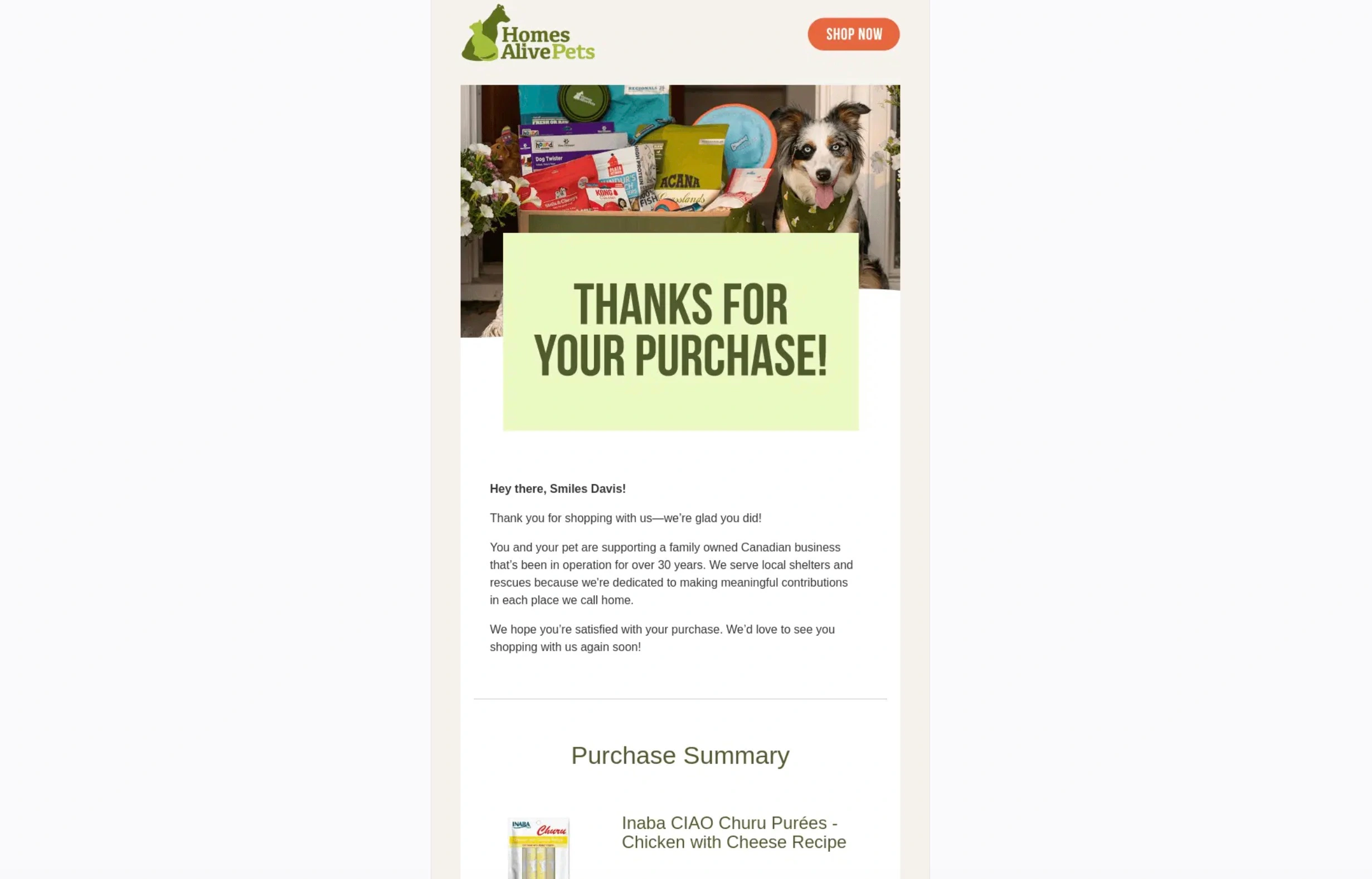
The "thank you for your order" email, often perceived as a mere formality, stands as a critical and high-engagement touchpoint in the contemporary e-commerce landscape. This automated message, dispatched immediately after a customer completes a purchase, serves primarily as a reassurance mechanism rather than a sales pitch. Its core function is to confirm the successful processing of an order, detail the financial transaction, and provide crucial information regarding package arrival expectations. While sometimes termed a "thank you for your purchase" email, both nomenclature refers to the same post-checkout communication, vital for customer satisfaction and brand building. This guide delves into the strategic significance of these emails, offering actionable insights and illustrative examples for effective implementation.
The Evolving Landscape of Post-Purchase Communication
In the digital age, where transactions occur without face-to-face interaction, the immediate post-purchase period is fraught with potential customer anxiety. Has the order gone through? Was the payment successful? When will my item arrive? These are universal questions that well-crafted transactional emails aim to answer, thereby mitigating the need for customers to contact support. Historically, order confirmations were often dry, functional receipts. However, as e-commerce matured and customer experience became a key differentiator, brands began to inject personality and value into these messages.

The evolution of the "thank you for your order" email reflects a broader shift in digital marketing from purely promotional outbound messaging to a more customer-centric, relationship-building approach. These emails are no longer just about confirming a transaction; they are about extending the brand experience, reinforcing the customer’s decision, and laying the groundwork for future interactions. Data consistently supports the strategic value of automated messages; Omnisend’s 2026 e-commerce marketing report, for instance, highlighted that automated messages boast 24% higher open rates and six times higher click engagement compared to standard scheduled campaigns. This elevated engagement underscores the prime opportunity these emails present for deepening customer relationships.
Beyond Transactional: Building Loyalty and Trust
A well-executed thank you email transcends the basic order confirmation by integrating an element of customer appreciation. While a standard confirmation lists factual details such as the order number, purchased items, total cost, and estimated delivery date, a "thank you for your order" email initiates with gratitude and communicates in the brand’s unique voice. This subtle yet significant difference can transform a routine transaction into a memorable interaction.
The psychological impact of immediate and personalized gratitude cannot be overstated. When a purchase is fresh in a customer’s mind, they are highly receptive to brand communication. A simple "thank you" can humanize the digital interaction, making the customer feel valued rather than just another transaction ID. This personal touch fosters trust and appreciation, essential ingredients for long-term customer loyalty. Furthermore, the practical utility of providing all order details in one accessible place significantly reduces the volume of basic support inquiries, freeing up customer service teams to handle more complex issues. This efficiency translates into cost savings and improved operational flow for businesses.
As Agnė Ganchev, Director of Customer Success at Omnisend, aptly puts it, "Post-purchase automated emails consistently generate higher engagement than standard promotional campaigns. A ‘thank you for your order’ confirmation email is something the buyer expects. You’re meeting them at a point when their interest is highest. It can turn a routine transaction into something the buyer remembers and appreciates, fostering a meaningful connection."
Key Elements of an Effective Thank You Email
To maximize the impact of these crucial communications, every "thank you for your order" email should meticulously incorporate eight key elements. These components collectively address potential customer queries and contribute to a seamless post-purchase experience:
- Clear Subject Line: The subject line is the gatekeeper of the inbox. It must be concise, informative, and immediately convey the email’s purpose. Examples like "Your [Brand name] order is confirmed! #[Order number]" or "Thank you for shopping with us, [Customer name]" clearly indicate the email’s content and urgency.
- Personalized Greeting: Addressing the customer by name immediately creates a personal connection, moving beyond a generic salutation.
- Express Gratitude: The primary purpose is to say "thank you." This should be prominent and sincere, reflecting the brand’s appreciation for the customer’s business.
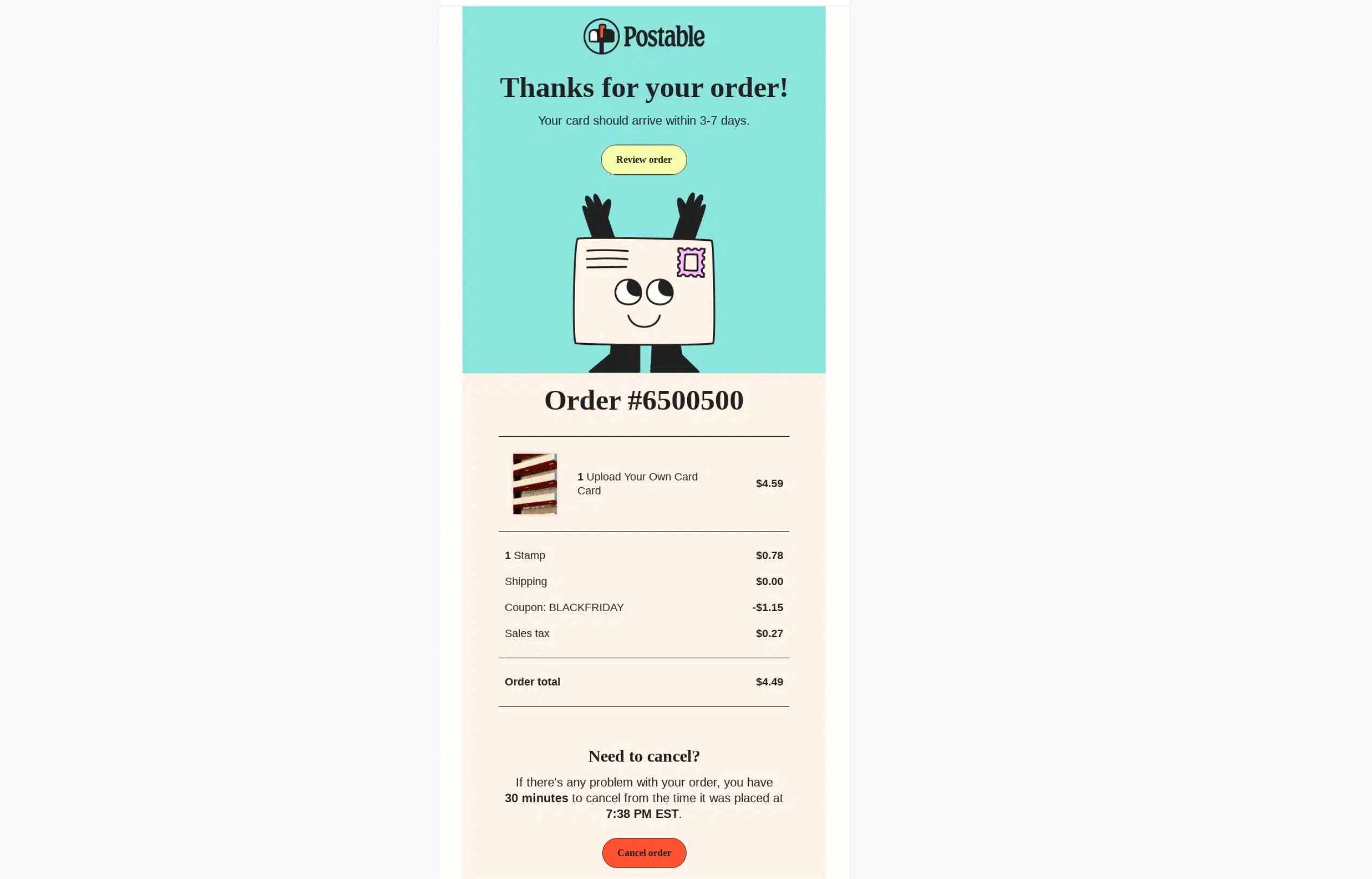
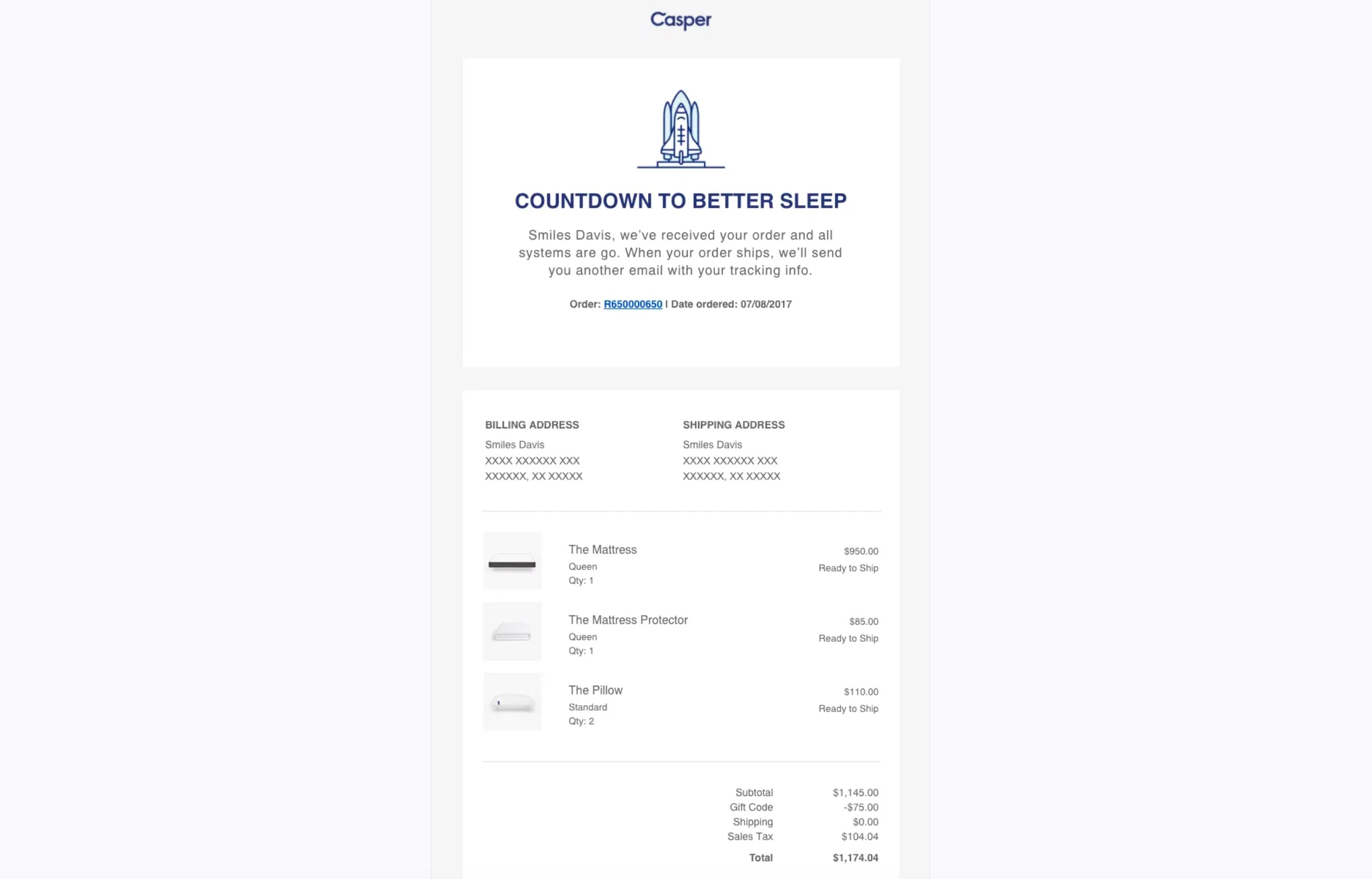
- Order Summary: A clear, itemized list of purchased products, including quantities, sizes, and individual prices. This prevents confusion and allows customers to verify their order quickly.
- Total Cost and Payment Method: Transparently display the total amount charged, including shipping and taxes, along with the payment method used. This reinforces trust and clarifies the financial aspect of the transaction.
- Shipping Information and Estimated Delivery: Crucial for managing customer expectations, this section should detail the shipping method, tracking information (if available), and an estimated delivery window. Proactive communication here significantly reduces "where is my order?" inquiries.
- Customer Support Contact: Provide clear instructions on how customers can seek assistance, whether through a dedicated support email, a link to an FAQ page, or a direct phone number. Making help easily accessible demonstrates commitment to customer satisfaction.
- Branded Sign-off: Conclude the email with a professional yet personable sign-off that aligns with the brand’s voice, signed by "The [Brand name] team" or even a founder’s name for a more personal touch.
Missing any of these elements can lead to customer frustration, increased support tickets, or a missed opportunity to reinforce brand loyalty.
Variations for Strategic Engagement
The versatility of the "thank you for your order" email allows for various strategic adaptations based on customer segmentation and the timing within the post-purchase journey.
- Simple Thank You Email: Ideal for a quick, warm acknowledgment when a separate, detailed order confirmation is also sent. It focuses on gratitude and highlights key details like product, total, and estimated delivery.
- Combined Thank You and Order Confirmation: For brands preferring a single communication, this template seamlessly integrates gratitude with a comprehensive breakdown of the order, including shipping timelines and an action timeline (e.g., "packing your items," "emailing tracking info").
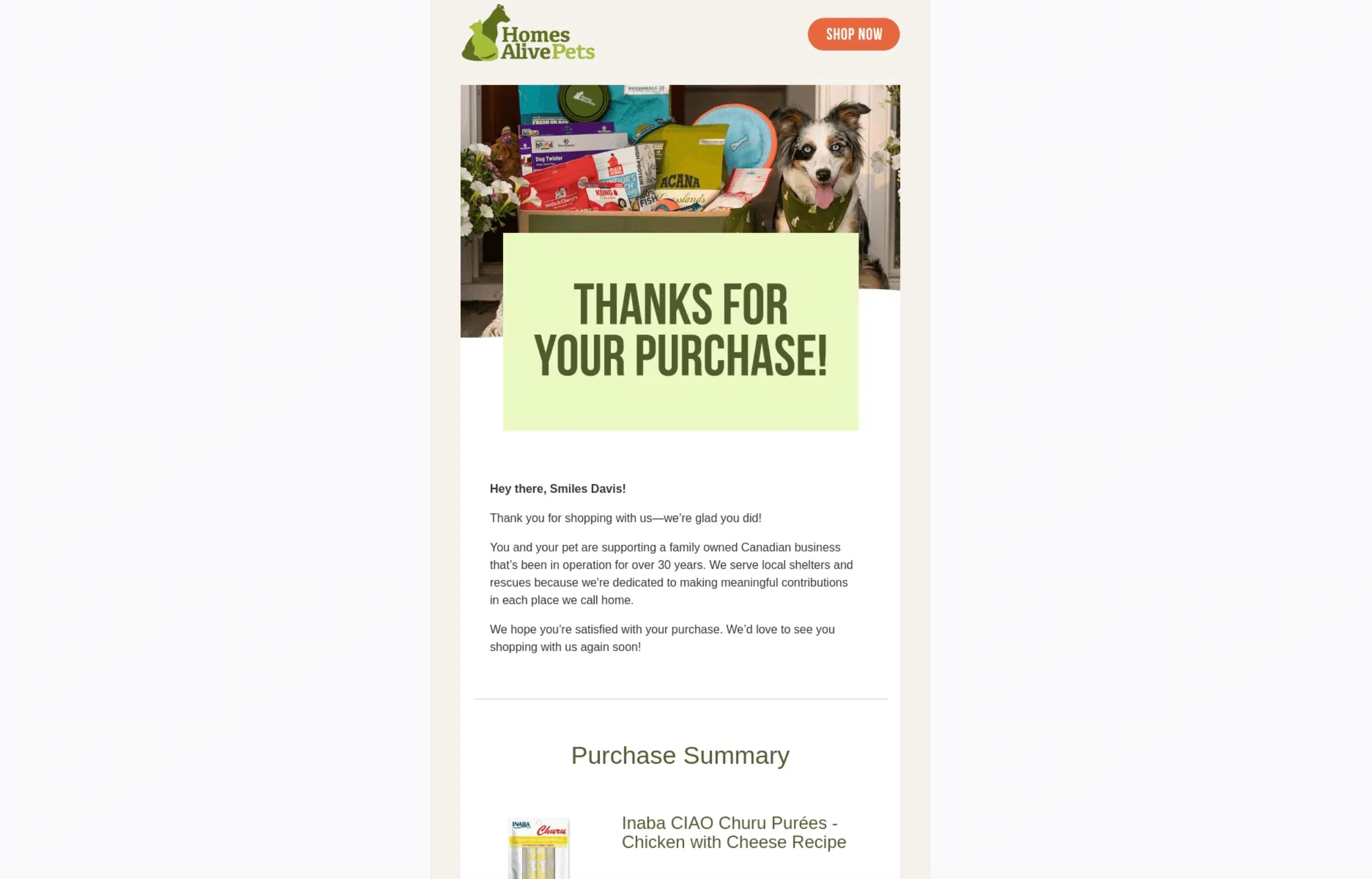
- Thank You for Your Purchase Email (Post-Confirmation): Sent 30 minutes to an hour after the initial confirmation, this email shifts focus from transaction details to the product itself and the customer’s experience. It can offer practical tips for using the product, adding value proactively.
- First Purchase Thank You Email: A vital component of a buyer welcome flow, this email introduces new customers to the brand’s mission, inviting them into a loyalty program or to connect on social media, thereby initiating a deeper relationship.
- Repeat Customer Thank You Email: Recognizing loyal patrons is paramount. This email acknowledges the customer’s repeated business, often accompanied by a small loyalty reward like a discount code for a future purchase, reinforcing their valued status.
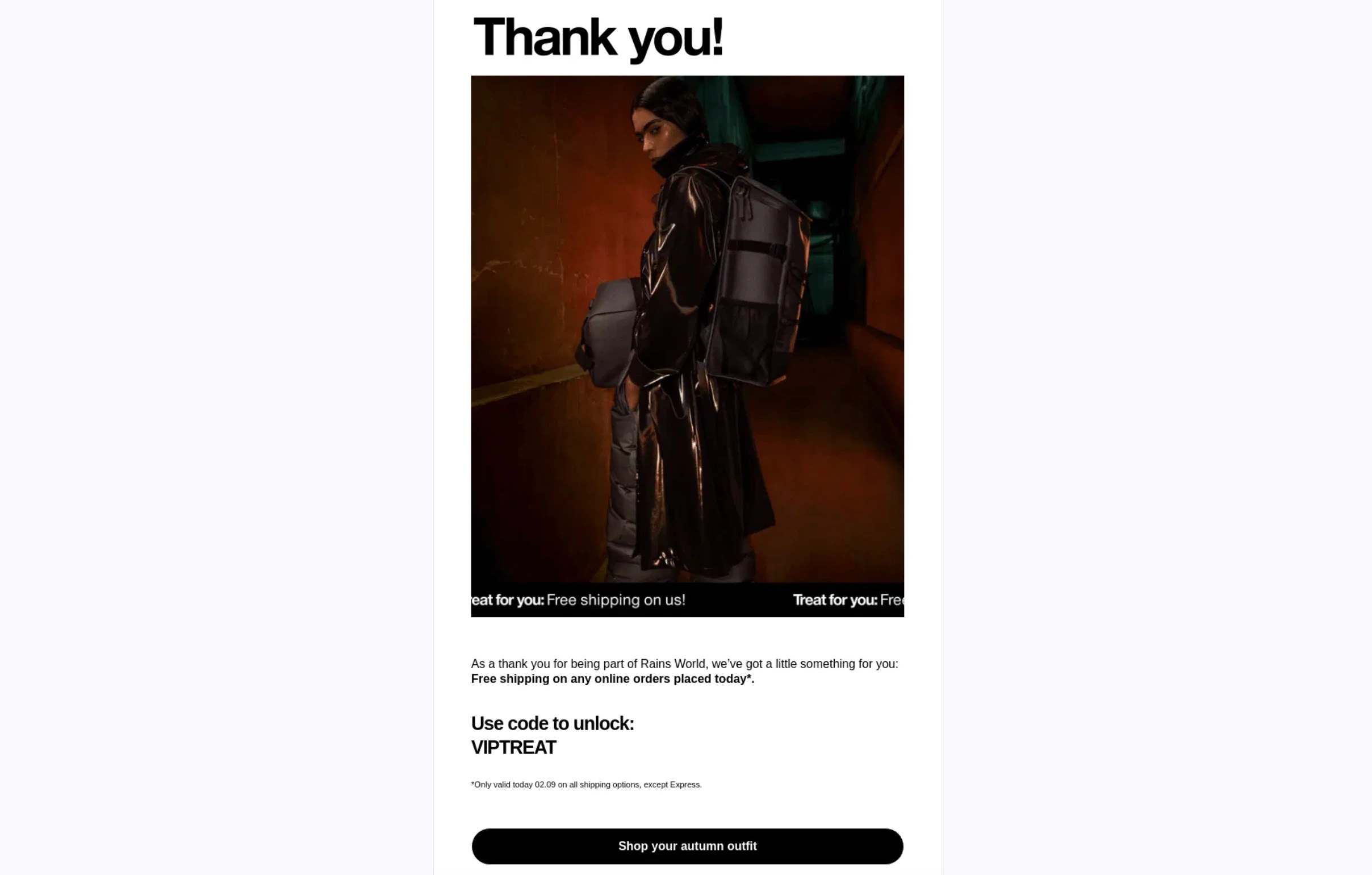
- VIP or High-Value Order Thank You Email: For significant purchases or high-spending customers, this email emphasizes special attention and priority handling. It focuses on recognition and reassurance rather than discounts, often signed by a founder to convey exclusivity.
- Thank You Email with Discount: Strategically deployed after the customer has received and potentially tried the product, this email offers a time-limited discount for a subsequent purchase. This encourages repeat business while ensuring the initial thank you feels genuine, not merely a sales ploy.
- Thank You Email with Review Request: Sent once the product has been delivered and the customer has had sufficient time to experience it, this email politely requests a review. It should preface the request with gratitude and offer a clear, easy path to leave feedback, while also providing a private channel for addressing any issues before public review.
- Thank You for Your Order SMS: A concise, immediate message sent a few minutes after purchase to customers who have opted into text messages. It provides quick confirmation and a tracking link, complementing the more detailed email without redundancy.
Crafting Impactful Messages: Best Practices
Beyond the content, the delivery and presentation of these emails are equally crucial. Adhering to best practices ensures maximum effectiveness:
- Timeliness: The email should arrive within minutes of checkout. This aligns with customer expectations and provides immediate reassurance.
- Brand Voice: Maintain consistency with your brand’s established tone. Whether formal, friendly, or quirky, the email should sound authentically "you."
- Mobile Optimization: A significant percentage of emails are opened on mobile devices. Ensure the design is responsive, easy to read, and links are clickable on smaller screens.
- Single Call-to-Action (CTA): While some emails might have secondary links (e.g., social media), the primary CTA should be clear and singular, guiding the customer to the most important next step, such as "Track Your Order" or "Leave a Review."
- Personalization: Beyond the customer’s name, leverage purchase history or browsing behavior to personalize content where appropriate, making the email feel tailor-made.
- Avoid Over-Selling: The core purpose is confirmation and gratitude. While a gentle upsell or cross-sell can be included in later post-purchase emails, the immediate thank you should not aggressively push more products.
- Accessibility: Ensure the email is readable for all users, including those with visual impairments, by using clear fonts, sufficient contrast, and alt text for images.
The Shadow Side: Navigating Fake Order Emails
The effectiveness and ubiquity of "thank you for your order" emails have unfortunately made them a prime target for scammers. Fake order confirmation emails, or "phishing scams," are designed to induce panic and manipulate recipients into taking actions that compromise their security or financial information. MailGuard, in December 2025, documented a version that utilized a PDF invoice and a fraudulent support line to con victims.
These scam emails typically feign an expensive purchase or subscription renewal that the recipient never made. They then urge the victim to "cancel the order" by calling a fake support number, opening a malicious attachment, or clicking a link to a fraudulent login page. If a victim calls, scammers may lead them through a "refund process" designed to extract banking details or install malware.
Identifying a legitimate confirmation from a fake one requires vigilance:
| Sign | A Legitimate Email | A Fake Email |
|---|---|---|
| Sender Address | Matches the brand’s official domain | A free webmail address or a similar-looking domain |
| The Order | One you genuinely placed, with your name and items | A purchase you never made, addressed generically |
| Attachments | None, or an expected, secure receipt | An unexpected PDF invoice or suspicious file |
| Support Contact | The brand’s known official channels | A phone number you’re pressured to call immediately |
| Money | Nothing to pay or refund; payment already processed | Pressure for immediate payment or "refund" with a deadline |
| Links | Direct to the brand’s official website | Ask you to log in on an unfamiliar, unofficial page |
If an order email appears suspicious, it is crucial to verify its legitimacy without interacting with any content within the message. Instead, directly navigate to the brand’s official website, log into your account, and check your order history. Alternatively, contact the brand’s verified customer support channels using information obtained directly from their official website, not from the suspicious email. Businesses sending these emails must also uphold these standards: use only official sender domains, avoid unexpected attachments, and link exclusively to their secure, branded website to build and maintain customer trust.
Conclusion: A Cornerstone of Customer Experience
The "thank you for your order" email is far more than a digital receipt; it is the inaugural conversation after a sale, a vital tool for customer reassurance, and a powerful instrument for brand building. By confirming the purchase, expressing genuine gratitude, clearly outlining next steps, and offering avenues for continued engagement, these emails transform a transactional moment into a relationship-building opportunity. Prompt delivery, adherence to core elements, and strategic variations based on customer journey stages are paramount. When executed thoughtfully, this often-overlooked communication becomes a cornerstone of an exceptional customer experience, driving repeat sales and cultivating enduring brand loyalty in a competitive e-commerce landscape.








