

The digital landscape has been irrevocably altered with the official launch of advertising capabilities within OpenAI’s ChatGPT. This move, long anticipated by industry observers, marks a pivotal moment, transforming a ubiquitous free tool into a significant new advertising platform. For the millions of users who have come to rely on ChatGPT for information, creativity, and productivity, this transition signals a fundamental change in how the platform sustains itself and, consequently, how user attention is monetized. The “free” model, a cornerstone of its initial rapid ascent, is now giving way to a more traditional revenue-generating strategy, mirroring the evolutionary path of many other dominant digital services.
The Genesis of a New Advertising Frontier
For years, platforms like Instagram and YouTube have followed a similar trajectory: offering a free, ad-free experience to build massive user bases, only to introduce advertising and eventually premium subscription models as user engagement reached critical mass. The author’s personal anecdotes of succumbing to ads on YouTube after years of ad-free usage and witnessing the gradual integration of commercial content on Instagram resonate with a broader user experience. This pattern highlights a fundamental economic reality: the cost of operating and scaling sophisticated AI models and their associated infrastructure is substantial. These costs, initially absorbed through venture capital and future monetization strategies, ultimately necessitate a revenue stream.
ChatGPT’s emergence as a powerful, accessible AI tool democratized advanced language processing. Its rapid adoption, reaching over 100 million users within just two months of its public release in late 2022, underscored its immense potential. This user base represents an unprecedented opportunity for advertisers seeking to tap into a highly engaged audience actively seeking information and solutions. The question has never been if ChatGPT would introduce ads, but when and how it would be implemented.

Early Observations: A Subtle but Strategic Entry
The initial manifestations of advertising within ChatGPT were subtle, often appearing contextually based on user queries. The author’s experience with a Shopify ad, triggered by a Shopify-related question, exemplifies this. While the ad was seamlessly integrated, it raised immediate questions about targeting efficacy and relevance. Were these ads purely driven by advertiser payments, or did they reflect a genuine understanding of the user’s immediate needs and existing affiliations? The reality, as observed, is likely a combination of both.
Similarly, encountering a Canva ad shortly after being targeted by a Shopify ad, despite already being a Canva user, suggests that early advertisers are not solely focused on new customer acquisition. Instead, many are motivated by the strategic advantage of being pioneers in a nascent advertising format. Establishing a presence on ChatGPT early on offers brands not only visibility but also the perception of being early adopters of cutting-edge advertising technology. This “first-mover advantage” in a new ad channel can be invaluable for brand positioning and experimentation.
The inherent value of ChatGPT as an ad placement lies in its unique ability to capture users in “micro-moments.” When a user is deeply engaged in research, problem-solving, or creative ideation, they are often highly receptive to relevant solutions. Ads placed at these critical junctures, delivered with concise messaging, have the potential to achieve significant impact and top-of-mind awareness. This strategic placement is a testament to the platform’s understanding of user behavior and its potential to redefine contextual advertising.
The Mechanics of ChatGPT Ads: A Familiar Framework

For seasoned digital marketers, the structural framework of ChatGPT Ads will feel familiar. The system is organized using familiar concepts such as Campaigns, Ad Groups, and Ads, mirroring the organizational logic of platforms like Google Ads and Meta Ads. Advertisers can opt for bulk uploads via XLSX files or utilize a guided user interface (UI) wizard for campaign setup.
Key Considerations for PPC Specialists
While the overall structure is recognizable, specific nuances require attention from Pay-Per-Click (PPC) specialists looking to test this new frontier:
- Age Verification (or Lack Thereof): During the advertiser account setup, the system prompts for age, but without immediate verification. This raises initial questions about the robustness of user demographic data.
- Advertiser Account Types: A crucial decision point is selecting between “Business” or “Individual” accounts. If an advertiser identifies as an agency, the system guides them toward creating accounts on behalf of clients. However, clients must first establish their own accounts before inviting agency team members. This tiered approach aims to maintain a clear ownership structure. For businesses advertising solely for themselves, the chosen setting is immutable, emphasizing the permanence of this initial choice.
- Limited In-App Editing: A significant departure from established platforms is the absence of in-app bulk editing capabilities. Updates to campaigns or ad sets require either manual row-by-row modifications or exporting data to a CSV file for re-uploading. This limitation is likely to feel restrictive for PPC specialists accustomed to the efficiency of tools like Google Ads Editor or the multi-select editing features within the Google Ads UI.
- Standardized Metrics with a Caveat: The platform offers standard performance metrics, including Impressions, Clicks, Spend, Click-Through Rate (CTR), Average Cost Per Click (CPC), and Average Cost Per Mille (CPM). Conversion tracking is contingent on setting up measurement through the new Conversions API or a pixel. The “About this ad” panel within ChatGPT indicates that advertisers are informed about total views or clicks, suggesting a foundational reporting structure that may evolve over time.
Timeline and Context of the Launch
The integration of advertising into ChatGPT did not occur overnight. While specific internal timelines are proprietary, the development and testing phases were undoubtedly extensive. The public rollout of advertising features is a deliberate strategy following a period of intense user growth and platform refinement. This phased approach allows OpenAI to gather real-world data, iterate on the ad delivery system, and address potential issues before a full-scale commercial launch.

The initial appearance of ads, as described by users, suggests a gradual rollout rather than a sudden overhaul. This allows advertisers and users alike to adapt to the changes. Companies like Shopify and Canva, being prominent players in the digital ecosystem, are likely among the first to explore this new channel due to their strategic interest in emerging marketing opportunities and their existing partnerships with AI-driven platforms.
Supporting Data and Industry Implications
The scale of ChatGPT’s user base is its most compelling asset for advertisers. With hundreds of millions of users actively engaging with the platform, the potential reach is enormous. While exact figures for ad campaign performance are still emerging, the inherent nature of user intent within a query-based system suggests high potential for engagement.
Industry analysts have long predicted that AI-powered conversational interfaces would become significant advertising channels. The ability to target users at the precise moment they are seeking information or solutions offers a level of contextual relevance that traditional search advertising strives for, but with a more dynamic and interactive user journey.
The implications for the broader digital advertising market are significant. ChatGPT’s entry could:

- Diversify Ad Spend: Advertisers may reallocate budgets from established platforms to explore the unique opportunities presented by ChatGPT.
- Influence Search Engine Marketing: The platform’s ability to provide direct answers could impact traditional search engine query volumes and the strategies employed by SEO and SEM professionals.
- Drive Innovation in Ad Formats: The limitations and early successes of ChatGPT ads will likely spur innovation in how brands can effectively communicate with users in AI-driven environments.
- Raise New Privacy Debates: As with any new data-driven advertising platform, questions surrounding user privacy and data utilization will inevitably arise and require careful consideration and transparent policies.
Official Responses and Future Outlook
OpenAI, while not yet releasing extensive official statements regarding the detailed mechanics of their advertising model, has consistently emphasized their commitment to responsible AI development and sustainable growth. The introduction of advertising is a logical step in ensuring the long-term viability and continued improvement of their services. The fact that OpenAI itself continues to advertise on platforms like Google indicates an understanding of the competitive landscape and the need for a multi-channel marketing approach.
The future trajectory of ChatGPT Ads is expected to involve continuous refinement of targeting capabilities, ad formats, and reporting metrics. As the platform matures, advertisers will likely gain access to more sophisticated tools and data, enabling more nuanced campaign strategies. The current limitations in creative testing and bulk editing are almost certainly temporary, with future updates anticipated to address these areas.
Navigating the New Landscape: What Advertisers Should Do Now
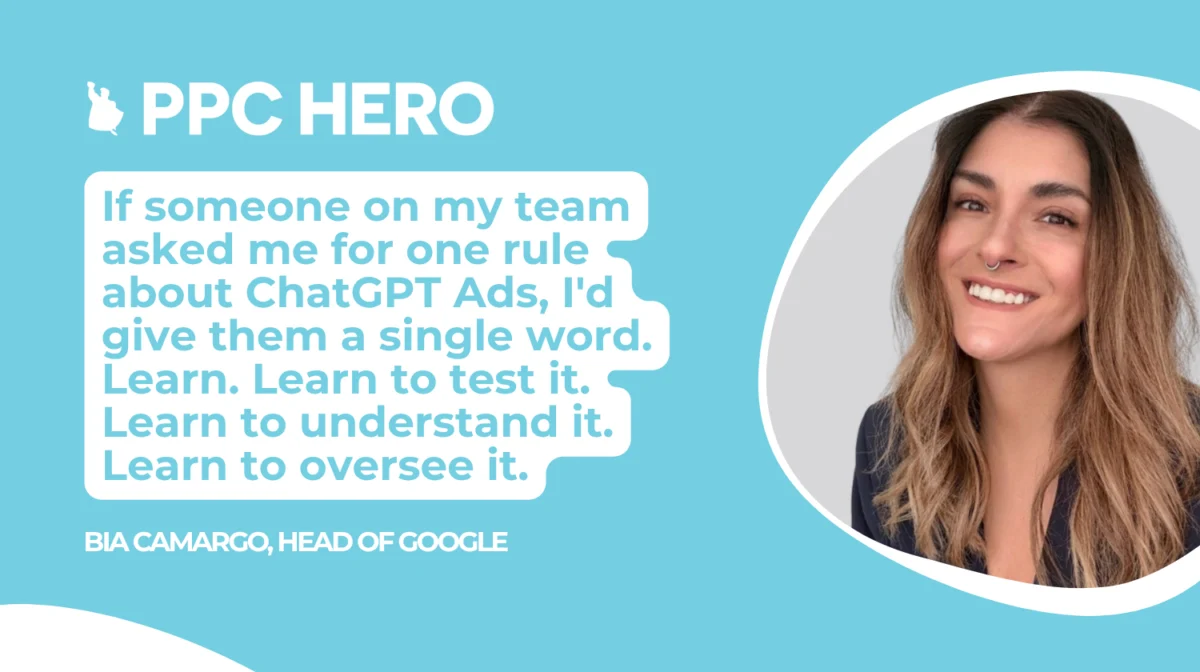
For businesses and marketers, the arrival of ChatGPT Ads presents both an opportunity and a challenge. The author’s advice to “learn” is paramount. This encompasses:

- Testing and Experimentation: Conducting isolated, small-scale tests is crucial to understand performance within specific categories and business models. Given the current limitations, the focus should be on understanding category fit and attribution signals rather than extensive creative iteration.
- Understanding the Platform: Investing time in learning the intricacies of the ChatGPT Ads interface, campaign structure, and reporting is essential.
- Adapting Strategies: PPC specialists must be prepared to adapt their existing skill sets and develop new approaches to effectively leverage this new advertising medium.
The initial phase of ChatGPT advertising is characterized by a unique blend of familiar advertising principles and novel execution within an AI-powered conversational context. Brands that approach this new frontier with a mindset of learning and adaptation are best positioned to capitalize on the immense potential of this evolving digital advertising ecosystem. The “free” era of ChatGPT is undeniably drawing to a close, ushering in a new chapter where user attention is openly valued and monetized, demanding a more deliberate and informed approach from both users and advertisers alike. The journey of “free” has always led to a cost, and understanding that cost is the key to navigating this transformative shift in digital marketing.









