Instapage, a long-standing leader in landing page technology and conversion rate optimization (CRO), has officially transitioned into a fully integrated, AI-powered marketing platform. This strategic pivot, which has been in development since the company’s inception in 2012, represents a significant shift in how digital marketing assets are conceived, deployed, and optimized. By embedding artificial intelligence across its entire stack—including page generation, email automation, and experimental testing—Instapage aims to solve the "fragmentation crisis" currently facing marketing departments that are forced to manage dozens of disparate tools to achieve a single conversion goal.
The announcement marks a maturation of the company’s roadmap. What began as a specialized builder for high-converting landing pages has evolved into a holistic suite covering personalization, experimentation, analytics, and now, generative AI. This evolution is designed to enable leaner marketing teams to scale their operations without the traditional requirements of increased headcount or complex technical integrations.
The Evolution of Instapage: From Builder to Ecosystem
To understand the significance of the current AI integration, it is necessary to examine the chronological development of the Instapage platform. Founded in 2012, the company initially focused on a singular pain point: the difficulty of creating high-quality landing pages without deep coding knowledge. At the time, digital advertising was becoming increasingly expensive, and the "leaky bucket" problem—where expensive traffic was sent to generic, low-converting homepages—was a primary concern for performance marketers.
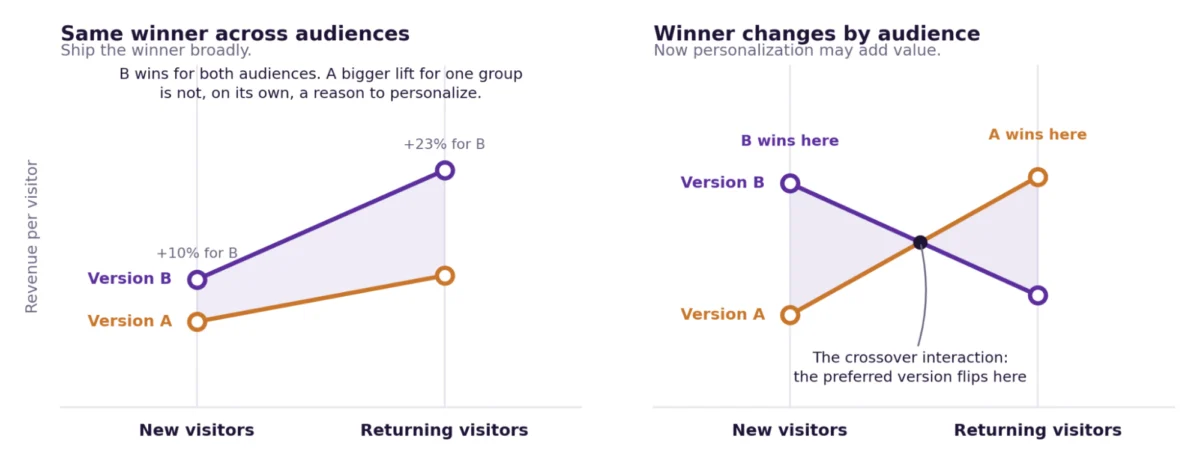
By 2016, Instapage had established itself as a premier builder, but the market demand shifted toward optimization. The company responded by launching sophisticated A/B testing and heatmapping tools directly within the builder. This was followed by the introduction of Personalization features, allowing marketers to show different content to different audiences based on their ad click or geographic location.
In the early 2020s, as the marketing technology (MarTech) landscape grew to include over 10,000 different solutions, Instapage began consolidating its features into a "Marketing Suite." The most recent phase, beginning in 2023 and culminating in the current 2024-2026 rollout, involves the deep integration of generative AI. This move is not merely a "bolt-on" feature but a fundamental re-engineering of the workflow, moving from manual assembly to AI-assisted generation and refinement.
Solving the Friction of AI-Driven Design
One of the primary challenges addressed in this new release is the inherent friction in standalone AI design tools. While many generative AI platforms can create a landing page from a text prompt, they often struggle with the "last mile" of design. Users frequently find that while the initial AI output is impressive, making specific, granular adjustments—such as moving a button three pixels to the left or changing the padding of a specific section—requires complex re-prompting or results in the AI regenerating the entire page, wasting both time and computational tokens.
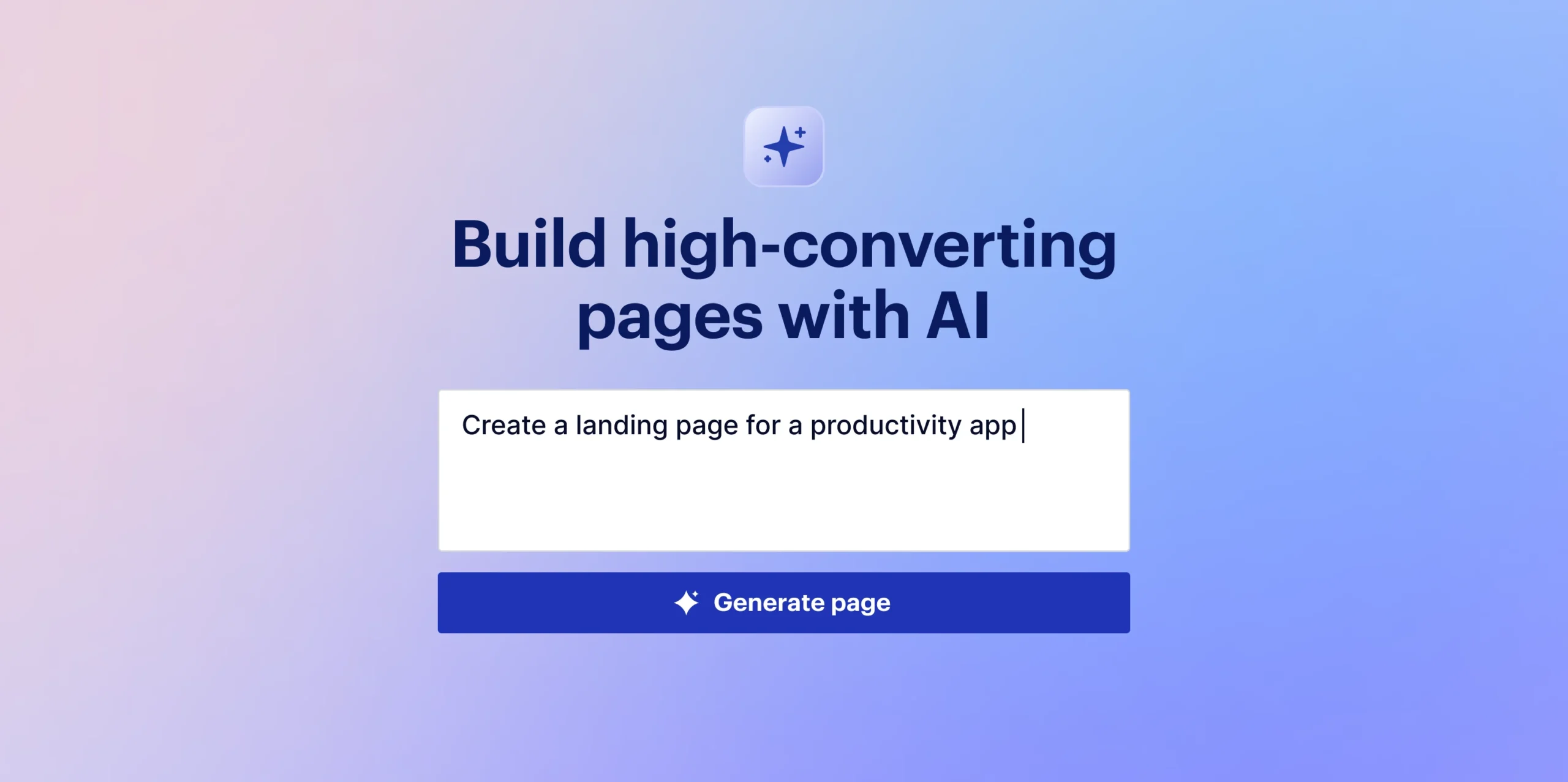
Instapage’s solution to this is a hybrid workflow. The AI page generation tool creates a complete, conversion-ready page in seconds, including tailored messaging and optimized layouts. However, once the foundation is laid, the platform transitions to a "pixel-perfect" drag-and-drop builder. This allows marketers to exercise full creative control without the need for constant prompting.
According to industry analysis, this hybrid model addresses a major efficiency gap. Data from marketing productivity studies suggest that while AI can reduce initial content creation time by up to 70%, the "editing phase" in poorly integrated tools can actually increase total project time by 15% due to technical friction. By keeping the AI generation and the manual refinement within the same visual interface, Instapage aims to capture the speed of AI while maintaining the precision of professional design.
Integration of AI-Powered Email and Lead Follow-Up
The platform expansion also addresses the critical "hand-off" between a lead being captured on a landing page and the subsequent follow-up. Historically, this required an integration between a landing page builder and an Email Service Provider (ESP). Instapage has now internalized this process with its AI email generator.

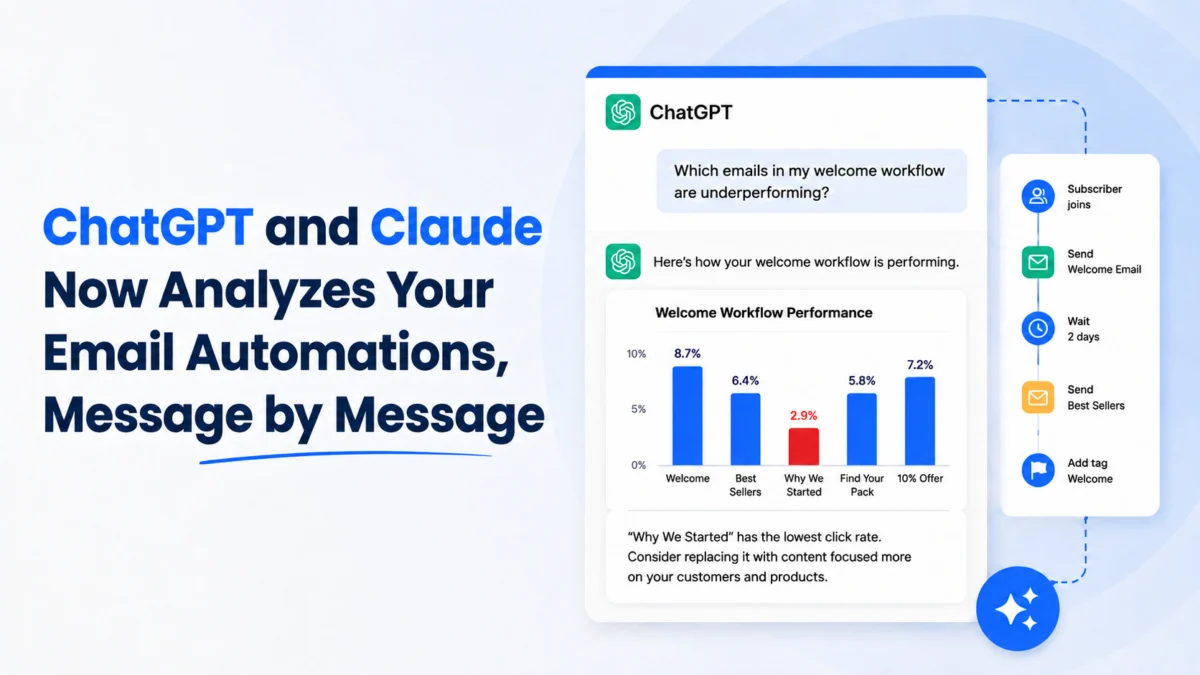
The new functionality allows teams to generate tailored email sequences based on the specific context of the landing page the lead converted on. By selecting goals, target audiences, tone, and length, the AI generates messaging that maintains brand consistency across the entire funnel. This eliminates the manual export of leads and the need for third-party AI writing tools, which often lack the context of the original marketing campaign.
For performance marketers, this integration is vital. Statistics indicate that leads contacted within the first five minutes of a conversion are nearly 100 times more likely to be qualified than those contacted after 30 minutes. By automating the creation and triggering of these emails within a single platform, Instapage is targeting the reduction of "lead decay."
Supporting Data: The Economic Imperative for AI Consolidation
The shift toward an all-in-one AI platform comes at a time when marketing budgets are under increased scrutiny. According to Gartner’s 2023-2024 CMO Spend and Strategy Survey, marketing budgets have dropped to an average of 7.7% of total company revenue, down from 9.1% in previous years. Simultaneously, the expectation for ROI has increased.
Internal data and market trends suggest several key benefits of the Instapage AI transition:
- Time-to-Market: Traditional landing page development, involving copywriters, designers, and developers, can take between 5 and 15 days. AI-powered generation reduces this to minutes, allowing for real-time campaign adjustments.
- Cost Reduction: By consolidating page building, email marketing, and AI generation into one subscription, companies can reduce their "SaaS tax"—the cumulative cost of paying for multiple niche tools.
- Conversion Uplift: AI-driven experimentation and "AI Collections" allow for more rapid testing of hypotheses. Platforms using integrated AI for CRO have seen conversion rate improvements of 15-25% compared to static, manually optimized pages.
Industry Implications and Market Analysis
The broader implications of Instapage’s move are significant for the MarTech industry. For years, the trend was toward "Best of Breed" stacks, where companies picked the single best tool for every specific task. However, the complexity of managing these stacks has led to "MarTech Fatigue."
Industry analysts suggest that we are entering a period of "The Great Consolidation," where platforms that can offer a seamless, end-to-end workflow will outperform niche tools. Instapage’s decision to build AI into every stage—from the first click on a page to the final follow-up email—positions it as a direct competitor to larger, more complex CRM and Marketing Automation platforms, but with a specific focus on the conversion layer.
Furthermore, the introduction of "AI Collections" suggests a move toward smarter asset management. In a traditional setup, marketers struggle to keep track of which headlines, images, and layouts perform best across different campaigns. An AI-powered collection system can theoretically "learn" which elements drive the most revenue and suggest them for future page generations, creating a self-optimizing feedback loop.
Strategic Responses and Future Outlook
While some competitors have added AI copy assistants, the comprehensive nature of Instapage’s rollout—covering generation, refinement, and follow-up—sets a new benchmark for the industry. Inferred reactions from the broader MarTech community suggest that other builders will likely follow suit, moving away from being mere "editors" and toward becoming "generative partners."
However, the transition is not without challenges. The "beta" nature of some AI features, as noted by Instapage, indicates the ongoing refinement required to ensure AI-generated content meets brand safety and SEO standards. As these tools roll out to the wider user base through 2024 and 2026, the focus will likely shift toward "Prompt Engineering" education for marketers and the refinement of AI models to prevent "hallucinations" in marketing copy.
In conclusion, Instapage’s transformation into an end-to-end, AI-powered marketing platform is a calculated response to the increasing complexity and cost of digital marketing. By streamlining the workflow from a "blank page" to a "converted lead," the platform is attempting to redefine the role of the marketer from a builder of assets to a strategist who directs AI to execute at scale. As the 14-day free trials and beta access periods continue, the industry will be watching closely to see if this integrated approach delivers the efficiency gains promised in an increasingly lean economic environment.