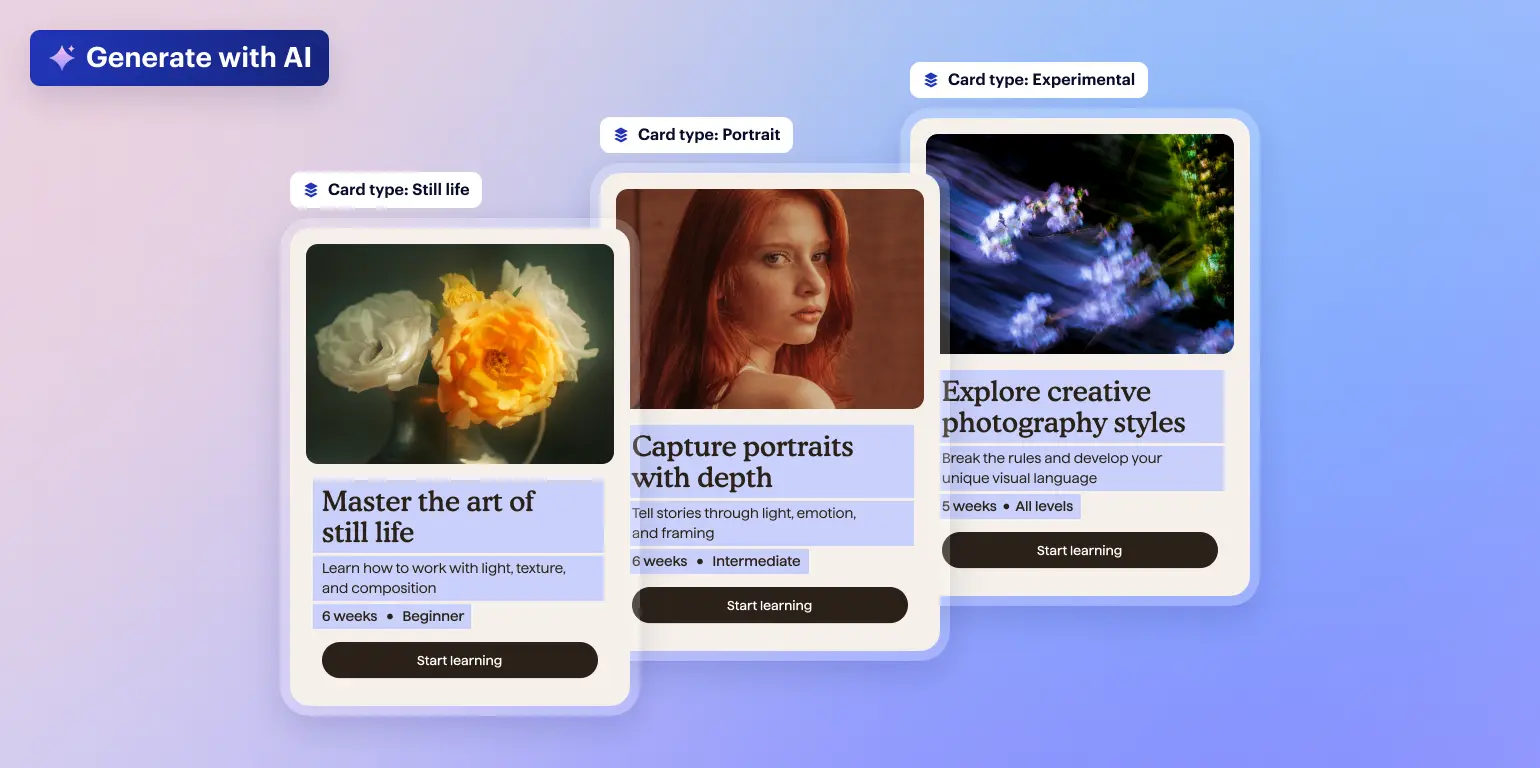
The digital marketing landscape has long operated under a fundamental tension known as the personalization paradox: while consumers increasingly demand tailored experiences, the technical and operational hurdles required to deliver them at scale have remained prohibitively high. Instapage, a leading provider of landing page solutions, has officially addressed this friction with the release of AI Collections, a sophisticated toolset designed to automate the creation and population of personalized web pages. By integrating generative artificial intelligence directly into the page-building workflow, the company claims marketing teams can now deploy high-relevance campaigns up to three times faster than traditional manual methods.
For over a decade, the standard practice for personalizing landing pages involved a labor-intensive cycle of duplicating existing pages, manually editing copy for specific segments, and tracking hundreds of disparate URLs via complex spreadsheets. This manual overhead often led to "campaign fatigue," where teams would eventually revert to generic, one-size-fits-all pages to save time, ultimately sacrificing conversion rates and return on ad spend (ROAS). AI Collections seeks to eliminate these bottlenecks by shifting the focus from individual page management to a centralized, template-driven architecture powered by machine learning.
The Mechanics of Automated Personalization
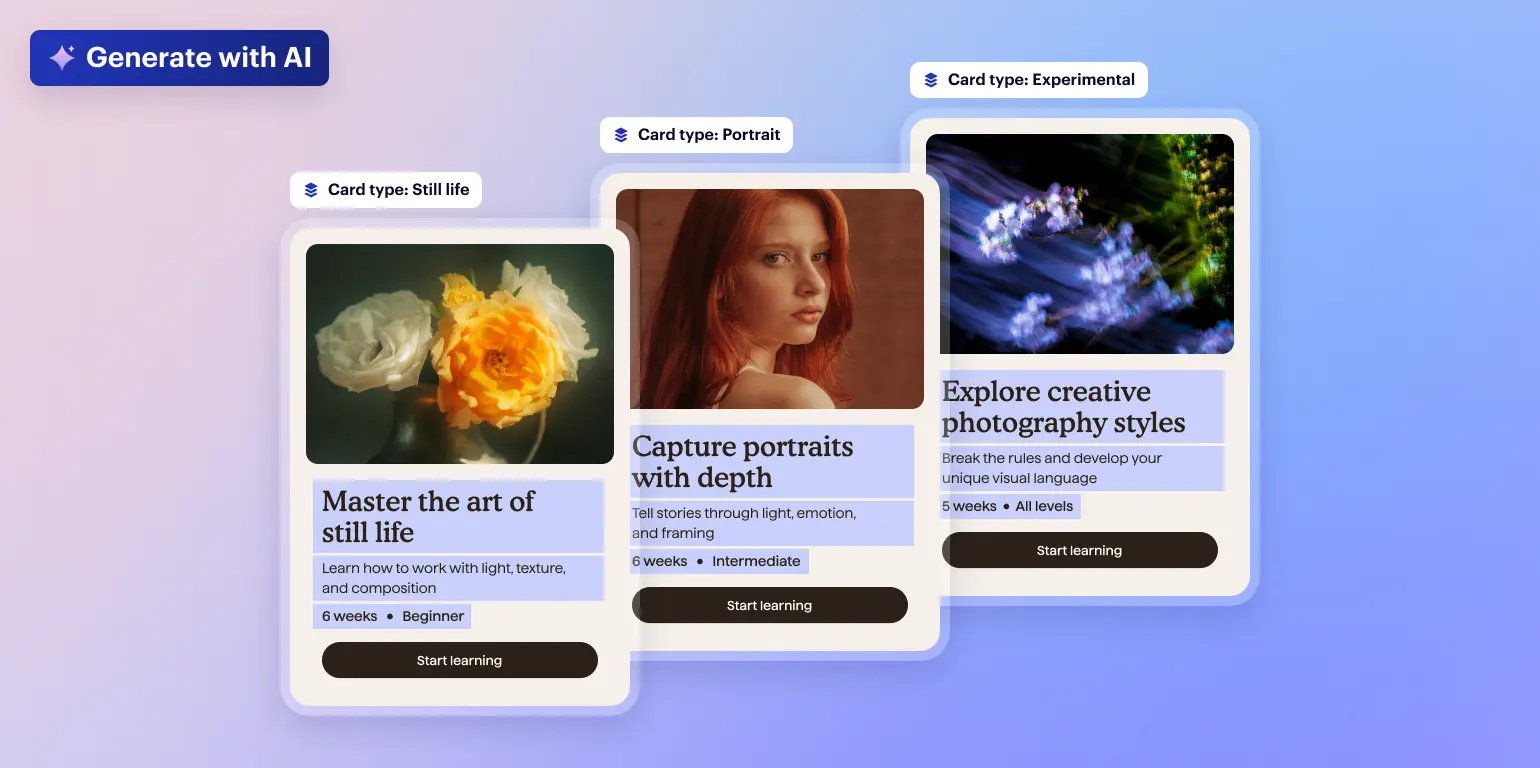
The core functionality of AI Collections rests on the transformation of static layouts into dynamic templates. Unlike traditional editors where every change must be made on a per-page basis, AI Collections utilizes a centralized content table. In this environment, each row represents a unique landing page within a campaign, while each column represents a specific content variable—such as headlines, body copy, images, or calls to action (CTAs). This structural shift allows marketers to oversee hundreds of variations from a single dashboard, providing a "bird’s-eye view" of an entire multi-segment campaign.
The process is initiated through the deployment of AI placeholders. Traditionally, developers or designers had to manually tag specific areas of a page to receive dynamic data, a process prone to human error and formatting inconsistencies. Instapage’s new AI utility analyzes the design of a base page and automatically identifies the most effective locations for dynamic content. Once these placeholders are established, the system generates a template that serves as the blueprint for the entire collection.
Following the template creation, the platform utilizes generative AI to populate the content table. Marketers provide high-level prompts—detailing the target audience, specific value propositions, and desired tone—and the AI generates "publish-ready" content for every entry in the table. This capability is particularly significant for search engine marketing (SEM) professionals who need to align landing page copy with thousands of specific keywords to maintain high Quality Scores and lower their cost-per-click (CPC).
Integrating Fluid Grid Technology for Design Integrity
One of the primary risks of automated content generation is "layout breakage," where varying text lengths cause design elements to overlap or create awkward white space. To mitigate this, Instapage has paired AI Collections with its proprietary Fluid Grid blocks. This layout engine automatically adjusts the spatial distribution of elements based on the volume of content generated by the AI.
By ensuring that the design remains responsive and visually cohesive regardless of the text length, the system removes the need for manual QA (quality assurance) on every individual page iteration. For a marketing team running a campaign across 50 different geographic regions, this means the layout for a headline in a character-dense language or a long-form professional title will automatically reformat to maintain the brand’s aesthetic standards without human intervention.
A Chronology of Personalization Technology
To understand the impact of AI Collections, it is necessary to view it within the broader timeline of marketing technology evolution. In the early 2010s, "Dynamic Text Replacement" (DTR) emerged as the first major step toward personalization, allowing marketers to swap out simple strings of text based on URL parameters. While effective for basic keyword matching, DTR was limited in its ability to change the deeper narrative or visual context of a page.
By the mid-2010s, the industry moved toward "Segment-Based Personalization," where users were shown different versions of a page based on CRM data or cookie-based tracking. However, this still required the manual creation of several versions of the same page. The current era, beginning roughly in 2023 with the explosion of Large Language Models (LLMs), has shifted the focus toward "Generative Personalization." AI Collections represents the institutionalization of this trend, moving AI from a separate writing tool (like ChatGPT) directly into the infrastructure of the web hosting and design environment.
Data-Driven Justification for Scaled Personalization
The push toward automation is supported by significant industry data suggesting that the "generic" web is no longer profitable. According to a 2023 report by McKinsey & Company, companies that excel at personalization generate 40% more revenue from those activities than average players. Furthermore, research from HubSpot indicates that personalized calls to action perform 202% better than basic versions.
Despite these statistics, a survey of digital marketers conducted earlier this year revealed that 65% of teams struggle with "content bottlenecks," citing the inability to produce enough variations to meet the needs of their diverse audience segments. By reducing the time-to-market by 300%, Instapage’s AI Collections directly addresses this productivity gap. In a competitive landscape where ad costs on platforms like Meta and Google continue to rise, the ability to increase the relevance of a landing page—and thus the conversion rate—is often the only way to maintain a positive return on investment.
Industry Implications and Market Reaction
Market analysts suggest that the introduction of AI-driven collection management will force a shift in the roles of digital marketing professionals. The "manual editor" role is likely to be phased out in favor of "AI Strategists" or "Prompt Engineers" who focus on the high-level logic of a campaign rather than the minutiae of copy-pasting text.
While Instapage has not released specific names of early adopters, the company indicates that the feature is being prioritized by high-growth SaaS firms, healthcare providers with localized service pages, and e-commerce brands managing large SKU-based ad campaigns. The reaction from the broader MarTech community has been one of cautious optimism. While some express concerns regarding the "homogenization" of AI-generated content, the inclusion of robust manual review steps within the AI Collections workflow allows brand managers to maintain a final layer of editorial oversight.
The Broader Impact on Digital Strategy
The deployment of AI Collections signifies a broader shift toward "Hyper-Relevance" in digital strategy. In an era where privacy regulations like GDPR and the deprecation of third-party cookies have made tracking users across the web more difficult, the "on-page" experience has become the most critical lever for conversion. If a marketer cannot track a user’s every move, they must instead ensure that when a user does click an ad, the landing page they arrive at is perfectly aligned with the intent of that specific click.
Furthermore, this technology lowers the barrier to entry for smaller marketing teams. Previously, the level of personalization offered by AI Collections was only available to enterprise-level organizations with massive budgets and dedicated engineering teams. By democratizing access to automated scaling, Instapage is leveling the playing field, allowing mid-market companies to compete with larger incumbents on the basis of agility and message resonance.
Future Outlook and Availability
As Instapage continues to iterate on its AI capabilities, the industry expects further integrations, such as AI-driven image selection to match the generated copy and predictive analytics to suggest which "Collection" variations are likely to perform best before they are even published.
AI Collections is currently available to users through the Instapage platform, with the company offering a 14-day free trial to allow teams to benchmark the speed and efficiency of the tool against their current manual workflows. As digital advertising continues to move toward a "privacy-first" and "AI-first" model, tools that bridge the gap between creative intent and technical execution will likely become the standard operating equipment for the modern marketing department. The era of the generic landing page appears to be drawing to a close, replaced by a more dynamic, automated, and ultimately more human-centric digital experience.