Telly, the innovative startup known for its disruptive model of providing free smart TVs in exchange for user data and advertising exposure, is taking a significant step to further monetize its platform by making its home screen advertisements available for programmatic buying. This strategic move, coupled with a strong push for industry-wide standardization, signals Telly’s ambition to attract substantial advertising spend and solidify its position in the burgeoning connected TV (CTV) landscape.
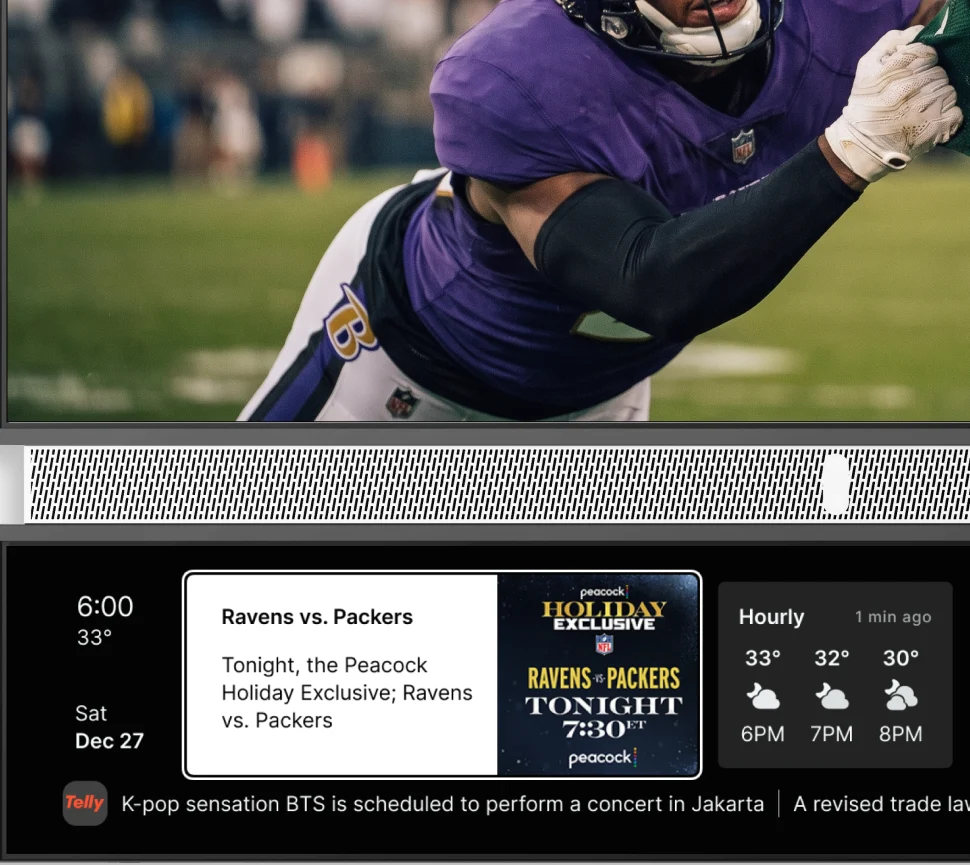
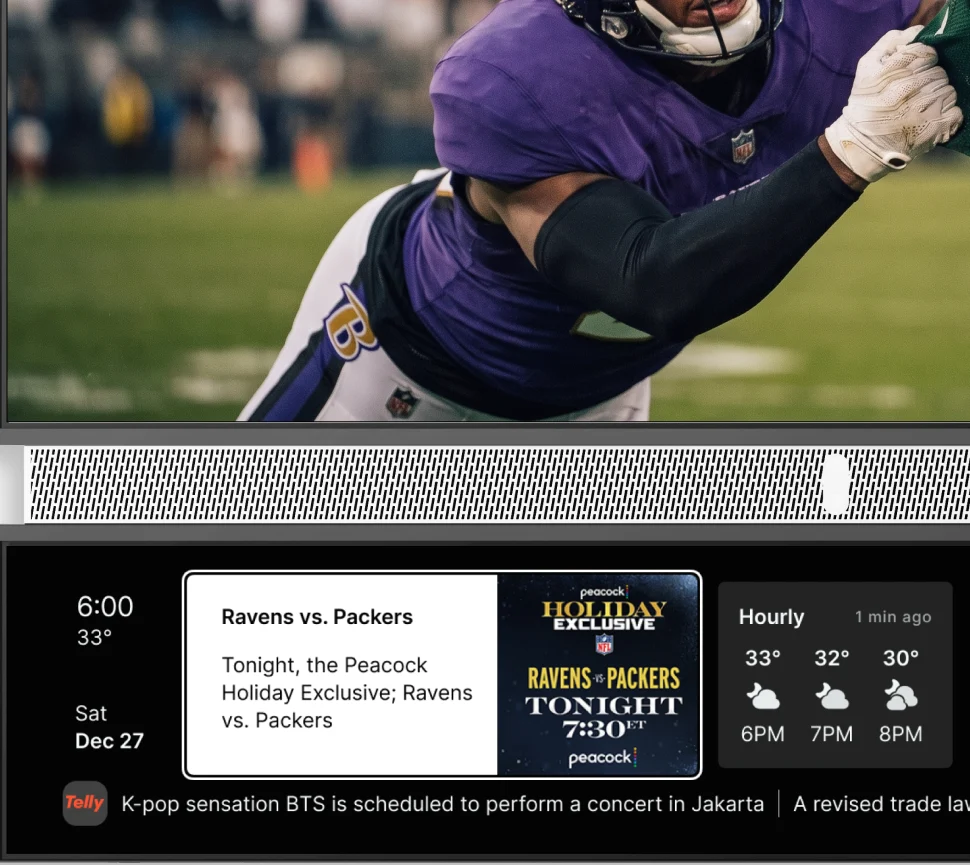
The company’s distinctive smart TVs feature a dual-screen design: a primary display for content viewing and a secondary, narrower "second screen" positioned below it. This second screen serves as a persistent digital canvas, continuously displaying a stream of news updates and advertisements, including these newly accessible programmatic home screen ads. Telly leverages Magnite’s SpringServe ad server for ad delivery, with demand originating from prominent players in the ad tech ecosystem, such as The Trade Desk and Teads, among others.
The critical challenge for any emerging ad platform, especially one reliant on novel ad placements, is achieving scale. Mike Shehan, Telly’s Chief Revenue Officer, emphasized this point in a recent interview, highlighting that programmatic enablement is the key to unlocking the widespread adoption and investment necessary for their home screen ad inventory to thrive. Shehan’s background, including his tenure as CEO of SpotX, a video supply-side platform acquired by Magnite for a substantial $1.17 billion in 2021, lends significant weight to his perspective on the ad tech industry and its evolving dynamics.
While Telly’s programmatic home screen ads are a notable development, they are not entirely unprecedented in the CTV space. Other industry players have been actively developing similar offerings. For instance, the ad tech platform Nexxen began making its native home screen ads programmatically available across a growing roster of TV manufacturers, including V (formerly VIDAA) and TiVo, as early as last year. Furthermore, supply-side platforms (SSPs) like Magnite have been facilitating programmatic buying of other ad formats, such as pause ads, for a considerable period.
Telly, however, is differentiating itself by actively collaborating with the IAB Tech Lab, a leading standards-setting body for the digital advertising industry. The company’s involvement is focused on developing standardized specifications for home screen ads within the bidstream. This collaborative effort is crucial for ensuring interoperability and creating a predictable environment for advertisers. The IAB Tech Lab concluded its public comment period for proposed spec updates at the end of June and subsequently finalized these signal updates in July. This proactive engagement with standardization bodies suggests Telly’s commitment to fostering a more robust and transparent programmatic ecosystem for its unique ad inventory.
Shehan further articulated Telly’s competitive edge, pointing to the rich first-party customer data collected through its unique onboarding process and the inherent capabilities of its second screen. This combination, he argues, provides unparalleled targeting precision for home screen ads, ultimately driving more impactful business outcomes for advertisers.
The "Go Big or Go Home Screen" Strategy: Data-Driven Engagement
Telly’s core value proposition lies in its ability to gather deep insights into its user base. When consumers sign up to receive a Telly device, they are required to complete an extensive questionnaire. This survey delves into detailed demographic information, including household income and the number of occupants. More importantly, it probes into interest- and behavior-based data, covering aspects such as brand preferences, insurance providers, the types of vehicles owned or leased by household members, and their propensity for purchasing new vehicles.
"The questionnaire goes very deep on demographics, lifestyle, and brand loyalty," Shehan explained. This wealth of granular data, when combined with Automatic Content Recognition (ACR) data—which tracks the content viewers are consuming on the main screen—enables a level of targeting sophistication rarely seen in the CTV market. For example, an insurance provider could specifically target households identified as being in the market for a new policy, based on their vehicle ownership and stated interests.
The second screen, beyond its role as a data collection mechanism, functions as a dynamic advertising channel. Its ability to operate independently of the main display allows Telly to serve ads without interrupting the primary viewing experience. This means advertisers can reach consumers even when they are opting for ad-free streaming content on the main screen, a segment that has been notoriously difficult to monetize through traditional ad placements.
Beyond programmatic enablement, Telly is also exploring premium advertising opportunities through private marketplace (PMP) deals facilitated by Magnite. These deals offer advertisers the option of longer home screen ad formats, extending up to five minutes. Shehan believes that the combination of this extended duration and the non-intrusive nature of the home screen placement is highly conducive to fostering viewer engagement.
An illustrative example cited by Shehan involved a streaming service (whose identity Telly declined to disclose) that achieved a fivefold increase in app opens when utilizing a five-minute home screen ad compared to a two-minute ad. This anecdotal evidence suggests that when executed effectively and placed contextually, longer-form ads can deliver significant results within Telly’s unique ad environment.
Advertiser Enthusiasm and Future Outlook
The potential of Telly’s home screen advertising is resonating with some key players in the media buying community. Mike Treon, Head of CTV and Video Strategy at PMG, expressed optimism about the platform’s capabilities. "The home screen has always been a powerful front door for us to engage viewers," Treon stated. "Telly extends that opportunity, giving brands a persistent presence that enhances engagement." This sentiment underscores the perceived value of a constant, non-disruptive brand presence within the user’s primary interface.
The success of Telly’s programmatic home screen ad offering will ultimately hinge on its ability to translate this initial enthusiasm into sustained, long-term investment from advertisers. The company’s strategic alignment with industry standardization bodies like the IAB Tech Lab, combined with its unique data assets and innovative ad placements, positions it as a compelling proposition in the evolving CTV advertising ecosystem. As the market continues to mature, Telly’s ability to demonstrate measurable return on ad spend (ROAS) and provide advertisers with reliable, scalable, and privacy-compliant targeting solutions will be paramount to its continued growth and influence.
The broader implications of Telly’s strategy extend beyond its own platform. By championing standardized ad formats and programmatic accessibility for home screen placements, Telly is contributing to the ongoing maturation of the CTV advertising market. As more platforms explore innovative ad units and data utilization, the push for interoperability and transparency, as advocated by Telly and supported by organizations like the IAB Tech Lab, becomes increasingly vital. This will ultimately benefit advertisers by providing more predictable campaign performance and more efficient allocation of their ad budgets. The success of Telly’s model could also encourage other hardware manufacturers and platform providers to explore similar data-driven advertising strategies, further reshaping the CTV advertising landscape. The company’s future trajectory will be closely watched by industry observers as a bellwether for the adoption of next-generation advertising solutions in the living room.