In the intricate landscape of contemporary business, the fragmentation of marketing departments into isolated "silos" presents a pervasive and costly challenge. These operational barriers, often invisible until they manifest as inefficiencies and missed opportunities, obstruct the seamless flow of information, ideas, and strategic plans between teams. While modern marketing demands specialization across diverse channels and functions, an unintended consequence has been the creation of disconnected units, each operating within its own sphere, frequently unaware of or disengaged from the broader organizational objectives. This phenomenon not only complicates daily operations but fundamentally undermines a company’s ability to deliver a cohesive brand message and a unified customer experience.
Understanding the Anatomy of Marketing Silos
At its core, a marketing silo is an organizational division that impedes communication and collaboration among teams. This separation can manifest in various forms, from distinct departmental structures to disconnected digital tools and even differing interpretations of the customer journey. For instance, a common scenario involves a paid media team executing campaigns in isolation from the organic social media team, leading to incongruent messaging or a lack of synergistic content deployment. More subtly, valuable customer feedback collected by a support department may never reach the content or product development teams, effectively trapping critical insights within a single functional area.

Several common types of marketing silos frequently emerge within organizations:
- Paid Media Silos: When paid advertising campaigns are planned and executed independently of organic, content, or brand initiatives. This can result in internal competition for audience attention, inconsistent brand messaging across paid and organic channels, and a failure to leverage successful creative insights from one area to another.
- Organic Social Media Silos: Social media teams operating on a separate content calendar with limited visibility into broader marketing campaigns. The consequence is often social content that feels disconnected from the brand’s overarching narrative or current promotions, failing to capitalize on timely opportunities.
- Content Marketing Silos: A scenario where blog, SEO, email, and social content teams develop strategies and execute content creation in isolation. This often leads to redundant efforts, where similar topics are researched and produced multiple times, while genuinely novel or impactful content opportunities are overlooked.
- Customer Service Silos: Customer support teams accumulating rich data on customer queries, complaints, and preferences that rarely circulates back to marketing. This prevents marketers from understanding evolving customer pain points, identifying popular product features, or adopting the authentic language customers use.
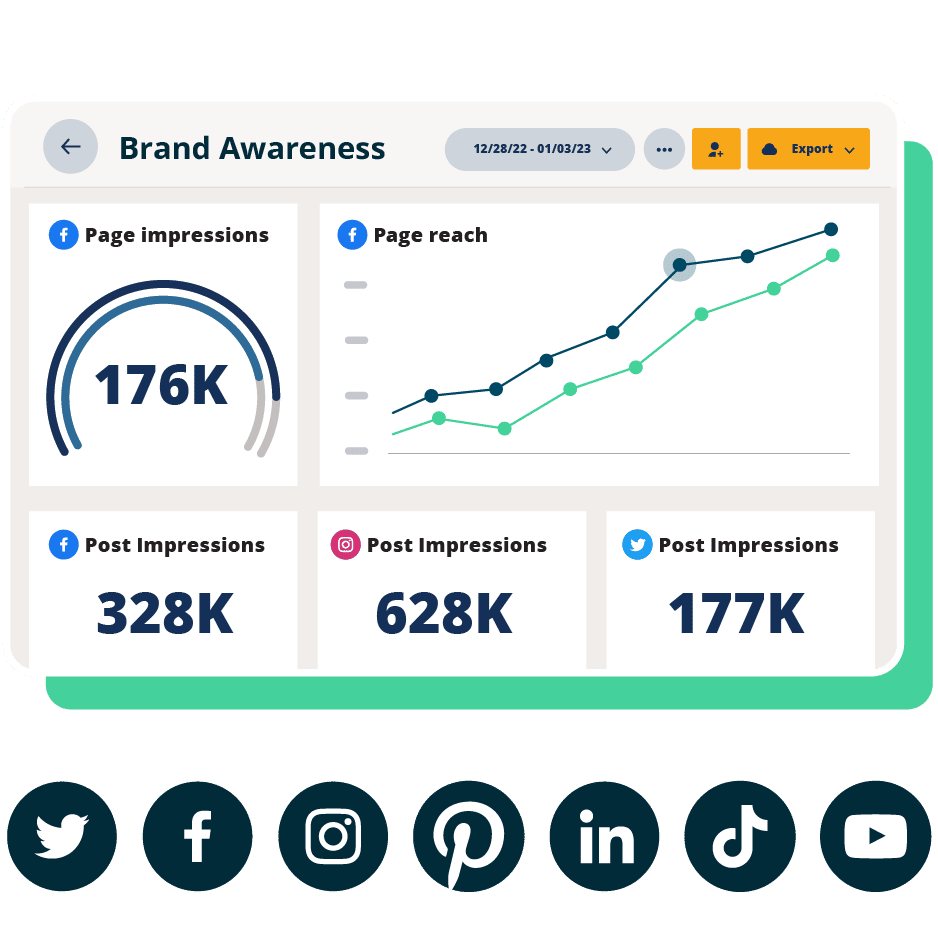
- Data and Analytics Silos: Each marketing team utilizing its own platforms and dashboards for performance tracking, leading to fragmented data views. This makes it challenging to construct a holistic understanding of the customer journey and often results in internal debates over data accuracy, impeding strategic decision-making.
The Historical Trajectory Towards Specialization and Fragmentation
The prevalence of marketing silos is not an accidental byproduct but a consequence of the rapid evolution and increasing complexity of the marketing discipline over the last two decades. Historically, marketing departments often comprised generalists responsible for a broader range of activities. However, the advent of the internet, digital advertising, social media platforms, and sophisticated analytics tools necessitated a profound shift towards hyper-specialization.

With the proliferation of channels—from search engines and display networks to diverse social platforms like Facebook, Instagram, TikTok, and LinkedIn—came the need for dedicated experts. Companies began hiring specialists in SEO, SEM, social media management, content strategy, email marketing, data analytics, and customer relationship management (CRM). Each specialization brought with it unique skill sets, proprietary tools, distinct metrics, and often, separate reporting structures. While this move enhanced technical proficiency and optimized performance within specific channels, it inadvertently laid the groundwork for organizational fragmentation. The focus on individual channel performance often overshadowed the imperative for integrated, customer-centric strategies.
Underlying Causes: Why Silos Take Root
Beyond historical specialization, several factors actively contribute to the formation and perpetuation of marketing silos within contemporary organizations:
- Organizational Design and Hierarchy: Traditional hierarchical structures, where teams report up through distinct departmental heads, naturally foster separation. If the VP of Paid Media reports to one executive and the Head of Content to another, their primary allegiance and communication pathways remain vertical, often neglecting horizontal collaboration.
- Misaligned Goals and Key Performance Indicators (KPIs): When different marketing teams are measured and rewarded based on divergent KPIs, they can inadvertently become competitors rather than collaborators. A social team focused solely on engagement metrics might prioritize viral content, while a paid team chasing conversion rates might run highly promotional ads, creating a disjointed brand experience.
- Technological Fragmentation (Martech Stack Overload): The rapid growth of marketing technology has led to businesses adopting numerous specialized tools for different functions (e.g., a CRM for sales, an email platform for campaigns, a social media management tool, an SEO tracker). If these tools do not integrate seamlessly or feed into a centralized data repository, they become digital silos, preventing a unified view of customer interactions and campaign performance.
- Geographic and Remote Work Dispersal: While offering flexibility, distributed teams or multiple office locations can exacerbate communication challenges. Without deliberate efforts to bridge physical distances through virtual collaboration tools and structured interactions, teams can easily become insular.
- Lack of Centralized Leadership and Vision: In the absence of strong, unifying leadership that champions cross-functional collaboration, teams default to their immediate objectives. If there’s no clear mandate from the top to integrate efforts, silos will persist and even strengthen.
- "Turf Wars" and Cultural Resistance: Human factors, such as a fear of losing control, a reluctance to share resources or data, or an "us vs. them" mentality, can also contribute to silos. Teams might protect their data or processes, believing it gives them an advantage or protects their perceived value within the organization.
The Tangible and Intangible Costs of Fragmentation
The consequences of marketing silos extend far beyond mere inconvenience, imposing significant costs on businesses in terms of lost revenue, diminished brand equity, and operational inefficiencies.
- Lost Opportunities and Stifled Innovation: As Andrea Linehan, Chief Marketing Officer at Supermetrics, astutely observes, "The real magic in marketing comes from orchestrating motions so they compound each other. Teams that operate in chorus can produce incredible results that no single marketing team could pull off alone." Silos inherently cap the potential for synergistic campaigns. A successful creative concept from a paid ad might never inform organic content, or rich audience insights from social listening might not reach the product development team, thereby missing opportunities for market-responsive innovation. This opportunity cost can be substantial, as integrated campaigns often outperform isolated efforts by a significant margin, with studies suggesting a potential for 20-30% higher ROI.
- Inconsistent Brand Messaging and Dilution: When marketing teams operate independently, the brand’s voice, values, and value propositions can become fragmented. One team might emphasize affordability, while another promotes premium quality, leaving customers confused about the brand’s core identity. This inconsistency erodes brand trust and recognition, making it harder to build a strong, unified brand image in the marketplace. Research indicates that brand consistency across all channels can increase revenue by up to 23%.
- Duplicate Work and Wasted Resources: Silos frequently lead to the unwitting duplication of effort. Two different teams might conduct similar market research, create similar content, or develop parallel strategies for the same audience segment. This redundancy wastes valuable time, budget, and human capital, inflating operational costs without adding incremental value. In large organizations, such inefficiencies can translate into millions of dollars annually.
- Contradictory Data and Impaired Decision-Making: The absence of a unified data view often results in conflicting performance metrics. One team’s dashboard might report 30,000 website sessions, while another’s shows 26,000, leading to unproductive debates over data veracity instead of strategic action. This lack of a "single source of truth" hinders accurate performance assessment, makes A/B testing inconclusive, and ultimately impairs data-driven decision-making, leading to suboptimal marketing investments.
- A Disjointed Customer Experience: Perhaps the most critical impact of silos is the fragmented customer journey. As Christina Minshull, CEO of The Brand Audit, emphasizes, "Customers don’t experience our org chart, but they do trip over the cracks and gaps it creates in their experience, and that’s an inevitable byproduct of marketing silos." A customer might engage with a brand through a highly technical blog post, only to receive a generic, beginner-level email nurture sequence. This disjointed experience frustrates customers, reduces conversion rates, and negatively impacts customer loyalty, ultimately affecting the bottom line.
Building Bridges, Not Just Breaking Walls: A Strategic Approach

The objective is not to dismantle all boundaries within marketing entirely. Some degree of specialization is essential for expertise and efficiency. The strategic imperative is to identify which boundaries hinder progress and which facilitate focused work, then to build robust bridges where collaboration is critical.
- Breaking Down Silos Where Work is Shared: If two or more teams share a common objective, utilize the same foundational data, or frequently find their efforts overlapping or conflicting, then closer integration or even consolidation of workflows is warranted. The litmus test is simple: if a boundary consistently slows decision-making or generates unnecessary work, it likely serves no beneficial purpose.
- Building Bridges Where Specialization Reigns: For highly specialized functions, such as intricate social media management that requires deep knowledge of platform algorithms, creator ecosystems, and cultural nuances, a degree of autonomy is vital. However, as Minshull notes, these specialist teams "cannot operate as separate mini-businesses. There needs to be a connective center of gravity." This "center of gravity" can be established through shared strategic goals, clear inter-team handoffs, and regular, structured communication to align efforts.
A Blueprint for Reconnecting Marketing Teams
Addressing marketing silos requires a multifaceted approach that combines strategic alignment, operational adjustments, and technological integration.

-
Cultivate Shared Goals and Unified Metrics: The foundational step is to align all marketing teams around common business objectives and key results (OKRs). While channel-specific KPIs remain relevant, they must ladder up to a universally recognized overarching goal. For example, if the company’s objective is to increase market share by 15%, then both the paid team’s conversion metrics and the social team’s engagement metrics should clearly contribute to that larger aim. This shared vision ensures that individual team successes collectively contribute to organizational growth and facilitates easier trade-offs when priorities conflict.
-
Implement a Centralized Marketing Calendar: Providing all teams with a single, transparent view of upcoming campaigns, product launches, content publication dates, and other key marketing moments is crucial. A shared calendar prevents unexpected overlaps or missed opportunities. For instance, the PR team can anticipate a product announcement, social media can align its content schedule with a paid campaign launch, and customer support can be prepped for inquiries related to new promotions. Tools like Hootsuite’s Perch offer a bird’s-eye view, allowing teams to plan and visualize content across multiple networks and campaigns from one central hub.
-
Establish "Bridge" Roles and Cross-Functional Leads: For complex projects spanning multiple marketing teams, designate a project lead or "bridge" role with explicit accountability for ensuring seamless coordination. This individual doesn’t necessarily dictate every decision but possesses the visibility and authority to identify gaps, facilitate handoffs, and ensure all teams operate with the most current information. These roles are critical in translating specialized knowledge across departmental lines.
-
Create Deliberate Connection Points and Communication Cadences: Instead of ad-hoc meetings, schedule strategic forums designed for inter-team collaboration. These could include campaign kick-off meetings, pre-launch alignment sessions, and post-campaign debriefs to share learnings and results. The emphasis should be on quality over quantity, ensuring that these interactions are valuable and focused on shared objectives. Regular "lunch and learns" or internal knowledge-sharing sessions can also foster greater understanding of other teams’ challenges and successes.
-
Centralize Approval Workflows: Fragmented approval processes—where feedback is scattered across emails, chat applications, and various document versions—are a significant source of inefficiency and delay. Consolidating content review and approval into a single, shared workflow tool ensures transparency, clarifies responsibilities, and accelerates content deployment. Platforms like Perch enable customized approval workflows for social content, keeping feedback directly attached to the content itself and providing a clear audit trail.
-
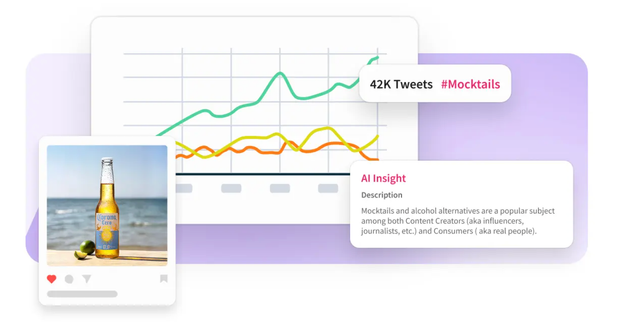
Amplify Social Insights Across the Organization: Social media teams are uniquely positioned at the forefront of customer sentiment, conversations, and emerging trends. Implementing robust social listening capabilities allows them to capture invaluable audience feedback, identify trending topics, and monitor brand perception in real-time. Crucially, these insights must not remain confined to the social media dashboard. Establishing clear channels for sharing these observations with product development, sales, customer service, and other marketing functions ensures that